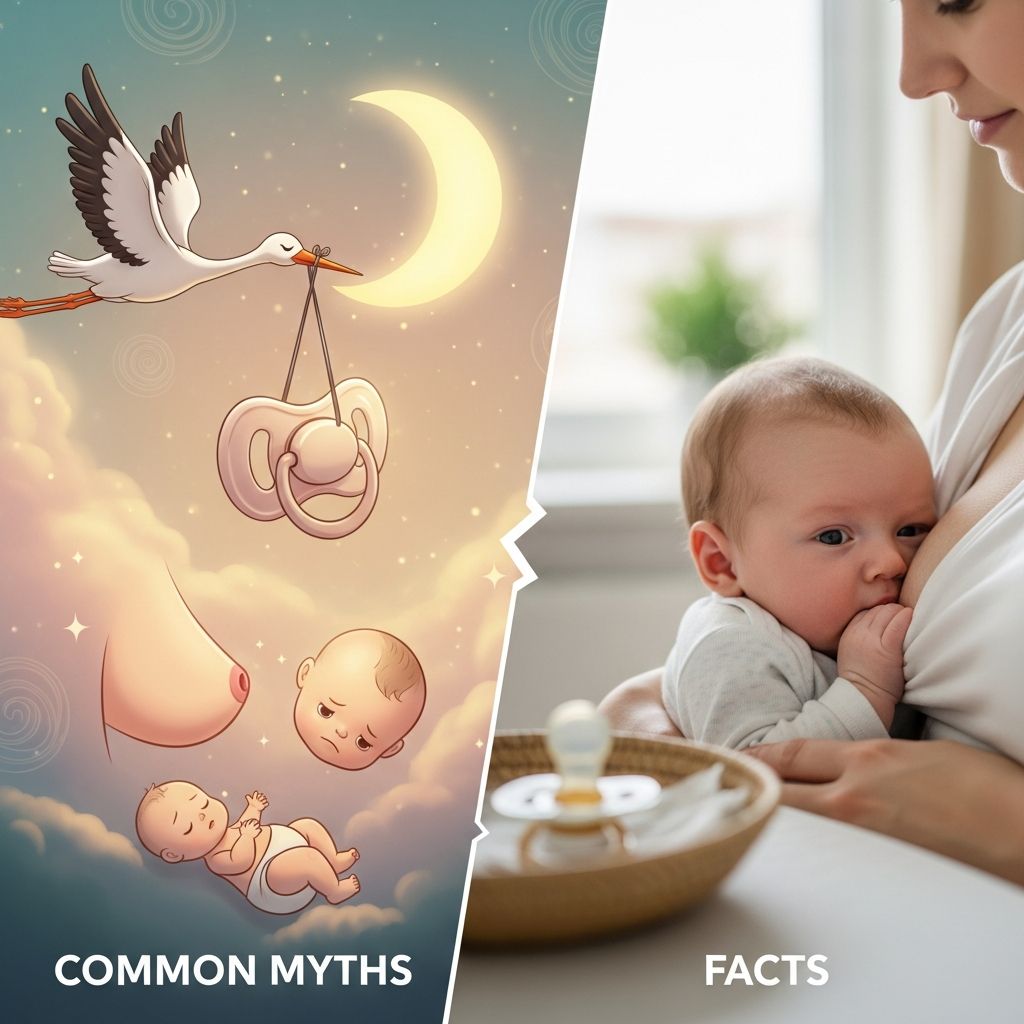
After giving birth, a woman’s body undergoes profound physiological transformations, with hormonal fluctuations at the forefront. These shifts, while essential for recovery and adapting to motherhood, can trigger emotional ups and downs, physical discomforts, and challenges in daily life. Understanding these changes empowers new mothers to navigate this period with greater confidence and seek timely support when needed.
The Science Behind Postpartum Hormone Dynamics
During pregnancy, hormones like estrogen, progesterone, human chorionic gonadotropin (hCG), and cortisol surge to sustain fetal development and maternal adaptations. Delivery marks a sudden reversal: the placenta’s expulsion halts production of several key hormones, leading to rapid declines. This abrupt transition contrasts with the gradual buildup of pregnancy, often resulting in what experts term a ‘hormonal crash.’ Meanwhile, other hormones rise to facilitate breastfeeding, uterine involution, and parent-infant bonding.
Individual variations arise from factors such as delivery method, breastfeeding choices, stress levels, sleep quality, and pre-existing health conditions. Breastfeeding, for instance, prolongs elevated levels of certain hormones, altering the recovery timeline.
Key Hormones and Their Postpartum Roles
Several hormones dominate the postpartum landscape, each influencing distinct aspects of physical and emotional health.
Estrogen: The Mood and Tissue Regulator
Estrogen, vital for mood stability, energy levels, skin health, and vaginal lubrication during pregnancy, plummets by up to 90% within 24-48 hours post-delivery. This drop contributes to fatigue, brain fog, irritability, and symptoms like vaginal dryness, which can affect intimacy. Low estrogen also impacts bone density temporarily, underscoring the need for calcium-rich nutrition.
Progesterone: The Calming Influence
Dubbed the ‘calming hormone,’ progesterone promotes restful sleep and counters stress. Its sharp decline post-birth can heighten anxiety, insomnia, and emotional volatility, exacerbating the ‘baby blues.’ Restoration to pre-pregnancy levels typically occurs within weeks for non-breastfeeding mothers but may lag in others.
Oxytocin: Bonding and Recovery Hormone
Known as the ‘love hormone,’ oxytocin surges after birth to contract the uterus, minimizing bleeding, and enable milk let-down during breastfeeding. It fosters profound maternal-infant attachment and reduces stress, promoting calmness. Levels remain elevated, especially in nursing mothers, supporting ongoing recovery up to several months.
Prolactin: Milk Production Powerhouse
Prolactin ramps up dramatically to initiate and sustain lactation. Beyond milk production, it offers anxiolytic effects, helping new moms feel more centered. In breastfeeding women, it suppresses ovulation, delaying menstrual cycles and fertility return, which can extend for months or years.
Cortisol and Thyroid: Stress and Metabolism Players
Cortisol, the primary stress hormone, often stays high due to sleep deprivation and new-parent demands, amplifying anxiety and fatigue. Thyroid hormones may fluctuate, leading to temporary hypothyroidism in some, marked by exhaustion and depression-like symptoms.
Timeline of Hormonal Fluctuations
Hormonal recovery follows a non-linear path, with milestones varying by individual circumstances. The following table outlines typical changes:
| Timeframe | Key Changes | Common Effects |
|---|---|---|
| First 24-48 Hours | Estrogen & progesterone drop sharply; oxytocin & prolactin rise | Baby blues onset: tears, mood swings, fatigue |
| First 2 Weeks | Oxytocin/prolactin peak for breastfeeding; cortisol elevated | Emotional lability, bonding intensification, sleep issues |
| 3-6 Weeks | Estrogen/progesterone stabilizing; hCG/thyroid declining | Improved energy for some; persistent blues in others |
| 3 Months | Many hormones near baseline (non-breastfeeders); prolactin high if nursing | Periods may return; stress spikes possible |
| 6 Months+ | Full regulation for most; weaning triggers prolactin/oxytocin drop | Stable mood, cycle resumption post-weaning |
Breastfeeding extends prolactin and oxytocin elevation, often delaying full balance until weaning.
Recognizing Symptoms of Imbalance
- Mood Disruptions: Crying spells, irritability, anxiety from estrogen/progesterone drops—termed baby blues in 70-80% of mothers, resolving in 1-2 weeks.
- Physical Manifestations: Hair loss, night sweats, joint aches, weight retention due to thyroid/cortisol shifts.
- Sleep and Energy Challenges: Insomnia, exhaustion from low progesterone and high cortisol.
- Breastfeeding Hurdles: Supply issues or discomfort if oxytocin/prolactin imbalanced.
- Sexual Health Impacts: Low libido, dryness from estrogen decline.
Practical Strategies for Hormonal Balance
While time heals most imbalances, proactive steps accelerate recovery.
Nutrition and Supplementation
Prioritize omega-3s, vitamin D, magnesium, and B-vitamins to support hormone synthesis. Nutrient-dense foods like fatty fish, leafy greens, nuts, and fermented items aid gut health, linked to mood regulation. Consult providers before supplements, especially if breastfeeding.
Rest and Stress Management
Aim for sleep clusters; nap when baby naps. Practices like mindfulness, gentle yoga, or deep breathing lower cortisol. Partner support for night duties proves invaluable.
Physical Activity
Start with postpartum-safe walks or pelvic floor exercises 4-6 weeks post-birth (with clearance). Movement boosts endorphins, aiding estrogen recovery without overtaxing the body.
Breastfeeding Support
Skin-to-skin contact maximizes oxytocin. Lactation consultants address supply concerns tied to prolactin.
When to Consult a Professional
Baby blues differ from postpartum depression (PPD), affecting 10-15% of mothers with persistent sadness, hopelessness, or detachment beyond 2 weeks. Postpartum anxiety, OCD, or thyroiditis warrant screening. Thyroid function tests recommended 6 weeks postpartum, per guidelines. Postpartum preeclampsia or hemorrhage signal emergencies—seek immediate care for severe headaches, swelling, or heavy bleeding.
Therapy, medication, or hormone therapy may be advised. Early intervention prevents escalation.
Frequently Asked Questions (FAQs)
Do postpartum hormones affect hair growth?
Yes, the estrogen drop triggers telogen effluvium, causing shedding 3-6 months post-birth, typically resolving by year one.
How does breastfeeding influence hormone recovery?
It sustains prolactin/oxytocin, delaying ovulation and estrogen rise, but supports bonding and uterine recovery.
Can diet alone fix hormonal imbalances?
Diet supports but doesn’t fully resolve; combine with rest, exercise, and medical advice for best results.
When will my period return postpartum?
Non-breastfeeders: 6-8 weeks; breastfeeding: 3-6 months or longer, varying widely.
Is postpartum hormone therapy safe?
Under medical supervision, yes for severe cases, but weigh breastfeeding risks.
References
- Postpartum Hormone Imbalance: What Every New Mom Needs to Know — PPCare USA. 2025-03-03. https://ppcareusa.com/2025/03/03/postpartum-hormone-imbalance/
- Understanding Postpartum Body Changes and Hormonal Shifts — Mylicon. N/A. https://www.mylicon.com/advice-item/understanding-postpartum-body-changes-and-hormonal-shifts-a-comprehensive-guide/
- Postpartum Hormones: How Long Until They Regulate? — The Bump. N/A. https://www.thebump.com/a/postpartum-hormones
- Understanding & Managing Postpartum Hormonal Changes — Tampa Bay Midwifery. N/A. https://tampabaymidwifery.com/understanding-managing-postpartum-hormonal-changes/
- Postpartum Hormones: What’s Actually Going on in Your Body? — Elvie Global. N/A. https://global.elvie.com/en-us/guides/matrescence/postpartum-hormones
- How Postpartum Hormones Affect Your Body and Mind — Mamaya Health. N/A. https://mamayahealth.com/hormone-changes-after-birth/
- What Happens to Your Hormones After Birth? — Hackensack Meridian Health. 2023-03-02. https://www.hackensackmeridianhealth.org/en/healthu/2023/03/02/what-happens-to-your-hormones-after-birth