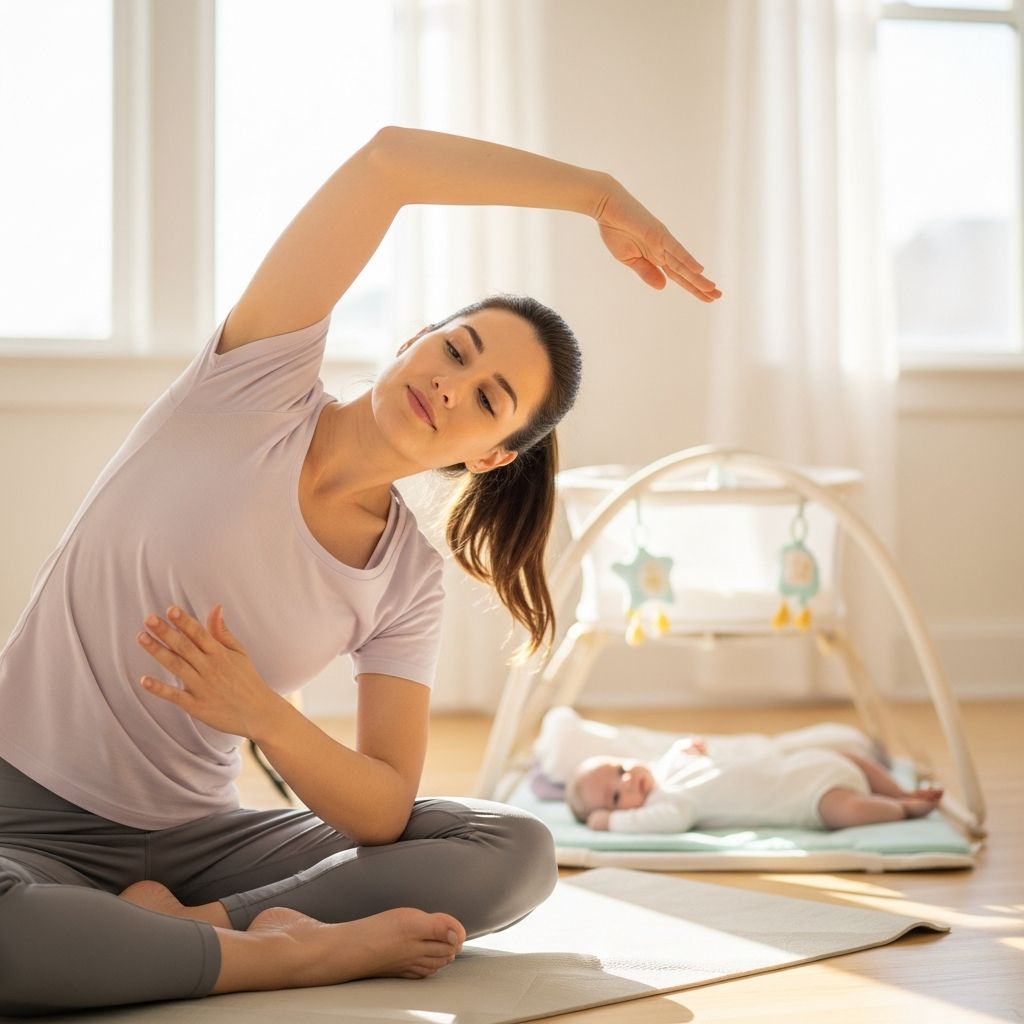
Recovering from childbirth requires patience and a thoughtful approach to physical activity. Rather than rushing into intense workouts, new mothers benefit from gradual, body-aware movements that support healing while building endurance. This guide outlines safe strategies, timelines, and exercises drawn from medical experts to help you regain vitality without strain.
Understanding Your Body’s Healing Timeline
The postpartum period spans several weeks, with recovery varying by delivery type. For vaginal births without complications, gentle activity can begin soon after delivery, focusing on rest in the first days. Cesarean deliveries demand more caution, typically delaying structured exercise for 4-6 weeks or until cleared by a physician. Key milestones include weeks 1-2 for basic mobility, weeks 3-6 for core reconnection, and beyond week 6 for progressive strengthening.
During the initial 72 hours, prioritize rest as cortisol levels peak, minimizing activity to aid hormonal balance. By week 2, introduce tolerated walking and light stretches. Medical clearance at the 6-week checkup is crucial before advancing to impact activities. Always monitor for symptoms like pelvic pain, leakage, or heaviness, pausing if they arise.
Benefits of Mindful Postpartum Movement
Incorporating safe exercises yields multiple advantages. Regular activity tones stretched abdominal muscles, aids weight management, and enhances sleep quality. It boosts energy, reduces stress, and lowers postpartum depression risk by elevating mood through endorphins. For babies, active moms model healthy habits early on.
- Physical gains: Stronger core and pelvic floor prevent leakage and support organ positioning.
- Mental health: Eases depression symptoms and improves emotional resilience.
- Practical perks: Better circulation combats constipation and fatigue.
Delivery-Specific Recovery Guidelines
| Delivery Type | Weeks 0-2 | Weeks 3-6 | Weeks 7-12 |
|---|---|---|---|
| Vaginal (Uncomplicated) | Rest, short walks, pelvic floor basics | Build walking duration, gentle strength, transversus abdominis work | Integrate power training, light impact if cleared |
| Cesarean | Minimal lifting, house strolls only | Walking <30 min, postural exercises, no core crunches | Strength progression post-clearance, monitor incision |
These timelines emphasize listening to your body. Consult providers for personalized plans, especially with complications like tears or diastasis recti.
Essential First Steps: Breathing and Pelvic Floor Foundations
Begin with diaphragmatic breathing to restore mobility and pelvic floor connection. Inhale deeply into the belly, exhale fully to engage the core gently. Progress to pelvic tilts: lying supine, rock pelvis anteriorly and posteriorly 10 times.
Pelvic floor exercises (Kegels) start with short holds: contract for 5 seconds, relax fully, repeating 10 times. Advance to 10-second holds by weeks 5-6, integrating with hip movements. Defer if painful; seek pelvic physiotherapy for assessment.
Building Mobility: Weeks 1-4 Exercises
Focus on low-impact options to enhance circulation and posture.
- Daily Walks: Start indoors, progress to 20-30 minutes outdoors with stroller. Maintain conversational pace.
- Thoracic Mobility: Side-lying open-book stretches: hug a pillow, rotate upper body gently, 8-10 reps per side.
- Quadruped Holds: On hands and knees, draw navel to spine while breathing steadily, hold 10 seconds x 8.
- Gentle Yoga: Prenatal/postnatal flows emphasizing child’s pose and cat-cow for spinal health.
Avoid vacuuming, driving (3-6 weeks), or bathing until wounds heal. Upper body work is unlimited if bodyweight only post-C-section.
Progressive Strengthening: Weeks 5-12 and Beyond
Once breathing and basics are solid, layer in functional moves. Coordinate transversus abdominis activation across positions: supine, quadruped, standing.
- Lower Body: Bodyweight squats, lunges, single-leg calf raises (8-12 reps).
- Upper Body: Wall push-ups, single-arm rows with light weights.
- Core Integration: Seated marches, bird-dog reaches for stability.
By weeks 7-12, add endurance: 30-minute walks, step-ups, mountain climbers modified to table height. Delay running 6-12 weeks if pelvic symptoms persist. Join mommy-and-me classes for support and modifications.
Warning Signs: When to Pause or Seek Help
Stop immediately if experiencing pain, bleeding, dizziness, or worsening incontinence. Heaviness in pelvis signals overexertion. Track symptoms during/after activity; regression means scale back. Routine checkups with OB-GYN and pelvic specialists ensure safe progression.
Nutrition and Lifestyle Synergy for Recovery
Pair movement with hydration (aim for 3 liters daily), protein-rich meals, and sleep when possible. Perineal care includes ice packs, warm water sprays, and padded seating. These amplify exercise benefits, speeding tissue repair.
Frequently Asked Questions
Can I exercise right after a vaginal birth?
Yes, gentle walks and pelvic floor work can start immediately if uncomplicated, but rest dominates the first days.
How soon after C-section can I walk?
Short house strolls from day one aid circulation; no heavy lifting first few weeks.
What if I feel pelvic leakage during exercise?
Pause high-impact; consult a pelvic floor therapist for tailored rehab, delaying running up to 12 weeks.
Are group classes safe postpartum?
Postpartum-specific classes are ideal, offering modifications and community from week 6 post-clearance.
Does exercise help with baby blues?
Yes, it boosts mood, energy, and sleep, potentially reducing depression symptoms.
Long-Term Strategies for Sustained Wellness
Beyond initial recovery, aim for 150 minutes weekly moderate activity. Vary routines: yoga, Pilates, dance for engagement. Track progress in a journal, celebrating small wins like longer walks or stronger holds. Partner with healthcare teams for ongoing support, ensuring fitness enhances motherhood without exhaustion.
Empowerment comes from informed, gradual steps. By honoring your body’s pace, you’ll cultivate lasting strength and joy in this transformative phase.
References
- Postpartum Recovery — American Pregnancy Association. 2023. https://americanpregnancy.org/healthy-pregnancy/first-year-of-life/postpartum-recovery/
- Exercise After Pregnancy: When to Start and What to Do — UNM Health. 2021-02. https://unmhealth.org/stories/2021/02/exercise-after-pregnancy.html
- Maximizing Recovery in the Postpartum Period: A Timeline for Rehabilitation from Pregnancy through Return to Sport — PMC (PubMed Central). 2022. https://pmc.ncbi.nlm.nih.gov/articles/PMC9528725/
- Exercise After Pregnancy — American College of Obstetricians and Gynecologists (ACOG). 2023. https://www.acog.org/womens-health/faqs/exercise-after-pregnancy
- Postpartum care: What to expect after a vaginal birth — Mayo Clinic. 2023. https://www.mayoclinic.org/healthy-lifestyle/labor-and-delivery/in-depth/postpartum-care/art-20047233