Rebuilding Your Body After Childbirth: A Comprehensive Approach to Postpartum Movement
The weeks and months following childbirth represent a critical window for physical recovery and rehabilitation. During this transformative period, your body undergoes significant healing as it adapts to the dramatic physiological changes of pregnancy and delivery. Understanding how to safely reintegrate movement into your daily routine can accelerate recovery, prevent complications, and establish a foundation for long-term health and vitality. This guide provides evidence-based information about postpartum exercise, helping you make informed decisions about your fitness journey during this important life transition.
Understanding the Postpartum Recovery Timeline
The timeline for returning to exercise after childbirth varies significantly based on the type of delivery you experienced and any complications that may have occurred. Rather than following a one-size-fits-all approach, medical professionals recommend tailoring your activity level to your individual circumstances and healing progress.
If you experienced an uncomplicated vaginal delivery without significant tearing, your body may be ready for gentle movement within days of giving birth. Many women find that light activity, such as short walks around the house or yard, feels manageable almost immediately. Your healthcare provider may give you permission to begin modified exercises shortly after birth if you feel physically and emotionally ready.
When vaginal delivery involved complications such as perineal tearing or episiotomy repair, the healing timeline extends considerably. Depending on the extent of tissue damage, recovery may take two to four weeks or longer before resuming exercise beyond walking and gentle upper body movements.
If you had a cesarean delivery, remember that you underwent major abdominal surgery. Your incision requires substantial healing time—typically at least six weeks—before your body can safely tolerate more demanding physical activity. Walking during this period remains beneficial and supports the overall healing process without placing excessive strain on your surgical incision.
The Multifaceted Benefits of Postpartum Physical Activity
Scientific research consistently demonstrates that regular movement during the postpartum period delivers far more than simple weight loss. Exercise during recovery offers comprehensive health advantages that touch nearly every aspect of maternal well-being.
Physical health improvements represent one category of benefits. Regular activity strengthens abdominal muscles that became stretched and weakened during pregnancy, helping restore core stability and reducing the risk of chronic back pain. Exercise enhances cardiovascular fitness, which many new mothers find helps them manage the physical demands of infant care. Additionally, targeted pelvic floor exercises prevent and reduce bladder leakage, a common postpartum concern that affects quality of life.
Weight management becomes significantly easier with consistent physical activity. When combined with mindful nutrition choices, exercise helps you lose the weight gained during pregnancy and prevents additional weight retention that can persist if activity levels remain low. Research indicates that exercise and dietary modifications work synergistically, making the combination more effective than either approach alone.
Mental health and emotional resilience receive substantial boosts from postpartum exercise. Women who engaged in regular physical activity during the first three months after giving birth showed significantly reduced risk of developing postpartum depression. For women already experiencing postpartum depression or anxiety, exercise helps decrease symptom severity, with aerobic activities, strength training, and even simple walking providing noticeable mood improvements. Beyond depression prevention, regular movement relieves stress, promotes better sleep quality, and enhances overall emotional well-being during a period of substantial adjustment.
Long-term disease prevention represents another crucial benefit. Women who maintain regular physical activity reduce their risk of developing type 2 diabetes, hypertension, colon cancer, and osteoporosis fractures. Improved bone mineralization through weight-bearing exercise protects skeletal health, particularly important given that lactation can temporarily affect bone density.
Addressing the Fatigue Challenge
One significant barrier to postpartum exercise involves the overwhelming fatigue that characterizes the early postpartum period. Research from the United States shows that between 44 to 95 percent of new mothers experience postpartum fatigue, which typically peaks within the first 36 hours after birth and gradually improves over subsequent weeks.
Rather than viewing fatigue as a reason to avoid all activity, understand that gentle, appropriately-timed movement can actually help combat exhaustion. Light exercise boosts energy levels without demanding the intense effort required by pre-pregnancy fitness routines. Starting with brief walks or gentle stretching—perhaps just 10 to 15 minutes—allows you to experience movement benefits without overtaxing an already-depleted system. As sleep patterns improve and fatigue gradually diminishes, you can gradually increase duration and intensity.
Exercise Recommendations From Leading Health Organizations
Major medical organizations have established evidence-based guidelines for postpartum exercise. The American College of Obstetricians and Gynecologists recommends that postpartum women engage in moderate-impact regular exercise performed three times weekly for at least 20 to 30 minutes, with gradual progression over time.
The U.S. Department of Health and Human Services suggests aiming for at least 150 minutes weekly of moderate-intensity aerobic activity for most healthy women, preferably distributed throughout the week. This target may seem ambitious initially, but it becomes achievable through shorter sessions accumulated across multiple days. For example, three sessions of 50 minutes, five sessions of 30 minutes, or ten sessions of 15 minutes all meet this weekly goal.
The World Health Organization similarly endorses regular physical activity as a fundamental component of postpartum care. These organizational recommendations share a common theme: consistency matters more than intensity, and gradual progression prevents injury and burnout.
Structuring Your Postpartum Exercise Program
Starting Slowly and Building Gradually
The hormonal changes that loosened your joints and ligaments during pregnancy persist for several months after birth, increasing vulnerability to injury. This physiological reality requires that you prioritize patience and gradual progression over aggressive intensity.
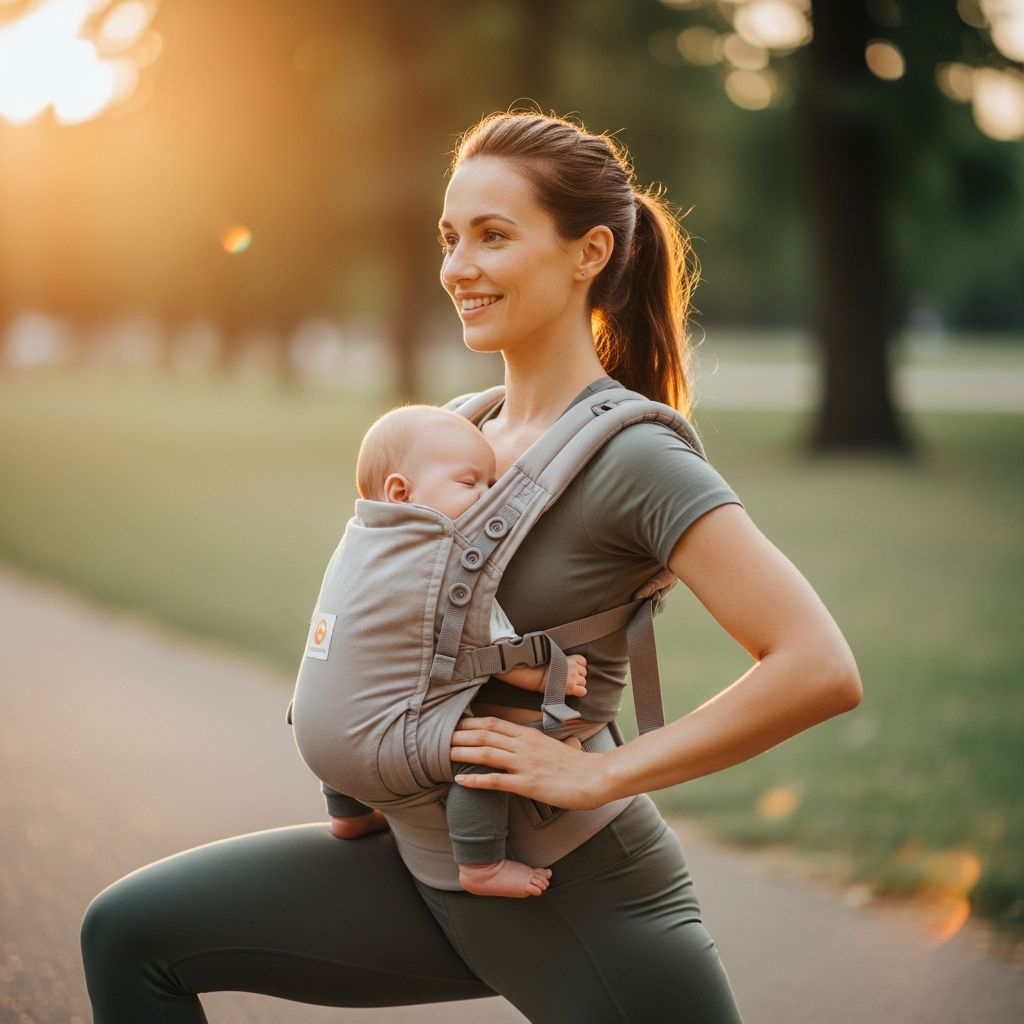
Begin with activities requiring minimal joint stress and impact. Walking remains one of the safest and most accessible options for all postpartum women, regardless of delivery method. Start with shorter distances and slower paces, gradually extending both as your fitness improves. Upper body exercises pose minimal risk to healing lower body tissues and abdominal muscles, making them safe to begin relatively early in recovery.
As weeks progress and healing advances, introduce more challenging movements. Core strengthening becomes increasingly important as your abdominal muscles gradually recover from pregnancy-related stretching. Pelvic floor exercises deserve particular attention, as these muscles support bladder control, bowel function, and sexual health. Kegel exercises, breathing techniques, and specialized pelvic floor work produce measurable improvements in muscle tone and function.
Selecting Appropriate Exercise Types
Different exercise categories offer distinct benefits and suit different recovery phases:
- Aerobic activities such as walking, cycling, and jogging increase heart rate and promote endorphin release, improving mood and cardiovascular health. These activities also support weight loss and energy restoration. Begin with low-impact options like walking before progressing to higher-impact activities if desired.
- Strength training rebuilds muscle mass, improves posture, and supports bone health. Starting with bodyweight exercises or resistance bands before adding weights allows your body to adapt gradually.
- Core and pelvic floor exercises specifically target areas most affected by pregnancy and delivery, addressing abdominal separation and bladder control issues.
- Flexibility and balance work through gentle stretching or yoga improves mobility and reduces injury risk, particularly valuable given the lingering effects of pregnancy hormones on connective tissues.
Critical Safety Considerations and Warning Signs
While postpartum exercise offers tremendous benefits, certain warning signs indicate you should stop activity immediately and contact your healthcare provider. Pay careful attention to your body’s signals throughout your recovery journey.
Stop exercising and seek medical guidance if you experience abdominal or vaginal pain, increased bleeding, or fluid leakage during or after activity. These symptoms may indicate that your body requires more healing time or that a complication needs professional attention. Dizziness, extreme shortness of breath, or chest pain warrant immediate medical evaluation.
Before beginning any postpartum exercise program, especially if you experienced a complicated delivery, cesarean section, or have underlying health conditions, obtain clearance from your healthcare provider. This professional guidance ensures your specific situation receives proper consideration, and you receive personalized recommendations suited to your recovery status.
Practical Strategies for Success
Timing and Frequency
Many new mothers find that exercising when their infant sleeps creates manageable opportunities for movement without requiring childcare arrangements. Even brief 15-minute sessions provide measurable benefits, and multiple short sessions distributed throughout the week often prove more sustainable than attempting longer, infrequent workouts.
Consistency trumps intensity during postpartum recovery. Three weekly sessions of moderate activity produce better results and create fewer injury risks than sporadic intense workouts.
Practical Considerations
If you are breastfeeding, wear nursing pads to manage potential leakage during exercise, and choose a supportive sports bra to protect breast tissue and enhance comfort. Stay well-hydrated throughout and after activity, particularly important if you are nursing, as dehydration affects milk supply.
Allow time for adequate warm-up before increasing intensity, and include cool-down periods afterward. This approach protects joints and muscles while signaling to your body that exercise has concluded, facilitating the return to rest and recovery.
Addressing Common Postpartum Exercise Barriers
Research on postpartum women’s exercise reveals several common obstacles that impede participation in physical activity. Understanding these barriers allows you to develop strategies to overcome them.
Time scarcity represents perhaps the most frequently cited barrier. With newborn care demands consuming most waking hours, finding 30 minutes for exercise seems impossible. The solution involves embracing shorter sessions: three 10-minute walks distributed throughout the day provide the same benefit as one 30-minute session.
Exhaustion and overwhelming emotional demands of early motherhood can reduce motivation. Recognizing that even gentle movement improves energy and mood over time helps reframe exercise as health maintenance rather than another demanding obligation.
Physical concerns such as pelvic pain, bladder leakage, or breast tenderness discourage activity. These issues typically improve significantly with targeted exercise, but professional guidance helps address them more effectively.
Lack of knowledge about safe postpartum exercise limits participation, particularly in communities where health education resources are limited. Consulting healthcare providers, reading evidence-based resources, or working with postpartum fitness specialists bridges this knowledge gap.
The Broader Impact: Setting an Example for Your Children
Beyond immediate postpartum recovery, your exercise habits during this period carry long-term significance. Children who grow up observing parents engaging in regular physical activity internalize messages about health’s importance and develop positive attitudes toward fitness. By prioritizing movement during your postpartum recovery, you invest not only in your own well-being but also in establishing patterns that benefit your family’s health trajectory.
Frequently Asked Questions
Q: Can I exercise immediately after giving birth?
A: The timing depends on your delivery type and any complications. After uncomplicated vaginal delivery, light activity like walking may begin within days. After cesarean delivery, wait at least six weeks before resuming exercise beyond walking.
Q: What if I experience pain during exercise?
A: Stop immediately and contact your healthcare provider. Pain signals that your body requires more healing time or that an issue needs professional attention.
Q: How much exercise do I need to see mental health benefits?
A: Research suggests that approximately 150 minutes of moderate exercise weekly significantly reduces postpartum depression risk. However, even modest regular activity produces noticeable improvements.
Q: Can I exercise while breastfeeding?
A: Yes, exercise is safe while breastfeeding. Wear supportive bras and nursing pads, maintain hydration, and stop if you experience pain.
Q: What exercises are safest early in postpartum recovery?
A: Walking, upper body exercises, gentle stretching, and pelvic floor exercises pose minimal risk early in recovery and can be performed within days of delivery depending on your delivery type.
References
- Assessment of post-partum physical exercise practice and its clinical significance — National Center for Biotechnology Information (NCBI). 2024-12-15. https://pmc.ncbi.nlm.nih.gov/articles/PMC11798929/
- Exercise After Pregnancy: When to Start and What to Do — University of New Mexico Health. 2021-02-01. https://unmhealth.org/stories/2021/02/exercise-after-pregnancy.html
- Exercise after pregnancy: How to get started — Mayo Clinic. 2024-01-01. https://www.mayoclinic.org/healthy-lifestyle/labor-and-delivery/in-depth/exercise-after-pregnancy/art-20044596
- Exercise in the Postpartum Helps Reduce Postpartum Anxiety and Depression — El Camino Women’s Medical Group. 2024-06-01. https://elcaminowomen.com/blog/pregnancy/exercise-in-the-postpartum-helps-reduce-postpartum-anxiety-and-depression.html
- Physical Activity Beliefs, Barriers, and Enablers among Postpartum Women — National Center for Biotechnology Information (NCBI). 2010-01-01. https://pmc.ncbi.nlm.nih.gov/articles/PMC2828187/
- Physical Activity and Exercise During Pregnancy and the Postpartum Period — American College of Obstetricians and Gynecologists (ACOG). 2020-04-01. https://www.acog.org/clinical/clinical-guidance/committee-opinion/articles/2020/04/physical-activity-and-exercise-during-pregnancy-and-the-postpartum-period