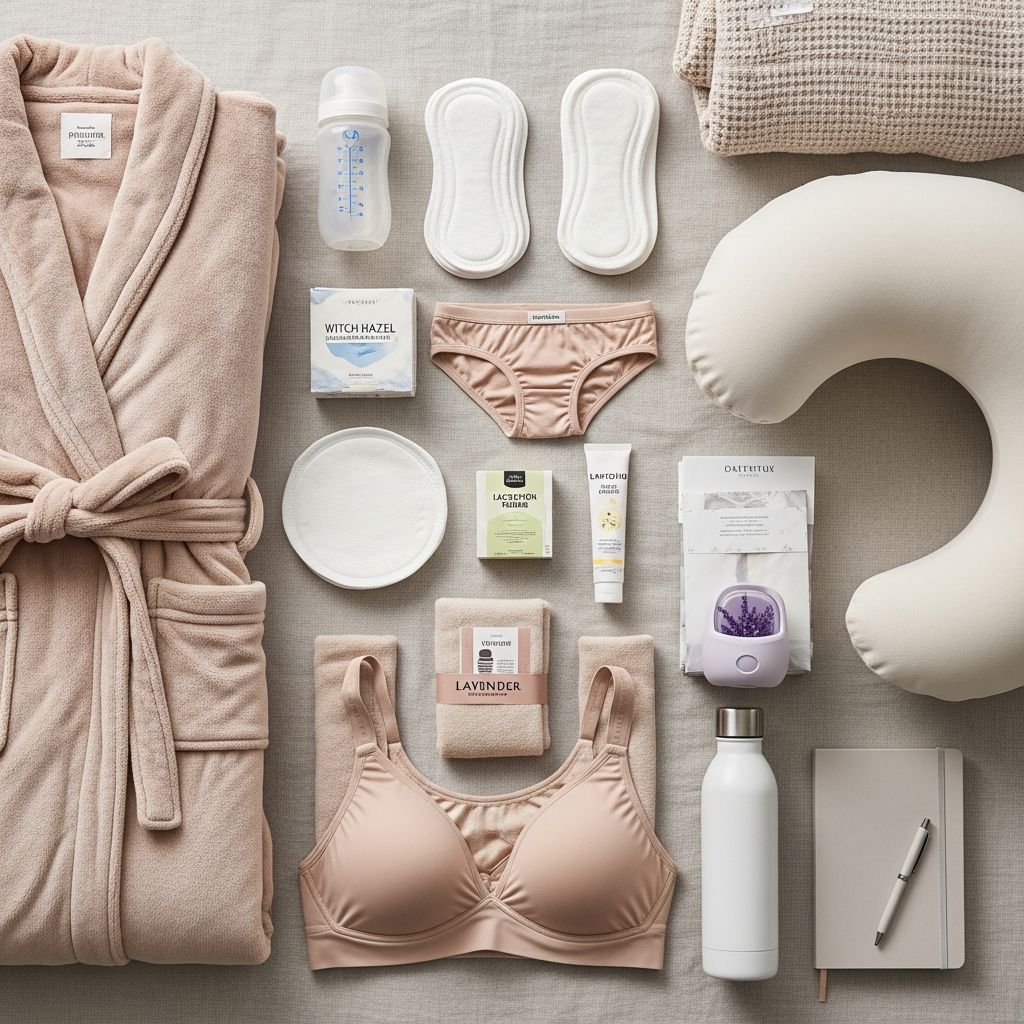
Life with a newborn is intense, beautiful, and often overwhelming. Planning for your own recovery is just as important as preparing for the baby, and having the right postpartum products ready can make those first weeks after birth more comfortable and less stressful.
This guide walks through the key categories of postpartum essentials for moms, why each item matters, and how to decide what belongs in your home recovery kit.
Why Postpartum Supplies Matter
The postpartum period (often called the “fourth trimester”) is a time of major physical healing and emotional adjustment. Vaginal birth, cesarean birth, or any combination of interventions can leave your body sore, swollen, and exhausted.
Having thoughtfully chosen supplies on hand can help you manage pain, bleeding, breastfeeding challenges, sleep deprivation, and basic personal care without panicked late-night store runs.
- Reduces stress by keeping essentials within reach.
- Supports faster, more comfortable healing.
- Makes it easier for partners and support people to help you.
Perineal and Vaginal Care Essentials
For anyone who has a vaginal birth, the perineal area usually needs special care after stretching, tearing, or episiotomy. Even without tears, swelling and soreness are extremely common.
Peri Bottle
A peri bottle is a small squeeze bottle you fill with warm water to gently rinse your vulva and perineum after using the toilet. It helps keep the area clean without the irritation of wiping with toilet paper.
- Look for an angled nozzle so you can reach comfortably while sitting.
- Fill with warm (not hot) water for extra comfort.
- Pat dry gently or use a cool hairdryer on low setting if wiping is painful.
Postpartum Pads and Disposable Underwear
Postpartum bleeding (lochia) can be heavy for the first several days and then gradually taper off. Regular menstrual pads are often not absorbent or long enough for the early days.
- Overnight or postpartum-specific pads help manage heavier flow and clots.
- Disposable mesh underwear or adult-style briefs can simplify clean-up and protect bedding.
- Dark-colored cotton underwear is helpful once the flow becomes lighter.
Cooling Pads, Witch Hazel, and Numbing Sprays
Cooling and anti-inflammatory products can be a lifesaver for sore, swollen tissue or stitches.
- Witch hazel pads or liners provide gentle soothing and may reduce swelling.
- Reusable gel packs or instant cold packs fit into underwear to offer cool relief.
- Numbing sprays designed for postpartum use can ease stinging and burning when approved by your healthcare provider.
Sitz Bath Supplies
A sitz bath allows you to soak your perineal area in warm water for extra relief and hygiene.
- Use a bathtub or a small basin that fits over the toilet.
- Plain warm water is usually enough; only add herbs or salts if your provider approves.
- Short, frequent soaks (10–15 minutes) often feel better than long sessions.
Cesarean Recovery Helpers
If you give birth via cesarean, your postpartum needs include incision care and extra abdominal support. Gentle movement, rest, and pain management become the main priorities.
Abdominal Binder or Supportive Wrap
An abdominal binder or soft support wrap can help you feel more stable as you stand, move, and care for the baby. It should provide light compression without placing direct pressure on the incision.
- Choose breathable fabrics to reduce sweating and irritation.
- Wear over high-waisted underwear to avoid rubbing the incision.
- Ask your provider how long and how often you should use it.
High-Waisted Underwear and Loose Clothing
Anything that digs into or rubs against the incision line can become painful quickly.
- High-rise cotton underwear that sits well above the incision protects healing skin.
- Loose dresses, soft joggers, and roomy tops are more comfortable than tight waistbands.
- Look for breathable materials to keep the incision area cool and dry.
Bathroom and Digestive Comfort
Postpartum constipation, hemorrhoids, and general bathroom discomfort are common after both vaginal and cesarean births. Medications, hormonal shifts, and reduced mobility can all contribute.
Stool Softeners (When Recommended)
Many people are anxious about their first bowel movement after birth, especially if they have stitches or hemorrhoids. A stool softener recommended by your provider can make things easier and less painful.
- Always check with your healthcare provider before taking any medication or supplement.
- Drink plenty of water throughout the day to support digestion.
- Gentle walking can also help get things moving again.
Hemorrhoid Creams and Cushions
Pregnancy and pushing can lead to hemorrhoids, which may cause pain, itchiness, and bleeding.
- Over-the-counter creams or ointments can relieve discomfort when cleared by your provider.
- Donut cushions or soft seat pads reduce pressure while you sit or nurse.
- Cool compresses or witch hazel pads can be soothing between applications of cream.
Breastfeeding and Chestfeeding Supplies
If you plan to breastfeed or chestfeed, having a small toolkit of comfort and convenience items can make the learning curve less overwhelming. Even if you plan to formula-feed, some of these items may be helpful while your milk comes in and your body adjusts.
Nursing Bras and Tops
Soft, supportive nursing bras allow quick access for feeding or pumping while keeping you comfortable all day and night.
- Look for stretchy, wire-free designs that accommodate size changes.
- Clip-down or pull-aside styles are popular for nighttime ease.
- Consider at least two or three bras so you have a clean one when leaks happen.
Nursing Pads
Leaking milk is very common when your supply establishes or when your baby is feeding on one side. Nursing pads protect your clothing and reduce the need for frequent outfit changes.
- Disposable pads are convenient when you are too tired for extra laundry.
- Reusable cloth pads are cost-effective and more eco-friendly over time.
- Change pads frequently to keep nipples dry and reduce irritation.
Nipple Creams and Cooling Pads
Early breastfeeding can cause soreness, especially while you and your baby learn to latch effectively. A gentle nipple balm and cooling pads can help soothe tender skin.
- Choose products that are safe to leave on between feeds as directed.
- Apply a small amount after nursing sessions to help maintain moisture.
- Use cooling gel pads as short-term relief; avoid freezing them solid unless the product instructions permit it.
Nursing Pillow or Extra-Firm Regular Pillow
A good feeding position protects your back, shoulders, and healing abdomen. A supportive pillow helps bring baby up to breast height rather than forcing you to lean forward.
- Test different positions (side-lying, cradle, football hold) to see what works best.
- If you had a cesarean, choose positions that keep pressure away from the incision.
- Even a stack of firm regular pillows can work if you do not have a specialized nursing pillow.
Comfortable Clothing and Sleep Essentials
Postpartum bodies are tender, swollen, and in constant motion meeting a newborn’s needs. Clothing and sleep accessories that prioritize softness, stretch, and easy access can make a big difference.
Loose, Breathable Loungewear
Think of your postpartum wardrobe as a combination of pajamas and soft daywear. You need pieces that you can nap in, nurse in, and answer the door in.
- Button-front shirts or wrap tops allow for discreet feeding without lifting fabric over your head.
- Soft leggings, joggers, or maternity pants with a comfortable waistband are ideal.
- Robe-style layers make it easier to manage temperature changes and nighttime feeds.
Absorbent Bed Protection
Postpartum nights often involve sweating, bleeding, leaking milk, or all of the above. Protecting your mattress and pillows can save time and stress.
- Waterproof mattress protectors or disposable bed pads catch leaks and stains.
- Keeping an extra set of sheets ready makes middle-of-the-night changes faster.
- Placing a towel under you during the early days can offer extra peace of mind.
Pain Relief and General Self-Care
Even straightforward births are physically demanding, and many people experience cramping, back pain, and muscle soreness for days or weeks afterward. Simple comfort measures support healing and emotional well-being.
Heat and Cold Therapy
Flexible hot/cold packs can be used on your lower back, abdomen, shoulders, or other sore areas. Heat can relax tight muscles, while cold can reduce swelling.
- Use thin cloth layers between the pack and your skin.
- Limit use according to the package instructions to avoid burns or irritation.
- Consider separate packs for perineal care and general body aches.
Hydration and Easy Snacks
Recovery and milk production both require a lot of energy and fluid. Keeping water and nourishing snacks nearby reduces the likelihood of skipping meals or becoming dehydrated.
- Large water bottles with straws are easier to use one-handed while feeding.
- Choose snacks that require little or no prep, like nuts, yogurt, or granola bars.
- Ask visitors to bring food instead of gifts when possible.
Simple Postpartum Essentials Comparison
The table below groups popular postpartum products by their main purpose to help you prioritize purchases based on your own birth plan and budget.
| Category | Key Products | Main Benefit | Nice-to-Have or Essential? |
|---|---|---|---|
| Perineal care | Peri bottle, pads, witch hazel, cooling packs | Reduces soreness, keeps area clean, supports healing | Essential after vaginal birth |
| Bleeding management | Postpartum pads, disposable underwear, bed pads | Protects clothing and bedding from lochia | Essential for all births |
| Feeding support | Nursing bras, pads, nipple cream, nursing pillow | Improves comfort during breastfeeding or pumping | Essential if breastfeeding |
| Cesarean recovery | Abdominal binder, high-waisted underwear, loose clothing | Protects incision, offers support, increases comfort | Highly recommended after cesarean |
| Bathroom comfort | Stool softeners (if approved), hemorrhoid cream, cushions | Reduces pain and anxiety around bowel movements | Helpful for many, especially with tears or hemorrhoids |
| Self-care & rest | Heat/cold packs, snacks, water bottle, cozy loungewear | Supports overall comfort and recovery | Helpful for all new parents |
Building Your Personalized Postpartum Kit
No two postpartum experiences are identical, so your ideal kit should reflect your birth plan, health history, and personal priorities. Start with true basics, then add specialty items as your budget and space allow.
- Ask your provider what supplies the hospital or birth center usually sends home so you do not overbuy.
- Consider creating separate baskets or caddies: one for the bathroom, one near your bed, and one in your main feeding area.
- Check expiration dates on medications and dispose of anything you do not use according to local guidelines.
Frequently Asked Questions About Postpartum Products
How long will I use postpartum products?
Many people use heavy-duty pads, disposable underwear, and perineal care items for the first one to two weeks, then gradually transition to lighter pads and regular underwear as bleeding and soreness improve. Some breastfeeding and comfort products remain useful for months.
Can I wait to buy supplies until after the baby arrives?
It is possible, but not ideal. Stocking at least a small set of essentials before birth helps you avoid emergency runs when you are exhausted or uncomfortable. You can always add or adjust items later based on what your body actually needs.
Do I need different products for a home birth vs. hospital birth?
The core items are similar regardless of birth location, but hospitals and birth centers sometimes provide mesh underwear, basic pads, and peri bottles. If you are planning a home birth, ask your midwife what is supplied in your birth kit and what you should purchase yourself.
Are all postpartum recovery kits worth the price?
Pre-made kits can be convenient, but they may include items you will not use or prefer in different brands. Compare the contents with your provider’s recommendations and your own preferences; sometimes building your own kit from individual items is more cost-effective.
What if I end up needing a different type of support than I expected?
Postpartum recovery often takes unexpected turns. Keep your receipts when possible, and do not hesitate to ask your provider for updated product recommendations if your recovery involves complications, extra pain, or feeding challenges.
Final Thoughts on Preparing for Postpartum
Preparing for postpartum is an act of self-respect and care. Thoughtfully chosen products cannot remove every challenge, but they give you tools to stay more comfortable, feel more prepared, and focus your energy on bonding with your baby and healing your body.
Use this guide as a starting point, then adapt it to your own needs, medical advice, and living situation. Your comfort and recovery are worthy of as much planning as the nursery and baby registry.