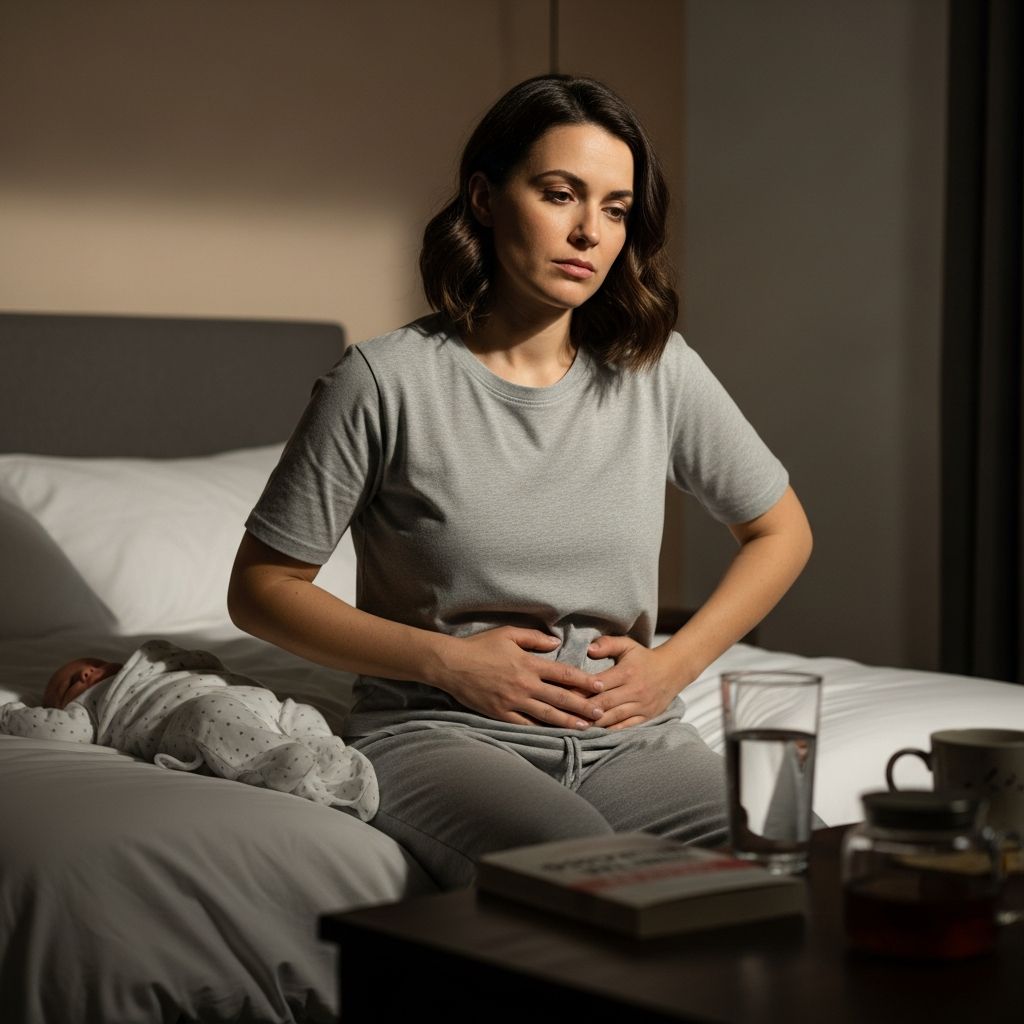
Understanding Postpartum Digestive Complications: A Missing Conversation
The weeks and months following childbirth bring significant physical changes to a woman’s body. While much attention is given to bleeding, healing incisions, and hormonal shifts, one aspect of postpartum recovery rarely receives adequate discussion: digestive health. Many new mothers experience uncomfortable and sometimes severe digestive complications after delivery, yet these issues remain largely unaddressed in mainstream postpartum education. This silence contributes to confusion, embarrassment, and unnecessary suffering during an already challenging recovery period.
Digestive difficulties after childbirth are not unusual or shameful—they are a predictable consequence of the dramatic changes pregnancy and delivery impose on a woman’s body. Understanding why these complications occur and learning effective management strategies can help new mothers navigate this aspect of recovery with greater confidence and comfort.
Why Postpartum Digestive Issues Develop
Multiple physiological factors contribute to digestive complications in the postpartum period. During pregnancy, hormonal changes, particularly elevated progesterone levels, slow intestinal motility and reduce the muscle contractions that move stool through the digestive tract. Even after delivery, these hormonal effects persist for several weeks, leaving the digestive system operating at reduced efficiency.
The physical trauma of childbirth itself plays a significant role. Vaginal delivery stretches and strains the pelvic floor muscles that are essential for normal bowel function and continence. These muscles may require weeks or months to regain full strength and coordination. Even cesarean delivery, though it avoids direct perineal trauma, disrupts the abdominal muscles and surrounding tissues, affecting overall digestive function.
Medications commonly used during and after delivery can also impair digestive health. Pain relief medications, particularly opioids, significantly slow intestinal movement and are well-known causes of postpartum digestive complications. Additionally, many new mothers take iron supplements to address pregnancy-related anemia, and iron is notorious for contributing to these issues. Dehydration, common in the postpartum period due to fluid loss during delivery and breastfeeding demands, further compounds digestive slowness.
Behavioral factors also matter. Pain from healing tissues, exhaustion from nighttime baby care, and the demands of early parenting reduce physical activity, and sedentary behavior slows digestive function. Fear of pain during bowel movements can create a cycle where women suppress the urge, allowing stool to remain in the colon longer and become harder.
Recognizing Severity and When to Seek Help
While most postpartum digestive complications resolve with conservative management, some situations require medical attention. New mothers should contact their healthcare provider if they experience:
- Absence of bowel movements by the third or fourth day after delivery
- Severe abdominal pain unrelated to normal postpartum cramping
- Persistent bloating that worsens despite home interventions
- Vomiting, particularly if accompanied by other symptoms
- Signs of internal complications such as rectal bleeding beyond mild spotting
- Symptoms that persist beyond two weeks despite aggressive home treatment
These warning signs may indicate complications such as bowel obstruction, severe dehydration, or pelvic floor dysfunction requiring professional assessment and specialized treatment.
Dietary Strategies for Relief and Prevention
Dietary modifications form the foundation of managing postpartum digestive complications. A strategic approach to nutrition can significantly improve outcomes without requiring medication in many cases.
Hydration: The Essential First Step
Adequate fluid intake is the most fundamental intervention. New mothers should consume at least eight to ten large glasses of water daily, with increased amounts if breastfeeding. Water intake should be distributed throughout the day rather than consumed in large quantities at once. In addition to plain water, other hydrating fluids support digestive health. Warm liquids consumed each morning stimulate digestive activity and are particularly effective when consumed before attempting bowel movements.
Foods with high water content also contribute to hydration goals. Watermelon, cucumbers, soups, and salads provide both fluids and nutrients. However, certain beverages should be limited: caffeinated drinks and salty foods act as diuretics, promoting fluid loss and potentially worsening digestive complications.
Fiber: Building Digestive Capacity
Increasing fiber intake improves stool consistency and promotes regular bowel movements. Soluble fibers, which dissolve in water, soften stool and include foods such as prunes, pears, apples, apricots, and peaches—all containing sorbitol, a natural laxative compound. Insoluble fibers, or bulk-forming options, add volume to stool and include bran, whole grains, legumes, and psyllium. These can be incorporated into smoothies, yogurt, or breakfast bowls for easy consumption during busy postpartum days.
A practical approach combines multiple fiber sources throughout the day rather than consuming large amounts at once, which can cause bloating. For breastfeeding mothers, gradual fiber increases prevent digestive upset while providing benefits to milk supply through improved hydration.
Natural Laxative Foods
Certain foods provide gentle natural laxative effects without requiring supplementation. Prunes are well-established remedies, containing compounds that promote bowel movements. Incorporating a small handful daily provides consistent relief. Other effective options include fresh fruit juices, especially prune juice, and seeds such as flax and chia, which can be added to various foods throughout the day.
Supplemental and Over-the-Counter Options
When dietary modifications alone prove insufficient, several safe options exist for postpartum use. Understanding different categories helps new mothers and their healthcare providers select appropriate interventions.
Stool Softeners and Gentle Laxatives
Stool softeners such as docusate work by drawing water into stool, making passage easier without forcing bowel movements. These are particularly useful for mothers taking pain medications or iron supplements. Fiber supplements like psyllium and methylcellulose provide bulk without the harshness of stimulant laxatives. Starting with small amounts prevents side effects like bloating or diarrhea, which can cause dehydration—counterproductive during recovery.
For more pronounced relief, gentle stimulant laxatives such as senna or bisacodyl can be used occasionally, though they should not become routine. These work by stimulating intestinal muscle contractions and are generally safe for postpartum use, including while breastfeeding, when directed by a healthcare provider.
Magnesium Supplementation
Magnesium citrate offers dual benefits: it increases water content in the intestinal tract to promote bowel movements while also relieving muscle cramps common in postpartum recovery. Available as powders for mixing with liquids or in gummy form, magnesium allows women to start with small amounts and adjust dosage based on response. This natural approach appeals to many mothers, particularly those breastfeeding, though healthcare provider guidance ensures appropriate dosing for individual circumstances.
Physical and Behavioral Interventions
Beyond diet and supplements, several physical strategies improve digestive function during recovery.
Movement and Exercise
Gentle physical activity stimulates intestinal contractions and supports overall digestive health. Walking, even around the house, provides benefits without straining healing tissues. Gentle restorative yoga, approved by healthcare providers, can aid both digestive function and pelvic floor recovery. Importantly, vigorous exercise or core strengthening should be delayed until the healthcare provider clears specific activities, typically four to six weeks postpartum.
Optimizing Bathroom Positioning
Body position during bowel movements affects ease of passage. Placing feet on a low footstool elevates the knees and shifts the pelvis into a more anatomically advantageous squatting position, making passage easier without excessive straining. This simple intervention requires no equipment beyond a small stool and can significantly reduce discomfort.
Establishing Routine
Creating a consistent time for bathroom visits, typically after warm liquids in the morning, trains the digestive system and encourages regular function. Responding promptly to the urge to have a bowel movement, rather than delaying due to discomfort or busy schedules, prevents stool from becoming harder and more difficult to pass.
Addressing Pain and Discomfort
Physical discomfort associated with bowel movements after childbirth deserves attention, as fear of pain can perpetuate constipation cycles.
Sitz Bath Therapy
Soaking the perineal area in warm water for ten to fifteen minutes relaxes muscles and reduces pain and tension. Adding herbs like calendula or witch hazel provides additional healing properties, while Epsom salt calms muscle soreness. A sitz bath before attempting bowel movements eases passage and promotes healing of delivery-related tissue trauma. For mothers without access to a full tub, a warm compress applied to the area achieves similar benefits.
Topical Comfort Measures
Various over-the-counter products provide comfort and support healing. Hemorrhoid creams and soothing salves can be applied proactively between bowel movements to prevent irritation, rather than only addressing pain after difficulties occur. Petroleum jelly provides lubrication, while suppositories containing vitamin E and oils promote healing and reduce swelling. The key to effectiveness is consistent preventive application rather than reactive treatment.
Pelvic Floor Physical Therapy
For mothers experiencing persistent digestive complications or ongoing discomfort, pelvic floor physical therapy offers specialized intervention. Because pelvic floor muscles play a central role in bowel function and continence, dysfunction from pregnancy and delivery can significantly impair digestive health.
Pelvic floor physical therapists provide comprehensive assessments of muscle function, education on proper bathroom posture and habits, relaxation techniques, abdominal massage instruction, customized exercise programs, and tailored dietary recommendations. This specialized approach addresses root causes rather than simply treating symptoms. For mothers struggling with constipation beyond two weeks or experiencing pain persisting months after delivery, pelvic floor therapy can be transformative.
Special Considerations for Breastfeeding Mothers
Mothers who breastfeed face increased hydration demands, as milk production requires significant fluid intake. The practical solution is to keep a large water bottle nearby during nursing sessions and intentionally drink more fluid during each feeding than is being transferred to the baby. This ensures adequate hydration for both mother and infant while supporting digestive health.
When considering supplements or medications, breastfeeding safety is paramount. Most gentle interventions discussed here are safe while nursing, but individual substances warrant discussion with healthcare providers familiar with lactation. Iron supplements, commonly recommended postpartum, deserve special attention if contributing to digestive complications, as alternative formulations or adjusted dosages may reduce side effects while maintaining benefits.
Prevention Strategies Before Delivery
New mothers can reduce postpartum digestive severity by preparing beforehand. Increasing fiber and fluid intake in the weeks before delivery establishes healthy digestive habits and prevents sudden dietary changes during vulnerable recovery. Having stool softeners on hand before delivery allows prompt intervention if needed, while light exercise during late pregnancy maintains intestinal fitness.
Medication Awareness
Discussing pain management options during labor with healthcare providers allows selection of medications with fewer digestive side effects when possible. Understanding that opioid pain relief may slow digestion helps mothers prepare with preventive fiber and fluid strategies.
The Emotional Dimension
Beyond physical management, acknowledging the emotional impact of postpartum digestive complications is important. Discomfort, pain, embarrassment, and uncertainty about what is “normal” contribute to stress that can worsen digestive function. Creating space for honest conversations with healthcare providers, partners, and trusted support people normalizes these experiences and reduces shame. Seeking help when struggling, whether from medical professionals or pelvic floor specialists, demonstrates self-care commitment essential to overall recovery.
Frequently Asked Questions
Q: How long does postpartum digestive difficulty typically last?
A: Most postpartum digestive complications resolve within one to two weeks with appropriate management. However, some mothers experience symptoms for several weeks, and those with pelvic floor dysfunction may require longer recovery. If difficulties persist beyond two weeks despite home interventions, medical evaluation is warranted.
Q: Is it safe to take laxatives while breastfeeding?
A: Most gentle laxatives and stool softeners are safe for breastfeeding mothers when used as directed. However, individual circumstances vary, so discussing specific medications with your healthcare provider or lactation consultant ensures safety for both mother and infant.
Q: Can I prevent postpartum digestive complications?
A: While some complications are inevitable after childbirth, severity can be reduced through pre-delivery preparation including increased fiber and fluid intake, maintaining light activity, and having stool softeners available. During recovery, continuing these strategies and seeking prompt help when difficulties arise minimize complications.
Q: Should I be concerned if I haven’t had a bowel movement three days after delivery?
A: Yes, contact your healthcare provider. While some delay is common, absence of bowel movement by the third or fourth day warrants professional evaluation to rule out complications and receive appropriate treatment recommendations.
Q: How does pelvic floor dysfunction relate to postpartum digestive issues?
A: Pelvic floor muscles control bowel function and continence. Pregnancy and delivery strain these muscles, potentially causing dysfunction that impairs normal digestion and elimination. Specialized physical therapy addressing pelvic floor strength and coordination can resolve persistent digestive complications.
References
- What to Know About Postpartum Constipation — WebMD. 2024. https://www.webmd.com/baby/what-to-know-about-postpartum-constipation
- Postpartum Constipation: Causes, Treatments, and More — Healthline. 2024. https://www.healthline.com/health/pregnancy/postpartum-constipation
- Postpartum Constipation: 8 Ways to Get Relief — The Origin Way. 2024. https://www.theoriginway.com/blog/postpartum-constipation
- Postpartum Care — UR Medicine, University of Rochester. 2024. https://www.urmc.rochester.edu/conditions-and-treatments/postpartum-care
- How To Relieve Postpartum Constipation: 7 Top Expert Tips — The Ribbon Box. 2024. https://theribbonbox.com/pregnancy/how-to-relieve-postpartum-constipation/
- Postpartum Constipation Is Very Common — Here’s How to Relieve It — It’s Bodily. 2024. https://itsbodily.com/blogs/birth-recovery-postpartum/postpartum-constipation-how-long-hydration
- Constipation Treatment in Breastfeeding Mothers — Breastfeeding Network. 2024. https://www.breastfeedingnetwork.org.uk/factsheet/constipation/