The arrival of a newborn is typically a time of joy, but for many first-time parents during the COVID-19 pandemic, it became a period marked by intense emotional turmoil. Research indicates that postpartum depression rates surged to one in three new mothers in early 2020, potentially tripling pre-pandemic levels of about one in eight. This article delves into the compounded effects of hormonal shifts, isolation, and global uncertainty on parental mental health, offering insights into symptoms, risk factors, and pathways to recovery.
Understanding the Surge in Postpartum Mental Health Issues
Before the pandemic, postpartum depression affected approximately 6.5-12.9% of new mothers in the U.S., with major depressive symptoms in 5-7%. However, studies from the University of Michigan revealed that among 670 postpartum individuals who gave birth between February and July 2020, 33% screened positive for depression and 20% for major symptoms—one in five even reported self-harm thoughts. This escalation was linked to pandemic-specific stressors like social distancing, hospital policy changes, and fears of infection.
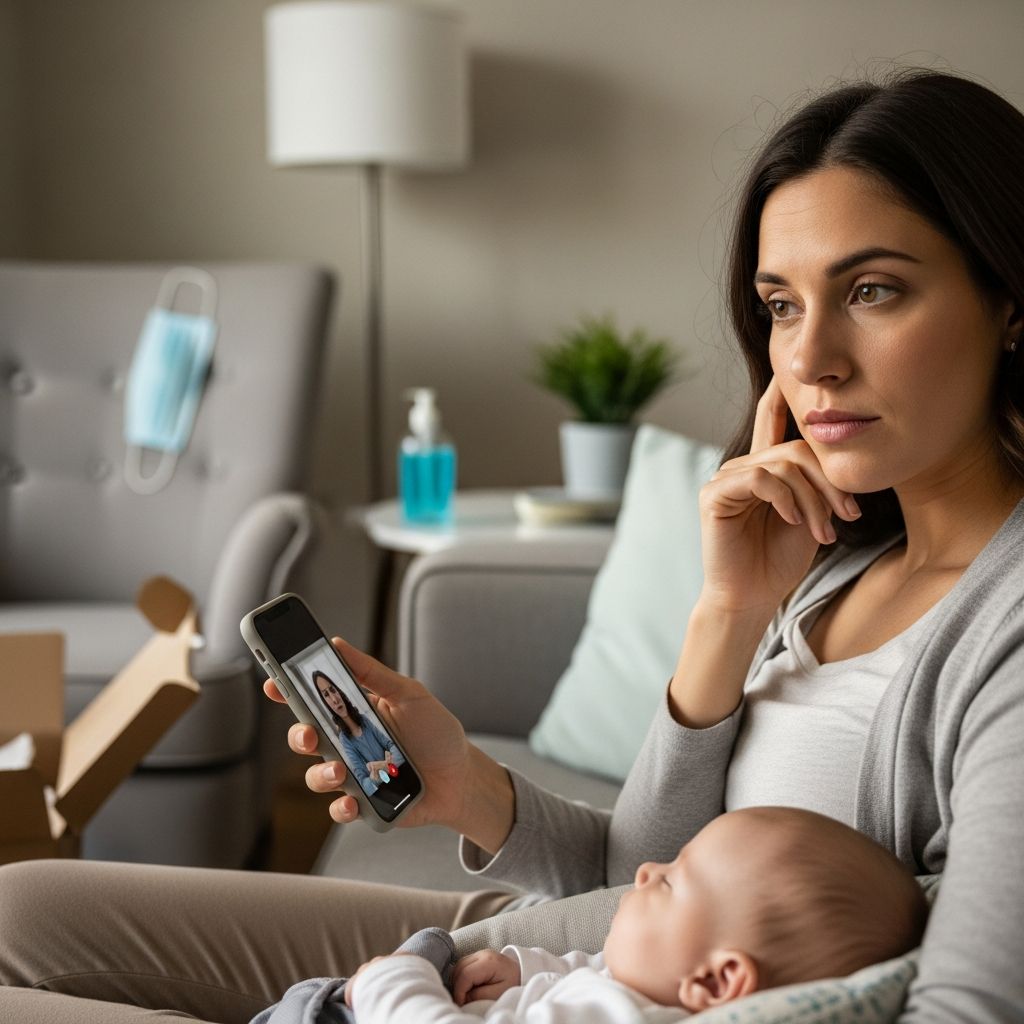
Social isolation stripped away traditional support networks, such as family gatherings and hands-on help from loved ones. Themes from qualitative analyses included heightened emotional distress, disrupted breastfeeding, and mourning the ‘ideal’ birth experience. Economic pressures and constant news cycles further amplified vulnerability, turning what should have been celebratory moments into lonely struggles.
Key Symptoms of Postpartum Depression and Anxiety
Postpartum depression manifests differently from the fleeting ‘baby blues,’ persisting beyond two weeks with symptoms like persistent sadness, hopelessness, irritability, fatigue, sleep disturbances, and difficulty bonding with the baby. During COVID-19, these were often conflated with pandemic-related stress, such as worry over family safety, making diagnosis trickier.
- Emotional signs: Overwhelming sadness, frequent crying, guilt, or worthlessness.
- Physical signs: Extreme exhaustion, appetite changes, or psychomotor agitation.
- Cognitive signs: Poor concentration, confusion, or intrusive fears about the baby’s health.
- Behavioral signs: Withdrawal from activities, over-concern or disinterest in the infant.
Anxiety added layers of panic, restlessness, and hypervigilance, especially around COVID-19 infection risks. One study found that worry about contracting the virus doubled the odds of screening positive for depression.
The Rise of Postpartum Rage: An Overlooked Emotion
Beyond sadness and worry, many new parents grappled with **postpartum rage**—intense anger, frustration, or explosive temper. Unlike depression’s tearfulness or anxiety’s worry, rage centers on irritability and urges to scream or lash out. Hormonal crashes in estrogen and progesterone post-delivery play a key role, alongside sleep deprivation and the relentless demands of newborn care.
This rage often coexists with depression or anxiety, creating a volatile mix. Causes include:
| Factor | Description | Pandemic Amplification |
|---|---|---|
| Hormonal Changes | Sudden drops in key hormones disrupt mood regulation. | Heightened by stress-induced cortisol spikes. |
| Sleep Disruption | Fragmented rest impairs emotional control. | No partner or family relief due to lockdowns. |
| Lifestyle Shifts | Loss of identity and autonomy. | Isolation prevented normal adjustment periods. |
| History of Mood Disorders | Pre-existing anxiety or depression. | Exacerbated by global uncertainty. |
In the pandemic context, rage flared from unmet expectations—like solo hospital stays or canceled baby showers—fueling resentment toward partners or circumstances.
Risk Factors Amplified by the Pandemic
Several elements spiked depression odds during early COVID-19:
- Feeding Choices: Formula feeding correlated with higher risks, possibly due to breastfeeding guilt amid virtual support classes.
- NICU Stays: Infants in neonatal care increased parental stress.
- Time Postpartum: Each additional week raised depression odds by 4%.
- Infection Fears: COVID-19 worry significantly elevated symptoms.
- Altered Birth Plans: Sudden policy shifts led to out-of-hospital births or inductions, causing distress.
Paradoxically, some found silver linings: fewer visitors allowed bonding time, reducing overwhelm.
Personal Stories: Echoes from the Frontlines
Consider the experiences of first-time parents like those shared in personal accounts. One new mother, navigating motherhood amid lockdowns, described waves of rage triggered by sleepless nights and absent grandparents. ‘I felt trapped, angry at the world for stealing my support bubble,’ she reflected, highlighting how isolation intensified every meltdown. These narratives underscore that emotional outbursts were not personal failings but responses to unprecedented pressure.
Another common thread: the guilt of not feeling joyful. Pandemic births often meant masked labors, no doulas, and discharge to empty homes, breeding resentment that simmered into rage.
Strategies for Coping and Recovery
Recovery begins with recognition. Clinicians recommend screening at postpartum visits, distinguishing pandemic stress from clinical issues by persistence and intensity. Effective interventions include:
- Professional Help: Therapy like CBT or medication for severe cases.
- Peer Support: Virtual groups to combat isolation.
- Self-Care Routines: Short walks, mindfulness apps, or partner-shared duties.
- Vaccination Education: Reducing COVID fears through facts.
- Rest Prioritization: Naps when baby sleeps, accepting ‘good enough’ parenting.
Building resilience involves reframing: viewing quiet newborn days as a gift, not a curse.
Long-Term Impacts and Lessons Learned
Studies suggest parental burnout lingered into later pandemic years, affecting quality of life for those with young children under five. Yet, awareness has grown, prompting better mental health integration into maternity care. Post-2020, hospitals expanded telehealth and screening, preparing for future crises.
Key takeaway: New parenthood’s challenges, magnified by global events, demand compassion. Early intervention can prevent escalation, fostering healthier families.
Frequently Asked Questions (FAQs)
What is the difference between baby blues and postpartum depression?
The baby blues are mild, short-lived (up to two weeks) mood dips from hormonal shifts. Postpartum depression lasts longer, with severe symptoms impacting daily function.
Can postpartum rage occur without depression?
Yes, though often overlapping. Rage stems primarily from anger, distinct from depression’s sadness.
How did COVID-19 specifically worsen postpartum mental health?
Isolation, policy changes, and infection fears tripled depression rates, per University of Michigan research.
Is postpartum depression only for mothers?
No, it affects all birthing parents and partners, with similar pandemic spikes.
When should I seek help for postpartum symptoms?
If symptoms persist beyond two weeks, interfere with care, or include harm thoughts, contact a provider immediately.
References
- Morgan on Being a First Time Parent During Covid-19 — Motherly. 2020. https://www.mother.ly/motherhood-understood/morgan-on-postpartum-depression-anxiety-and-rage-as-a-first-time-parent-during-covid-19/
- A third of new moms had postpartum depression during early COVID — Michigan Medicine, University of Michigan. 2023-06-12. https://www.michiganmedicine.org/health-lab/third-new-moms-had-postpartum-depression-during-early-covid
- Postpartum depression and associated risk factors during the COVID-19 pandemic — PMC (National Library of Medicine). 2022-03-01. https://pmc.ncbi.nlm.nih.gov/articles/PMC8919141/
- Beating the ‘baby blues’ during COVID-19 — The Mother Baby Center, Children’s Minnesota. 2020-04-01. https://www.themotherbabycenter.org/blog/2020/04/beating-the-baby-blues-during-covid-19/
- Postpartum Rage: Symptoms, Diagnosis & Treatment — Cleveland Clinic. 2023-08-15. https://my.clevelandclinic.org/health/diseases/24768-postpartum-rage
- Parental Burnout, Quality of Life, and Pregnancy During COVID-19 — SAGE Journals. 2023-06-01. https://journals.sagepub.com/doi/10.1177/10664807231173693