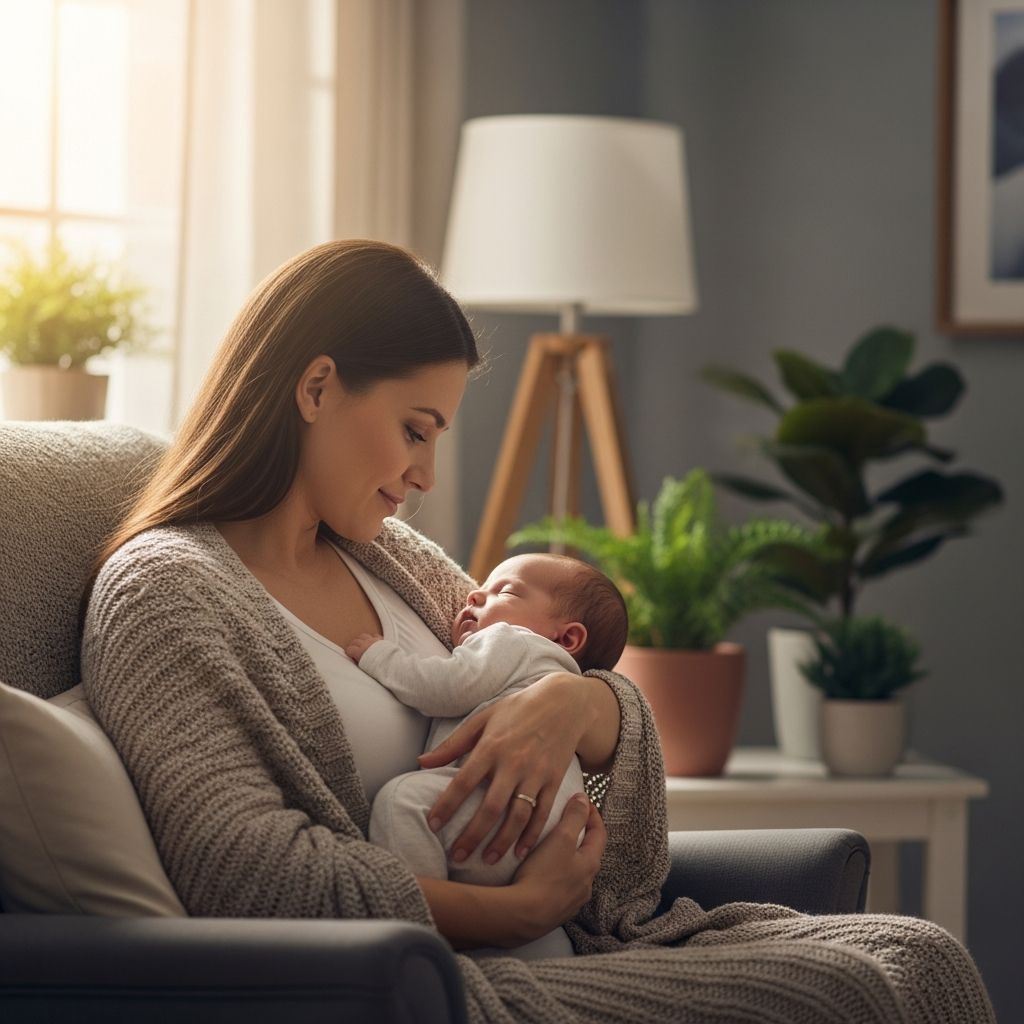
What Happens to Your Body After Delivery: The Role of Uterine Involution
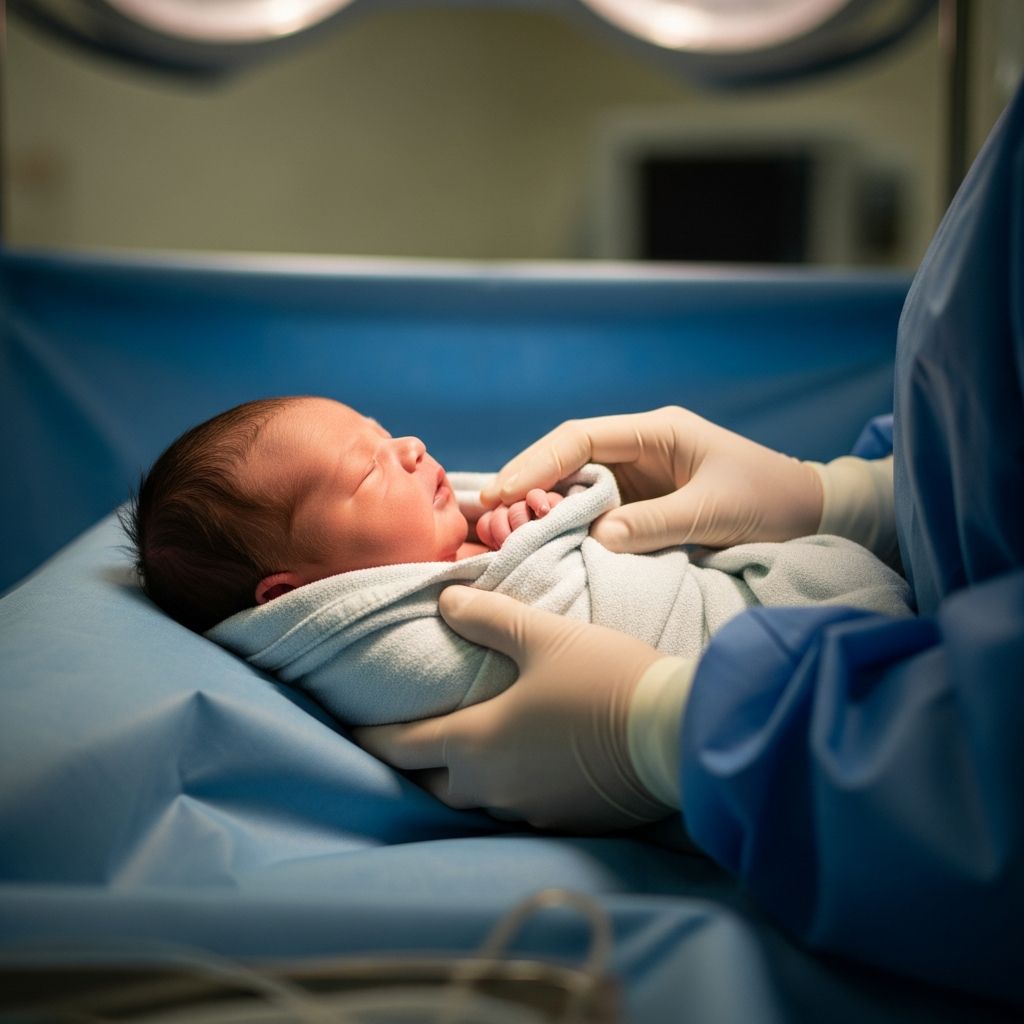
The postpartum period brings significant physical changes as your body begins its remarkable transformation back toward its pre-pregnancy state. One of the most dramatic changes involves your uterus, which has expanded dramatically over nine months to accommodate your growing baby. After delivery, your uterus must return to its original size through a process called involution, which involves a series of powerful muscular contractions. These contractions are the primary reason you experience cramping in the days and weeks following childbirth, and they are an essential part of your recovery process.
Understanding this process can help you recognize that the discomfort you’re experiencing is actually a sign of normal healing. Your uterus grew from roughly the size of a pear to the size of a watermelon during pregnancy, and the journey back requires significant muscular effort. As your uterus contracts and shrinks, it compresses the blood vessels that enlarged during pregnancy to support the placenta and your baby. This compression is crucial for preventing excessive postpartum bleeding and promoting healing of the uterine lining.
Mechanisms Behind Postpartum Cramping and Afterpains
The cramping you experience after delivery has several interconnected physiological causes that work together as part of your body’s natural healing process. The most fundamental cause is the uterine muscle contractions necessary for involution. These contractions feel similar to the menstrual cramps you may have experienced before pregnancy, though they can sometimes feel more intense depending on various factors.
When the placenta detaches from the uterine wall during delivery, it leaves behind a substantial wound site with exposed blood vessels. Your body’s response is to trigger uterine contractions that compress these vessels, effectively reducing bleeding and allowing the wound to heal. This protective mechanism is why afterpains, while uncomfortable, represent successful healing rather than a complication.
If you choose to breastfeed, you’ll likely experience another contributor to postpartum cramping. Nursing stimulates the release of oxytocin, the same hormone that triggers labor contractions during delivery. This hormonal response causes additional uterine contractions, which is why many breastfeeding mothers notice their cramping intensifies or becomes more frequent during or shortly after feeding sessions. This is a completely normal response and actually provides an additional benefit by helping your uterus contract back to its normal size more efficiently.
Medical interventions during labor and delivery can also influence the intensity of afterpains. If you received Pitocin (a synthetic version of oxytocin) during labor or immediately after delivery to prevent excessive bleeding or manage uterine fatigue, this medication continues to stimulate contractions in the immediate postpartum period, potentially increasing cramping sensations.
Factors That Influence Cramping Severity and Duration
Not all women experience postpartum cramping with the same intensity or timeline. Several factors influence how pronounced your afterpains will be and how long they persist during your recovery.
Delivery Method and Cramping Intensity
The method by which you delivered your baby significantly affects the character and intensity of postpartum cramping. Vaginal delivery typically produces more noticeable afterpains compared to cesarean section delivery. This difference occurs because vaginal delivery stimulates more robust uterine contractions during the pushing phase and immediately afterward. However, cesarean section doesn’t eliminate cramping entirely; instead, mothers recovering from surgical delivery may experience additional discomfort from their surgical incision that can make cramping sensations feel more pronounced or bothersome, even if the actual uterine contractions are less intense.
Parity and Pregnancy History
If you’re experiencing postpartum recovery for a second, third, or subsequent time, you may notice that your afterpains feel more intense than they did with your first child. This increased intensity occurs because the uterus stretches progressively with each pregnancy. With each successive pregnancy, your uterus expands further to accommodate the growing baby, meaning it must work harder during involution to contract back down to its normal size. This escalating pattern means that afterpains can feel progressively more noticeable with each child you bear.
Breastfeeding and Hormonal Response
As mentioned previously, breastfeeding mothers frequently experience more frequent or intense cramping, particularly in the early postpartum weeks when they are nursing frequently. The oxytocin release triggered by nursing can cause notable contractions, and some mothers report feeling cramping during or immediately after feeding sessions. This pattern typically becomes less noticeable as the postpartum period progresses and breastfeeding patterns stabilize.
Common Complications That Mimic or Intensify Cramping
While postpartum cramping is normal, certain conditions can cause pain that feels similar to or intensifies the typical afterpain experience, and some of these require medical attention.
Constipation and Digestive Issues
Many new mothers experience constipation in the first few days after delivery, a result of reduced physical activity, prescribed bed rest, and sometimes the effects of pain medications that slow intestinal function. Constipation can create significant abdominal pressure and cramping that compounds or mimics uterine cramping. The pressure from a full bowel can interfere with your uterus’s ability to contract smoothly, potentially making your afterpains feel worse. Additionally, constipation increases overall abdominal discomfort and can contribute to increased postpartum bleeding. Addressing constipation through increased hydration, dietary fiber, and gentle movement can help reduce this component of postpartum discomfort.
Urinary Retention and Bladder Fullness
A distended bladder can create additional pelvic and lower abdominal pressure that exacerbates cramping sensations. After delivery, you may experience difficulty with normal urination due to swelling, soreness, medication effects, or simply becoming accustomed to the sensation of an empty bladder after months of pressure from your enlarged uterus. Ensuring regular bladder emptying helps reduce this additional source of discomfort and allows your uterus to contract more effectively.
Infection-Related Pain
Less common but more serious causes of intense postpartum cramping involve infection. Endometritis, an inflammation or infection of the uterine lining, can cause severe pain that persists beyond the typical afterpain timeframe and may worsen rather than improve over time. Urinary tract infections are also relatively common after delivery, particularly if catheterization was used during labor or if the bladder remains distended for extended periods. Signs of infection include fever, unusual vaginal discharge, pain during urination, and persistent or worsening abdominal pain that doesn’t respond to typical pain management strategies.
Timeline: When to Expect Cramping and What’s Normal
Understanding the typical timeline for postpartum cramping can help you distinguish between normal recovery and signs that warrant medical evaluation.
Afterpains typically begin almost immediately after delivery, often within hours of your baby’s birth. The cramping usually peaks in intensity during the first 48 to 72 hours postpartum, a period when uterine contractions are most vigorous and frequent. After this peak period, cramping generally begins to gradually diminish in intensity, though it may persist for considerably longer.
Most women experience noticeable cramping for the first one to two weeks following delivery, with the intensity tapering significantly after the first week. However, mild cramping can persist for up to six weeks postpartum as your uterus continues the involution process. This extended timeline is entirely normal, and many women report occasional mild cramping well into the third week or beyond without any cause for concern.
The duration of afterpains varies significantly among individuals based on the factors discussed previously. First-time mothers, mothers who had cesarean deliveries, and those who don’t breastfeed typically experience a shorter overall duration of noticeable cramping. In contrast, multiparous women, those nursing frequently, and those with vaginal deliveries may experience cramping sensations for the full six-week recovery period or slightly longer.
Effective Strategies for Managing Postpartum Cramping
While you cannot eliminate postpartum cramping entirely—and you wouldn’t want to, since it represents important healing—several evidence-based strategies can significantly reduce discomfort and help you move through your recovery more comfortably.
Over-the-Counter Pain Management
Ibuprofen and acetaminophen are both safe and effective options for managing postpartum cramping, even for breastfeeding mothers when used at recommended doses. Ibuprofen is often particularly effective because it not only relieves pain but also reduces inflammation associated with uterine contractions. Taking pain medication on a regular schedule rather than waiting until cramping becomes severe provides more consistent relief and can actually reduce the total amount of medication needed. Always follow label directions and discuss appropriate dosing with your healthcare provider, particularly if you have any underlying health conditions.
Heat Application and Physical Comfort
Heat therapy is a time-tested and remarkably effective method for reducing cramping sensations. A heating pad applied to your lower abdomen or lower back, a warm bath, or even warm compresses can significantly decrease the perception of pain. Heat works by relaxing the uterine muscles and improving blood flow to the area, counteracting the sustained contractions causing your discomfort. Many women find that alternating between heat and rest provides optimal relief.
Rest and Gradual Activity
Your body needs substantial energy and resources for healing during the postpartum period. Getting adequate rest, particularly in the first two weeks, supports this healing process and may reduce the overall intensity of afterpains. However, complete immobility can actually worsen constipation and other complications that intensify cramping. Gentle movement—such as short walks around your home or simply changing positions regularly—can help promote better circulation, prevent constipation, and actually decrease afterpain intensity over time. The key is balancing rest with gradual, non-strenuous activity appropriate to your recovery stage and delivery method.
Positioning and Massage
Positioning yourself strategically can reduce cramping. Some women find relief by lying on their stomach or side, as these positions may reduce pressure on the uterus. Gentle abdominal massage, when performed carefully, can also provide comfort. Additionally, ensuring your bladder and bowel are regularly emptied prevents the additional pressure that exacerbates cramping.
Warning Signs: When Cramping Requires Medical Evaluation
While postpartum cramping is normal, certain warning signs indicate you should contact your healthcare provider promptly rather than managing discomfort at home.
- Persistent severe pain beyond the typical timeframe: If you experience intense cramping that continues beyond the first week, worsens over time rather than improving, or doesn’t respond to standard pain management, this may indicate infection or another complication requiring treatment.
- Fever and systemic symptoms: A fever of 100.4°F (38°C) or higher accompanying postpartum cramping suggests infection, particularly endometritis. Fever combined with severe cramping, unusual vaginal discharge, or chills requires immediate medical attention.
- Increasing vaginal bleeding: While postpartum bleeding is normal, bright red bleeding that increases over time rather than gradually diminishing, especially when accompanied by worsening cramping, may indicate inadequate uterine contraction or other complications.
- Abdominal tenderness: If your abdomen is tender to the touch or feels rigid, this may indicate infection or other serious complications rather than simple afterpains.
- Signs of incision infection: For those recovering from cesarean delivery, redness, warmth, discharge, or increasing pain around the incision site indicates infection requiring treatment.
- Symptoms of urinary tract infection: Pain during urination, urgency to urinate with minimal output, cloudy or bloody urine, or lower abdominal and pelvic pain beyond typical afterpains may indicate infection requiring antibiotics.
Special Considerations for Different Recovery Scenarios
Your specific postpartum experience influences how you should approach cramping management. Those recovering from vaginal delivery with perineal tears or episiotomy may experience combined discomfort from both afterpains and perineal healing. Those recovering from cesarean delivery must balance managing afterpains while protecting their surgical incision during movement and activity. Breastfeeding mothers experiencing cramping during feeds may find that continuing nursing through the discomfort while using simultaneous pain management provides optimal relief. Understanding your unique recovery needs helps you develop the most effective personal strategy.
Frequently Asked Questions About Postpartum Cramping
Q: Is postpartum cramping worse with multiple children?
A: Yes, typically afterpains intensify with each subsequent pregnancy because your uterus stretches progressively further with each child, requiring greater muscular effort to contract back to normal size during involution.
Q: Should I continue breastfeeding if it causes cramping?
A: Yes, continuing to breastfeed through cramping is safe and actually beneficial, as the oxytocin released during nursing helps facilitate uterine involution. Taking pain medication before nursing sessions can help manage discomfort while you continue providing essential nutrition to your baby.
Q: How long should postpartum cramping last?
A: Most women experience noticeable afterpains for one to two weeks, with mild cramping potentially continuing for up to six weeks as the uterus completes involution. Duration varies based on delivery method, parity, and whether you’re breastfeeding.
Q: Can I use heating pads safely postpartum?
A: Yes, heating pads are safe and effective for managing afterpains. Use them on medium heat for 15-20 minute intervals, taking breaks to prevent skin irritation. Many healthcare providers recommend heat as a first-line comfort measure.
Q: When should I contact my doctor about postpartum cramping?
A: Contact your healthcare provider if you experience severe pain that worsens over time, fever, signs of infection, significantly increased bleeding, or if cramping persists beyond six weeks. Trust your instincts—if something feels wrong, seek medical evaluation.
References
- Postpartum Cramps: Causes and How to Get Relief — Healthline. 2024. https://www.healthline.com/health/postpartum-cramps
- Postpartum Cramping: Causes and How to Get Relief — Needed. 2024. https://thisisneeded.com/blogs/postpartum/postpartum-cramping-causes-and-how-to-get-relief
- Postpartum Symptoms: What’s Normal and What Not to Ignore — OSF HealthCare. 2024. https://www.osfhealthcare.org/blog/postpartum-symptoms-whats-normal-and-what-not-to-ignore
- Warning Signs of Postpartum Health Problems — March of Dimes. 2024. https://www.marchofdimes.org/find-support/topics/postpartum/warning-signs-postpartum-health-problems
- Postpartum Pain Management — American College of Obstetricians and Gynecologists (ACOG). 2024. https://www.acog.org/womens-health/faqs/postpartum-pain-management
- Postpartum: Stages, Symptoms & Recovery Time — Cleveland Clinic. 2024. https://my.clevelandclinic.org/health/articles/postpartum