Understanding Pregnancy Risk from Anal Intercourse
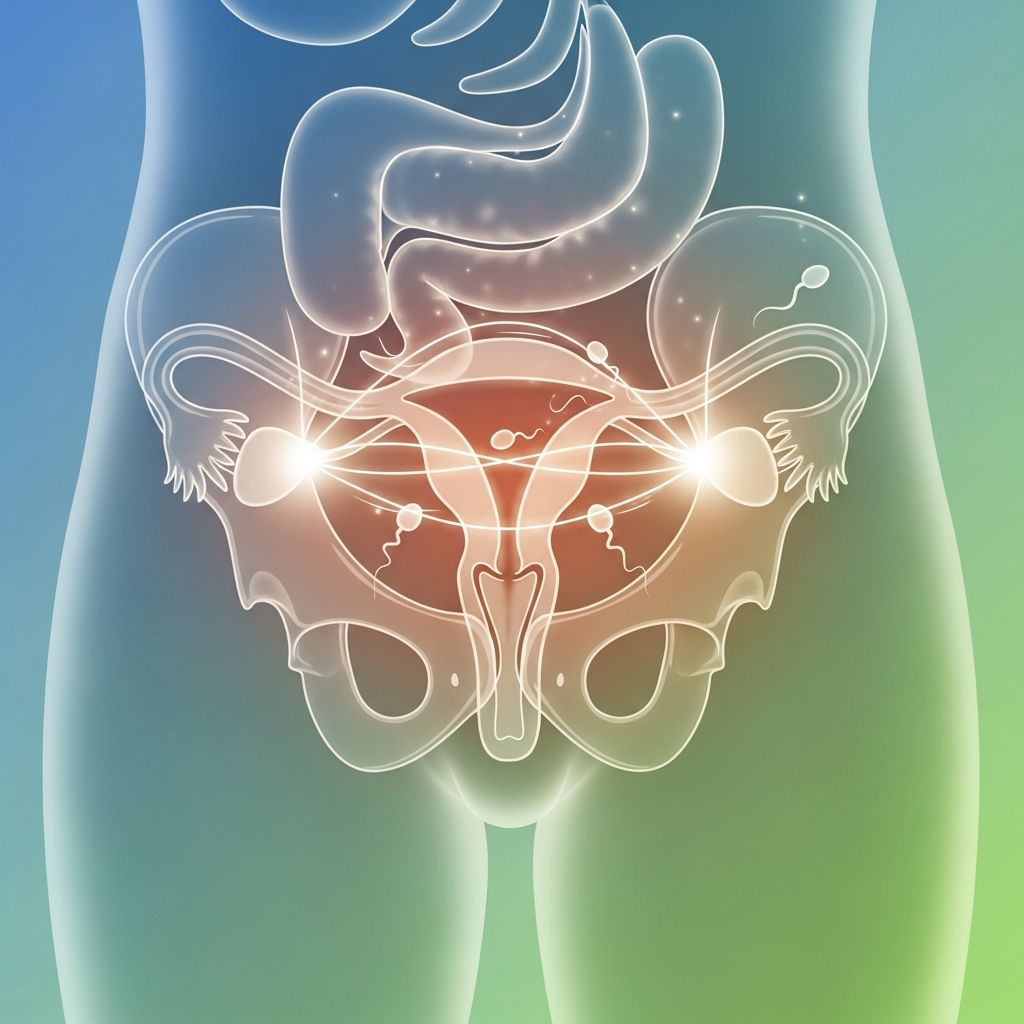
One of the most common questions people ask about sexual health involves the relationship between anal intercourse and pregnancy. The straightforward answer is that anal sex itself cannot directly result in pregnancy because the anus is not connected to the reproductive tract. However, the complete picture is more nuanced, and understanding the biological realities is essential for anyone considering this form of sexual activity.
While direct conception through anal penetration is impossible, there exists a minimal but real possibility of pregnancy if semen comes into contact with the vaginal opening during or after anal activity. This scenario, though unlikely, becomes more plausible when sexual partners engage in multiple activities during a single encounter without taking appropriate precautions.
How Pregnancy Could Theoretically Occur
The pathway to pregnancy following anal contact requires specific circumstances to align. If semen is present on the penis, fingers, or sex toys and subsequently makes contact with the vaginal entrance or penetrates the vagina, pregnancy becomes possible. This transfer could happen through:
- Direct contact between the penis and vagina without changing position or using fresh barriers
- Semen on hands or fingers being transferred to the vaginal area
- Shared sex toys moving between anal and vaginal use without proper cleaning or barrier changes
- Semen leaking or spilling from the anal area toward the vaginal opening
The biological mechanism remains unchanged: sperm cells must reach the reproductive tract to fertilize an egg. The distinction between anal and other sexual activities is merely the proximity and likelihood of this transfer occurring.
Distinguishing Actual Risk from Theoretical Possibility
Medical professionals consistently emphasize that pregnancy resulting exclusively from anal intercourse is exceptionally rare. In fact, many healthcare providers recommend anal sex as a form of sexual activity for individuals or couples seeking to avoid pregnancy entirely, provided that vaginal contact with semen does not occur. The statistical likelihood is so low that most comprehensive sex education resources classify it as an unrealistic pregnancy concern.
However, this low risk should not be interpreted as zero risk. Anyone engaging in anal sex must understand that pregnancy, while unlikely, remains a theoretical possibility if sexual practices transition to vaginal penetration without addressing potential semen transfer.
The Primary Health Concern: Sexually Transmitted Infections
While pregnancy risk receives significant attention, medical experts widely agree that sexually transmitted infections (STIs) represent a far more substantial health concern associated with anal intercourse. Understanding why anal sex creates elevated infection risk is crucial for informed decision-making about sexual practices.
The anatomical structure of the rectum differs fundamentally from the vagina in ways that influence infection transmission. The rectal lining is thinner, more delicate, and lacks the natural lubrication that the vagina produces. This biological reality has profound implications for sexual health and safety.
Why Anal Sex Increases Infection Risk
The rectum’s tissue characteristics make it particularly vulnerable to microtears during sexual activity. When the delicate rectal lining tears, even microscopically, bacteria and viruses gain direct access to the bloodstream, bypassing the protective barriers that normally shield the body from infection. This mechanism explains why infection transmission rates are significantly higher during anal intercourse compared to vaginal or oral sex.
Research indicates that receptive anal intercourse carries substantially elevated transmission risks for multiple serious infections. The tissue damage that occurs during anal penetration, whether visible or microscopic, creates an environment where pathogens can establish infection more readily than through other sexual routes.
Specific Infections Associated with Anal Sex
Several categories of infections demonstrate heightened transmission risks during unprotected anal intercourse:
- Viral Infections: HIV, herpes simplex virus, human papillomavirus (HPV), hepatitis A, B, and C
- Bacterial Infections: Chlamydia, gonorrhea, syphilis
- Parasitic and Gastrointestinal Pathogens: Giardia, Group B Streptococcus, various bacteria from the digestive tract
The specific risk elevation for HIV transmission demonstrates the magnitude of infection concerns. Receptive anal intercourse increases HIV transmission likelihood by approximately 13 times compared to insertive anal intercourse, and by approximately 17 times compared to vaginal intercourse. These statistics underscore why infection prevention during anal sex requires serious attention.
Cross-Contamination and Hygiene Considerations
An often-overlooked concern involves the movement between anal and vaginal contact during sexual activity. The bacteria naturally present in the digestive tract, which cause no problems in that location, can produce urinary tract infections or vaginal infections if transferred to the vagina. This transfer can occur through hands, sex toys, or the penis moving between these areas.
Even temporary contact—such as hands touching the anal area and subsequently touching the vagina, or sex toys transitioning between locations without cleaning—can facilitate bacterial transfer. Partners engaging in both anal and vaginal activity during the same encounter should change condoms between activities and ensure thorough cleaning of any shared implements.
Additional Health Risks Beyond Infection
Beyond infection transmission, several other health considerations warrant attention when evaluating anal sex safety:
Hemorrhoid Complications: Pregnancy itself increases hemorrhoid risk for many individuals. Anal sex can irritate, inflame, or rupture existing hemorrhoids, causing significant discomfort and bleeding. For pregnant individuals, this complication adds another dimension to health considerations.
Tissue Injury: The potential for anal fissures, tears, and other tissue damage extends beyond microscopic injury. Significant trauma can occur, particularly if adequate lubrication is not used or if the activity is aggressive.
Anal Cancer Risk: Long-term research suggests that receptive anal intercourse, particularly with multiple partners or when HPV transmission occurs, may increase anal cancer risk. HPV is responsible for the majority of anal cancer cases, and this virus transmits readily through anal contact.
Essential Protection Strategies
For individuals choosing to engage in anal intercourse, several protective measures significantly reduce health risks:
- Consistent Condom Use: Latex or polyurethane condoms reduce infection transmission substantially, though they do not provide absolute protection
- Water-Based Lubricants: The anus does not self-lubricate, making lubricant essential for comfort and tissue protection
- STI Testing: Both partners should undergo comprehensive STI testing and discuss results before sexual activity
- Open Communication: Partners must discuss boundaries, comfort levels, and concerns to ensure safe and consensual experiences
- Barrier Changes: When transitioning between anal and vaginal activity, use fresh condoms or barriers to prevent bacterial transfer
- Hygiene Practices: Clean the anal area before sexual activity and wash hands and toys thoroughly if any contact occurs with the vaginal area
Anal Sex During Pregnancy: Additional Considerations
Pregnant individuals face unique circumstances when considering anal intercourse. Beyond standard infection risks, pregnancy-related factors influence whether anal sex remains advisable.
Hemorrhoids occur with increased frequency during pregnancy due to hormonal changes and increased abdominal pressure. For individuals already experiencing pregnancy-related hemorrhoids, anal sex poses additional risks of irritation, inflammation, or hemorrhoid rupture. Additionally, any infection contracted during pregnancy carries implications for both maternal health and fetal development. Certain infections, such as Group B Streptococcus, can be transmitted to the infant during delivery, potentially causing serious neonatal infections.
Pregnant individuals considering anal sex should discuss this with their healthcare provider, as individual circumstances vary significantly based on pregnancy complications, hemorrhoid severity, and infection status.
Contraceptive Reliability and Anal Sex
While anal sex alone cannot cause pregnancy, individuals relying on anal intercourse as a pregnancy prevention method should understand its classification within contraceptive frameworks. Medical providers do not recommend anal sex as a primary contraceptive method because it requires absolute adherence to the principle of avoiding all vaginal semen contact—a standard difficult to maintain reliably.
Couples seeking to prevent pregnancy effectively should utilize evidence-based contraceptive methods. These might include hormonal contraceptives, intrauterine devices, barrier methods for dual protection against pregnancy and STIs, or surgical options depending on reproductive intentions.
When to Consult Healthcare Providers
Individuals should seek medical attention if they experience:
- Anal bleeding, pain, or discharge following anal intercourse
- Symptoms of infection including unusual discharge, burning sensations, or fever
- Concern about possible pregnancy or exposure to infections
- Questions about contraceptive options or safe sexual practices during pregnancy
- Persistent discomfort or complications related to anal sexual activity
Frequently Asked Questions
Is it actually possible to get pregnant from anal sex?
Pregnancy from anal sex alone is exceptionally rare but theoretically possible if semen contacts the vaginal opening. The anus is not connected to the reproductive system, making direct pregnancy through anal penetration impossible. However, if semen is transferred to the vagina during or after anal activity, conception could occur.
Should people use condoms during anal sex if pregnancy is not a concern?
Yes, condom use is essential during anal intercourse regardless of pregnancy concerns. STI transmission risk is significantly elevated during anal sex compared to other sexual activities, making barrier protection crucial for preventing infections like HIV, hepatitis, and other pathogens.
What is the actual risk of STI transmission during anal sex?
The risk of sexually transmitted infection transmission is substantially higher during unprotected anal intercourse than vaginal or oral sex. The thin rectal lining is prone to microtears, providing direct pathways for infections to enter the bloodstream. Receptive anal intercourse carries approximately 13-17 times higher HIV transmission risk compared to other sexual activities.
Can you get pregnant if you switch from anal to vaginal sex?
Yes, pregnancy is possible if semen present from anal activity is transferred to the vagina during subsequent vaginal penetration. Using fresh condoms when transitioning between sexual activities significantly reduces this risk, as does proper hygiene between activities.
Is anal sex safe during pregnancy?
Anal sex during pregnancy carries additional considerations beyond standard situations. Pregnancy increases hemorrhoid risk, and anal intercourse can irritate or rupture existing hemorrhoids. Additionally, any infection contracted during pregnancy could potentially affect the fetus or be transmitted to the infant during delivery. Pregnant individuals should discuss anal sex with their healthcare provider to assess individual circumstances.
What should be used as lubrication for anal sex?
Water-based or silicone-based lubricants are recommended for anal intercourse. The anus does not produce natural lubrication, making external lubrication essential for comfort and to minimize tissue damage. Oil-based products can degrade latex condoms and should be avoided if using latex barriers.
What infections can be transmitted through anal sex?
Multiple serious infections transmit readily through unprotected anal intercourse, including HIV, herpes, HPV, hepatitis A/B/C, chlamydia, gonorrhea, syphilis, and various parasitic infections. The elevated risk occurs because the thin rectal lining tears easily, providing direct bloodstream access for pathogens.
Summary and Key Takeaways
Anal intercourse cannot directly cause pregnancy because the anus is not part of the reproductive system. However, minimal pregnancy risk exists if semen contacts the vagina during or after anal activity. The far more significant health concern involves sexually transmitted infection transmission, which occurs at substantially elevated rates during unprotected anal sex due to the delicate nature of rectal tissue.
Individuals choosing to engage in anal intercourse should prioritize infection prevention through consistent condom use, partner testing, open communication, and careful attention to hygiene when transitioning between sexual activities. Pregnant individuals should consult healthcare providers before engaging in anal sex, as pregnancy-specific complications may apply. Understanding both the minimal pregnancy risk and the substantial infection risks enables informed decision-making about sexual practices and appropriate protective measures.
References
- Oral and Anal Sex During Pregnancy — American Pregnancy Association. 2024. https://americanpregnancy.org/healthy-pregnancy/is-it-safe/oral-and-anal-sex-during-pregnancy/
- Can I Get Pregnant Through Anal Sex? (for Teens) — Nemours KidsHealth. 2024. https://kidshealth.org/en/teens/al-pregnancy.html
- Can You Get Pregnant from Anal Sex? — Healthline. 2021. https://www.healthline.com/health/can-you-get-pregnant-from-anal
- Can you get Pregnant from Anal Sex? — Natural Cycles. 2024. https://www.naturalcycles.com/cyclematters/can-you-get-pregnant-from-anal-sex
- Can you get pregnant from anal sex? Facts and myths — Medical News Today. 2024. https://www.medicalnewstoday.com/articles/325889
- Is Anal Sex Safe? What to Know — WebMD. 2024. https://www.webmd.com/sex/anal-sex-health-concerns
- Pregnancy, Penile-anal Sex and Other Sexual Behaviors — National Center for Biotechnology Information (NIH). 2019. https://pmc.ncbi.nlm.nih.gov/articles/PMC6384003/