After giving birth, many new mothers notice a change in their body scent, often described as stronger or unfamiliar. This phenomenon, known as postpartum body odor, stems from the body’s intense recovery phase following pregnancy and delivery. Hormonal realignments, excessive sweating, and shifts in daily routines contribute to this temporary issue, affecting up to 80% of women in the early postpartum period. Understanding these changes empowers mothers to address them effectively without undue concern.
Why Does Body Odor Intensify After Childbirth?
The postpartum period triggers a cascade of physiological adjustments that directly influence scent production. During pregnancy, elevated levels of estrogen and progesterone promote fluid retention and alter sweat composition. Post-delivery, these hormones plummet rapidly, disrupting the skin’s bacterial balance and sweat regulation.
One primary driver is **night sweats**, where the body expels retained pregnancy fluids—up to 20 pounds in some cases—through perspiration, particularly at night. This moisture fosters bacterial growth on the skin, amplifying odor. Breastfeeding exacerbates this, as prolactin surges influence milk production and can modify overall body chemistry, sometimes intensifying scents to aid infant bonding via smell recognition.
Stress from sleep deprivation and newborn care prompts **apocrine sweat** production—a thicker, protein-rich variety from glands in the armpits and groin that bacteria break down into odorous compounds. Nutritional gaps, dehydration, and dietary shifts further compound the issue by impairing detoxification processes.
Key Physical Changes Fueling Postpartum Scents
- Hormonal Drop-Off: Estrogen and progesterone levels fall sharply, altering sebaceous gland activity and skin pH, which favors odor-producing bacteria.
- Fluid Elimination: The body sheds excess intravascular volume via sweat, creating damp environments ideal for microbial proliferation.
- Lactation Effects: Prolactin and oxytocin fluctuations during nursing can heighten metabolic rates and sweat output.
- Vaginal and Lochia Discharge: Postpartum lochia—a mix of blood, tissue, and mucus—increases until around week six, contributing to localized odors due to heightened uterine blood flow remnants.
- Milk Leaks: Dried breast milk on skin or clothing ferments, adding a sweet yet pungent note.
Practical Daily Habits to Minimize Odor
Implementing simple routines can significantly reduce postpartum body odor without overwhelming a new mother’s schedule. Prioritize gentle hygiene to avoid irritating sensitive postpartum skin.
Enhance Your Cleansing Routine
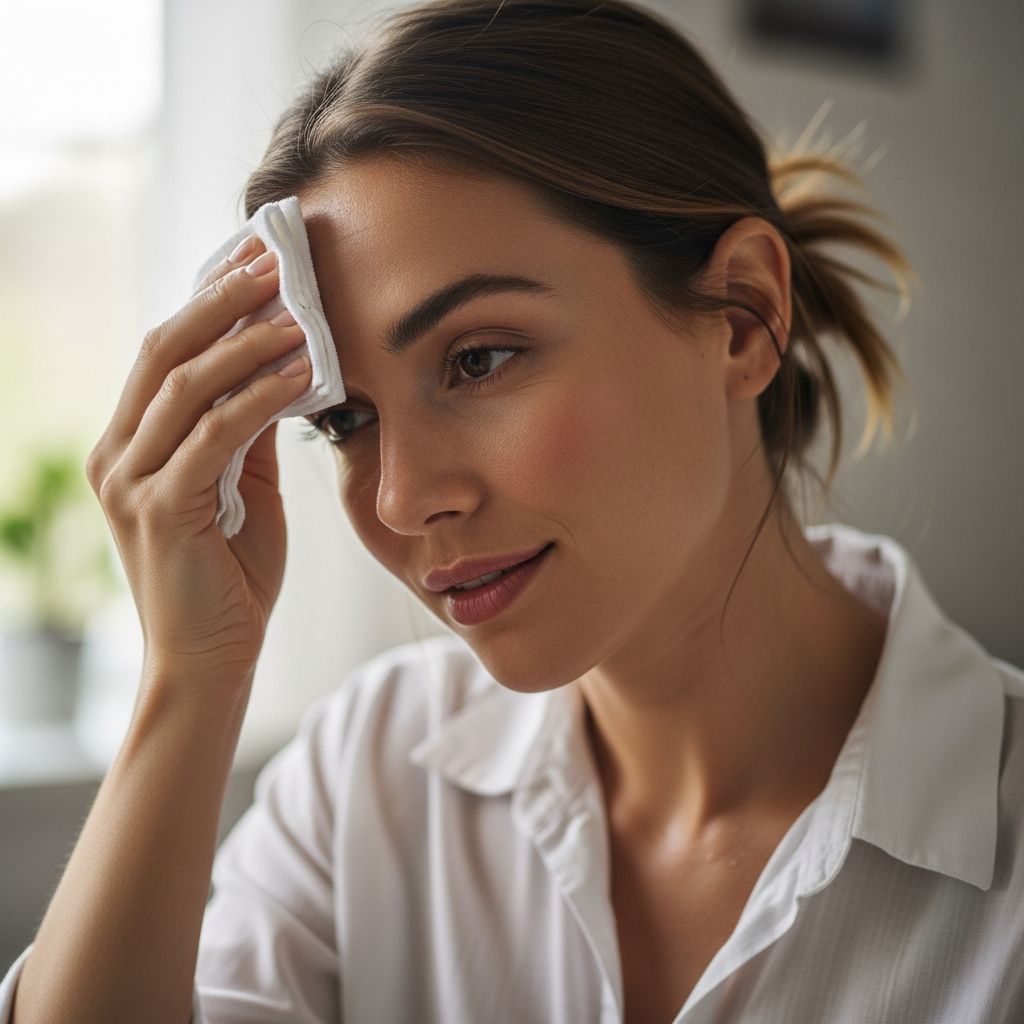
Daily showers using pH-balanced, fragrance-free soaps preserve the skin’s microbiome while removing sweat and bacteria. Focus on high-odor zones like underarms, groin, and feet. For quick refreshes, use unscented wipes or a baking soda paste to neutralize smells between baths.
Consider benzoyl peroxide washes (e.g., 10% foaming formulas) for armpits post-shampooing, as they target bacteria effectively without harsh drying. Gentle exfoliation 1-2 times weekly with AHA/BHA body washes sloughs off dead skin cells that harbor microbes.
Optimize Deodorant Choices
Standard antiperspirants block sweat pores with aluminum, but postpartum hormones may reduce their efficacy. Switch to clinical-strength options or natural alternatives like magnesium hydroxide or charcoal-based formulas, which neutralize odors without disrupting nursing.
| Deodorant Type | Best For | Key Benefits |
|---|---|---|
| Clinical-Strength Antiperspirant | Heavy Sweaters | Reduces sweat volume; long-lasting protection |
| Magnesium/Charcoal Natural | Sensitive Skin/Nursing Moms | Bacteria-neutralizing; no aluminum or fragrances |
| Full-Body Wipes/Deodorant | On-the-Go | Quick application; covers multiple areas |
| Baking Soda-Free | Irritation-Prone | Gentle odor absorption; microbiome-friendly |
Wardrobe and Laundry Strategies
Opt for breathable fabrics like cotton, bamboo, or moisture-wicking synthetics in loose fits to prevent sweat trapping. Change bras and tops frequently—ideally after each feeding or sweat episode—as milk residues and perspiration breed bacteria.
Keep a dedicated hamper for soiled items near your bed for easy management. Machine-wash in hot water with vinegar additives to eliminate lingering scents.
Nutrition and Hydration’s Role in Freshness
Hydration dilutes sweat and supports toxin flushing; aim for 100-128 ounces daily, especially if breastfeeding. Dehydration concentrates bodily secretions, intensifying smells.
Diet matters too: High-protein, fiber-rich meals with zinc (nuts, eggs), magnesium (leafy greens), and B-vitamins (oats, yogurt) aid sweat metabolism. Limit garlic, onions, and spices, which exude through pores. Probiotic-rich foods like yogurt or kefir balance gut flora, indirectly influencing body odor via the gut-skin axis.
- Sample Daily Intake: 3 liters water, probiotic yogurt snack, veggie-packed lunches, protein smoothies.
Advanced Remedies and Lifestyle Adjustments
Shaving underarm hair reduces bacterial hiding spots, as apocrine glands feed into follicles—a 2015 study confirmed this enhances washing efficacy. Stress management via short meditations or walks curbs apocrine sweat.
For intimate areas, pH-balancing suppositories with boric acid maintain vaginal flora, curbing discharge-related odors—consult a doctor first. Prebiotic washes support overall skin health.
When to Consult a Healthcare Provider
Most odors resolve within 6-12 weeks as hormones stabilize. Persistent, fishy, or foul smells beyond three months, especially with itching or discharge changes, may indicate infections (e.g., BV, yeast), thyroid issues, or diabetes. Track symptoms and seek evaluation promptly.
Frequently Asked Questions
Is postpartum body odor permanent?
No, it typically fades as hormones normalize within weeks to months. Lifestyle tweaks accelerate improvement.
Can breastfeeding worsen body odor?
Yes, lactation hormones like prolactin can alter scent, but it’s temporary and aids baby recognition.
What fabrics are best postpartum?
Cotton and bamboo for breathability; avoid synthetics that trap moisture.
Does diet really affect my smell?
Absolutely—spicy foods and dehydration amplify odors; hydration and balanced nutrition help.
Are natural deodorants safe while nursing?
Yes, aluminum-free options minimize chemical exposure to baby.
This comprehensive guide equips new mothers with tools to navigate postpartum body odor confidently. Recovery is a journey—prioritize self-care amid the joys of parenthood.
References
- Postpartum body odor is real: Here’s how to stay fresh — Calm Blog. 2023. https://www.calm.com/blog/postpartum-body-odor
- Postpartum Body Odor & Night Sweats Tips — Fourth Trimester Doc. 2023. https://fourthtrimesterdoc.com/sh-no-one-warns-you-about-postpartum-edition/postpartum-body-odor-night-sweats/
- Dealing With Postpartum Body Odor: Tips and Solutions — The Honey Pot Company. 2023. https://thehoneypot.co/blogs/education/postpartum-body-odor
- Everything to Know About Postpartum Body Odor — The Bump. 2023. https://www.thebump.com/a/postpartum-body-odor
- Mom Stink: Why It Happens And What To Do About It — Chelsea Method. 2023. https://www.chelseamethod.com/rundown/mom-stink
- It’s Not Just You: Postpartum Sweating and Body Odor Are Normal — Cleveland Clinic. 2023-05-15. https://health.clevelandclinic.org/postpartum-sweating