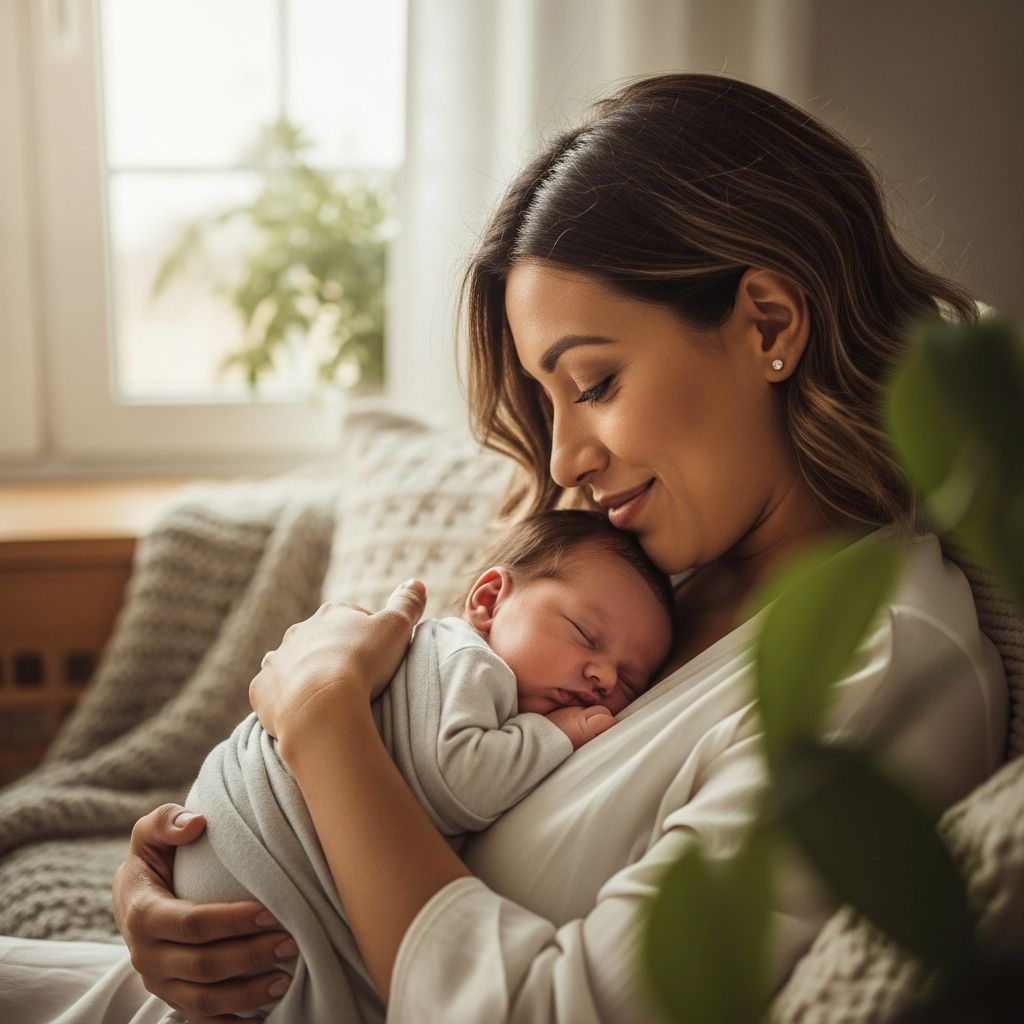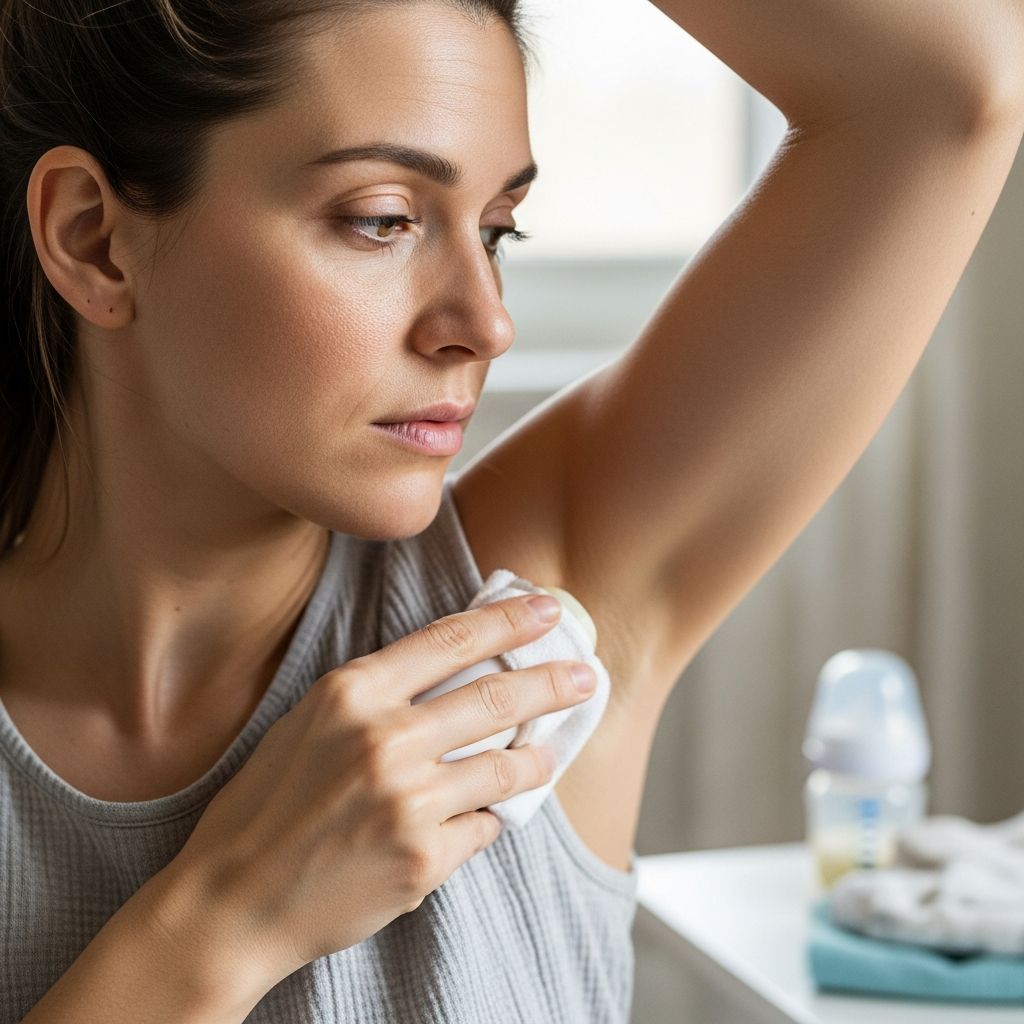
Postpartum body odor is a widespread experience for many new mothers, stemming from dramatic physiological changes after childbirth. This guide delves into the underlying reasons, offers actionable strategies for relief, and highlights when professional care is necessary, empowering you to regain confidence during this transformative period.
Understanding the Roots of Postpartum Odor Changes
The postpartum phase triggers significant shifts in a woman’s body, often leading to noticeable alterations in scent. Hormonal fluctuations play a central role: following delivery, levels of estrogen and progesterone plummet rapidly, disrupting sweat regulation and skin bacteria balance. This imbalance can intensify natural body smells, particularly in areas like underarms and the groin.
Excessive sweating, known as postpartum diaphoresis, exacerbates the issue as the body expels retained pregnancy fluids. Night sweats are especially common, creating moist environments where bacteria thrive and produce odors. Breastfeeding introduces additional factors; elevated prolactin levels alter body chemistry, sometimes enhancing scents to aid infant bonding via smell.
Stress and sleep deprivation contribute further, prompting apocrine gland activity that secretes thicker, odor-prone sweat. Dietary habits and hydration status also influence outcomes: nutrient deficiencies in zinc, magnesium, or B vitamins impair sweat metabolism, while dehydration concentrates bodily secretions. Vaginal discharge, or lochia, typically carries a mild metallic scent akin to menstruation, but shifts can signal complications.
Daily Hygiene Practices for Freshness
Maintaining cleanliness is foundational, yet postpartum sensitivity demands gentle approaches. Opt for pH-balanced, fragrance-free soaps designed for sensitive or baby skin to preserve the skin’s microbiome without irritation. Frequent showers, even brief ones, remove sweat and bacteria effectively; focus on high-odor zones like armpits, feet, and groin using mild exfoliants with AHAs or BHAs once or twice weekly.
Clothing choices matter significantly. Natural fibers such as cotton or bamboo promote airflow, reducing sweat trapping compared to synthetics. Change bras, tops, and underwear multiple times daily, especially if nursing or experiencing leaks, to prevent bacterial buildup. Keep a dedicated laundry hamper nearby for quick swaps, minimizing overwhelm.
- Use peri bottles for gentle genital cleansing post-voiding, avoiding soaps internally.
- Pat dry thoroughly after washing to discourage moisture-loving bacteria.
- Incorporate benzoyl peroxide washes (e.g., 10% formulations) on armpits post-shower for bacterial control.
Nutrition and Lifestyle Adjustments
What you consume directly impacts odor. Prioritize hydration—aim for ample water intake to dilute toxins and support detoxification. A balanced diet rich in proteins (yogurt, eggs, nuts), fiber (oats, fruits, lentils), and greens provides essential nutrients for recovery and odor management. Limit pungent foods like garlic and onions temporarily, as they can amplify sweat scents.
Light physical activity enhances circulation, aiding sweat evaporation and freshness. Probiotics and prebiotics foster gut health, indirectly influencing body scent via microbial balance. Stress reduction techniques, such as short meditations, curb stress sweat production.
| Nutrient | Benefits for Odor Control | Food Sources |
|---|---|---|
| Zinc & Magnesium | Supports sweat metabolism | Nuts, seeds, leafy greens |
| B Vitamins | Aids detoxification | Eggs, yogurt, whole grains |
| Fiber | Promotes digestion, reduces toxins | Oats, apples, lentils |
Safe Product Recommendations for New Moms
Select products mindfully, prioritizing safety for nursing mothers and infants. Natural deodorants free of harsh chemicals, aluminum, or strong fragrances prevent endocrine disruption and scent confusion for babies. Charcoal or magnesium-based options absorb moisture effectively.
For intimate areas, pH-balancing washes with prebiotics nurture beneficial bacteria. Boric acid suppositories maintain vaginal pH, combating odor from flora shifts, but consult a provider first. Feminine wipes offer on-the-go refreshment without disrupting sensitive skin. Antiperspirants are generally safe postpartum, but test for irritation.
- Full-body deodorants for comprehensive coverage.
- Baby-safe soaps for whole-body use.
- Shaving underarm hair to reduce bacterial harboring in follicles.
Recognizing When Odor Signals a Health Concern
While most postpartum odors resolve naturally within weeks, persistent or foul smells warrant attention. Lochia with a fishy or putrid odor, especially alongside increased volume, pelvic pain, or fever, may indicate uterine or urinary tract infections. Vaginal pH shifts can stem from bacterial vaginosis or yeast overgrowth.
Monitor for red flags:
- Sudden lochia increase after initial decline.
- Pain, chills, or heavy bleeding.
- Odor persisting beyond 6-8 weeks.
Seek prompt medical evaluation; early intervention prevents complications. Uterine contraction improves with gentle movement post-rest, but avoid overexertion.
Frequently Asked Questions (FAQs)
How long does postpartum body odor typically last?
Most cases improve within 2-6 weeks as hormones stabilize, though night sweats may linger during breastfeeding.
Is it safe to use deodorant while breastfeeding?
Yes, opt for natural, fragrance-free formulas to minimize infant exposure.
Can diet really affect postpartum smell?
Absolutely—hydration and nutrient-rich foods dilute and metabolize odor-causing compounds effectively.
What if the odor smells like infection?
Contact your doctor immediately if accompanied by pain, fever, or unusual discharge, as it may require antibiotics.
Are night sweats normal postpartum?
Yes, they help eliminate excess fluids; manage with breathable bedding and hydration.
Long-Term Strategies for Sustained Comfort
Beyond immediate fixes, build habits for ongoing wellness. Consistent sleep hygiene, even in snippets, reduces stress sweat. Weekly exfoliation prevents dead skin accumulation. Track symptoms in a journal to identify triggers like specific foods or dehydration.
Community support normalizes these changes; forums and mom groups offer shared wisdom. Professional lactation consultants can address breastfeeding-related scents. Ultimately, self-compassion is key—your body is recovering from an extraordinary feat.
By integrating these evidence-based practices, new mothers can navigate postpartum odor effectively, focusing on joy and bonding with their little ones.
References
- Postpartum body odor is real: Here’s how to stay fresh — Calm Blog. 2023. https://www.calm.com/blog/postpartum-body-odor
- Postpartum lochia has an unpleasant odor — Vinmec International General Hospital. 2023. https://www.vinmec.com/eng/blog/postpartum-discharge-has-an-unpleasant-odor-en
- Dealing With Postpartum Body Odor: Tips and Solutions — The Honey Pot Company. 2023. https://thehoneypot.co/blogs/education/postpartum-body-odor
- Postpartum Body Odor & Night Sweats Tips — Fourth Trimester Doc. 2023. https://fourthtrimesterdoc.com/sh-no-one-warns-you-about-postpartum-edition/postpartum-body-odor-night-sweats/
- Everything to Know About Postpartum Body Odor — The Bump. 2023. https://www.thebump.com/a/postpartum-body-odor