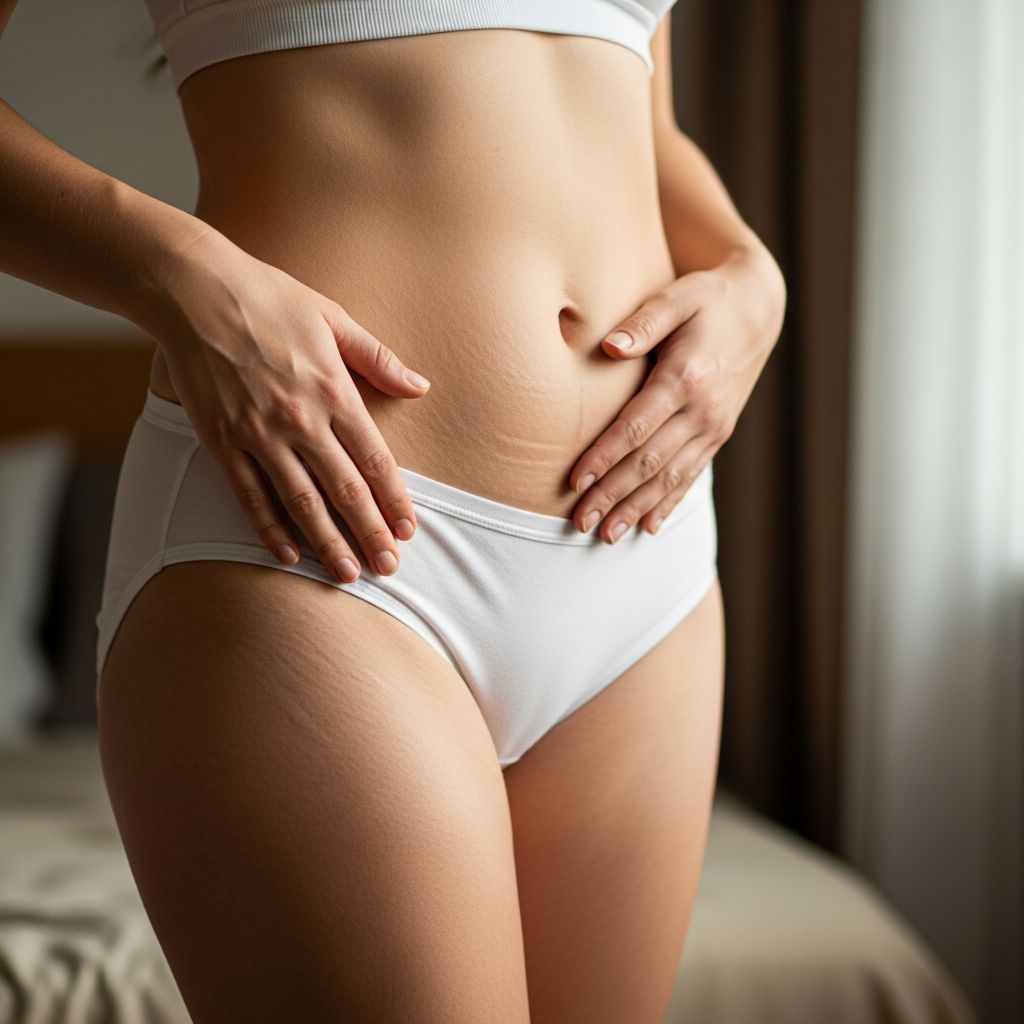
Your body has just accomplished one of life’s greatest miracles—creating and delivering new life. Yet, in the postpartum period, many new mothers face a mirror that reflects unfamiliar changes: silvery stretch marks, softened curves, and shifting shapes. These transformations are natural outcomes of pregnancy and birth, but they often spark complex emotions about self-image. This guide delves into the realities of postpartum body evolution, why these shifts happen, and actionable ways to foster acceptance and joy in your motherhood journey.
Understanding the Transformative Physical Shifts
Pregnancy reshapes the body in profound ways, stretching skin, muscles, and organs to nurture a growing child. Postpartum, these adaptations linger, creating a landscape of changes that can feel both empowering and disorienting.
- Stretch Marks (Striae Gravidarum): These linear scars form when skin expands rapidly, most commonly on the abdomen, thighs, hips, and breasts. Initially red or purple, they fade to white or silver over time, serving as permanent badges of your body’s resilience.
- Abdominal and Core Changes: The uterus takes about six weeks to return to its pre-pregnancy size, but diastasis recti—separation of the abdominal muscles—affects up to 60% of women, leading to a softer midsection.
- Breast Alterations: Hormonal surges prepare breasts for lactation, causing enlargement, engorgement, or sagging post-weaning, influenced by gravity and milk production.
- Weight Fluctuations and Skin Texture: Retaining 10-20 pounds is common due to fluid shifts and fat stores for breastfeeding; skin may loosen, especially after significant weight gain and loss.
These modifications are not flaws but functional responses to gestation. According to health experts, recognizing them as temporary phases aids in emotional adjustment.
Hormonal Rollercoaster: The Invisible Influence on Body Perception
Beyond visible changes, a biochemical storm reshapes how you feel in your skin. Post-delivery, estrogen and progesterone plummet, while prolactin and oxytocin surge if breastfeeding, triggering mood variability and physical symptoms.
| Hormone | Postpartum Effect | Body Image Impact |
|---|---|---|
| Estrogen Drop | Hair thinning, dry skin | Heightened sensitivity to appearance changes |
| Prolactin Rise | Breast changes, fatigue | Emotional whiplash, self-doubt |
| Cortisol Fluctuations | Weight retention, stress | Increased focus on ‘flaws’ |
This hormonal flux can amplify dissatisfaction, contributing to anxiety or depression in 10-15% of new mothers. Recovery varies; full hormonal balance may take 6-12 months.
Societal Pressures and the ‘Bounce Back’ Myth
Media portrayals of celebrities reverting to pre-baby figures within weeks perpetuate harmful ideals. This ‘bounce back’ narrative ignores biological realities: true postpartum healing spans a year or more, with pelvic floor strength and core integrity requiring targeted rehabilitation.
Studies link these expectations to elevated risks of body dysmorphia and disordered eating. Cultural emphasis on aesthetics over function undermines the profound achievement of birth. New mothers often report feeling disconnected, as if their body is no longer ‘theirs.’
Practical Pathways to Postpartum Body Acceptance
Cultivating a positive relationship with your postpartum form demands intentional practices. Here’s a roadmap grounded in expert recommendations:
- Cultivate Self-Compassion Daily: Speak to yourself as you would a dear friend. Journal three accomplishments your body achieved daily, from sustaining life to healing wounds.
- Reframe ‘Marks’ as Milestones: View stretch marks as tiger stripes of triumph, scars as stories of survival—especially poignant after C-sections, where 30% of U.S. births occur.
- Prioritize Functional Movement: Engage in gentle exercises like pelvic floor activations and walking. Pelvic therapy addresses issues like incontinence, boosting confidence through capability.
- Nourish Holistically: Focus on nutrient-dense foods supporting recovery—leafy greens, proteins, healthy fats—rather than restrictive diets, which can exacerbate hormonal imbalances.
- Curate Your Feed: Follow body-positive maternal influencers showcasing real journeys, reducing comparison traps from filtered perfection.
Implementing these shifts gradually builds resilience. Research shows self-compassion practices reduce postpartum depressive symptoms by 20-30%.
Mental Health: When Body Image Struggles Deepen
For some, postpartum body concerns evolve into clinical issues. Warning signs include obsessive mirror checking, avoidance of intimacy, or persistent sadness lasting over two weeks.
- Postpartum depression affects 1 in 7 women, often intertwined with body dissatisfaction.
- Anxiety manifests as hyper-focus on weight or shape.
- History of eating disorders heightens vulnerability; professional intervention is crucial.
Therapy modalities like cognitive behavioral therapy (CBT) rewire negative thought patterns effectively. Support groups provide solidarity, reminding you: you’re not alone.
Real Stories: Mothers Reclaiming Their Narratives
Consider anonymized insights from diverse mothers:
‘My C-section scar was my nemesis until I named it my ‘warrior mark.’ Now, it’s a proud reminder of my son’s arrival.’
‘Stretch marks on my thighs? They’re my body’s roadmap of growth—literally and figuratively.’
These testimonials underscore a universal truth: acceptance blooms from shared vulnerability.
Long-Term Strategies for Sustained Body Confidence
Beyond the fourth trimester, integrate habits for enduring positivity:
- Mindful Wardrobe Choices: Invest in comfortable, flattering clothes that honor your current form.
- Partner and Community Support: Open dialogues normalize changes; partners affirming functionality over aesthetics heal deeply.
- Professional Guidance: Lactation consultants, doulas, or therapists specialize in holistic postpartum care.
- Track Progress Non-Scale: Measure success by energy levels, sleep quality, and joyful baby interactions.
Six months postpartum, many report improved self-view as functionality returns. Patience is key—your body is still you, evolved.
Frequently Asked Questions (FAQs)
Do stretch marks ever fully disappear?
No, but they fade significantly within 12-18 months. Topical treatments like retinoids (post-breastfeeding) or laser therapy can minimize appearance, per dermatological guidelines.
How long until my body feels ‘normal’ again?
Expect 6-12 months for major recovery; full pelvic and core restoration may take longer with rehab. Every body timelines differently.
Can exercise erase postpartum changes?
Strength training tones muscles but won’t eliminate stretch marks or skin laxity. Focus on health, not erasure.
Is postpartum body image linked to depression?
Yes, poor body image correlates with higher depression risk. Early screening and therapy mitigate this.
What if I had a C-section—does recovery differ?
C-sections involve surgical healing (6-8 weeks minimum activity restriction) plus scar tissue management. Pelvic therapy excels here.
Building a Legacy of Maternal Self-Love
Your postpartum body is a vessel of miracles—capable of gestation, birth, and sustenance. By honoring its feats over fleeting imperfections, you model empowerment for your child. This journey transcends skin-deep; it’s about embodying fierce, compassionate love. Celebrate the bigness of your capacity to nurture, for it eclipses any mark.
References
- Postpartum Body Image: Embracing the Change — Matrescence Therapy. 2023-05-15. https://matrescence-therapy.com/postpartum-body-image-embracing-the-change/
- Embracing Your Postpartum Body: Navigating Body Image Concerns After a C-Section — The Perinatal Pelvis. 2024-02-20. https://www.theperinatalpelvis.com/blog/embracing-your-postpartum-body-navigating-body-image-concerns-after-a-c-section
- Body image changes: Pregnancy and postpartum — Marshfield Clinic Shine365. 2023-11-10. https://shine365.marshfieldclinic.org/womens-health/body-image-changes-pregnancy-and-postpartum/
- Why Postpartum Body Image Can Feel So Hard — Reclaim Therapy (Sarah Hersti LCSW). 2024-01-08. https://www.sarahherstichlcsw.com/blog/why-postpartum-body-image-can-feel-so-hard
- Postpartum Body Image: Understanding & Embracing Changes — Hello Yumi. 2023-09-22. https://helloyumi.com/blog/postpartum-body/
- Embracing your postpartum body with care and acceptance — Swedish (Providence). 2024-03-05. https://www.swedish.org/news/uf/690950593?streamid=3129986
- Postpartum body image struggles: 5 ways to cope — Rula Health. 2024-06-12. https://www.rula.com/blog/postpartum-body-image/