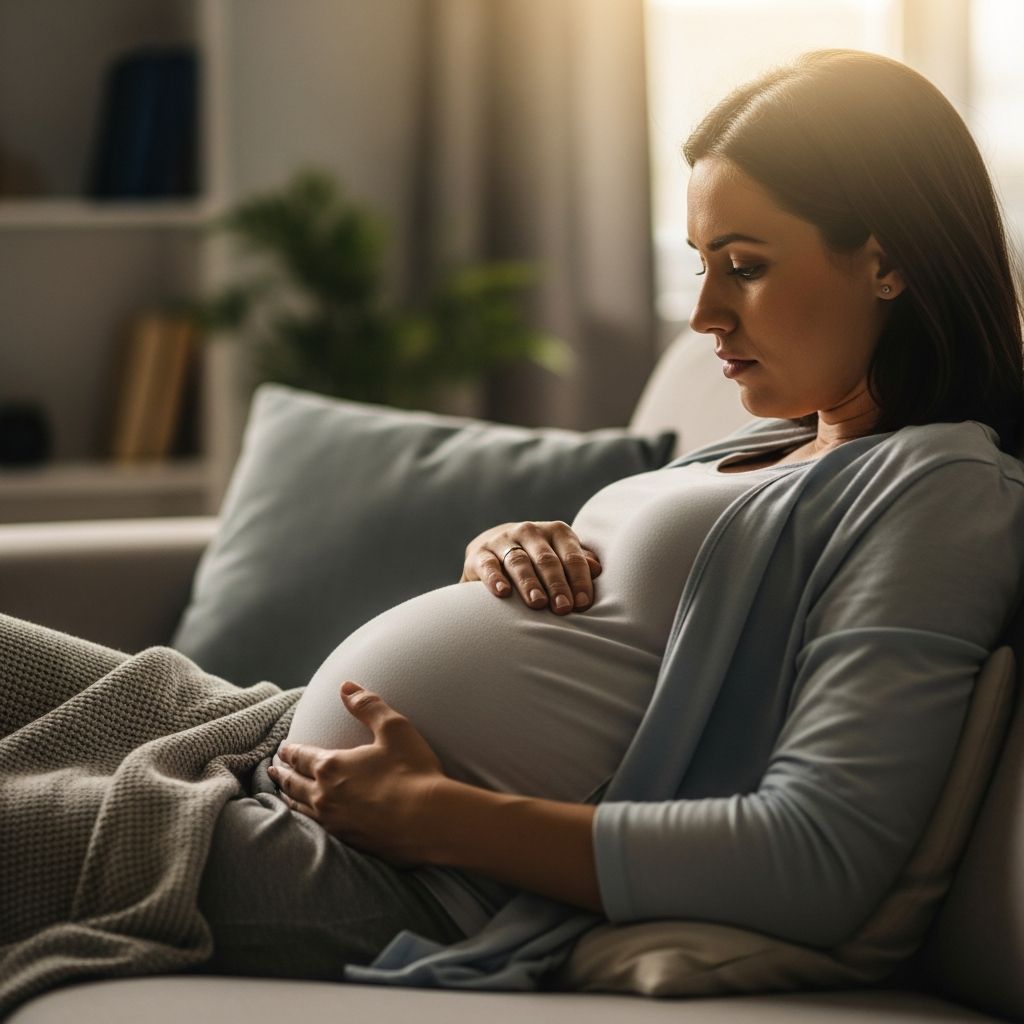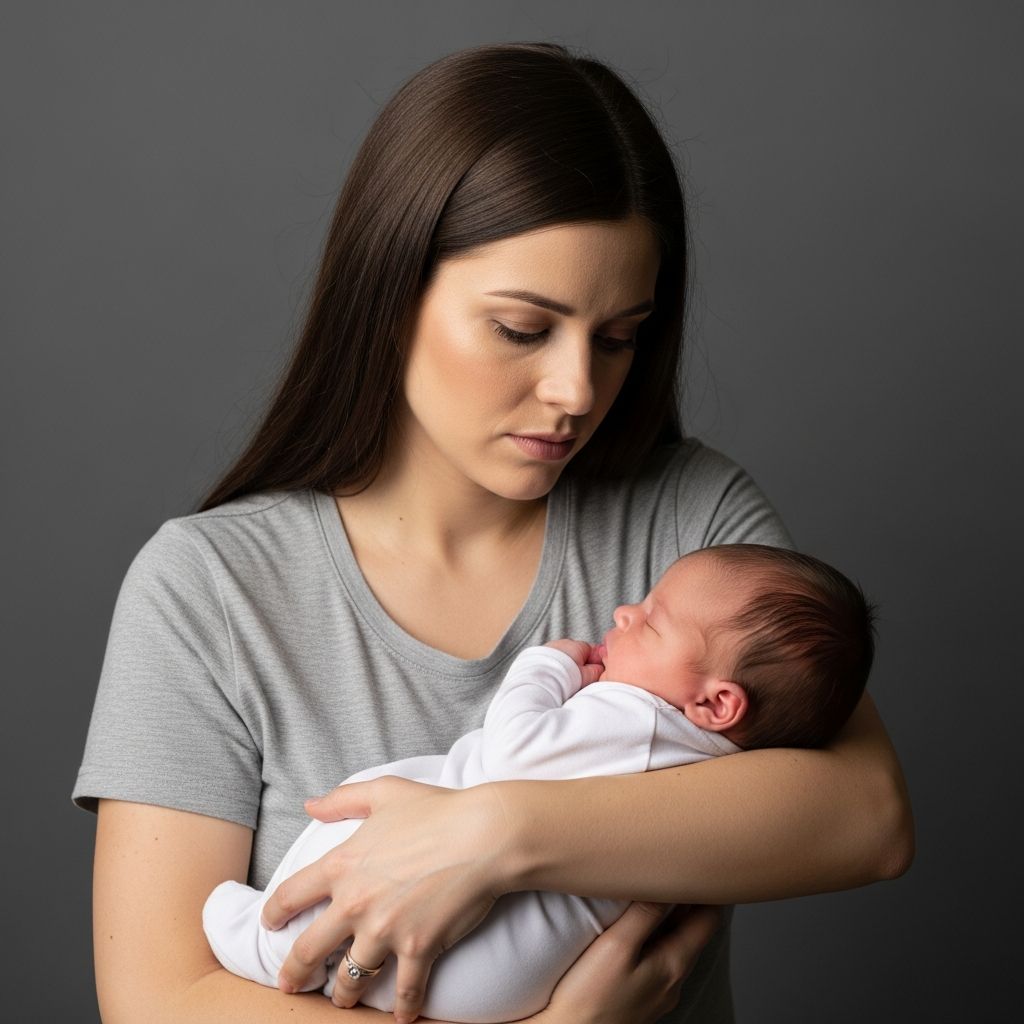
New motherhood brings profound joy, but for many women, it also unleashes intense waves of fear, racing hearts, and overwhelming dread known as postpartum anxiety and panic attacks. These experiences, often dismissed as typical adjustment struggles, can severely disrupt daily life and bonding with the baby. Understanding their distinct nature is crucial for effective support and recovery.
Deciphering the Shadows of New Mom Anxiety
Postpartum anxiety manifests as persistent, excessive worry that eclipses the mild concerns most parents feel. Unlike fleeting baby blues, it lingers, fueling a constant undercurrent of tension about the infant’s safety, personal competence, or future uncertainties. Panic attacks, a hallmark escalation, strike abruptly with physical intensity mimicking a heart attack or life-threatening crisis.
Women describe these episodes as terrorizing intrusions: heart pounding uncontrollably, breath catching in the throat, dizziness blurring vision, and a paralyzing fear of impending doom. These symptoms arise without warning, sometimes in the quiet of night or amid routine caregiving, leaving mothers exhausted and isolated.
Triggers Rooted in Body and Mind
Several intertwined factors propel postpartum anxiety into panic territory. The postpartum hormonal crash—sharp drops in estrogen and progesterone—rewires brain chemistry, heightening stress sensitivity and emotional volatility.
- Sleep Deprivation: Newborn demands fragment rest, amplifying irritability and lowering emotional resilience, turning minor worries into full-blown panics.
- Overwhelming Responsibilities: The 24/7 guardianship of a vulnerable infant evokes primal protective instincts that can spiral into obsessive fears.
- Pre-Existing Vulnerabilities: History of anxiety disorders or trauma increases susceptibility, with birth complications exacerbating risks.
- External Pressures: Isolation, lack of support, or perfectionist expectations intensify the emotional load.
These elements converge in the vulnerable postpartum window, where physical recovery meets psychological adaptation, creating fertile ground for anxiety disorders.
Recognizing the Telltale Signs
Postpartum anxiety often hides behind a facade of competence, with subtler signs overlooked by even close loved ones. Beyond overt panic, watch for:
| Symptom Category | Common Manifestations | Impact on Daily Life |
|---|---|---|
| Emotional | Constant dread, intrusive worst-case thoughts, irritability or rage outbursts | Strains relationships, impairs baby bonding |
| Physical | Racing pulse, shortness of breath, nausea, tremors, insomnia despite fatigue | Mimics medical emergencies, prompts unnecessary ER visits |
| Behavioral | Avoidance of outings, hypervigilance, restlessness, difficulty concentrating | Limits self-care, social engagement, work return |
Lesser-known indicators include ‘postpartum rage’—sudden anger flares as an anxiety outlet—and agoraphobia-like avoidance of public spaces due to baby-related fears. These can mimic depression but stem from hyperarousal rather than sadness.
Personal Journeys: When ‘Normal’ Feels Like Survival
Countless mothers recount tales mirroring universal struggles yet uniquely harrowing. One new parent vividly recalls midnight awakenings drenched in sweat, convinced her baby’s every whimper signaled catastrophe—heart slamming, visions of harm inescapable until dawn. Assurances of ‘all new moms feel this’ rang hollow amid spiraling isolation.
Another faced explosive irritability snapping at partners over trifles, later tracing it to unchecked anxiety eroding her patience. These narratives underscore a critical truth: normalization without intervention prolongs suffering, delaying healing.
Practical Tools for Immediate Relief
While professional care is cornerstone, self-help strategies offer vital first aid during attacks. Grounding techniques interrupt the panic cycle:
- 4-7-8 Breathing: Inhale for 4 seconds, hold 7, exhale 8—calms the autonomic nervous system within minutes.
- 5-4-3-2-1 Sensory Anchor: Name 5 visible items, 4 touchables, 3 audibles, 2 scents, 1 taste to reconnect with present reality.
- Progressive Muscle Relaxation: Tense and release muscle groups sequentially to discharge pent-up tension.
Mindfulness apps tailored for motherhood, short daily walks (even with baby in carrier), and journaling intrusive thoughts reduce recurrence by fostering perspective.
Building a Robust Support Network
Social connections buffer anxiety’s grip. Partner involvement—sharing night feeds, validating emotions—alleviates overload. Joining mom groups or online forums normalizes experiences without minimizing them.
- Enlist help for chores, meals to reclaim rest.
- Communicate boundaries clearly: ‘I need space to breathe right now.’
- Cultivate ‘village’ of trusted confidants for honest check-ins.
Prioritizing nutrition—omega-3-rich foods, hydration—and gentle exercise like yoga further stabilizes mood.
Navigating Therapy and Medication Options
Cognitive Behavioral Therapy (CBT) excels for postpartum anxiety, reframing catastrophic thoughts and building coping resilience. Exposure techniques gradually desensitize panic triggers.
Medications like SSRIs prove safe during breastfeeding, with providers tailoring doses to minimize infant exposure. Research affirms benefits outweigh risks for moderate-severe cases.
Red Flags Demanding Urgent Intervention
Seek immediate help if anxiety:
- Triggers frequent panic (weekly+).
- Disrupts eating, sleeping, or baby care.
- Sparks self-harm or intrusive violent thoughts toward baby (common in anxiety, not indicative of intent).
- Persists beyond 4-6 weeks postpartum.
Contact perinatal mental health specialists via hotlines or apps; early action prevents escalation.
Frequently Asked Questions About Postpartum Anxiety
Is postpartum anxiety just part of being a new mom?
No, while some worry is expected, debilitating panic or constant fear signals a treatable disorder affecting 10-20% of mothers.
How long do postpartum panic attacks typically last?
Individual attacks peak in 10 minutes but overall episodes may linger weeks to months without treatment.
Can dads or partners experience this too?
Yes, paternal postpartum anxiety impacts up to 10% of fathers, with similar symptoms from sleep loss and role stress.
Does breastfeeding worsen anxiety?
Not inherently, but exhaustion from frequent feeds can; strategies like pumping for bottle relief help balance.
What if I had anxiety before pregnancy?
Prior history heightens risk—proactive screening and therapy postpartum are essential.
Empowering Prevention and Long-Term Wellness
Antenatal education on mental health risks, routine screenings at checkups, and destigmatizing conversations pave proactive paths. Mothers reclaim agency by tracking moods, celebrating small wins, and viewing recovery as motherhood’s next chapter.
Ultimately, acknowledging postpartum anxiety as a medical reality—not character flaw—frees women to thrive. With knowledge and support, panic’s grip loosens, unveiling the confident parenting within.
References
- Women’s experiences with postpartum anxiety disorders — PMC – NIH. 2018-05-29. https://pmc.ncbi.nlm.nih.gov/articles/PMC5983016/
- Postpartum Anxiety: Symptoms, Diagnosis & Treatment — Cleveland Clinic. 2023-11-01. https://my.clevelandclinic.org/health/diseases/22693-postpartum-anxiety
- Recognizing & Treating Postpartum Anxiety — Texas Children’s Hospital. 2024-02-15. https://www.texaschildrens.org/content/wellness/recognizing-signs-postpartum-anxiety
- Beyond the Worry: 7 Lesser-Known Signs of Postpartum Anxiety — Postpartum Support International. 2023-08-10. https://postpartum.net/beyond-the-worry-7-lesser-known-signs-of-postpartum-anxiety/
- Postpartum Panic Attacks: How to Cope — Balanced Wellness. 2024-01-22. https://balanced-wellness.org/blog/postpartum-panic-attacks-how-to-cope
- Julie on being told her postpartum anxiety and panic attacks were normal — Mother.ly. 2023-06-12. https://www.mother.ly/motherhood-understood/julie-on-being-told-her-postpartum-anxiety-and-panic-attacks-were-normal-as-a-new-mom/