Emerging from years of isolation, parents worldwide are poised to reclaim joy, connection, and spontaneity. The end of stringent pandemic measures signals not just relief but a profound opportunity to redefine family dynamics, prioritize well-being, and foster lasting resilience. As federal public health emergencies concluded in May 2023, many tools like vaccines and treatments persisted, allowing families to focus on healing and growth.
Rediscovering Family Connections in a Changed World
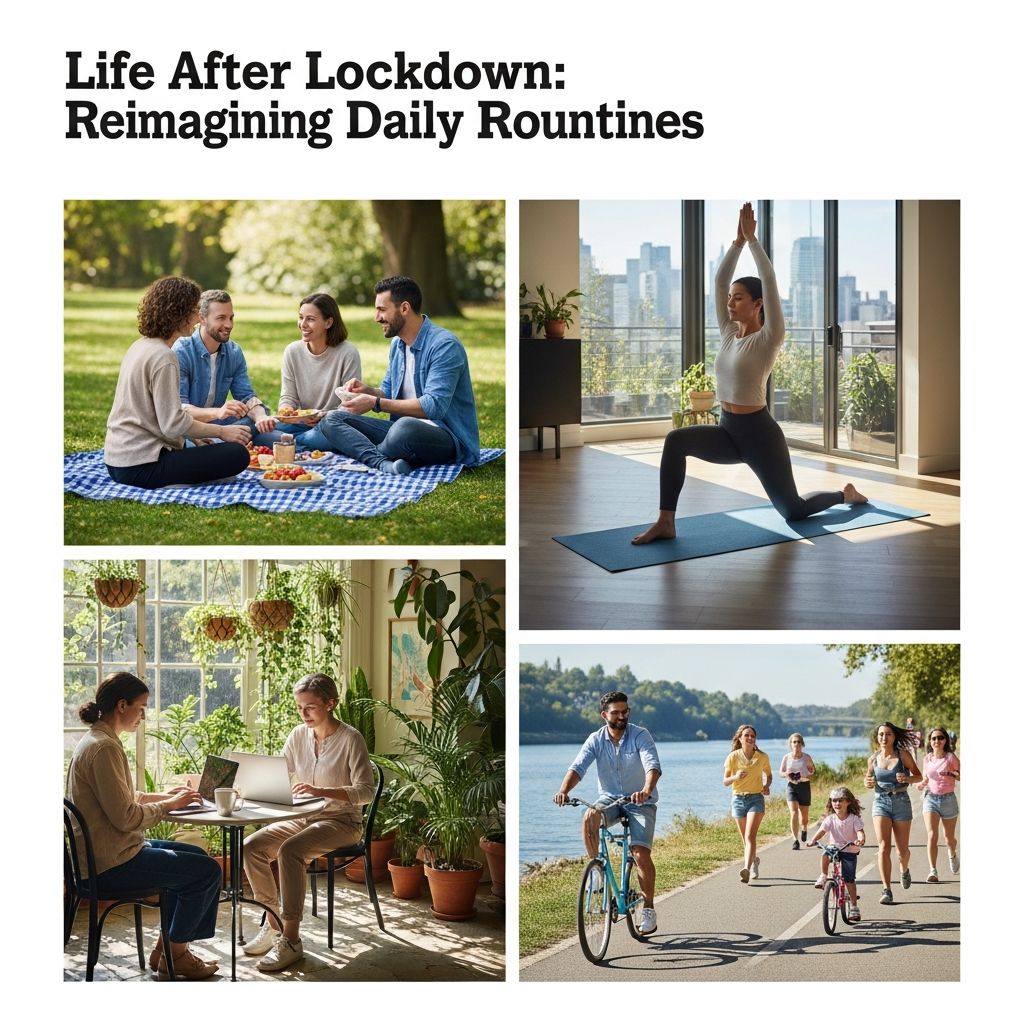
The pandemic reshaped how families interact, amplifying virtual bonds while straining in-person ones. Now, parents envision daily life infused with intentional togetherness. Simple acts like shared meals without screens or weekend park outings top many lists, emphasizing quality over quantity in time spent.
Lessons from the crisis highlight the need for emotional check-ins. Families plan regular ‘heart talks’ where children express feelings about school reopenings or lingering health fears. This approach builds trust and emotional intelligence, crucial as society normalizes.
- Prioritize unhurried mornings: Ditch rushed routines for breakfast chats that set positive tones.
- Weekly family councils: Discuss wins, challenges, and dreams to maintain open communication.
- Shared hobbies: Introduce gardening or cooking projects to create new traditions.
With SNAP benefits adjustments post-emergency, like reinstated work requirements for some adults, families adapt by community gardening or bulk cooking to stretch resources while bonding.
Reviving Travel and Adventure with Kids
Quarantines grounded dreams of exploration, but post-pandemic wanderlust surges. Parents dream of road trips to national parks, beach getaways, or international jaunts once borders fully reopen. The key? Child-centered planning that balances excitement with safety.
Many prioritize domestic destinations first, citing eased testing requirements after May 2023. Families pack ‘adventure kits’ with games, journals, and healthy snacks, turning travel into educational odysseys. Teaching kids about local history or ecology enriches these journeys.
| Destination Type | Family Benefits | Preparation Tips |
|---|---|---|
| Beach Vacations | Relaxation, water play | Sunscreen, floaties, tide charts |
| Mountain Hikes | Physical challenge, nature immersion | Sturdy shoes, hydration packs, maps |
| City Explorations | Cultural exposure, museums | Public transit passes, audio guides |
Budget-conscious parents eye glamping or staycations, blending novelty with affordability amid economic shifts from pandemic aid reductions.
Health and Wellness: Building Lasting Habits
Pandemic fatigue underscored mental and physical health’s importance. Parents now commit to routines blending movement, nutrition, and mindfulness. Home workouts evolved into family yoga sessions, while meal prepping became a staple for sustained energy.
With free vaccines continuing via government distribution, families stay protected without cost barriers. Incorporating ‘wellness walks’—evening strolls for decompression—helps combat screen overload. Nutrition shifts toward whole foods mirror SNAP’s post-emergency focus on self-sufficiency.
- Daily movement: 30 minutes of play-based exercise for all ages.
- Mindful eating: Involve kids in grocery choices and cooking.
- Sleep sanctuaries: Wind-down rituals free from devices.
Work-Life Harmony for Modern Parents
Remote work’s silver lining persists, with hybrid models allowing flexibility. Parents cherish drop-offs at school gates, savoring those fleeting moments. Yet, boundaries blur, so many designate ‘work-free zones’ at home.
Medicaid unwinding post-April 2023 means navigating insurance transitions, prompting families to explore employer plans or ACA marketplaces. This shift inspires side hustles like crafting or tutoring, turning passions into income while modeling entrepreneurship for kids.
Strengthening Community Ties Post-Isolation
Lockdowns frayed social fabrics, but renewal begins with playdates, PTA involvement, and neighborhood events. Parents organize ‘pandemic gratitude potlucks,’ sharing stories of survival and hope. These gatherings rebuild support networks vital for child-rearing.
Volunteering emerges as a family value, from food bank shifts to beach cleanups. Such activities instill civic duty, countering individualism amplified by isolation.
Educational Shifts: From Screens to Real-World Learning
Virtual schooling’s pros—flexibility, tech savvy—linger, but hands-on experiences reignite curiosity. Parents supplement with museum memberships, science camps, and library programs. Post-peak planning emphasizes surge-ready education systems.
Addressing learning gaps, families hire tutors or join co-ops. Emphasis on life skills like budgeting or conflict resolution prepares kids for uncertainties.
Financial Resilience in Uncertain Times
Hospital funding cuts and benefit changes strain budgets, yet parents adapt with emergency funds and debt reduction plans. Teaching kids about money through allowance systems fosters responsibility. Community swaps for clothes and toys cut costs while promoting sustainability.
- Track expenses via apps tailored for families.
- Invest in experiences over things.
- Explore micro-investments for long-term security.
Sustainable Living: Lessons from Confinement
Less travel sparked eco-awareness; now, families pledge zero-waste kitchens and public transit use. Backyard composting and veggie patches teach stewardship. Aligning with global preparedness like the WHO Pandemic Agreement, these habits build planetary resilience.
Self-Care Renaissance for Exhausted Parents
Burnout’s toll demands renewal. Parents schedule solo coffee dates, hobby revivals like painting, or therapy sessions. Modeling self-care shows kids healthy boundaries. Post-pandemic, mental health resources expand, mirroring WHO’s equity focus.
Frequently Asked Questions
What changes occurred after the U.S. COVID-19 public health emergency ended?
Key shifts included ending free at-home tests coverage by insurers, Medicaid eligibility reviews, and SNAP emergency allotments, though vaccines remained free.
How can families prepare for future health crises?
Stock essentials, maintain vaccination schedules, and build community networks, as advised in WHO post-pandemic guidelines.
Is travel safe for families now?
Yes, with ongoing vaccine access and reduced restrictions; focus on destinations with family amenities and health protocols.
How to balance work and family post-hybrid era?
Set clear boundaries, use flexible hours, and involve kids in routines to foster harmony.
What are long-term pandemic lessons for parenting?
Prioritize adaptability, emotional health, and community, preparing for waves as per global reports.
References
- How will life change once the COVID-19 emergency ends? — WHYY. 2023-05-01. https://whyy.org/articles/covid-19-emergency-ending-changes/
- RECOMMENDED ACTIONS BEFORE, DURING AND AFTER … A Pandemic — NCBI/PMC. 2007-01-01 (authoritative WHO planning doc). https://www.ncbi.nlm.nih.gov/books/NBK143063/
- End of the Federal COVID-19 Public Health Emergency — CDC. 2023-05-11. https://archive.cdc.gov/www_cdc_gov/coronavirus/2019-ncov/your-health/end-of-phe.html
- Six years after COVID-19’s global alarm: Is the world better prepared — WHO. 2026-02-02. https://www.who.int/news/item/02-02-2026-six-years-after-covid-19-s-global-alarm-is-the-world-better-prepared-for-the-next-pandemic
- COVID-19 Response and Recovery — U.S. State Department. 2025-01-20. https://2021-2025.state.gov/covid-19-recovery/