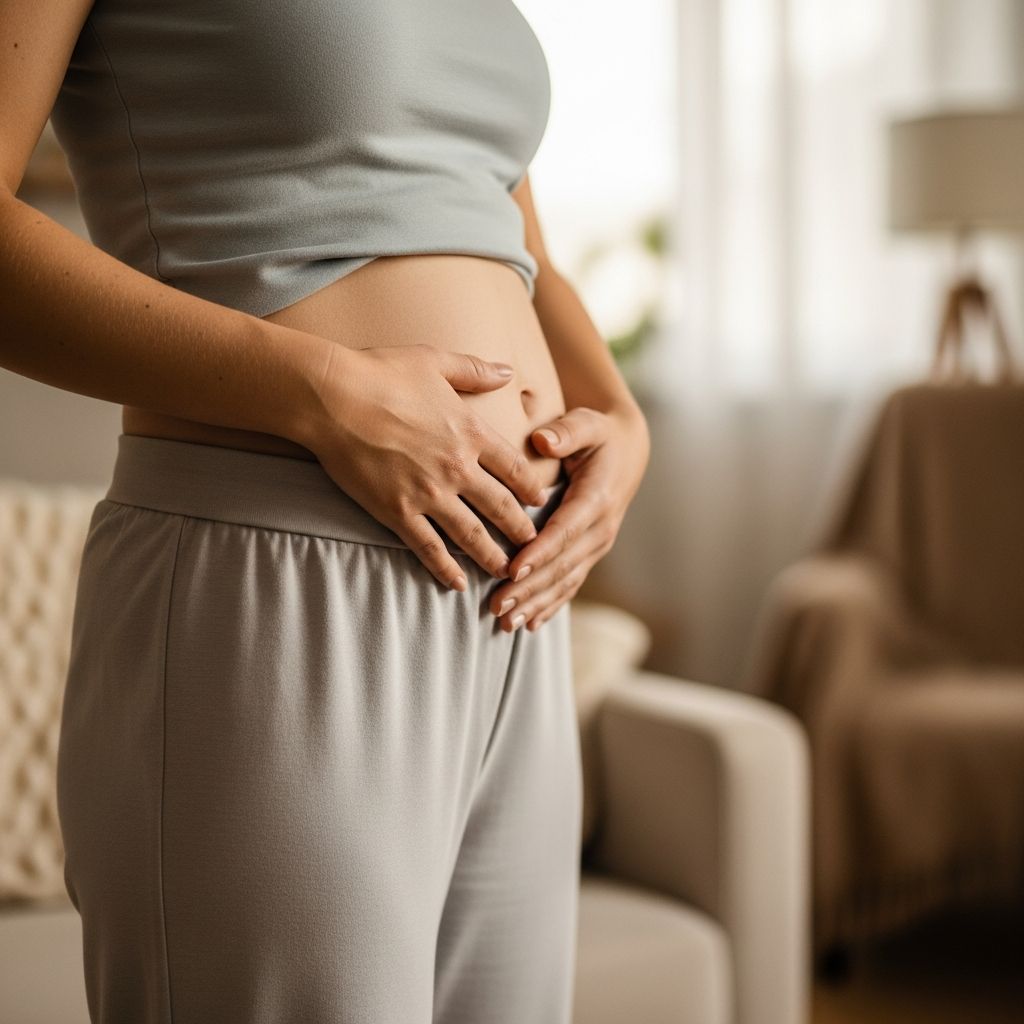
Post-cesarean swelling is a frequent occurrence during the initial recovery phase, stemming from the body’s natural healing mechanisms combined with physiological changes from pregnancy and surgery. This comprehensive guide explores the underlying reasons, practical management approaches, recovery expectations, and critical indicators for professional intervention to support new mothers through this transitional period.
Understanding the Roots of Postpartum Swelling
Swelling, medically termed edema, arises when excess fluid accumulates in body tissues, particularly noticeable in the abdomen, legs, feet, hands, and face after a C-section. During pregnancy, blood volume expands by up to 50% to nourish the fetus, and delivery—especially surgical—triggers fluid shifts as the body eliminates this surplus through the urinary system and lymphatics.
Intravenous fluids administered during the procedure further contribute, as they temporarily increase overall fluid load, often manifesting as puffiness around the incision site and lower extremities. Surgical trauma prompts an inflammatory response, directing additional fluid to the affected area to facilitate tissue repair, which peaks in the first week postpartum.
Hormonal fluctuations post-delivery exacerbate fluid retention, while reduced mobility from pain and hospital stays hinders natural drainage via gravity and muscle contractions. For C-section patients, these factors compound compared to vaginal births due to extended bed rest and procedural specifics.
Recognizing Normal Versus Concerning Swelling Patterns
Typical swelling begins immediately post-surgery, intensifying over 24-48 hours before gradually subsiding within 1-2 weeks as fluids redistribute. It often presents as soft, pitting edema—where pressing leaves a temporary dent—and may accompany mild bruising from minor vessel disruptions.
However, persistent or worsening swelling beyond two weeks, unilateral leg involvement, or associated calf pain could signal complications like deep vein thrombosis (DVT), a risk heightened by immobility and surgical factors. Infections might cause localized hot, red, tender swelling with fever, while seromas (fluid pockets) or hematomas (blood collections) create firm lumps near the incision.
| Normal Swelling Features | Warning Signs |
|---|---|
| Bilateral, improves with elevation | Sudden one-sided leg pain/swelling |
| Mild, resolves in 7-14 days | Redness, warmth, pus at incision |
| Associated with IV fluids history | Fever >100.4°F or chills |
| Pitting on pressure | Shortness of breath, chest pain |
This table outlines key differentiators; consult a healthcare provider promptly for any red flags.
Practical Strategies to Alleviate Swelling at Home
Effective self-care accelerates resolution while minimizing discomfort. Prioritize rest balanced with gentle mobility: short walks promote circulation without strain, starting as soon as hospital discharge allows.
- Elevate extremities: Prop feet above heart level 15-20 minutes several times daily to leverage gravity for drainage.
- Cold therapy: Apply wrapped ice packs to swollen areas for 15 minutes every 2-3 hours in the first 48 hours to constrict vessels and curb inflammation.
- Transition to warmth: After initial puffiness eases, use warm compresses to enhance blood flow and reabsorption.
- Compression aids: Medical-grade stockings or postpartum binders support venous return; obtain provider approval first.
- Hydration and diet: Consume 8-10 glasses of water daily and potassium-rich foods (bananas, spinach) to counter sodium retention; reduce salt intake.
A simple lymphatic drainage routine can further aid: Gently massage in circular motions starting at collarbone nodes (8-10 circles per side), then armpits and groin, directing fluid toward natural exit points. Avoid direct incision pressure until cleared.
Recovery Timeline: What to Anticipate Week by Week
C-section healing unfolds in distinct phases, with swelling mirroring this progression.
Days 1-7: Acute Inflammatory Stage
Peak swelling occurs as fluids mobilize to the site; expect abdominal bloating, foot puffiness, and incision tenderness. Focus on rest, ice, and elevation; hospital monitoring ensures stability.
Weeks 2-4: Proliferative Tissue Building
Edema diminishes as new cells form; itching or shooting pains signal nerve recovery. Introduce light activity like household tasks; swelling in limbs often resolves substantially.
Weeks 6-12: Remodeling and Maturation
Residual puffiness fades; collagen strengthens scar tissue. Full activity resumption, including exercise, typically follows clearance at 6-week checkup. Some notice a persistent ‘shelf’ from fat redistribution or muscle separation (diastasis recti).
Complete recovery spans 6-8 weeks for most, though subtle changes like minor scarring or laxity may persist up to a year.
Addressing the Persistent Postpartum Pouch
Many experience a ‘C-section shelf’—a soft overhang above the scar—due to fat layering, skin stretching, and potential diastasis recti where abdominal muscles diverge. This improves over months with healing but may linger, influenced by genetics, weight changes, and core strength.
Post-6 weeks, incorporate pelvic floor exercises and gentle core activation (e.g., heel slides, diaphragmatic breathing) under physical therapy guidance. Supportive garments aid contouring during this phase. For diastasis, targeted rehab prevents herniation risks.
Nutrition and Lifestyle for Optimal Healing
A nutrient-dense diet fuels recovery: Protein (lean meats, eggs, legumes) repairs tissues; anti-inflammatory foods (berries, fatty fish, turmeric) combat edema; fiber prevents constipation straining the incision.
Adequate sleep, despite newborn demands, via nap synchronization, bolsters immune function. Avoid heavy lifting (>10 lbs) for 6-8 weeks to safeguard the site.
Frequently Asked Questions
Is all post-C-section swelling harmless?
Most is benign and self-resolving, but monitor for infection or clot signs like unilateral pain or fever; seek immediate care if present.
How long until swelling fully subsides?
Typically 1-2 weeks for major reduction, up to 4-6 weeks completely, varying by individual factors.
Can I exercise to reduce swelling?
Gentle walking yes, from day 1; vigorous activity post-6 weeks clearance to avoid strain.
Does C-section swelling differ from vaginal birth?
Yes, often more intense due to IV fluids, surgery-induced inflammation, and immobility.
What if swelling worsens after a week?
Contact your provider; it may indicate seroma, hematoma, or thrombosis requiring evaluation.
Professional Interventions When Needed
For refractory cases, physicians may recommend diuretics sparingly, ultrasound-guided drainage for seromas/hematomas, or antibiotics for infections. Physical therapy specializes in lymphatic massage and core rehab. In rare DVT instances, anticoagulants manage clots effectively.
Routine follow-ups at 1-2 weeks and 6 weeks track progress; voice concerns early for tailored advice.
References
- C-Section Recovery: Swelling, Bruising & The Shelf — Momcozy. 2023. https://momcozy.com/blogs/momcare/c-section-recovery-swelling
- What to Expect Post C-Section: Swelling, Discharge, and Other — Flo Health. 2024. https://flo.health/being-a-mom/recovering-from-birth/postpartum-problems/c-section-recovery
- Swelling After C-Section: How to Safely Reduce It — Cancer Rehab PT. 2023-09-15. https://cancerrehabpt.com/blog/swelling-after-c-section/
- 5 Things You Should Know About C-Section Recovery — Noodle & Boo. 2023. https://www.noodleandboo.com/blogs/journal/ask-an-expert-q-a-with-liesel-teen-bsn-rn-founder-of-mommy-labor-nurse
- Postpartum Swelling: Causes, Symptoms, and Treatments — Aeroflow Breastpumps. 2024. https://aeroflowbreastpumps.com/blog/postpartum-swelling
- What to Know About Postpartum Swelling — WebMD. 2023-05-10. https://www.webmd.com/baby/postpartum-swelling-what-is-it
- C-section recovery: What to expect — Mayo Clinic. 2024-01-22. https://www.mayoclinic.org/healthy-lifestyle/labor-and-delivery/in-depth/c-section-recovery/art-20047310
- Caesarean section – Recovery — NHS. 2023. https://www.nhs.uk/tests-and-treatments/caesarean-section/recovery/