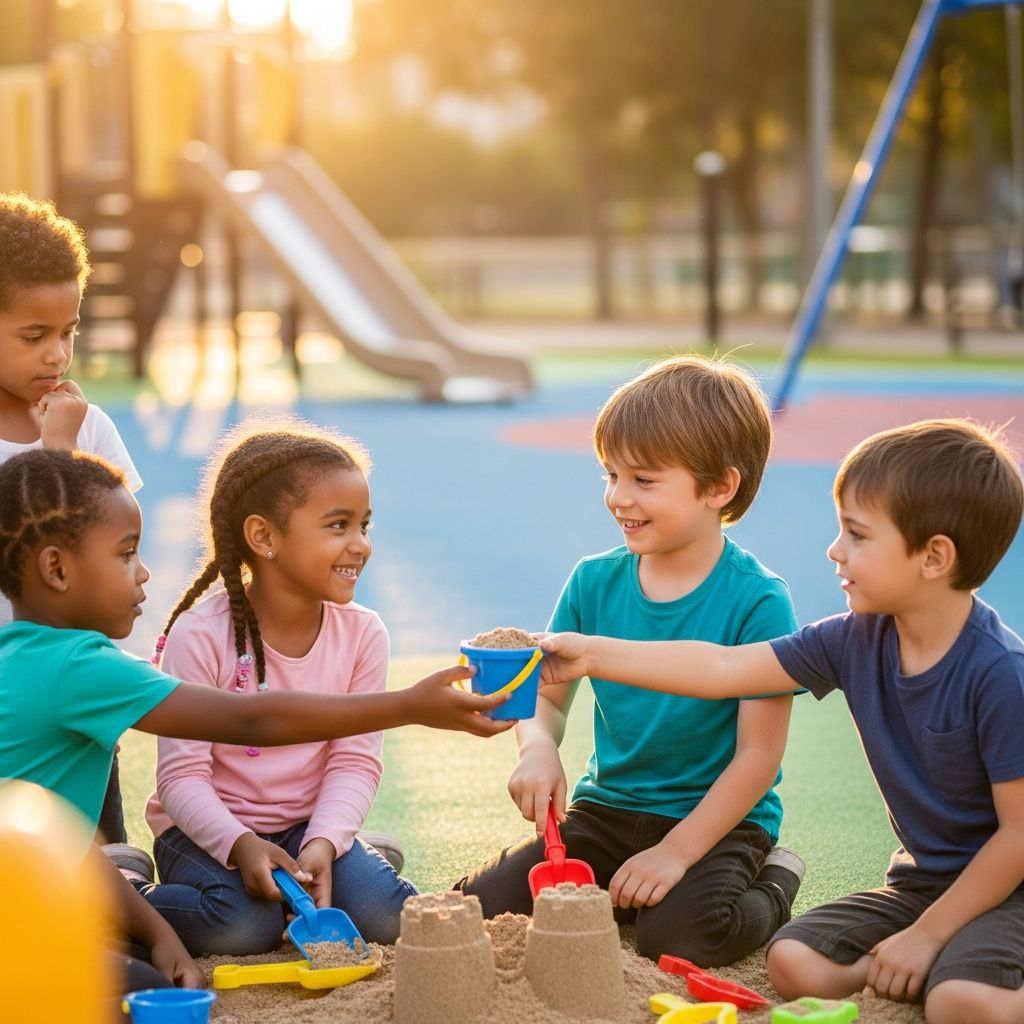
Disciplining school-age children, typically those between 6 and 12 years old, requires a balance of firmness, empathy, and consistency to help them develop self-regulation and responsibility. Unlike younger toddlers, these kids understand complex reasoning, consequences, and social norms, making positive discipline approaches highly effective for long-term behavioral growth.
Understanding the Developmental Stage
School-age children are navigating increased independence, peer influences, and academic pressures. They test boundaries to assert autonomy while seeking parental approval. Effective discipline at this stage emphasizes teaching over punishment, using strategies that build problem-solving skills and emotional intelligence. Research from the American Psychological Association highlights that consistent rules and natural consequences help children internalize expected behaviors. The American Academy of Pediatrics (AAP) stresses modeling calm actions and clear limits to promote healthy development.
During these years, kids’ brains are wired for pattern recognition and social learning. Routines reduce power struggles by providing predictability, allowing cognitive resources for learning rather than defiance. Prioritizing safety rules first, followed by those protecting property and relationships, ensures focus on what matters most.
Building a Foundation with Clear Rules and Expectations
Start by establishing a small set of age-appropriate rules co-created with your child to encourage buy-in. Explain rules simply, using positive language like “We walk carefully indoors to stay safe” instead of negatives. Display them visually on a family chart for reinforcement.
- Keep rules to 3-5 key ones initially, such as respecting others, completing chores, and screen time limits.
- Discuss consequences upfront during calm moments, allowing questions to foster understanding.
- Review and adjust rules quarterly as abilities grow, involving the child in updates.
Consistency is crucial: apply rules uniformly to avoid confusion. The NIH notes that verbal rules paired with supervision support autonomy while maintaining structure.
Positive Reinforcement: The Power of Praise
Praise specific good behaviors liberally to motivate repetition. Instead of “Good job,” say “I appreciate how you shared your toys without being asked—that shows great kindness.” This builds self-esteem and reinforces maturity.
| Behavior Type | Effective Praise Example | Why It Works |
|---|---|---|
| Chore Completion | “You put away your backpack right after school— that’s responsible!” | Links action to value like responsibility |
| Emotional Control | “You took deep breaths when frustrated; that’s a smart way to calm down.” | Teaches self-regulation skills |
| Social Skills | “Inviting your friend to play was thoughtful and made their day.” | Encourages empathy |
Avoid over-praising to prevent dependency; focus on effort over innate traits. Pair with small rewards like extra playtime for sustained motivation.
Implementing Time-Outs and Calm-Down Spaces
Time-outs remain useful for school-age kids losing control, lasting 1 minute per year of age (up to 5-10 minutes max). Choose a boring, reward-free spot like a stair or calm corner stocked with breathing exercises.
- State the misbehavior calmly: “Hitting hurts; time-out now.”
- Ignore during time-out to withhold attention that reinforces negativity.
- After, discuss: “What happened? What can we do differently?” to teach reflection.
For older kids, evolve to “calm-down breaks” where they self-select space for regulation, promoting independence.
Natural and Logical Consequences
Link outcomes directly to actions for real-world learning. If a child forgets homework, they experience the teacher’s natural response rather than parental rescue. Logical consequences, like losing toy access after breaking one, teach accountability without resentment.
- Natural: Forgot lunch? Hungry at school (safely).
- Logical: Drew on walls? Cleans it up and loses markers temporarily.
- Destroy toys? No replacements until saved allowance covers new ones.
Apply immediately and unemotionally, explaining the connection: “When we don’t pick up toys, they break—no toys means we learn to care for them.” Advance discussion prevents surprises.
Handling Common Challenges
Dealing with Backtalk and Defiance
Backtalk signals frustration or testing. Stay calm, ignore minor sass, and address core issue: “I hear you’re upset about bedtime. Let’s talk after lights out.” Offer choices: “Homework now or after snack?” to restore control. Model respectful communication.
Managing Sibling Rivalries
Intervene neutrally: Separate, then facilitate: “Use words to solve this.” Teach empathy: “How do you think that made your sister feel?” Praise cooperative resolutions.
Screen Time and Technology Battles
Set device rules with timers. Consequences: Extra chore for overrun time. Reward compliance with family game nights.
Modeling Behavior and Parental Self-Control
Children mirror parents, so discipline yourself first. When frustrated, verbalize: “I’m taking a breath to stay calm.” This teaches regulation. MSU Extension emphasizes modeling as a top technique. Use empathy: “I see you’re angry; let’s breathe together.”
Chores and Responsibility Building
Assign age-appropriate tasks: 6-8 year olds tidy rooms; 9-12 handle laundry sorting. Use step-by-step directions and praise progress. Charts track completion for visual motivation.
Communication Strategies for Cooperation
Give one clear directive at a time: “Put shoes by door.” Use visuals, gestures, and positive phrasing. Celebrate tiny compliances to build momentum. For resistance, offer two safe choices: “Walk holding hand or piggyback?”
Fostering Long-Term Self-Discipline
Role-play scenarios during play or media discussions: “What would you do if…” Discuss book characters’ choices to internalize lessons. Consistent routines—homework, meals, bedtime—reduce struggles by creating safety.
Frequently Asked Questions (FAQs)
What age is best to start natural consequences?
From age 3-4, but school-age kids grasp them best with explanations. Always ensure safety first.
How do I stay consistent when tired?
Prepare visual charts and routines in advance. Team up with co-parent for backup. Self-care prevents burnout.
Does punishment like grounding work?
Short-term yes, but pair with teaching. Long grounding (e.g., month) loses impact; use related consequences.
What if my child ignores time-out?
Calmly return without engagement. Consistency builds compliance. Link to privilege loss if needed.
How much praise is too much?
Specific, effort-focused praise 5-10 times daily max. Balance with independence encouragement.
These strategies, drawn from expert guidelines, transform discipline into growth opportunities, strengthening family bonds and equipping kids for life.
References
- Positive Discipline by Age — American Psychological Association. 2023. https://www.apa.org/act/resources/fact-sheets/positive-discipline
- Effective discipline for children — PMC – NIH. 2009-05-01. https://pmc.ncbi.nlm.nih.gov/articles/PMC2719514/
- What’s the Best Way to Discipline My Child? — HealthyChildren.org (AAP). 2023. https://www.healthychildren.org/English/family-life/family-dynamics/communication-discipline/Pages/Disciplining-Your-Child.aspx
- Discipline Tips for Parents & Educators — Conscious Discipline. 2024. https://consciousdiscipline.com/memberships/free-resources/discipline-tips/
- Disciplining school age children (ages 9 – 13) — Happy Parenting and Families. 2023. https://happyparentingandfamilies.com/disciplining-school-age-children/
- Teaching parents about positive discipline strategies — Norton Healthcare Provider. 2023. https://nortonhealthcareprovider.com/news/positive-discipline
- Discipline: A Parent’s Guide for School-Age Children — MSU Extension. 2020. https://apps.msuextension.org/montguide/guide.html?sku=MT200501HR