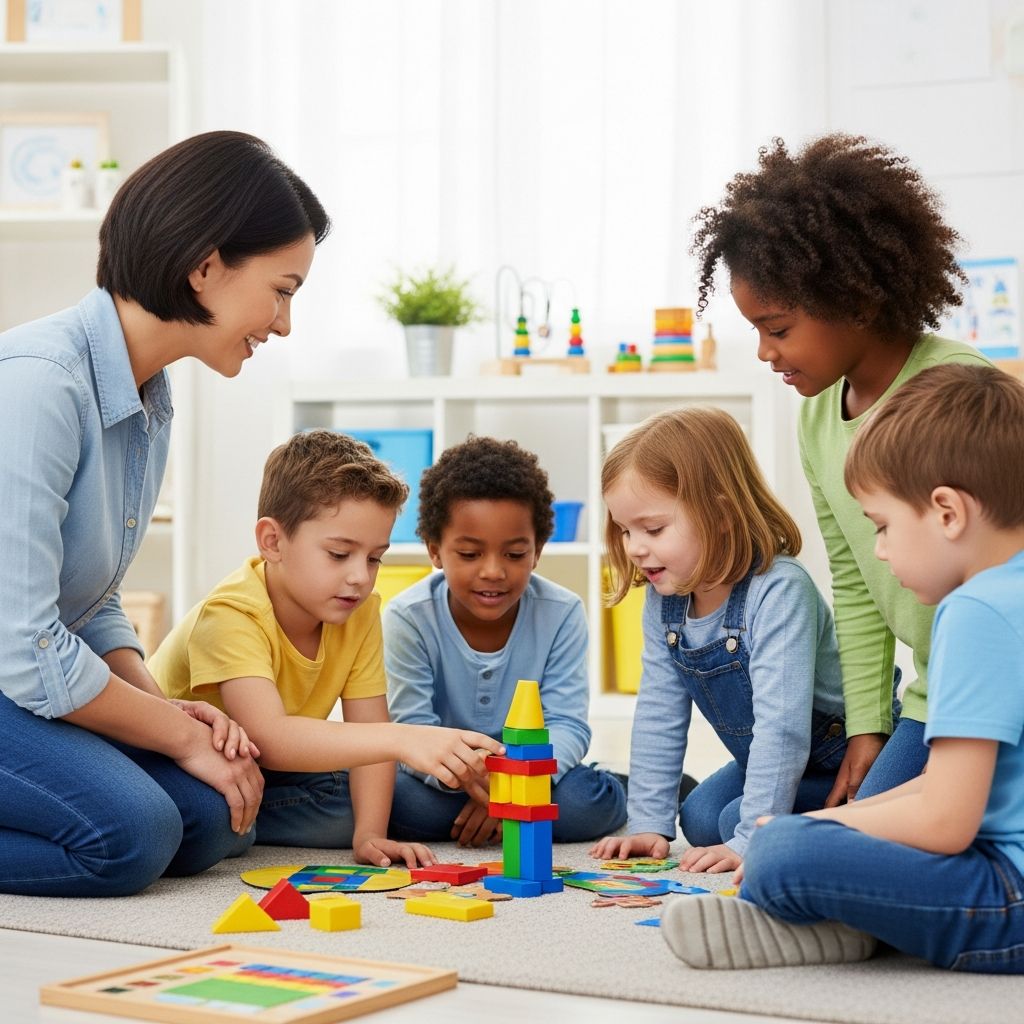
Parents want children who are kind, responsible, and resilient. Positive discipline offers a way to reach those goals without yelling, threats, or harsh punishment. Instead of focusing on fear or shame, it focuses on teaching skills, building connection, and holding firm boundaries with respect.
What Is Positive Discipline?
Positive discipline is an approach to guiding children’s behavior that combines warmth, respect, and clear limits. It is neither harsh nor permissive. Instead of asking “How do I make my child obey right now?” it asks “How do I teach my child to do better next time?”
Core ideas include:
- Being kind and firm at the same time
- Focusing on connection and belonging, not fear
- Looking for the belief or need behind behavior, not just the behavior itself
- Using teaching, problem-solving, and encouragement instead of punishment
- Helping children develop self-regulation, empathy, and responsibility
Positive Discipline vs. Punishment and Permissiveness
Many parents feel stuck between being too strict or too lenient. Positive discipline offers a third path.
| Approach | Main Focus | Typical Adult Response | Common Child Experience |
|---|---|---|---|
| Punitive / Harsh | Obedience and control | Yelling, threats, shaming, physical punishment | Fear, resentment, secrecy; short-term compliance |
| Permissive | Avoiding conflict | Few limits, giving in, rescuing from consequences | Confusion, insecurity, difficulty with self-control |
| Positive Discipline | Teaching skills and values | Clear rules, calm follow-through, empathy, problem-solving | Respect, guidance, growing responsibility and competence |
Why Positive Discipline Works
Research on structured positive discipline programs shows that parents who learn these methods often report:
- Less authoritarian and less permissive parenting styles
- Lower parenting stress
- Improvements in children’s academic competence and reductions in hyperactive or externalizing behavior
These outcomes are similar to those linked with authoritative parenting, which balances warmth with clear expectations and is consistently associated with better social and academic outcomes for children.
Foundations of Respectful Discipline
Before any strategy can work, certain foundations need to be in place.
1. Connection Before Correction
Children are more open to guidance when they feel safe and understood. A strong parent–child relationship is a protective factor for mental health and behavior problems.
Practical ways to strengthen connection:
- Offer daily one-on-one time, even 10 minutes of full attention
- Use warm eye contact, gentle touch, and a calm tone
- Notice and comment on efforts, not just results
- Listen to their stories, worries, and ideas without rushing to fix
2. Calm Comes First
Positive discipline requires an adult nervous system that is as steady as possible. Children learn self-regulation partly by experiencing a regulated adult.
Helpful calming tools for parents include:
- Pausing and breathing slowly before responding
- Stepping away briefly when safe, to regain composure
- Using short, simple phrases instead of long lectures
- Having a plan for tricky times (bedtime, mornings, transitions)
3. Clear Values and Long-Term Goals
Instead of reacting only to what is happening in the moment, positive discipline asks: “What skill or value do I want my child to learn here?” Typical long-term goals include:
- Managing strong feelings without hurting self or others
- Taking responsibility for actions
- Showing empathy and respect
- Solving problems and making repairs
Key Positive Discipline Strategies
The following tools translate the philosophy of positive discipline into everyday action.
1. Set Firm, Kind Boundaries
Children need consistent limits to feel secure. Clear rules reduce power struggles because everyone knows what to expect.
Guidelines for effective boundaries:
- Use simple, specific language (e.g., “Toys stay on the floor” rather than “Be good”).
- State what is allowed, not just what is forbidden.
- Match expectations to the child’s age and abilities.
- Repeat calmly and consistently; avoid long explanations in heated moments.
2. Use Natural and Logical Consequences
Instead of arbitrary punishments, positive discipline relies on consequences that are directly related to the behavior and are delivered with respect, not anger.
- Natural consequences happen on their own (e.g., a child who forgets their homework experiences the teacher’s response).
- Logical consequences are planned and connected to the action (e.g., a child who throws blocks loses access to the blocks for a while).
To keep consequences constructive:
- Make sure they are related, reasonable, and respectful.
- Use a neutral tone; avoid lectures or shame.
- Follow through consistently, but stay open to problem-solving once everyone is calm.
3. Redirect and Teach
For young children especially, misbehavior often reflects a lack of skill, not defiance. Redirecting offers a more appropriate action and gives them a chance to succeed.
Examples of redirection and teaching:
- “Crayons are for paper. Let’s color here instead of the wall.”
- “You can jump on this cushion, not on the table.”
- “Hands are not for hitting. You can say ‘Stop’ or come get me.”
Over time, repetition of these small lessons builds real self-control and social skills.
4. Encourage, Don’t Bribe or Shame
Positive discipline uses encouragement to build internal motivation, rather than relying heavily on rewards or fear of punishment.
Encouragement focuses on:
- Effort and progress instead of perfection
- Specific actions instead of vague labels (e.g., “You worked hard to clean up your toys.”)
- Inviting the child to notice how their actions help others
This helps children connect positive behavior with their own values and a sense of competence, not just external approval.
5. Practice Active Listening
Many behavior challenges are expressions of big feelings. Active listening helps you understand what is driving the behavior and shows your child that their emotions matter.
Key elements of active listening:
- Get down to the child’s eye level
- Reflect back what you hear (e.g., “You’re upset because you wanted another turn.”)
- Label feelings when possible (“That looks like frustration.”)
- Pause to let them talk instead of rushing to correct
6. Involve Children in Problem-Solving
Older preschoolers and school-age children can help find solutions to recurring problems. Collaborative problem-solving builds responsibility, empathy, and critical thinking.
A simple problem-solving process:
- Describe the problem without blame.
- Ask for your child’s ideas and share your own.
- Choose a solution together and agree on what each person will do.
- Review later: Did it help? What needs to change?
Positive Discipline at Different Ages
Positive discipline is flexible. The core principles stay the same, but strategies adjust as children grow.
Infants and Toddlers
- Focus on safety, routines, and soothing.
- Prevent problems by childproofing and staying close.
- Use redirection, brief explanations, and plenty of supervision.
- Remember that tantrums are a normal sign of an immature nervous system, not bad intentions.
Preschoolers
- Introduce a few clear, simple rules and repeat them often.
- Use visual cues and routines (pictures for bedtime steps, morning checklist).
- Rely on redirection, natural and logical consequences, and lots of practice.
- Help them name feelings and try basic problem-solving with support.
School-Age Children
- Explain the reasons behind rules in age-appropriate ways.
- Invite participation in setting family agreements about chores, screen time, and homework.
- Use structured consequences (like loss or delay of privileges) that are connected to the issue.
- Encourage reflection: “What could you do differently next time?”
Common Challenges and How to Respond
Trouble Staying Consistent
Consistency is one of the strongest predictors of children’s cooperation and sense of security, but it is also one of the hardest parts for adults.
To improve consistency:
- Choose just one or two behaviors to focus on at a time.
- Make simple family rules and post them where everyone can see.
- Agree with other caregivers on how you will respond to key issues.
- Expect setbacks and treat them as chances to adjust your plan.
Feeling Guilty About Saying “No”
Some caregivers avoid limits because they fear damaging the relationship. In reality, respectful boundaries are an important part of feeling loved and safe.
It can help to remember:
- Children feel more secure when adults are predictable and reliable.
- Empathy plus a firm limit is not cruel; it is clear.
- Over time, consistent limits reduce power struggles and emotional storms.
Managing Your Own Triggers
Many adults were raised with harsh discipline or chaos and may find positive discipline unfamiliar. Noticing your own reactions is part of the work.
Supportive steps include:
- Identifying specific behaviors that trigger you and planning responses in advance
- Practicing brief calming techniques daily, not just in crises
- Seeking parenting education, peer support groups, or professional guidance if needed
Frequently Asked Questions
Does positive discipline mean there are no consequences?
No. Positive discipline uses consequences that are connected to the behavior and delivered respectfully, instead of arbitrary punishments meant mainly to cause discomfort or fear.
Won’t my child walk all over me if I’m kind?Kindness in positive discipline is always paired with firmness. The goal is to be warm and steady, not to give in. Clear boundaries plus empathy create security, not weakness.
Q: Is positive discipline backed by research?
Studies of positive discipline programs show reductions in harsh and permissive parenting, lower stress for parents, and improvements in children’s academic competence and behavior, suggesting real benefits when these strategies are applied consistently.
Can I start positive discipline if my child is already older?
Yes. While it is easier to build healthy patterns early, school-age children and even adolescents can respond well when adults shift toward more respectful communication, consistent boundaries, and collaborative problem-solving.
What if my partner parents very differently?
You do not have to agree on everything to make progress. Start by discussing your long-term hopes for your child, learn about positive discipline together if possible, and try to agree on a few shared rules and responses in key areas while respecting each other’s learning curve.
References
- 7 Effective Strategies for Positive Discipline: A Nurturing Approach — Nurturing Parenting. 2023-06-01. https://www.nurturingparenting.com/blog/7-effective-strategies-for-positive-discipline-a-nurturing-approach/
- Effectiveness of Positive Discipline Parenting Program on Parenting Style and Child Outcomes — Journal of Family Psychology (via PubMed Central). 2022-10-21. https://pmc.ncbi.nlm.nih.gov/articles/PMC9560916/
- Positive Discipline Raises Happy, Healthy Kids; Here’s How — SwimLabs. 2021-08-15. https://www.swimlabs.com/blog/positive-discipline-raises-happy-healthy-kids-heres-how
- About Positive Discipline — PositiveDiscipline.com. 2023-01-10. https://www.positivediscipline.com/about-positive-discipline/
- Positive Discipline Methods for Children — Military OneSource. 2022-05-30. https://www.militaryonesource.mil/parenting/new-parents/tips-for-disciplining-your-child/
- Positive Parenting Strategies — TIPPS, Mississippi State University Extension. 2021-09-01. https://tipps.extension.msstate.edu/positive-parenting-strategies