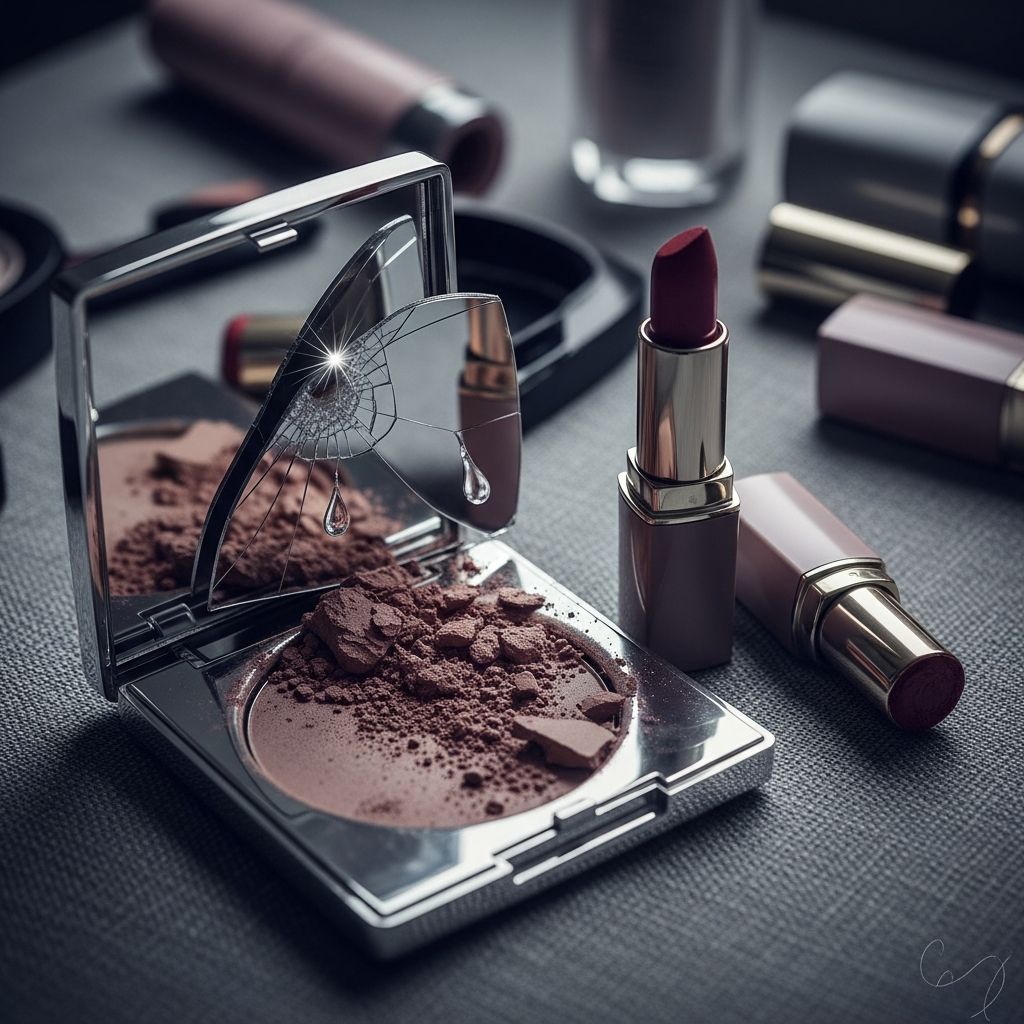
Every beauty lover eventually faces the same brutal moment: that tiny “discontinued” label next to a beloved lipstick, foundation, or moisturizer. It feels unfair, personal even, especially when the product has been the quiet hero of your daily routine.
This guide explains why products disappear, how to track down remaining stock safely, how to find smart replacements, and how to protect your routine from future heartbreak.
Why Beauty Brands Discontinue Products
Discontinuations rarely happen at random. Behind every vanished mascara or toner, there is usually a mix of business, regulatory, and trend-driven reasons that influence brand decisions.
Understanding these reasons will not bring your favorite item back, but it will help you respond strategically instead of emotionally.
Common Reasons Products Disappear
- Slow sales overall: Even cult favorites can sell poorly at scale. If a product underperforms across regions, it becomes hard for a brand to justify manufacturing, warehousing, and marketing costs.
- Ingredient changes or bans: New regulations, safety data, or brand-wide reformulations sometimes require entire product lines to be updated or removed.
- Rebranding and trend shifts: Companies routinely streamline their ranges to match current trends (for example, skin tints replacing heavier foundations) or new brand identities.
- Packaging and supply issues: When packaging components or raw materials become unavailable or too expensive, brands may discontinue a product instead of fully redesigning it.
- Seasonal or limited-edition launches: Holiday palettes and special collaborations are often never meant to be permanent, no matter how beloved they become.
What This Means for Your Routine
Once a product is on the chopping block, brands rarely reverse course unless there is massive, sustained demand. Treat every favorite as potentially temporary, and keep backup options in mind before a discontinuation happens.
Approaching your routine like a flexible system instead of a fixed set of holy grails makes any discontinuation much less disruptive.
Spotting Discontinuation Warning Signs Early
Products almost never disappear overnight without subtle clues. If you learn to recognize those clues, you can act before shelves are empty and shades are gone.
Signals Your Favorite Product May Be at Risk
- Frequent “out of stock” notices: If a product is regularly unavailable on brand and retailer sites without clear restock dates, it may be on its way out.
- Quiet removal from displays: When testers vanish from in-store displays or get moved to clearance sections, that is usually not a good sign.
- Reduced shade range: A shrinking shade lineup for a foundation, lipstick, or concealer often means the entire range will be phased out next.
- Updated or “improved” version: When a brand launches a new formula that heavily resembles your old favorite, the original often disappears shortly afterward.
- Official brand responses: Customer service replies like “no current plans to restock” or “we recommend trying X instead” usually indicate a permanent change.
Quick Actions When You Notice Red Flags
- Purchase one or two backups if your budget allows, especially for base products that are hard to match.
- Note the key characteristics of the product (finish, coverage, undertone, scent, texture) so you can search intelligently for alternatives later.
- Check whether the brand is promoting a replacement product and gather samples or minis for testing.
Where and How to Find Discontinued Products
Once something is officially discontinued, your options quickly narrow. The goal is to balance your desire to restock with safety and authenticity, especially when shopping online.
Safe(er) Sources to Check First
- Brand and retailer sale sections: Many companies quietly move discontinued items to hidden or sale pages before pulling them completely.
- Authorized discount outlets: Some retailers work directly with brands to clear old inventory safely, often at a discount.
- Local small shops: Independent pharmacies, salons, and regional beauty stores sometimes hold lingering stock that never sells out.
Shopping Secondhand and Resale Sites Carefully
Resale platforms can be a goldmine for discontinued beauty but require extra caution because cosmetics expire and counterfeit products exist. Always put safety before nostalgia.
- Look for clear photos of the actual item, including batch codes or expiration dates when possible.
- Be wary of prices that are dramatically below or above typical retail; both extremes can be red flags.
- Avoid opened jars, creams, mascaras, or anything that is clearly used, especially for eye and lip products.
Quick Reference: Pros and Cons of Common Sources
| Source | Pros | Cons |
|---|---|---|
| Brand website clearance | Authentic products, fresher stock, clear return policies. | Limited shades left, short window before total sellout. |
| Authorized retailers | Loyalty rewards, customer support, known storage conditions. | Stock disappears quickly, especially in popular shades. |
| Discount and outlet stores | Lower prices, unexpected finds, large assortments. | Items may be older, packaging may be damaged or unboxed. |
| Resale platforms | Rare, limited-edition items, shade ranges long gone from stores. | Risk of counterfeit, expired, or poorly stored products. |
How to Find a Dupe That Actually Feels Right
Finding a replacement is not about chasing the same packaging; it is about matching performance and results. The more clearly you define what you loved, the easier it becomes to find a new favorite.
Step-by-Step Dupe Hunting
- Break down what you loved most: Was it the shade, texture, finish, wear time, scent, or all of the above? Name the top two priorities.
- Identify the product category: For example, “lightweight satin-finish foundation for dry skin” is much easier to replace than “a foundation I liked.”
- Search by texture and finish, not brand alone: Many brands make similar formulas even if the marketing is different.
- Use filters and comparison tools: Online stores often let you filter by finish, coverage, skin type, and undertone.
- Test in natural light: Especially for complexion and lip products, always confirm how they look outside store lighting.
Prioritizing What Matters Most
Most replacements do not match every single quality of the original, so choose your non-negotiables. For a foundation, a correct undertone and compatible formula with your skin type may matter more than packaging or scent.
For a lipstick, the shape of the bullet or case can be nice, but the comfort, pigment level, and staying power are usually more important long term.
Building a Routine That Survives Discontinuations
The antidote to discontinued-product panic is a flexible, layered routine. Instead of relying on one irreplaceable item, build a collection with smart overlap so that no single product holds your entire look hostage.
Practical Strategies for a Resilient Routine
- Always have at least two options per critical step: For essentials like cleanser, moisturizer, foundation, and SPF, maintain a backup product you also like.
- Mix and customize: Use mixers such as white or deepening drops for foundation, or clear gloss over any lipstick, to re-create effects when a specific product is gone.
- Favor core, permanent ranges: Products in a brand’s classic or signature line are less likely to disappear suddenly than limited collaborations.
- Document your winners: Keep notes or photos of labels so you can reference ingredients and finishes if you need to find something similar later.
When to Stock Up (and When Not To)
Buying backups can be smart, but over-stocking leads to waste and clutter. Most cosmetics and skincare products have a limited shelf life after opening, and some begin to degrade even while sealed if stored poorly.
- Consider stocking up modestly on hard-to-replace shades, such as complexion products that perfectly match your undertone.
- Limit backups of trend items like glitter liners or bold lip colors; your preferences and the formulas available often improve with time.
The Emotional Side of Losing a Favorite Product
Feeling oddly sad, irritated, or nostalgic about a discontinued beauty product is more common than many people admit. The connection is not just about pigment or texture; it is often tied to memories and identity.
A lipstick may remind you of a specific era of your life, a fragrance might evoke a relationship or a job, and a foundation shade can represent finally feeling seen and matched correctly.
Healthy Ways to Navigate the Loss
- Allow a little nostalgia: It is okay to miss a product and reminisce about when you first discovered it; that acknowledgment makes it easier to move on.
- Focus on the function, not the object: Ask what role the product played (confidence booster, everyday work staple, special occasion look) and find new tools to fill the same emotional and practical role.
- Turn it into exploration: Use the discontinuation as a reason to try textures, finishes, or brands you would not normally explore.
Smart Ingredient-Focused Shopping for Long-Term Stability
One of the most powerful shifts you can make is to start thinking of products in terms of ingredients and category rather than brand loyalty alone. This mindset makes it far easier to substitute when a favorite disappears.
How to Read Labels Strategically
- Identify the hero ingredients: For skincare, focus on the actives doing the main work (such as niacinamide, vitamin C, or specific exfoliating acids).
- Note the texture type: Gel, cream, balm, oil, and serum textures each behave differently and affect how products layer together.
- Watch for potential irritants: If you know your skin reacts to certain fragrances, alcohol types, or essential oils, use that knowledge when looking for replacements.
Creating an Ingredient “Profile” for Your Favorites
For key products, write down a simple profile: main function, key actives, texture, finish, and how it fits into your routine. Once you have this profile, you can look for products with similar profiles even across different brands or price points.
This approach also reveals patterns, such as discovering that your skin consistently loves certain ingredients or that your preferred foundations share similar finish and coverage descriptions.
Frequently Asked Questions About Discontinued Beauty Products
1. How long can I safely keep a discontinued product?
Most products have a “period after opening” symbol on the packaging (often 6, 12, 18, or 24 months). That guideline is more reliable than calendar years alone. If texture, smell, or color changes, it is safer to retire the product, even if there is still product left inside.
2. Are discontinued products safe to buy years later if they were sealed?
Sealed products may last longer, but factors like heat, light, and storage conditions still affect stability. Color makeup in powder form usually holds up longer than creams, liquids, or anything with water content. When in doubt, prioritize your skin and eye health over nostalgia.
3. Why do brands replace great formulas with “new and improved” versions?
There are many motivations: aligning with new regulations, lowering production costs, simplifying ingredient lists, or appealing to fresh trends. Unfortunately, “improved” often means “different,” which can disappoint loyal users who loved the original feel or finish.
4. Can I reconstruct my favorite shade by mixing products?
In many cases, yes. For example, you can combine a deeper and lighter foundation to match an old shade or layer lip liner and gloss to mimic a discontinued lipstick. Keeping notes about the original shade’s undertone and depth makes these experiments much easier.
5. How can I reduce the chances of facing constant discontinuations?
While you cannot fully control brand decisions, you can reduce disruption by favoring stable, core lines; avoiding over-attachment to limited editions; and maintaining at least one backup option for each crucial step of your routine.
Key Takeaways for Beauty Lovers
Discontinued products are an inevitable part of the beauty landscape, but they do not have to derail your routine or your confidence. Treat your favorites as part of a broader, adaptable system rather than irreplaceable treasures.
By recognizing warning signs early, shopping carefully, thinking in terms of ingredients and performance, and staying emotionally flexible, you can turn the frustration of discontinued products into an opportunity for smarter, more intentional beauty choices.