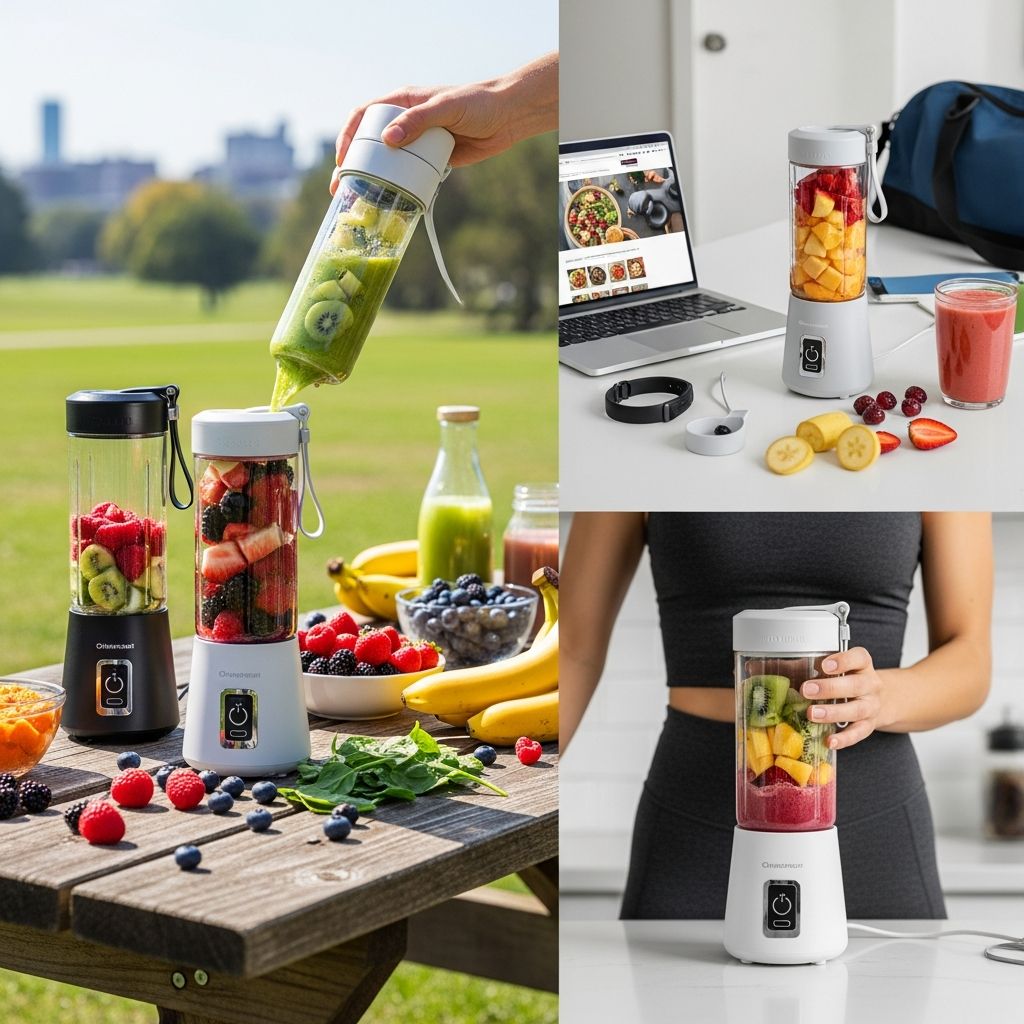
Portable blenders have moved from novelty gadgets to must-have tools for people who want fresh, healthy drinks without being tied to a full-size kitchen appliance. They combine the convenience of a water bottle with the power of a compact blender, so you can blend, sip, and go using a single container.
This guide explains how portable blenders work, who they are best for, which features actually matter, and how to get the most from one in everyday life. It is written as original, practical advice so you can decide whether a portable blender fits your habits and health goals.
What Makes a Blender “Portable”?
Not every small blender counts as portable. A truly portable model is designed to be used away from a traditional kitchen, usually with a rechargeable battery and a drinking lid that turns the blending jar into a cup. The whole idea is to reduce friction so that making a smoothie feels as easy as filling a bottle.
While sizes and shapes vary, most portable blenders fall into the range of a large travel mug. They aim to be light enough to toss in a bag yet sturdy enough to handle daily use and occasional bumps in transit.
Key Benefits of Portable Blenders
For many people, the appeal of a portable blender is less about raw power and more about real-world convenience. Here are some of the most meaningful benefits.
- Healthy choices become easier: When blending is simple and available anywhere, it is much easier to choose a smoothie over a sugary snack or fast food.
- Single-serve control: Portions are naturally limited by the capacity of the cup, which can help with calorie awareness and portion control.
- Less kitchen clutter: A compact device can replace a traditional blender for basic tasks if you mostly make single servings.
- Reduced food waste: It is simple to blend small amounts of leftover fruit, greens, or yogurt into quick drinks instead of letting them spoil in the fridge.
- Kid-friendly and beginner-friendly: Many models use one-button operation, making them unintimidating for kids (with supervision) or anyone new to making smoothies.
Common Use Cases for a Portable Blender
Thinking about where you would actually use a portable blender is the fastest way to tell whether it is worth buying. Below are realistic situations where these little devices shine.
- Morning commute: Blend a smoothie at your desk using pre-cut fruit and a small container of milk or plant-based milk you brought from home.
- Gym and workouts: Mix protein shakes or recovery smoothies immediately after training, without depending on clumpy shaker bottles.
- Office snacking: Turn midday slumps into opportunities for a quick, nutrient-dense drink instead of vending machine snacks.
- Travel and hotels: Use your own ingredients for breakfast in hotel rooms, airports, or vacation rentals without relying on overpriced options.
- Parenting on the go: Blend simple fruit or yogurt purees for toddlers while out and about, when options are limited.
- Small kitchens or dorms: Replace a bulky countertop blender if space and outlets are limited.
Essential Features to Consider Before Buying
Portable blenders vary widely in performance and design. Looking past marketing claims and focusing on a few core specifications makes it easier to choose wisely.
Capacity and Size
Capacity affects both convenience and how satisfying your drink will be. Most portable models range from roughly 10 to 20 ounces. Smaller capacities are lighter and easier to carry, while larger ones support fuller smoothies with more add-ins like oats, nut butters, or greens.
Measure your favorite glass or bottle at home to get a sense of what volume feels right. Oversized cups can be cumbersome, but undersized cups may leave you wishing you had more with each blend.
Motor Power and Blade Design
Because portable blenders are battery-powered, they cannot match a sturdy countertop machine for raw strength. Still, there is a noticeable range in how efficiently they handle frozen fruit, ice, and fibrous vegetables. Stronger motors and well-designed blades create smoother textures with less effort from the user.
Think honestly about what you plan to blend. If your typical drink is banana, yogurt, and soft berries, modest power is fine. If you love ice-heavy frozen drinks or kale smoothies, look for a unit specifically marketed as capable with frozen ingredients and tougher textures.
Battery Life and Charging Options
Battery capacity is a key factor for people who travel, camp, or move between locations all day. Some devices are designed for a handful of blends per charge, while others promise many more cycles if you use soft ingredients and shorter blending times.
Charging ports are another practical consideration. A modern USB-C connection is convenient because the same cable can often charge phones, tablets, and other gear. Built-in indicator lights or simple battery icons help you avoid surprises when you are about to blend.
Weight, Shape, and Grip
Portability is about more than length and volume. A heavy base makes the cup feel awkward in a backpack or cup holder, while a slippery exterior is hard to handle with wet hands from washing or working out. Textured grips, silicone sleeves, or subtle ridges can make a surprising difference in daily comfort.
Also consider whether the blender fits into standard car or stroller cup holders. A slightly tapered base and stable lid often determine whether the device becomes an everyday favorite or stays on the shelf.
Safety and Leak Protection
Portable blenders need extra safety attention because the blades sit inside a vessel you also drink from. Many models use magnetic or mechanical locks that prevent the motor from running unless the lid is securely attached. This is helpful both for safety and for preventing accidental spills inside bags.
Leak resistance is equally important. Look for gaskets or seals inside the lid, tight threading, and designs where the drinking spout can be fully closed when you are not sipping. Users who routinely toss their blender into a bag should test this thoroughly with water before trusting it with smoothies.
Pros and Cons at a Glance
Like any device, portable blenders involve trade-offs. The table below summarizes common advantages and limitations compared with traditional plug-in blenders.
| Aspect | Portable Blender | Countertop Blender |
|---|---|---|
| Power | Moderate; best for soft to moderately firm ingredients. | High; can handle ice, nuts, and tough veggies with ease. |
| Capacity | Single-serve, typically one portion per blend. | Multiple servings; better for families and batch prep. |
| Portability | Lightweight, cordless, and travel-friendly. | Designed to stay in one place, requires outlet. |
| Cleanup | Quick rinse; often self-cleaning with water and soap. | More parts, larger jar, and bulky blades to wash. |
| Noise | Typically quieter due to smaller motors. | Often louder, especially at high speeds. |
| Cost | Ranges from budget-friendly to midrange. | Wide range; powerful models can be expensive. |
Practical Tips for Getting the Best Blends
Even a strong portable blender will struggle if ingredients are added in the wrong order or in extreme quantities. Small changes in how you layer and pre-prep can dramatically improve the blending experience and the final texture.
- Start with liquids: Pour in water, milk, or juice first so the blades have space to move and pull in solids instead of getting stuck.
- Use smaller pieces: Cut fruit, vegetables, and even ice into smaller chunks. This minimizes strain on the motor and leads to smoother blends.
- Avoid overfilling: Leave space at the top of the cup to allow circulation and expansion, especially when using powders or leafy greens.
- Pulse in short bursts: For thick mixtures, short pulses help ingredients settle between cycles instead of forming air pockets around the blades.
- Let frozen items soften: A brief rest at room temperature takes the edge off rock-hard frozen fruit or ice, making blending safer and easier.
Cleaning and Maintenance
Proper care extends the life of a portable blender and keeps your drinks tasting fresh. Since the same vessel is used for blending and drinking, good hygiene is especially important.
Most models support a quick self-cleaning method: fill the jar halfway with warm water, add a small drop of dish soap, run the blender for a short cycle, and then rinse well. Doing this soon after each use prevents residue and odors from building up. Avoid fully submerging any part that contains a battery or charging port, and always dry exposed metal contacts before charging.
Who Will Love a Portable Blender—and Who Might Not
Portable blenders work best for people who value convenience and single-serve flexibility over heavy-duty kitchen performance. They are especially well suited for busy professionals, parents on the move, frequent travelers, and students who want easy access to homemade drinks without a full kitchen setup.
On the other hand, anyone who regularly makes large batches of smoothies, blends thick nut butters, or relies on crushed ice for multiple drinks at once may still prefer a traditional countertop blender as a primary tool. In those situations, a portable unit can serve as a helpful complement rather than a replacement.
Ideas for Simple, Portable-Friendly Blends
Because portable blenders have smaller jars and more modest motors, recipes designed for them tend to be simple and efficient. The goal is maximum nutrition and flavor with minimal strain on the device.
- Everyday breakfast smoothie: Soft fruit like banana or berries, a scoop of protein or Greek yogurt, and your choice of milk or plant-based milk.
- Post-workout shake: Protein powder, water or milk, a small amount of nut butter, and a few soft fruit slices for natural sweetness.
- Green refresher: Mild greens such as baby spinach, cucumber slices, a bit of apple or pineapple, and water or coconut water.
- Kid-friendly snack: Yogurt, soft berries or peaches, and a small drizzle of honey or maple syrup if desired.
How Portable Blenders Fit into a Healthy Lifestyle
No blender can guarantee perfect nutrition, but having one within reach removes friction from many small decisions throughout the day. When a quick smoothie or protein shake is as easy as filling a bottle, it becomes more natural to reach for whole foods instead of ultra-processed snacks.
Portable blenders also make it simpler to personalize drinks for specific needs. Whether you are increasing protein intake, boosting fiber with greens and seeds, or sneaking extra produce into a child’s diet, the single-serve format makes experimentation low-risk and low-waste.
Frequently Asked Questions About Portable Blenders
Can portable blenders crush ice and frozen fruit?
Some portable blenders can manage small amounts of ice or frozen fruit, especially when combined with enough liquid, but performance varies widely between models. To protect the motor and blades, it is safer to use smaller ice cubes or allow frozen ingredients to soften slightly before blending.
Are portable blenders safe to use at work or in shared spaces?
Yes, most are safe for offices, gyms, and dorms, provided they are used according to the instructions and not left running unattended. They are usually quieter than full-size blenders, but choosing shorter blend times and softer ingredients can keep noise to a minimum.
How often do they need to be charged?
Charging frequency depends on battery size, how long each blend runs, and what you blend. Light daily use with soft ingredients may only require a charge every few days, while multiple thick smoothies per day will drain the battery more quickly.
Can a portable blender replace a regular blender?
For some people who primarily make single-serve smoothies and shakes, a portable blender can function as the main blending tool. However, households that prepare large volumes, thick mixtures, or recipes like soups and nut butters usually benefit from keeping a full-size blender as well.
Are the cups and blades dishwasher-safe?
Many models allow the cup or lid to go on the top rack of the dishwasher, but the motorized base almost never should. Always check the manual; when in doubt, wash by hand and avoid prolonged soaking of parts that include seals or electronic components.
Is a portable blender worth the investment?
It is worth it if you realistically see yourself using it several times per week in places where a regular blender is not available or convenient. When a portable blender supports routine, repeatable habits—like a daily smoothie at work or a post-gym shake—it tends to pay off quickly in both money saved and healthier choices made.