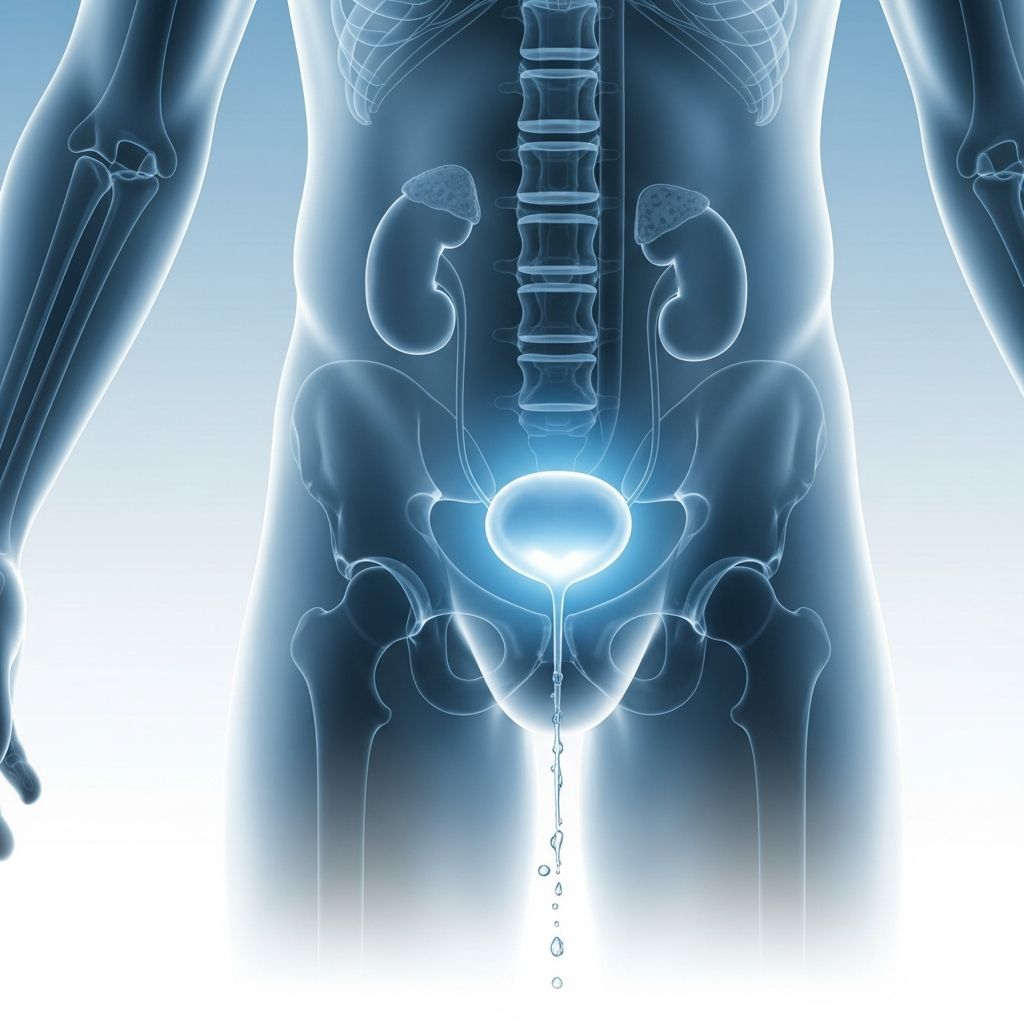
Needing to pee often and passing large amounts of urine can be confusing and embarrassing, especially during the teen years. Polyuria is the medical term for producing much more urine than usual in a day, and it can sometimes signal an underlying health problem that needs attention.
What Does “Polyuria” Actually Mean?
Polyuria describes a pattern where a person produces an unusually large volume of urine over 24 hours, not just going to the bathroom more often with tiny amounts. In adults this is usually defined as more than about three liters of urine per day, while in children and teens the amount is adjusted for body size but still represents a clear increase over what is typical for that person.
It also helps to separate polyuria from urinary frequency. Frequency means going to the bathroom many times a day, but sometimes only passing small amounts of urine, such as with bladder irritation or anxiety. Polyuria focuses on total volume, which is why doctors often ask both how often someone urinates and how much comes out each time.
- Polyuria = unusually high total urine volume in a day.
- Frequency = more trips to the bathroom, even if each one is small.
- Both can occur together, but they do not always mean the same thing.
Why Teens Notice It: Common Everyday Triggers
Not every case of heavy urination points to disease. Many teens temporarily notice more pee output because of changes in what they drink, how active they are, or medications they take. These causes tend to improve once the trigger is removed.
Everyday factors that can lead to short-term polyuria include:
- High fluid intake: Drinking large bottles of water, sports drinks, or soda throughout the day naturally leads to more urine.
- Caffeine intake: Coffee, energy drinks, and some sodas contain caffeine, which can increase urine production.
- Cold weather or stress: Changes in blood flow and body stress responses can temporarily shift how much urine is made.
- Some medications: Medicines such as diuretics (water pills) or certain mental health drugs can increase urine volume as a side effect.
When polyuria is caused by these everyday issues, it usually appears gradually, may come and go, and often improves once the trigger is removed or reduced.
Medical Causes: When Polyuria Signals a Health Problem
Persistent polyuria that does not improve with simple changes, or that comes with other symptoms, can be a sign of an underlying medical condition. Some of these conditions are common and treatable, while others are rare but important to notice early.
Health conditions that can cause ongoing polyuria in teens include:
- Diabetes mellitus (type 1 or type 2): High blood sugar levels spill into the urine and drag extra water with them, leading to large amounts of sweet-smelling urine and intense thirst.
- Diabetes insipidus: A problem with the hormone that helps the kidneys concentrate urine, or with the kidney’s response to that hormone, can cause extremely dilute and abundant urine.
- Kidney problems: Diseases that damage filters or tubules in the kidneys can interfere with the body’s ability to hold on to water and salts.
- Hormone disorders: Conditions affecting adrenal or pituitary hormones may change how the body manages fluid and electrolytes.
- Primary (psychogenic) polydipsia: In some people, especially those with certain mental health conditions or high anxiety, there is a strong drive to drink large amounts of fluid, which naturally leads to polyuria.
Warning Signs That Deserve Quick Medical Attention
Some symptoms along with polyuria suggest a higher risk of serious illness and should prompt a prompt medical visit. These warning signs may indicate severe dehydration, uncontrolled diabetes, infection, or other urgent conditions.
Call a doctor or seek care quickly if polyuria comes with:
- Very strong thirst that never seems satisfied.
- Unexplained or rapid weight loss.
- Extreme tiredness, weakness, or confusion.
- Nausea, vomiting, or belly pain.
- Fever, back or side pain, or burning during urination.
- Sudden change in vision or frequent headaches.
- Feeling faint, dizzy, or having a racing heartbeat.
New or worsening bedwetting after a teen has stayed dry for years, especially when combined with thirst and weight loss, is another reason to get evaluated as soon as possible.
Typical Symptoms Teens May Notice
Besides sheer amount of urine, polyuria often shows up in daily life through patterns that become disruptive. Recognizing these patterns can help a teen decide when to talk to a parent, caregiver, or health professional.
Common experiences can include:
- Going to the bathroom repeatedly during class or activities.
- Needing to get up several times at night to urinate, which can affect sleep.
- Carrying a water bottle everywhere and still feeling thirsty.
- Noticing that urine looks very clear or pale all the time.
- Occasional leaking or accidents because the urge to urinate comes on suddenly.
How Polyuria Differs From Other Urinary Problems
Polyuria is only one of several ways the urinary system can act differently. Other conditions focus more on pain, urgency, or leakage rather than on the amount of urine produced. Understanding the differences can prepare teens to describe symptoms accurately to a doctor.
The table below summarizes some key contrasts:
| Issue | Main Feature | Typical Clues |
|---|---|---|
| Polyuria | High total volume of urine over the day. | Large amounts each time, constant thirst, very pale urine. |
| Frequency | Many toilet trips with small amounts each time. | Feeling like the bladder never fully empties; may be linked to irritation or anxiety. |
| Urinary tract infection | Painful urination and urgency. | Burning, strong smell, cloudy or bloody urine, possible fever or lower belly pain. |
| Overactive bladder | Sudden intense urge to urinate. | Rushing to the bathroom, occasional leaking before reaching the toilet. |
What to Expect at a Doctor Visit
Seeing a doctor about polyuria can feel intimidating, but the goal is to understand what is going on and help a teen feel better and safer. The visit usually begins with questions about symptoms, daily habits, and family medical history, followed by a physical exam.
Questions a doctor may ask include:
- How long increased urination has been happening and whether it started suddenly or gradually.
- How often the teen urinates during the day and at night.
- Whether there is pain, burning, or blood in the urine.
- How thirsty the teen feels and how much they drink daily.
- Any recent weight change, infections, or new medications.
- History of diabetes, kidney disease, or hormone disorders in the family.
Tests That May Be Used
Doctors rely on simple, low-risk tests to understand why a teen is producing so much urine. Not every teen needs every test; the choice depends on the pattern of symptoms and exam findings.
Common tests for evaluating polyuria can include:
- Urinalysis: A sample of urine is checked for sugar, protein, infection cells, and concentration.
- Blood tests: These may measure blood sugar, kidney function, electrolytes, and hormone levels.
- Fluid intake and output diary: For a few days, the teen records how much they drink and how much urine they pass to see patterns and total daily volume.
- Imaging tests: Ultrasound or other scans are sometimes used if structural kidney or bladder problems are suspected.
- Special hormone tests: In certain cases, doctors may use controlled water restriction or hormone injections in a monitored setting to evaluate diabetes insipidus.
Treatment Options: Matching Care to the Cause
There is no single treatment for polyuria because it is a symptom rather than a stand-alone disease. Effective care focuses on correcting the underlying problem, protecting the kidneys, and keeping the body’s fluid and salt levels balanced.
Depending on the cause, treatment may include:
- Diabetes management: For diabetes mellitus, insulin or other medications, along with diet and activity plans, help control blood sugar and reduce excess urination.
- Hormone replacement: For diabetes insipidus due to low hormone production, a synthetic version of the hormone can help the kidneys concentrate urine.
- Medication changes: If a current medicine is increasing urine output, doctors may adjust the dose or switch to another option when safe.
- Treating infections or kidney disease: Antibiotics, anti-inflammatory medicines, or more specialized treatments may be needed depending on the diagnosis.
- Psychological and behavioral care: When excessive drinking is linked to anxiety or other mental health conditions, therapy and mental health medications can be part of the plan.
Daily Tips for Teens Living With Polyuria
While medical treatment addresses the cause, small daily strategies can make life with polyuria easier. These practical steps can help a teen feel more prepared and less anxious during school, sports, and social events.
- Plan regular bathroom breaks before long classes, commuting, or events.
- Wear easily removable clothing like pants with zippers or drawstrings when possible.
- Keep an extra set of underwear and discreet absorbent pads in a backpack if accidents are a concern.
- Stay hydrated, but avoid chugging large amounts of fluid at once unless a doctor advises otherwise.
- Limit caffeine and very sugary drinks that can make polyuria worse.
- Talk with school staff if necessary to arrange flexible bathroom access during class.
Emotional and Social Impact
Polyuria does not just affect the body; it can also influence mood, friendships, and self-confidence. Worry about needing the bathroom or having an accident can lead some teens to avoid social outings, sports, or overnight events.
Supportive steps include:
- Sharing concerns with a trusted adult, such as a parent, guardian, or school counselor.
- Practicing how to explain the condition briefly to close friends so they understand bathroom breaks or water bottle use.
- Seeking mental health support if anxiety, sadness, or embarrassment start to interfere with daily life.
- Remembering that medical conditions are not a personal fault and that many health issues can be managed successfully with proper care.
Preparing for a Medical Appointment
A little preparation can make a doctor visit more efficient and less stressful. Writing down information ahead of time helps teens and families remember details during the appointment and gives the doctor a clearer picture of what is happening.
Before the visit, consider preparing:
- A list of symptoms, including when they started and what makes them better or worse.
- A brief log of how many times per day and night the teen urinates, plus any accidents.
- A list of all medicines, supplements, and herbal products being taken.
- Family history of diabetes, kidney disease, hormone conditions, or psychiatric disorders.
- Questions about daily life, school, sports, or future health that the teen wants to ask.
Frequently Asked Questions About Polyuria in Teens
Is it normal for a teen to pee a lot if they drink a lot of water?
Yes, drinking more automatically leads to more urine, and that can be normal if there are no other symptoms like weight loss, constant fatigue, or severe thirst. However, if a teen suddenly feels compelled to drink very large amounts of water or other fluids and cannot seem to cut back, it is still wise to talk with a health professional.
Can stress alone cause frequent or heavy urination?
Stress and anxiety can increase bathroom trips by making the bladder feel fuller or more urgent even when it is not. In some people, long-term emotional stress can also change drinking patterns, indirectly affecting urine volume, so it is important to mention mood and stress levels during a medical visit.
Does polyuria always mean diabetes?
No, although diabetes is a well-known cause of polyuria, many other conditions can lead to increased urine output. Only proper testing of blood sugar, urine, and other health markers can determine whether diabetes or something else is responsible.
Can polyuria go away on its own?
Polyuria caused by temporary factors like a short course of medicine or a change in drinking habits may improve once those factors change. Polyuria from chronic medical conditions typically needs ongoing care, though treatment often reduces symptoms and protects long-term health.
When should a parent or caregiver seek urgent help?
Urgent help is needed when heavy urination appears suddenly, especially in younger children, or when it is combined with signs such as vomiting, confusion, fast breathing, severe stomach pain, or inability to keep fluids down. These signs may point to serious dehydration or metabolic problems that require prompt medical treatment.
Polyuria is a signal from the body, not something to be embarrassed about or to ignore. For teens, noticing changes early and asking for help leads to better health, more energy, and greater confidence in managing both medical issues and everyday life.