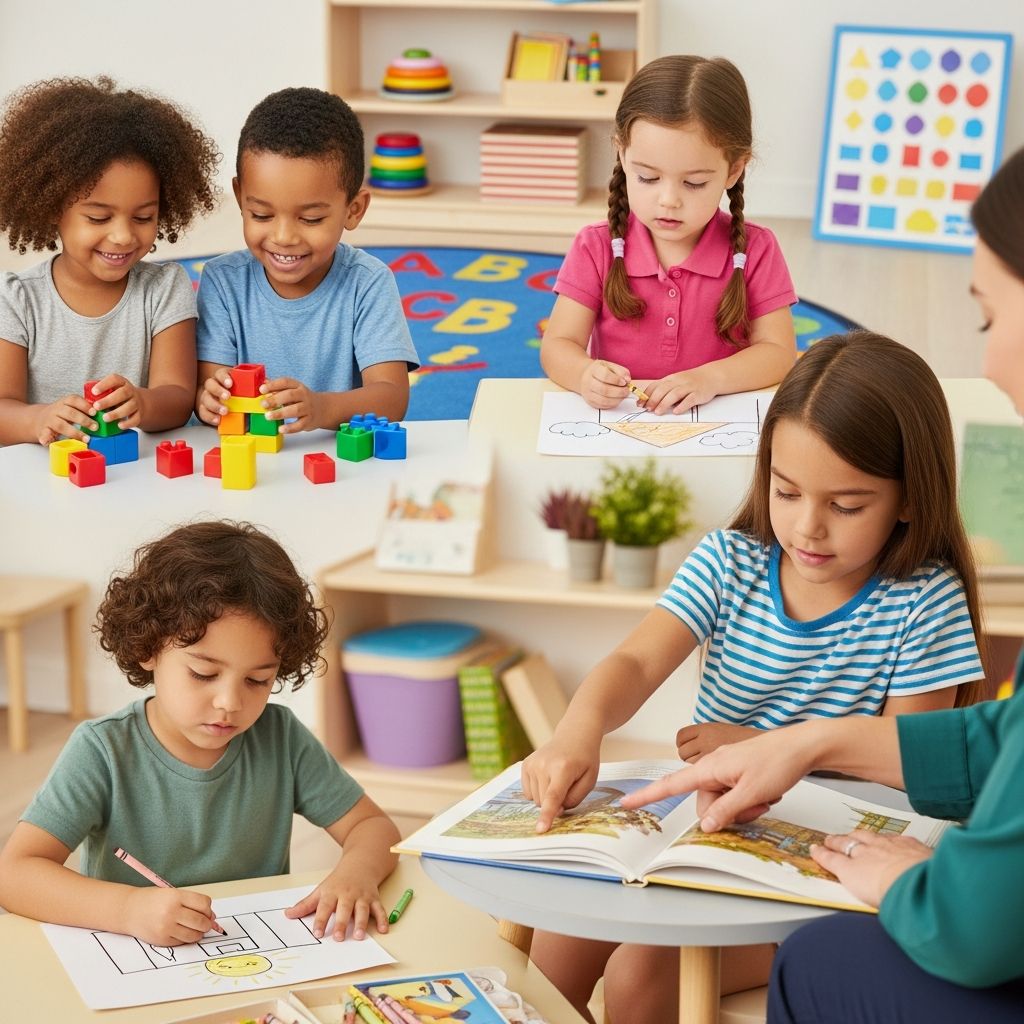
Kindergarten marks a pivotal transition for young learners, blending play-based discovery with structured learning. Educators consistently highlight one foundational ability that bridges home and school success: empowering children to seek assistance when needed. This skill not only boosts academic performance but also nurtures resilience and self-advocacy.
Why Asking for Help Transforms Early Learning
In the bustling kindergarten environment, children encounter novel challenges daily—from decoding letters to navigating group activities. Without the ability to voice confusion, frustration builds, potentially leading to disengagement. Teachers observe that students who confidently request guidance progress faster, grasping concepts like phonics or math basics more effectively. Research from early childhood experts underscores that self-advocacy correlates with higher achievement and social competence.
Parents as primary influencers play a starring role. By modeling and practicing this skill at home, families equip children to thrive independently at school. NAEYC emphasizes parental involvement as key to holistic development, where open communication fosters a supportive triangle: home, child, and classroom.
Building Confidence Through Everyday Practice
Instilling the habit starts with simple, routine interactions. Encourage phrases like “I need help with this puzzle” during playtime. Scholastic recommends pointing out letters and numbers in real-world settings while prompting questions, turning curiosity into action.
- Role-play scenarios: Simulate school tasks, such as sorting shapes, and pause to ask, “What would you say if stuck?”
- Praise efforts: Celebrate attempts to seek help, reinforcing that it’s a strength, not weakness.
- Normalize challenges: Share your own stories of asking for assistance, demystifying the process.
Consistency yields results. Parents report that children who practice at home arrive at school bolder, reducing separation anxiety and enhancing peer interactions.
The Pitfalls of Independence Without Advocacy
Many well-meaning parents push self-reliance prematurely, inadvertently teaching silence in struggle. A child afraid to interrupt may sit idle during lessons, widening learning gaps. Kindergarten veterans note initial chaos—herding “cats” in the first months—but clear routines and advocacy training accelerate growth.
| Challenge | Impact | Solution via Asking for Help |
|---|---|---|
| Fear of seeming ‘dumb’ | Withholds participation | Practice safe phrasing: “Can you explain that again?” |
| Over-reliance on parents | Struggles with transitions | Role-play peer/teacher requests |
| Emotional shutdown | Behavioral issues | Model vulnerability positively |
This table illustrates how targeted practice mitigates risks, drawing from teacher insights.
Strengthening Home-School Partnerships
Effective collaboration amplifies success. Teachers crave updates on home dynamics, as family changes influence classroom behavior. Initiate contact: share learning styles and preferred communication—email, notes, or calls. Weekly newsletters build trust, easing tough conversations.
NAEYC research confirms family-teacher alliances yield superior academic and social outcomes. Actions include:
- Attending orientations to align expectations.
- Discussing unique family traits for tailored support.
- Volunteering for events to deepen connections.
Daily Routines That Embed the Skill
Structure home life to mirror school. Establish morning checklists for dressing or packing bags independently, with a safety net: “Ask if unsure.” Reading thrice daily—beyond once—builds vocabulary while prompting predictions and questions. Limit screens; prioritize play, museums, and nature outings for experiential learning.
Songs about letters and numbers, paired with discussions, spark inquiry. Parents advise positivity: view kindergarten as adventure, not milestone pressure. Fatigue is normal; rest and routines help.
Long-Term Benefits for Lifelong Learners
Mastering self-advocacy in kindergarten lays groundwork for future grades. Children evolve from hesitant to responsible, astonishing growth by year’s end. It fosters emotional intelligence, reducing anxiety and boosting friendships.
Statistics from educational bodies show involved families correlate with sustained success. By year-end, independent kindergartners excel in higher grades.
Frequently Asked Questions
What if my child is too shy to ask for help?
Start small at home with low-stakes practice. Pair with a “help buddy” system at school drop-off discussions.
How much reading is ideal before kindergarten?
Aim for three sessions daily, discussing stories to build skills.
Should I worry about academic milestones?
Focus on growth; teachers guide to finish lines.
How to handle first-day jitters?
Practice routines, communicate with teachers.
What’s the role of play vs. academics?
Balance both; play teaches problem-solving.
Empowering Tomorrow’s Leaders Today
Teaching children to ask for help unlocks potential. It’s a partnership yielding confident, capable students. Embrace this, and watch your kindergartener flourish.
References
- What Kindergarten Teachers Wish Parents Knew — Scholastic. Accessed 2026. https://www.scholastic.com/parents/school-success/school-life/grade-by-grade/what-kindergarten-teachers-wish-parents-knew.html
- How to Prepare Parents for Kindergarten: Helpful Advice from Parents — Kaci Bolls. 2022-06-27. https://kacibolls.com/2022/06/27/how-to-prepare-parents-for-kindergarten-helpful-advice-from-parents-part-1/
- 4 Things Kindergarten Teachers Want You to Know — NAEYC. Accessed 2026. https://www.naeyc.org/our-work/families/kindergarten-teachers-want-you-know
- Welcome to Kindergarten! — West Bloomfield School District. Accessed 2026. https://www.wbsd.org/parents/parent-blog/~board/parenting-blog/post/welcome-to-kindergarten
- Survival Guide for New Kindergarten Teachers — Kindergarten Cafe. Accessed 2026. https://kindergartencafe.org/survival-guide-for-new-kindergarten-teachers/