Polio is a serious viral disease that can cause lifelong paralysis, but modern vaccines make it highly preventable. This guide explains, in clear language, how polio vaccination protects children, when doses are recommended, and what parents can expect before and after each shot.
Understanding Polio and Why It Still Matters
Polio, short for poliomyelitis, is an infection caused by the poliovirus, which mainly affects the nervous system. In severe cases, it can damage the nerves that control muscles, leading to weakness or permanent paralysis of the arms, legs, or muscles used for breathing. Even though many countries no longer see regular outbreaks, the virus still exists in some parts of the world, and it can travel across borders with infected people.
Most children with polio infection have mild or no early symptoms, which makes it easy for the virus to spread silently. Because it can cause sudden and irreversible harm when it reaches the nervous system, prevention through vaccination is far safer and more reliable than trying to treat the disease after infection has occurred. The goal of widespread polio vaccination is not only to keep individual children safe but also to stop the virus from circulating in communities.
How the Polio Vaccine Protects Your Child
Polio vaccines train the immune system to recognize and fight poliovirus without causing the disease itself. After vaccination, the body produces antibodies that target the virus; if a vaccinated child later encounters poliovirus, these antibodies help block infection or prevent it from reaching the nerves and causing paralysis. This protective response develops gradually over a series of doses, which is why completing the full schedule is so important.
There are two main types of polio vaccine used around the world: an injection made from inactivated (killed) virus and an oral vaccine made from a weakened form of the virus. Many countries rely mainly on the injection for routine childhood vaccination, while others use a combination or primarily the oral form for large vaccination campaigns. Regardless of the type, the purpose is the same: build strong, long-lasting protection before a child faces natural exposure.
Key Benefits of Polio Vaccination
- Helps prevent paralysis and long-term disability from poliovirus infection.
- Reduces the chance of severe complications like difficulty breathing or swallowing.
- Protects vulnerable people in the community who cannot be vaccinated, such as some individuals with certain medical conditions.
- Supports global efforts to permanently eliminate polio so future generations never face the disease.
Typical Polio Shot Schedule for Children
Polio vaccination usually begins in early infancy and continues through a series of doses spaced several months apart. The exact ages and number of doses can vary slightly by country or health system, but most schedules aim for three to four primary doses during early childhood, with a later booster to reinforce immunity. Parents receive the schedule from their pediatrician, clinic, or national immunization program.
Because multiple vaccines are often given at the same visit, the polio shot is frequently included in combination vaccines that also protect against illnesses such as diphtheria, tetanus, pertussis, and others. This approach reduces the number of injections a child needs while ensuring they stay up to date with all recommended protections.
| Child’s Age (Approximate) | What Usually Happens |
|---|---|
| 2 months | First polio dose, often as part of a combination vaccine with other routine infant shots. |
| 4 months | Second polio dose to build on the initial immune response. |
| 6–18 months | Third polio dose at a visit chosen by the child’s provider within this age window. |
| 4–6 years | Booster dose before or during early school years to reinforce long-term protection. |
Parents should remember that this table is only an example; local recommendations may be slightly different. If a child starts vaccination late or misses a visit, the provider can use a catch-up plan that safely resumes the series without restarting from the beginning. Keeping a personal record or digital copy of each shot helps track progress and avoid confusion later.
Who Needs the Polio Vaccine?
In most settings, all children are advised to receive polio vaccination unless a specific medical reason prevents it. Routine schedules focus on early childhood because that is when kids are most vulnerable and when they have the most contact with other young children, such as in childcare or playgroups. School entry is often used as an extra checkpoint to make sure each child has had their recommended doses.
Some older children, teenagers, or adults may also need polio vaccine if they were never vaccinated, did not complete the series, or are traveling to regions where poliovirus still circulates. Health workers, laboratory staff who handle poliovirus samples, and people in certain outbreak areas may receive additional guidance from public health authorities. Parents who are unsure of their child’s status can ask for a review of the immunization record at any regular visit.
Safety, Side Effects, and Comfort Tips
Polio vaccines have been used for many decades and have a strong safety record in large numbers of children. The most common reactions are mild and short-lived, such as soreness at the injection site, slight swelling, or a brief low-grade fever. These usually fade within a day or two without any special treatment.
Serious problems after polio vaccination are very rare, but parents should know what to watch for and when to seek help. Warning signs can include difficulty breathing, wheezing, widespread hives, or significant swelling of the face, which might suggest a severe allergic reaction. Providers screen children for known allergies or medical issues before giving the vaccine to reduce the risk of such events.
Helping Your Child Feel More Comfortable
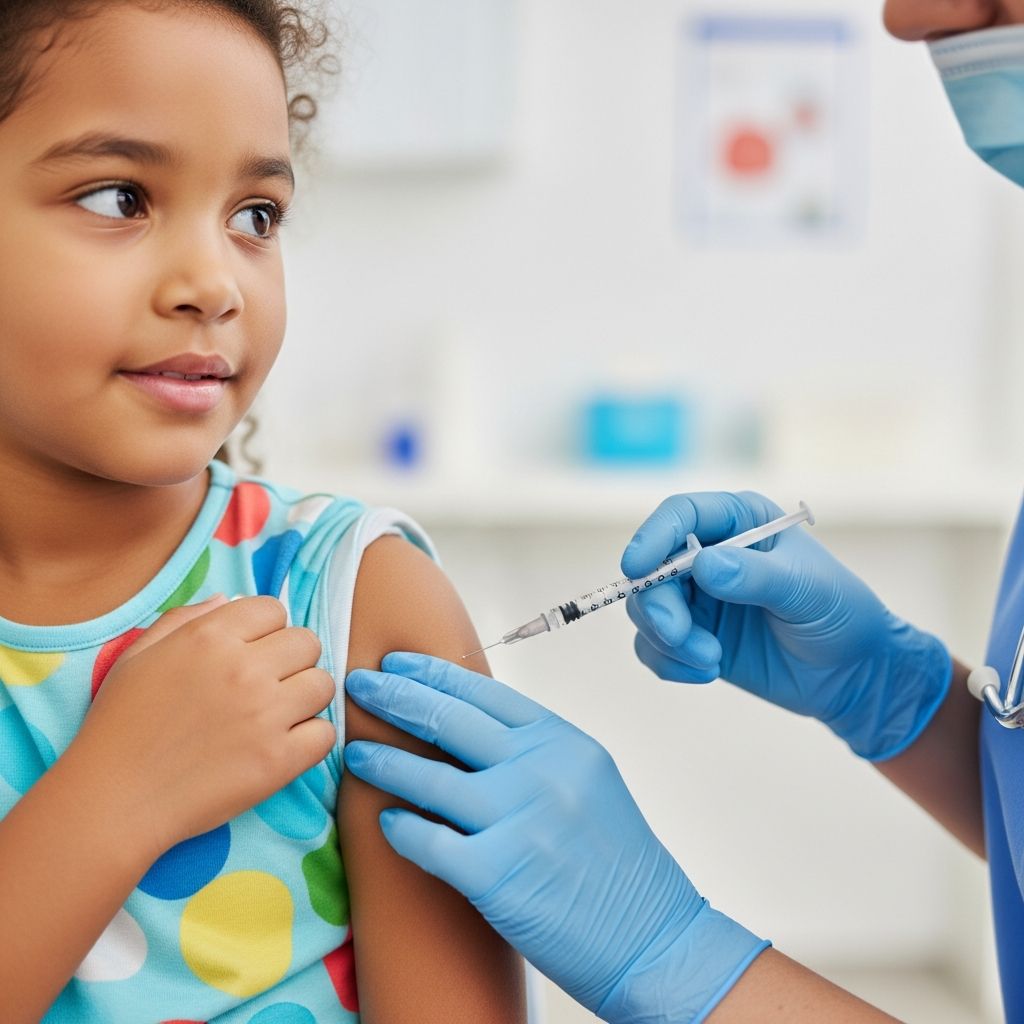
- Hold or sit with your child during the shot to provide reassurance and physical comfort.
- Use calm, simple language to explain that the injection may pinch or sting for a moment but helps keep them healthy.
- Bring a favorite toy, blanket, or book to distract and soothe younger children.
- Ask the provider about using numbing creams, cold packs, or age-appropriate pain relief if your child is especially nervous or sensitive.
- Offer praise, hugs, or a small reward afterward to build a positive memory of doing something brave.
When to Talk to Your Child’s Doctor Before Vaccination
While most children can receive the polio vaccine on schedule, there are a few situations where it is important to discuss details with the healthcare provider first. This includes children who have had a serious reaction to a previous dose of vaccines containing polio component or to ingredients like certain antibiotics or stabilizers. The provider can review the history and decide whether the same vaccine should be avoided or whether further evaluation is needed.
Other children who may need extra discussion include those with weakened immune systems due to illnesses, certain medications, or genetic conditions. In these cases, the type and timing of polio vaccination might be adjusted, and their specialists may work together to design a plan that balances protection from infection with individual health needs. Parents should always bring up any chronic conditions, recent major illnesses, or hospital stays at the time of vaccination.
Polio Vaccination and Global Eradication
Widespread polio vaccination has dramatically reduced the number of paralytic polio cases worldwide compared with the past. Many countries that once experienced regular outbreaks now report no local transmission thanks to strong routine immunization programs and large-scale campaigns. These successes show how individual decisions to vaccinate help create powerful population-level protection.
However, polio has not disappeared everywhere, and as long as the virus continues to circulate in any region, there is a risk it can reappear through travel or low vaccination coverage. Global health organizations monitor for cases and viral traces in wastewater, then respond with targeted vaccination when needed. Maintaining high coverage in all countries, even those that have not seen polio for years, is essential for preventing the virus from regaining a foothold.
How Polio Vaccination Fits with Other Childhood Shots
Modern childhood immunization schedules are designed so that multiple vaccines can be safely given at the same visit. Polio vaccine is often combined with protection against diseases like diphtheria, tetanus, pertussis, and sometimes hepatitis B and Haemophilus influenzae type b in a single injection. This reduces the number of needle sticks and clinic visits while still building strong protection against several serious infections.
Receiving more than one vaccine on the same day has been studied extensively and is considered safe for healthy children. The immune system can handle exposure to several inactivated or weakened germs at once, and the total amount of antigen in modern vaccines is relatively small compared to what children encounter naturally in daily life. Parents who prefer to spread out vaccines can discuss options with their provider, but delaying doses may leave children unprotected for longer periods.
Practical Tips for Staying on Track
Keeping up with vaccine appointments can feel challenging for busy families, especially when juggling work, school, and childcare. A little planning, however, can make it much easier to stay on schedule for polio and other vaccines. Having a system in place helps ensure that children do not miss important protection during vulnerable years.
- Store a photo or scan of your child’s vaccination card on your phone for quick reference.
- Ask the clinic to schedule the next appointment before you leave, and set digital reminders on your calendar.
- Use routine visits, such as checkups or school physicals, to double-check that all polio doses are recorded.
- Inform new schools, camps, or sports programs if your child is in the middle of a catch-up schedule, and update records once additional doses are given.
- Discuss any upcoming travel with your child’s doctor early, especially if visiting areas where polio has been reported.
Frequently Asked Questions About the Polio Vaccine
1. Why vaccinate against a disease that seems rare?
Polio seems rare in many regions because vaccination has been so successful at suppressing it. When vaccination rates drop, the virus can spread again, especially if introduced by travel or undetected circulation. Continuing to vaccinate is the only way to keep polio rare and protect children who are too young or medically unable to receive the vaccine.
2. What if my child misses a scheduled polio dose?
If your child misses a dose, there is no need to restart the entire series. Instead, contact the clinic and ask for a catch-up plan that continues from where your child left off. The next dose can be given as soon as it is convenient and appropriate based on the recommended minimum intervals.
3. Can my child get polio from the vaccine?
The inactivated polio vaccine (the injectable type widely used for routine immunization) does not contain live virus and cannot cause polio. The oral polio vaccine, used in some regions and campaigns, contains a weakened virus that is designed not to cause disease in healthy individuals. Health authorities carefully weigh the benefits and risks of each vaccine type for specific settings.
4. Is it safe to give polio vaccine along with other shots?
Yes. Polio vaccine is commonly given at the same visit as other routine childhood vaccines and is often part of a combination shot. Studies over many years have shown that receiving several vaccines in one visit is safe and does not overload a child’s immune system.
5. What should I watch for after my child’s polio shot?
Most children have little or no reaction beyond mild soreness where the needle went in or a brief, low fever. Offer fluids, keep an eye on the injection site, and let your child rest if they seem tired. Seek urgent care if you notice difficulty breathing, swelling of the face or throat, or other signs of a severe allergic reaction.
6. How long does protection from the polio vaccine last?
Completing the recommended primary series and booster typically provides long-lasting protection against paralysis from poliovirus. Many people maintain immunity for years, often into adulthood. Public health agencies may recommend additional doses for certain high-risk situations, such as travel to areas where polio is still present.
Polio vaccination is one of the simplest and most powerful tools parents have to protect their children from a disabling disease. By understanding the schedule, knowing what to expect at each visit, and staying in close communication with your child’s healthcare provider, you can help ensure strong, lasting protection for your family and your community.