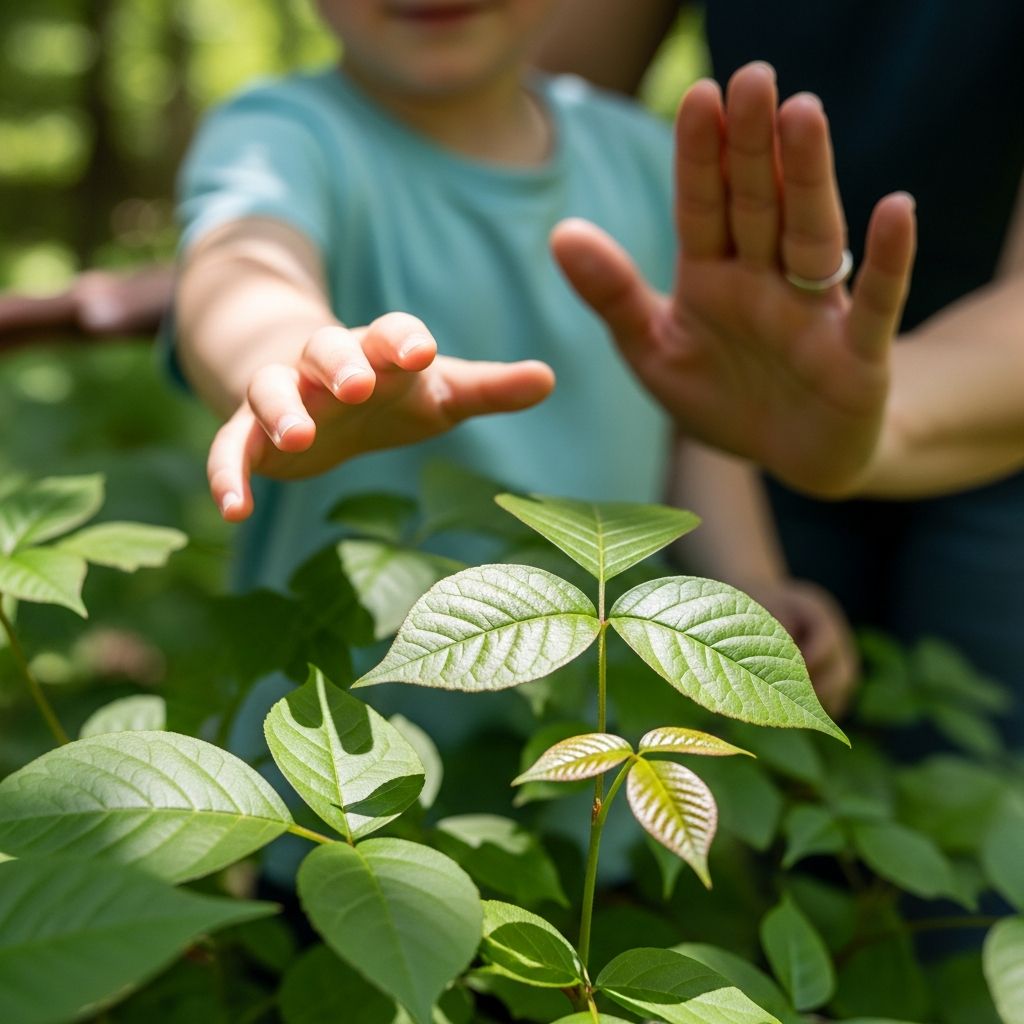
Poison ivy is one of the most common causes of itchy skin rashes in children who love to explore the outdoors. Understanding what the plant looks like, how the rash develops, and what to do right away can make a big difference in how long your child is uncomfortable. This guide walks through the essentials in clear, parent-friendly language so you can act quickly and confidently.
What Makes Poison Ivy a Problem?
Poison ivy, along with its close relatives poison oak and poison sumac, contains an oily substance called urushiol. This invisible oil sticks to skin, clothing, shoes, tools, and pet fur. When the oil touches the skin, it can trigger an allergic reaction in many people, leading to an itchy, blistering rash hours or even days later.
Not everyone reacts the same way. Some children may have only mild redness, while others have intense itching and spreading blisters. The reaction depends on how sensitive the child is and how much of the oil touched the skin.
Where Kids Typically Encounter Poison Ivy
Children are naturally curious and often come across poison ivy while exploring outside. The plant can grow in many environments, from sunny hiking trails to shady corners of the backyard.
- Wooded paths and hiking trails.
- Edges of yards, fences, and play areas.
- Campgrounds, cabins, and lakeside areas.
- Vacant lots and overgrown fields.
Poison ivy can grow as a low plant, a shrub, or a climbing vine on trees and fences. Teaching children to be cautious around unfamiliar plants and to stay on cleared paths helps lower their risk of contact.
Recognizing Poison Ivy, Oak, and Sumac
The most famous clue is the phrase “leaves of three, let it be,” but there are more details worth knowing. While each plant looks different, they share some typical features that can help with identification.
| Plant | Typical Leaf Pattern | Usual Location |
|---|---|---|
| Poison ivy | Clusters of three leaflets on a stem; edges may be smooth or slightly toothed. | Ground cover, small shrubs, or vines on trees and fences. |
| Poison oak | Three leaflets that can resemble small oak leaves. | Often found in shrubs along trails and fields. |
| Poison sumac | Multiple paired leaflets along a stem with one leaflet at the tip. | Usually in wet, swampy, or boggy areas. |
These plants change with the seasons. Leaves can be bright green in spring and summer, then turn red, orange, or yellow in the fall. The oil is still present even when the plants are bare or dead, so caution is needed year-round.
How the Rash Develops
The rash from poison ivy does not appear instantly. After exposure, it typically takes several hours to a few days for the skin to react. The timing and intensity vary widely from child to child.
Common stages include:
- Initial redness and mild itching at the contact area.
- Formation of small bumps or raised patches.
- Appearance of fluid-filled blisters that may ooze and then crust over.
The rash usually follows the path where the plant brushed against the skin, often appearing as lines, streaks, or patches. It can last one to three weeks, depending on the severity and how quickly it is treated.
Is the Rash Contagious?
The rash itself does not spread from person to person once the urushiol oil has been washed off. Clear fluid from blisters may look alarming, but it does not contain the plant oil that triggers the reaction.
However, the oil can linger for a long time on clothing, shoes, sports gear, gardening tools, and pet fur. Touching these contaminated items before they are cleaned can lead to new rashes, which can give the impression that the rash is “spreading” when it is actually new exposure.
What To Do Right After Exposure
Acting quickly after suspected contact can reduce or even prevent a severe reaction. The goal is to remove as much of the plant oil from the skin and other surfaces as possible.
Immediate steps for parents
- Get your child away from the plant. Move indoors or to a safe area to prevent further contact.
- Remove contaminated clothing. Carefully take off shoes, socks, and clothing, trying not to rub them against the skin.
- Wash the skin thoroughly. Use lukewarm water and gentle soap within the first 10–15 minutes if possible. Pay special attention to hands, arms, legs, neck, and face.
- Rinse under fingernails. The oil can hide under nails and continue to spread when your child scratches.
- Clean any objects and pets. Wash leashes, toys, tools, and pet fur following safe grooming practices.
Do not scrub harshly or use very hot water, as this can irritate the skin and may help the oil spread over a wider area.
Common Symptoms to Watch For
- Red, itchy patches on the skin where contact occurred.
- Swelling in the affected area.
- Bumps and blisters that may form lines or streaks.
- Burning or stinging sensation from scratching.
Children may have trouble sleeping or focusing on regular activities because the itch is so distracting. Keeping nails trimmed and discouraging scratching helps lower the risk of open sores and infection.
Home Care: Helping Your Child Feel Better
Soothing the itch and protecting the skin are the main goals of home care. Before using any medicine, read the label carefully and follow the dosage directions or your child’s healthcare provider’s instructions.
Comfort measures that often help
- Cool compresses: Apply a clean, cool, damp cloth to the rash for several minutes at a time.
- Lukewarm or cool baths: Short baths can provide relief. Some parents use specially prepared oatmeal or baking soda in the water after checking with their child’s provider.
- Over-the-counter anti-itch products: Certain creams and lotions, such as those with mild hydrocortisone or soothing ingredients like calamine or zinc-based products, may help reduce itching and dryness.
- Oral allergy medicines: In some cases, an oral antihistamine, as advised by a pediatric provider, can help with itching and may also make sleep easier.
What Not To Do
- Do not use harsh cleaners like bleach or strong alcohol directly on the rash.
- Do not pop blisters on purpose; the skin over them protects the area underneath.
- Do not apply thick layers of oily creams that can trap heat and moisture unless directed by a provider.
- Do not give children any oral medication without checking the label and, when in doubt, talking with a pediatric professional.
Warning Signs: When To Call the Doctor
- The rash is on the face, around the eyes, on the lips, or in the genital area.
- Swelling is severe, especially around the eyes or mouth.
- The rash covers a large part of the body or continues spreading after the first few days.
- Blisters are very large, painful, or show signs of infection (yellow crust, pus, increasing redness, or warmth).
- Your child has a fever, seems very sick, or is unusually tired and irritable.
Seek emergency care right away if your child has trouble breathing, swallowing, or speaking, or if there is sudden swelling of the tongue, lips, or throat. These signs may indicate a severe allergic reaction that needs urgent treatment.
Possible Medical Treatments
- Prescription-strength topical medicines: Stronger steroid creams or ointments may be used for short periods on certain parts of the body.
- Oral steroid medicines: In more serious cases, a short course of oral steroids may be prescribed to reduce swelling and intense itching.
- Medicines for infection: If scratching leads to a bacterial skin infection, an antibiotic may be needed.
Preventing Future Rashes
Practical prevention tips
- Teach children simple plant safety rules, such as avoiding unknown plants and staying on maintained paths.
- Dress kids in long sleeves, long pants, and closed shoes when hiking or playing in wooded or overgrown areas.
- Consider using barrier creams or lotions designed to reduce plant oil contact, following the product’s instructions carefully.
- Shower and change clothes soon after outdoor activities in areas where poison ivy might be present.
- Wash outdoor clothing, sports gear, and tools that might have brushed against plants.
- Control or remove poison ivy in your yard using safe methods or professional help if needed.
Teaching Kids Outdoor Awareness
- Show pictures of common poisonous plants and practice pointing them out on walks.
- Explain that some plants can cause “itchy spots,” just like some foods can cause tummy aches.
- Encourage kids to tell an adult if they think they touched a strange plant.
- Reward careful behavior outdoors, such as staying on the trail or asking before exploring a new area.
Frequently Asked Questions About Poison Ivy and Children
Can my child get poison ivy from another child’s rash?
No, the rash itself is not contagious. Once the plant oil is washed off the skin, the rash cannot spread to someone else by touching the blisters. New rashes appear only if there is more contact with urushiol, such as from contaminated clothing, objects, or plants that have not been cleaned or avoided.
Why does the rash seem to appear in stages?
The reaction time varies from one part of the body to another, and from one child to another. Areas that received more oil or that are more sensitive may break out sooner. This can make it seem like the rash is spreading over several days, when in fact it is the same reaction continuing to develop.
How long will the rash last?
For most children, a mild poison ivy rash improves gradually over one to three weeks. Itching typically lessens as the blisters dry and the skin begins to heal. Severe reactions or those with complications such as infection may take longer and require medical care.
Should my child stay home from school or daycare?
In most cases, children with a poison ivy rash can continue to attend school or daycare, as long as they feel well enough and the program’s policies allow it. The rash is not contagious once the skin and clothing have been washed. Make sure your child understands not to scratch or pick at blisters during the day.
Can pets bring poison ivy into the house?
Yes. Dogs and cats typically do not develop the rash themselves, but the plant oil can cling to their fur. When family members pet the animal, the oil can transfer to human skin. After hikes or time in wooded areas, gently cleaning or bathing pets according to your veterinarian’s guidance can reduce this risk.
Does my child need allergy testing for poison ivy?
Most children do not need formal testing to confirm sensitivity to poison ivy. A history of a typical rash after outdoor exposure is usually enough for a healthcare provider to make the diagnosis. In special situations, such as uncertain diagnosis or unusually severe reactions, the provider may discuss additional evaluation options.
Key Takeaways for Parents
- Learn what poison ivy and related plants look like, and teach children simple ways to avoid them.
- If your child is exposed, wash skin and clothes promptly to remove as much plant oil as possible.
- Use gentle home care to relieve itching and protect the skin, and watch for any signs of infection or severe allergy.
- Contact a healthcare provider if the rash is widespread, involves sensitive areas, or your child seems especially uncomfortable or unwell.
With some preparation and calm, informed responses, families can enjoy the outdoors while keeping the risk of poison ivy rashes as low as possible.