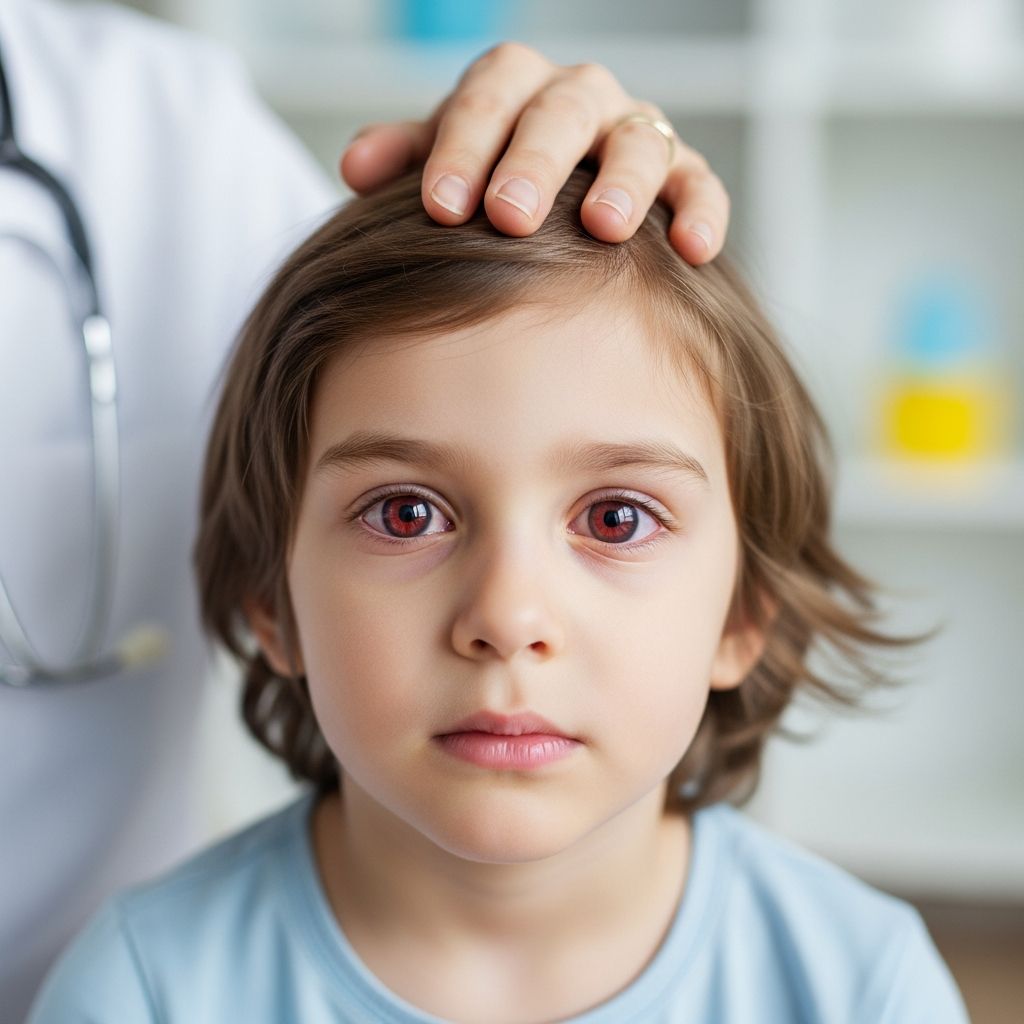
Pinkeye, the everyday name for conjunctivitis, is one of the most common eye problems in children. Although the red, goopy eye can look alarming, most cases are mild and clear with simple care and, when needed, medication.
This guide explains what causes pinkeye, how to recognize it, when to call the doctor, and what you can do to help your child feel more comfortable and avoid spreading the infection to others.
What Is Pinkeye?
The conjunctiva is a thin, clear layer of tissue that covers the white part of the eye and lines the inside of the eyelids. When this tissue becomes inflamed or infected, the eye looks red or pink and may feel irritated or gritty. This is called conjunctivitis, or pinkeye.
Pinkeye can affect one eye or both eyes. Children can get it at any age, from newborns to teenagers, and it is especially common in daycare and school settings where germs spread easily.
Main Types of Pinkeye in Kids
Understanding the type of pinkeye helps you know what treatment is needed and how contagious it may be.
| Type | Main Cause | Typical Signs | Contagious? |
|---|---|---|---|
| Bacterial | Bacteria such as Staphylococcus or Streptococcus | Thick yellow or green discharge, red eye, crusted lashes | Yes – spreads easily via hands, towels, and secretions |
| Viral | Viruses that also cause colds or respiratory infections | Watery discharge, burning or gritty feeling, often with cold symptoms | Yes – very contagious, especially in groups of children |
| Allergic | Allergens like pollen, dust mites, pet dander, molds | Very itchy, watery, often both eyes; may have sneezing or runny nose | No – not an infection, but symptoms can recur around triggers |
| Newborn (ophthalmia neonatorum) | Bacteria or viruses acquired around birth | Red, swollen eyelids, thick discharge in the first weeks of life | Yes – needs urgent medical assessment and treatment |
What Causes Pinkeye in Children?
Several different triggers can irritate or infect the conjunctiva.
- Germs
- Bacteria – spread by direct contact with eye secretions, contaminated hands, or shared items like washcloths, cosmetics, or pillows.
- Viruses – often the same viruses that cause colds, sore throat, or flu; they can move from the respiratory system to the eye.
- Allergies
- Seasonal allergens such as pollen from trees, grass, or weeds
- Indoor triggers including dust mites, pet dander, or molds
- Irritants
- Chlorine in pools, smoke, smog, or strong fumes,
- Shampoos or soaps that get into the eyes.
- Newborn-specific causes
- Infection with bacteria such as Neisseria gonorrhoeae or Chlamydia trachomatis during birth, which is why many newborns receive eye medication soon after delivery.
Common Signs and Symptoms
While symptoms vary with the cause, most children with pinkeye will have some combination of the following:
- Red or pink color to the white part of the eye
- Swollen eyelids or puffiness around the eye
- A feeling that something is in the eye (grittiness or burning)
- Discharge from the eye
- Thick, yellow, or green discharge that can make eyelids stick together (often bacterial)
- Watery or clear discharge (more common in viral or allergic conjunctivitis)
- Crusts along the lashes, especially in the morning
- Itchy eyes (especially with allergies)
- Sensitivity to bright light
- In newborns: very swollen eyelids, redness, thick drainage appearing within the first days or weeks of life
Pinkeye can appear in one eye first and then spread to the other, especially if the child rubs the affected eye and then touches the healthy one.
How Doctors Diagnose Pinkeye
Most of the time, a healthcare provider can diagnose pinkeye by examining the eyes and asking questions about symptoms, recent illnesses, and possible exposures.
- They will look at:
- How red the eye is
- Type of discharge (watery versus thick and colored)
- Whether one or both eyes are involved
- Associated symptoms like fever, runny nose, cough, or allergies
- In severe, unusual, or newborn cases, the doctor may:
- Gently collect a sample of eye discharge to test for specific bacteria or viruses
- Check the cornea (the clear front surface of the eye) for damage
Parents should avoid using leftover eye drops or over-the-counter products without advice from a healthcare professional, because treatment needs differ depending on the cause.
Treatment Options for Pinkeye
Treatment aims to address the underlying cause, relieve discomfort, and prevent complications or spread.
Bacterial Pinkeye
Bacterial conjunctivitis often improves within a few days to a week. Doctors typically prescribe antibiotic eye drops or ointment to speed recovery and reduce contagiousness.
- Medication is usually applied to both eyes, even if only one looks affected, because germs spread easily.
- It is important to continue the full course of antibiotics for the number of days prescribed, even if symptoms improve sooner.
- Severe infections in newborns may require oral or intravenous antibiotics and hospital care.
Viral Pinkeye
Viral conjunctivitis usually does not respond to antibiotics and often clears on its own over several days to two weeks.
- Care focuses on relieving symptoms:
- Cool or warm compresses on closed eyes
- Artificial tears or lubricating eye drops for dryness and irritation
- Some viruses can be associated with more serious eye problems, so follow-up may be recommended if redness or pain is severe or vision changes.
Allergic Pinkeye
For allergy-related conjunctivitis, the main goal is to reduce exposure to triggers and calm the allergic reaction.
- Possible treatments include:
- Allergy eye drops with antihistamines or mast cell stabilizers prescribed by the doctor
- Oral allergy medications for broader symptoms like sneezing and runny nose
- Cold compresses to reduce itch and swelling
- Since allergies can be ongoing, your child’s provider may discuss long-term strategies such as allergen avoidance or allergy testing.
General Comfort Measures at Home
Regardless of the cause, you can help your child feel better with gentle eye care:
- Apply clean, cool or warm compresses on closed eyelids for a few minutes at a time.
- Use separate cloths for each eye and wash them with hot water and detergent after use.
- Gently remove dried crusts with cotton balls or gauze soaked in warm water, wiping from the inner corner (near the nose) outward.
- For pain or discomfort, a doctor may recommend age-appropriate doses of acetaminophen or ibuprofen if safe for your child.
Is Pinkeye Contagious?
Bacterial and viral pinkeye are both very contagious, especially during the first days of symptoms.
- Germs spread through:
- Direct contact with eye discharge
- Hands that touch the eyes and then touch other people or surfaces
- Shared objects like washcloths, towels, pillows, or cosmetics
- Children are usually most contagious before and shortly after treatment starts. Bacterial infections often remain contagious for 24–48 hours after beginning antibiotics.
- Allergic pinkeye is not contagious, but children may rub their eyes frequently, which can cause additional irritation.
Preventing Spread at Home and School
Good hygiene greatly reduces the chances of pinkeye spreading to family members or classmates.
Hand and Face Hygiene
- Teach children to wash hands often with soap and water for at least 20 seconds.
- Discourage eye rubbing. If they do rub, they should wash their hands right away.
- Use clean tissues or cotton balls to wipe drainage and throw them away immediately.
Avoid Sharing Personal Items
- Do not share washcloths, towels, pillowcases, or eye cosmetics.
- Wash towels and bedding in hot water and detergent.
- If your child wears contact lenses (older children and teens), follow your provider’s advice about stopping lens wear and cleaning or replacing lenses, solution, and cases.
School and Daycare Considerations
- Follow your school or childcare provider’s policy on when a child with pinkeye may attend.
- Many children can return once treatment has started and they are feeling better, especially if they can avoid rubbing their eyes and follow basic hygiene.
- Always ask your child’s doctor if you are unsure when it is safe to go back.
When to Call the Doctor Urgently
While most cases of pinkeye are mild, some symptoms can signal a more serious eye problem that needs immediate medical care.
- Call your child’s healthcare provider or seek urgent care if:
- Your child is a newborn with any eye redness, swelling, or discharge.
- There is moderate to severe eye pain or the child is very sensitive to light.
- Vision is blurred or your child complains of not seeing clearly.
- The eye looks cloudy, or there is a white or gray spot on the clear front surface of the eye.
- The redness and swelling get worse instead of better after a day or two of treatment.
- Your child has a fever, feels very unwell, or has swelling around the eye that spreads to the eyelids or face.
Helping Children Cooperate With Eye Drops
Putting drops or ointment in a child’s eyes can be challenging. These tips can make the process smoother:
- Explain what you are doing in simple, reassuring language.
- Have your child lie down or tilt their head back while sitting.
- For drops, some parents place the drop in the inner corner of the closed eye. When the child opens the eye, the medicine flows in.
- Offer a small reward or praise for staying still during treatment.
Frequently Asked Questions (FAQs)
How can I tell if my child’s red eye is pinkeye or something else?A: Pinkeye usually causes red or pink eyes, discharge, and irritation, sometimes with itchiness or mild swelling. If your child has severe pain, vision changes, a history of eye injury, or symptoms that worsen quickly, seek medical care right away, as these can indicate more serious eye problems.
Q: Do all kids with pinkeye need antibiotics?
No. Antibiotics help only with bacterial conjunctivitis. Viral pinkeye does not improve with antibiotic drops, and allergic pinkeye is treated with allergy medicines and avoiding triggers. A healthcare provider can help determine which type your child has and whether antibiotics are needed.
How long does pinkeye last?
Bacterial pinkeye often improves within a few days of starting antibiotics and usually clears in about a week. Viral conjunctivitis may last from several days up to two weeks, while allergic pinkeye can persist or recur as long as the child is exposed to the allergen.
Can my child go to school with pinkeye?
Policies vary, but many schools allow children to return once any necessary treatment has begun, discharge is improving, and the child feels well enough to participate. Because bacterial and viral pinkeye are contagious, good handwashing and avoiding eye rubbing are very important when they are around others.
Is pinkeye dangerous for my child’s vision?
Most cases of conjunctivitis are mild and do not cause long-term vision problems when treated appropriately. However, severe infections, especially in newborns or cases involving the cornea, can threaten vision if not treated promptly. That is why any unusual, very painful, or rapidly worsening eye symptoms should be evaluated quickly.
References
- Conjunctivitis in Children — Stanford Medicine Children’s Health. 2023-04-01. https://www.stanfordchildrens.org/en/topic/default?id=conjunctivitis-in-children-90-P02078
- Conjunctivitis (Pink Eye) — Children’s Hospital of Philadelphia. 2022-06-15. https://www.chop.edu/conditions-diseases/conjunctivitis-pink-eye
- Conjunctivitis (Pinkeye) in Kids — Nemours KidsHealth. 2022-10-10. https://kidshealth.org/en/parents/conjunctivitis.html
- Pink Eye (Conjunctivitis) – Diagnosis and Treatment — Mayo Clinic. 2023-05-11. https://www.mayoclinic.org/diseases-conditions/pink-eye/diagnosis-treatment/drc-20376360
- Kids Health Info: Conjunctivitis — The Royal Children’s Hospital Melbourne. 2021-09-01. https://www.rch.org.au/kidsinfo/fact_sheets/conjunctivitis/
- Pink Eye (Conjunctivitis): Symptoms, Treatment & Causes — Cleveland Clinic. 2023-02-27. https://my.clevelandclinic.org/health/diseases/pink-eye-conjunctivitis
- Conjunctivitis — Boston Children’s Hospital. 2022-08-03. https://www.childrenshospital.org/conditions/conjunctivitis