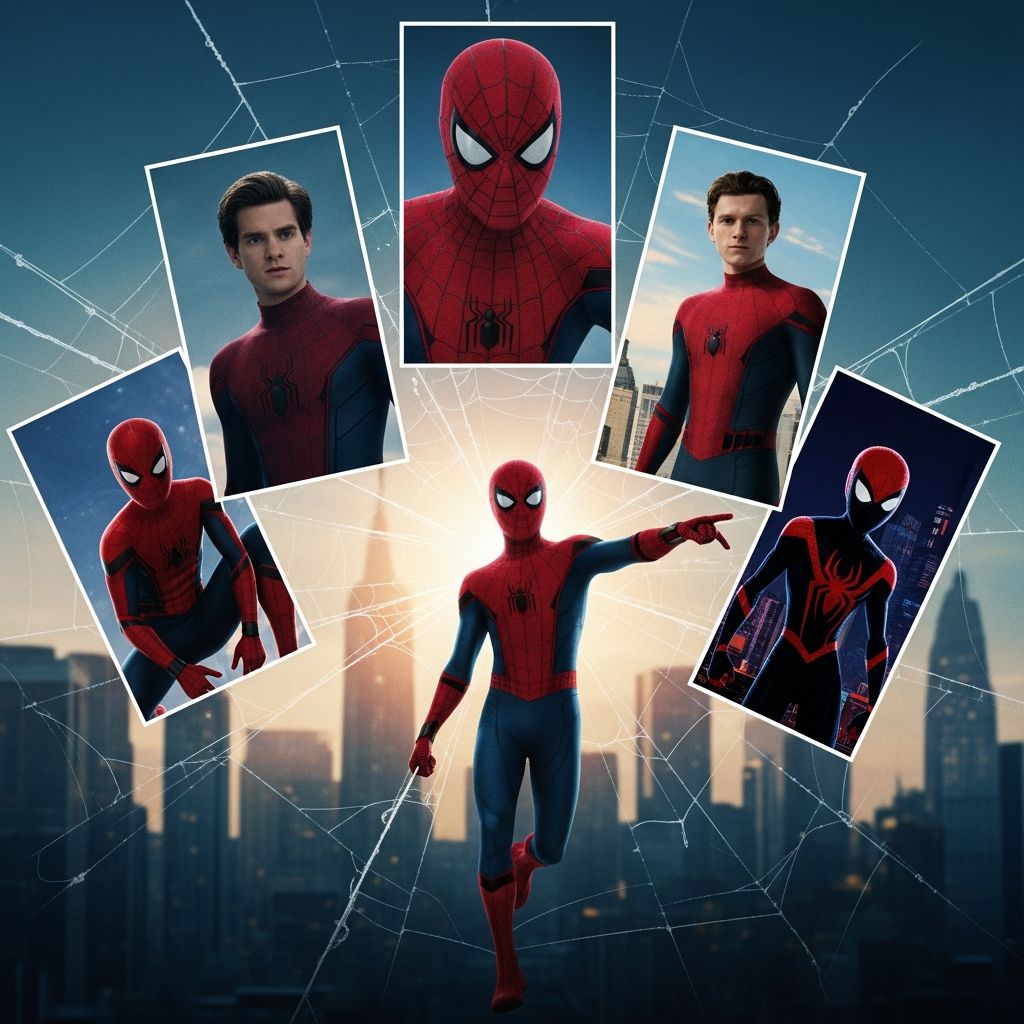
Spider-Man swings through more movies and universes than almost any other superhero, which is exciting for kids and confusing for parents. Not every Spidey film has the same tone, intensity, or emotional weight, so choosing the right one for your child matters just as much as choosing popcorn or candy.
This guide offers an original, parent-centered look at the major Spider-Man movies, focusing on emotional maturity, violence, and themes rather than strict ratings alone. Use it as a roadmap to plan family movie nights that feel thrilling, not overwhelming.
How This Guide Approaches Kid-Friendliness
Instead of treating kid-friendliness as a simple yes or no, this guide breaks it into layers that reflect real family concerns. Every child is different, but certain patterns appear across all Spider-Man films.
- Emotional heaviness: How often the story focuses on grief, sacrifice, and moral dilemmas.
- Intensity of action: How loud, chaotic, and frightening the battles feel, even when blood is minimal.
- Scary or disturbing imagery: Monsters, transformations, or jump scares that might stick in a younger child’s mind.
- Complex moral choices: Plots that ask kids to wrestle with betrayal, guilt, or ambiguous heroes and villains.
- Language and romance: Mild romance and occasional edgy jokes that some parents may watch closely.
Each later section focuses on whether a film may work best for younger grade-schoolers, older kids who can handle more tension, or teens who are ready for full emotional stakes and multiverse madness.
Spider-Man for Younger Kids (Approx. 7–10)
Younger viewers usually handle bright colors, clear heroes and villains, and straightforward plots better than dark moral tangles. At this age, humor and hope matter more than complicated time-bending storylines.
The more kid-friendly Spider-Man movies for this group tend to:
- Keep violence mostly bloodless, with more acrobatics and gadgets than real-world brutality.
- Offer simple motivations: protect friends, stop a clearly bad villain, save the city.
- Resolve conflict with hopeful endings that reassure kids that the hero’s sacrifices pay off.
Parents can still expect superhero peril, falling debris, and scary moments, so watching alongside your child and pausing to talk can make the experience more comfortable.
Spider-Man for Tweens and Early Teens (Approx. 11–14)
By middle school, many kids are ready to handle heavier themes about identity, grief, and consequence. Spider-Man stories often shine brightest at this stage, because Peter Parker’s struggles mirror real teen anxieties.
Movies in the mid-range of kid-friendliness usually include:
- More sustained action sequences, higher stakes, and villains with sympathetic backstories.
- Stronger focus on romance, friendship drama, and social pressure.
- Hard choices where there is no perfect outcome, inviting conversation afterward.
These films can be a springboard for valuable family discussions about responsibility, honesty, and owning mistakes—classic Spider-Man territory.
Spider-Man for Older Teens and Up (15+)
Some Spider-Man outings lean into complex continuity, multiverse collisions, and raw emotional blows. These entries often assume viewers already know the character’s history and are ready for darker scenarios and heavier heartbreak.
Higher-intensity Spider-Man films tend to feature:
- Villains with tragic arcs, intense battles, and emotional losses that linger beyond the end credits.
- Scenes that mix humor with serious trauma, asking teens to process both at once.
- Dense plots that jump between realities, timelines, or different versions of Spider-People.
These options can be deeply rewarding for older teens who already love the character and want to see Spider-Man grapple with adulthood-level decisions.
Kid-Friendliness Overview of Key Spider-Man Films
The table below provides a high-level snapshot of how different Spider-Man movies generally feel for families. It is not a replacement for your judgment, but a starting point for narrowing choices.
| Movie Group | Approx. Age Sweet Spot | Violence & Intensity | Emotional Weight | Parent Note |
|---|---|---|---|---|
| Classic early live-action trilogy | 10–13 | Moderate superhero action, some frightening villains | Grief and responsibility are recurring but balanced with optimism | Good for kids ready to see a more old-school superhero tone |
| Reboot era with a moodier Peter | 12–15 | Frequent action, higher sense of danger | Heavier focus on loss, guilt, and complicated relationships | Best for tweens and teens comfortable with bittersweet outcomes |
| High-school MCU Spider-Man | 10–14 | Fast, colorful set pieces with comic relief | Mix of humor and real grief, handled accessibly | Great bridge point for kids moving into bigger superhero universes |
| Animated multiverse adventures | 10–15 | Stylized action, very kinetic visuals | Strong themes of identity, expectations, and belonging | Ideal for kids who love animation and energetic storytelling |
| Ensemble and crossover events | 13+ | High stakes, multiple battles, intense peril | Major sacrifices and complex continuity | Works best after kids know at least one Spider-Man era |
Because each family’s standards differ, treat the age ranges as flexible guidelines rather than hard rules. Reading a brief synopsis or watching a trailer together can help confirm readiness.
Content Areas Parents Commonly Evaluate
Spider-Man movies rarely rely on graphic gore, but that does not mean they are free of intense or upsetting material. When deciding what works for your kids, consider how they usually react to the following elements.
Action and Violence
Spider-Man’s battles typically involve punching, kicking, and web-slinging across skyscrapers, with vehicles smashing and buildings crumbling for visual spectacle. Younger children may be rattled by slow-motion falls, characters dangling over city streets, or close calls with trains, bridges, or collapsing structures.
- Ask whether your child is used to superhero shows or if this is their first big action film.
- Expect loud sound design; volume alone can make scenes feel more intense.
- Consider watching the first big set piece together and checking in on how they feel.
Scary Villains and Transformations
Many Spider-Man villains begin as sympathetic scientists or mentors who undergo experiments gone wrong. Their transformations can be unsettling: extra limbs, monstrous faces, split personalities, or sudden fits of rage.
- Children who are sensitive to horror elements might find certain villains nightmare-fuel, even without realistic blood.
- Talking afterward about how these are fictional effects can help demystify the imagery.
- If your child dislikes jump scares, let them know that some confrontations are staged to surprise.
Emotional Storylines and Loss
A core part of Spider-Man’s mythos involves loss—of family members, mentors, or relationships—and the way Peter (or other Spider-heroes) chooses to respond. Some films linger on grief, funerals, or characters blaming themselves for what went wrong.
- These stories can be powerful for older kids dealing with their own changes or losses.
- For younger children, consider whether on-screen mourning might feel overwhelming or confusing.
- Use these moments to highlight resilience, empathy, and asking for help when struggling.
Language, Humor, and Romance
Most Spider-Man films rely on wisecracks and goofy banter more than harsh profanity, but occasional edgy words still appear. Light romance—from awkward crushes to first kisses—runs consistently through the series.
- Rare innuendo or suggestive jokes may pop up, mostly aimed at older viewers.
- Parents who prefer minimal dating themes can preview specific titles or check a detailed content breakdown.
- These moments also provide organic chances to talk about respect, consent, and healthy relationships.
Planning the Best First Spider-Man Experience
If your family is new to Spider-Man, choosing a starting point can feel daunting. There is no single right answer, but tailoring the beginning to your child’s age and interests makes the whole series more inviting.
- For younger kids: Look for stories with a clear beginning, middle, and end in one film, plus a fairly straight line between hero and villain.
- For tweens: Consider movies where Peter juggles school, friendships, and superhero life—close to what they experience in their own way.
- For animation fans: The animated Spider-Verse entries can be especially appealing, blending comic-book visuals with big emotional payoffs.
- For older teens: Save the multiverse crossovers or ensemble events until they already care about at least one version of Spider-Man.
Watching in small batches instead of marathons can prevent fatigue and give space to talk about what your kids noticed or felt. A short conversation after each movie can turn passive viewing into a shared family tradition.
Helping Sensitive Kids Enjoy Spider-Man Safely
Some children desperately want to join friends in watching superhero films but are nervous about scary or sad scenes. With a bit of preparation, Spider-Man can still be accessible to them.
- Pre-discuss big themes: Briefly explain that Spider-Man’s world includes danger, but the story emphasizes courage, kindness, and making the right choice.
- Use the remote freely: Pausing right after a jump scare or before a high-stakes scene gives kids time to breathe.
- Offer a light distraction: Let them hold a favorite toy or draw while watching, so they have a comfort object.
- Model calm reactions: If adults stay relaxed during tense scenes, kids often read the room and feel safer.
The goal is not to push children into content they are not ready for but to guide them carefully when they show curiosity. Spider-Man’s message that “doing the right thing is often hard but worth it” can resonate strongly when kids feel emotionally secure.
Using Spider-Man to Talk About Real-World Values
Beyond spectacular swings through skyscrapers, Spider-Man films offer a surprisingly rich toolbox for family conversations. Because the character is often awkward, uncertain, and self-doubting, kids can see themselves in the mask.
Here are themes you can gently explore after a movie night:
- Responsibility: How Spider-heroes use their gifts to help others rather than serving only themselves.
- Consequences: Times when impulsive choices hurt people, and how characters work to repair the damage.
- Identity: Balancing who they are at home, at school, and in public—something many kids feel deeply.
- Empathy: Seeing villains as broken people rather than pure evil can lead to nuanced discussions about forgiveness and justice.
Framing the film as a story rather than a sermon keeps kids engaged. Asking open questions—“What would you have done?” or “Who did you feel sorry for?”—invites reflection without turning the conversation into a lecture.
Frequently Asked Questions About Spider-Man Movies and Kids
Do children need to watch every Spider-Man movie in order? No. Many Spider-Man films stand on their own well enough that kids can follow the main story even if they miss earlier versions or alternate universes. For younger viewers especially, it is better to prioritize tone and clarity over strict chronological order. Are animated Spider-Man movies automatically safer for kids? Not necessarily. Animated entries often move faster, use more stylized violence, and tackle intense emotional issues such as grief, expectations, and belonging. While they can be visually delightful, the pace and themes may still be overwhelming for very young or sensitive children. How can I tell if a particular Spider-Man film is right for my child? Start by checking the age rating, then look for a brief, spoiler-light description of the key themes and tone. Watching trailers together and asking your child how they feel about what they see is a practical way to gauge readiness before committing to the whole movie. What if my child is scared but wants to keep watching? Validate their feelings (“That scene was intense”), then offer options: pausing, skipping a part, or finishing on another night. Reminding them that they are in control of the experience and can stop at any time reduces anxiety and builds trust. Is it better to start with the oldest Spider-Man movies or the newest ones? It depends on your child’s taste. Some kids enjoy the slightly simpler storytelling and more straightforward visuals of earlier films, while others prefer modern pacing and effects. Let your child sample a trailer from each era and choose together which world they would like to explore first.
Final Thoughts for Parents
Spider-Man’s enduring appeal lies in the idea that an ordinary, slightly awkward kid can make extraordinary choices. For families, that means these films can be more than background noise—they can become touchpoints for talking about bravery, empathy, and growing up.
By paying attention to age readiness, emotional sensitivity, and the themes that matter most in your household, you can build a Spider-Man viewing path that excites your children instead of overwhelming them. When approached thoughtfully, every web-swinging adventure becomes a chance to connect, reflect, and enjoy the ride together.