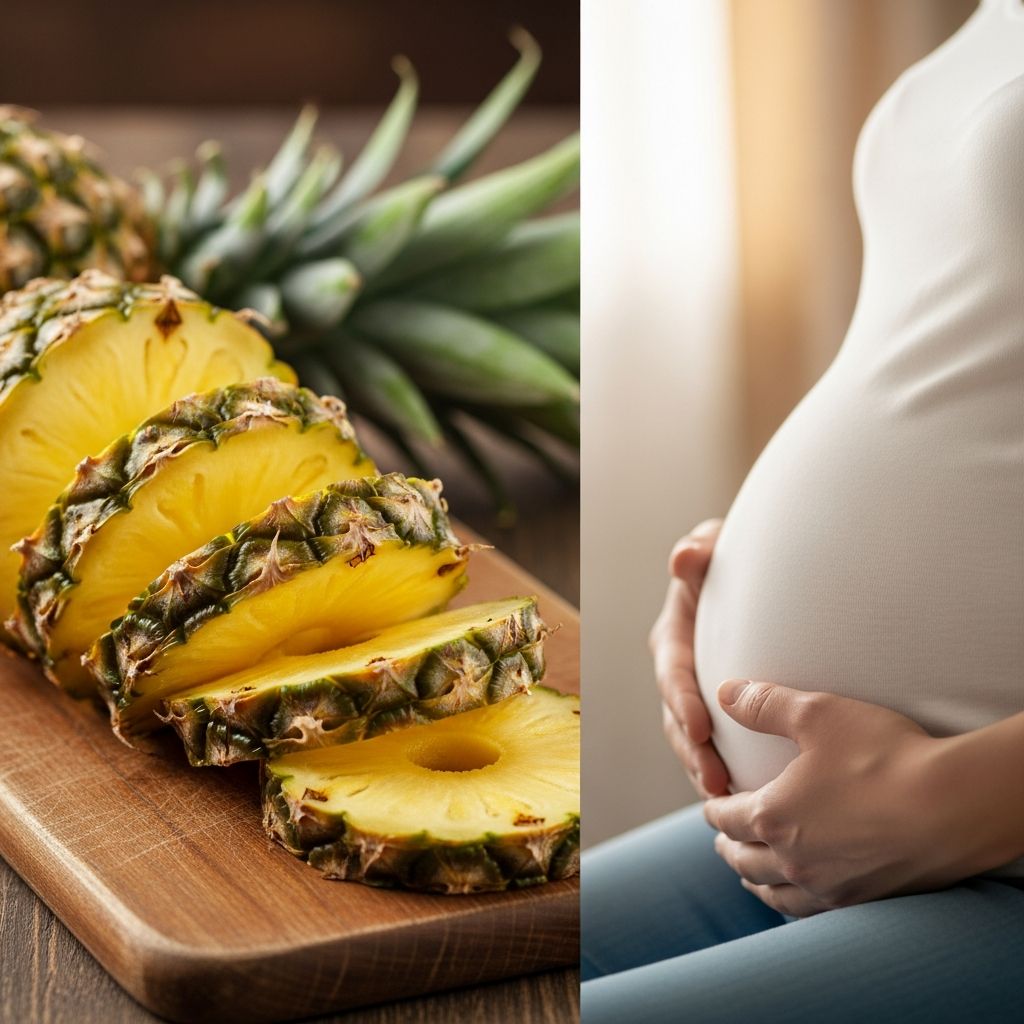
Pineapple offers a burst of tropical flavor and essential nutrients that can enhance a pregnancy diet. Generally safe in moderate amounts, it provides vitamins and enzymes supporting maternal health without proven risks to the fetus when consumed appropriately.
Nutritional Powerhouse of Pineapple for Expecting Mothers
Pineapple stands out as a nutrient-dense fruit ideal for pregnancy. One cup of fresh pineapple chunks delivers about 80 calories, primarily from natural sugars, alongside key vitamins and minerals vital for fetal development and maternal well-being.
- Vitamin C Abundance: Pineapple is loaded with vitamin C, exceeding daily needs in a single serving. This antioxidant strengthens immunity, aids collagen formation for baby’s skin and bones, and improves iron absorption to combat anemia common in pregnancy.
- Folate for Neural Tube Health: Folate content supports spinal cord and brain development, reducing birth defect risks.
- Manganese and Calcium Boost: These minerals promote bone metabolism and skeletal growth in the fetus while supporting maternal bone density.
- Fiber for Gut Relief: High fiber helps alleviate constipation, a frequent pregnancy complaint due to hormonal shifts and uterine pressure on intestines.
Incorporating pineapple diversifies nutrient intake, making it a smart choice alongside other fruits in a balanced prenatal diet.
Understanding Bromelain: The Enzyme Behind the Myths
Bromelain, a proteolytic enzyme in pineapple, breaks down proteins and holds anti-inflammatory properties. Concentrated in the core and stem, trace amounts appear in the edible flesh.
Concerns arise from bromelain’s potential to soften cervical tissue or stimulate contractions in high doses, as seen in supplements. However, the quantity in fresh pineapple is minimal and typically digested harmlessly. Studies, including one on pregnant rats, show no abortion or labor induction from pineapple juice equivalent to human servings.
| Aspect | Fresh Pineapple | Bromelain Supplements |
|---|---|---|
| Bromelain Concentration | Low (mostly in core) | High (concentrated extract) |
| Pregnancy Safety | Safe in moderation | Not recommended |
| Effects | Digestion aid, mild anti-inflammatory | Potential uterine stimulation |
This distinction clarifies why fresh fruit poses no significant threat.
Health Advantages for Mom and Baby
Beyond basics, pineapple contributes uniquely to pregnancy health:
- Improved Digestion: Bromelain and fiber ease bloating, gas, and constipation prevalent in later trimesters.
- Reduced Inflammation and Swelling: Anti-inflammatory effects may soothe edema and joint discomfort from fluid retention.
- Immune Support: Vitamin C fortifies defenses against infections, crucial during pregnancy.
- Hydration and Natural Sweetness: High water content hydrates, while sweetness curbs cravings without refined sugars.
- Respiratory Relief: Bromelain may thin mucus, helping with colds or sinus issues.
These perks position pineapple as a supportive food, especially for digestive and immune challenges.
Debunking Persistent Myths About Pineapple and Pregnancy
Myths deter many from enjoying pineapple, but evidence refutes them:
- Myth: Causes Miscarriage. No studies link moderate intake to miscarriage; bromelain levels are insufficient.
- Myth: Induces Early Labor. High-dose supplements might, but not fresh fruit; rat studies confirm safety.
- Myth: Avoid in First Trimester. Safe across all stages with moderation; organ formation doesn’t increase risks.
- Myth: Too Acidic. May exacerbate heartburn for some, but not universally harmful.
These misconceptions stem from cultural folklore, not science. Experts affirm safety.
Safe Consumption Guidelines by Trimester
Moderation ensures benefits without drawbacks. Aim for 1-2 cups daily, spread out.
First Trimester
Nutrient demands peak for organ development. Pineapple’s folate and vitamin C aid without bromelain risks at low levels. Introduce gradually to monitor tolerance.
Second Trimester
Digestion stabilizes; fiber combats constipation. Enjoy in smoothies or salads for sustained energy.
Third Trimester
Swelling and inflammation rise; anti-inflammatory properties help. Pair with proteins for balanced snacks.
- Opt for fresh over canned to avoid added sugars.
- Wash thoroughly to prevent bacterial contamination.
- Remove core to minimize bromelain.
Potential Drawbacks and Who Should Be Cautious
While safe for most, considerations include:
- Acid Reflux: Acidity may worsen heartburn; limit if symptomatic.
- Allergies: Rare mouth irritation from bromelain; discontinue if occurs.
- Overconsumption: Excess fiber or sugar leads to diarrhea or blood sugar spikes.
- High-Risk Pregnancies: Consult providers if history of miscarriage or preterm labor.
Listen to your body; stop if discomfort arises.
Delicious Ways to Incorporate Pineapple
Variety prevents boredom:
- Smoothies with yogurt and spinach.
- Grilled with chicken for protein pairing.
- Frozen chunks as a cool treat.
- Salads with greens and nuts.
- Salsas for fish or tacos.
These recipes maximize nutrition and flavor.
Frequently Asked Questions
Can I eat pineapple in the first trimester?
Yes, in moderation. No evidence of harm; benefits support early development.
Does canned pineapple have the same bromelain levels?
Processing reduces bromelain, but choose no-added-sugar varieties.
Is pineapple juice safe?
Freshly made, yes; limit to 4-8 oz daily to avoid sugar overload.
What if I have gestational diabetes?
Monitor portions due to natural sugars; consult your doctor.
How much pineapple is too much?
Stick to 1-2 cups daily; more may cause digestive upset.
Expert Recommendations and When to Consult a Doctor
Prenatal providers endorse pineapple as part of varied fruit intake. Track responses and seek advice for personalized plans, especially with sensitivities. A diverse diet with professional guidance optimizes outcomes.
References
- Pineapple in Pregnancy: Benefits, Risks, and Safe Consumption — Redcliffe Labs. 2023. https://redcliffelabs.com/myhealth/pregnancy/pineapple-in-pregnancy-benefits-risks-and-safe-consumption/
- Eating Pineapple in Pregnancy: Benefits, Risks, and Myths — Cloudnine Care. 2023. https://www.cloudninecare.com/blog/is-pineapple-safe-during-pregnancy
- Should you eat pineapple while pregnant? — Vinmec. 2023. https://www.vinmec.com/eng/blog/should-you-eat-pineapple-while-pregnant-en
- Pineapple and Pregnancy — Nevada Center for Reproductive Medicine. 2023. https://nevadafertility.com/post/pineapple-and-pregnancy
- Pineapple and Pregnancy: Is It Safe to Eat? — Healthline. 2023-10-12. https://www.healthline.com/health/pregnancy/pineapple
- Pineapple and Pregnancy — Utah Fertility Center. 2023. https://utahfertility.com/post/pineapple-and-pregnancy