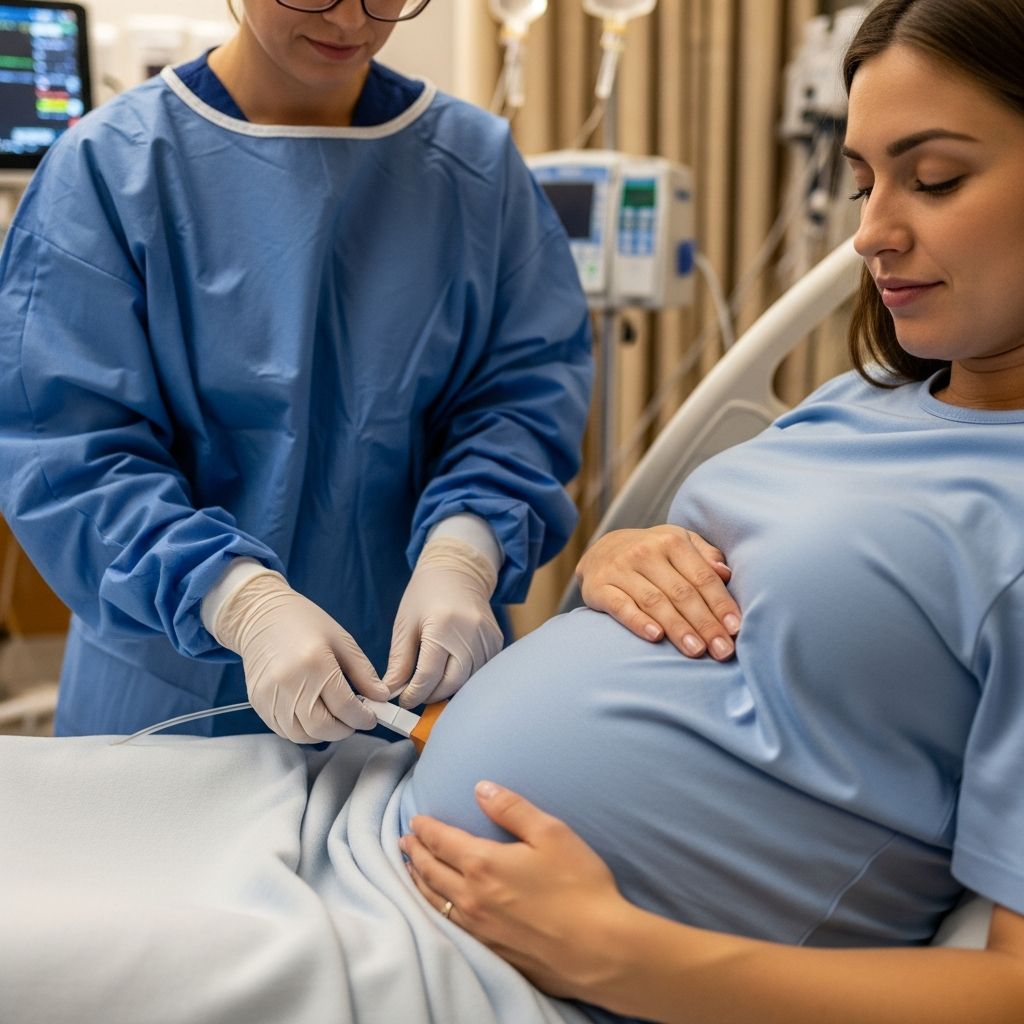
At around 15 weeks of pregnancy, you are well into the second trimester and many parents find this stage easier than the first few weeks. Your baby is rapidly growing, their bones and muscles are strengthening, and you may start to notice more visible changes in your own body as the uterus rises higher in your abdomen.
This guide explains how your baby is developing, what you might be feeling, and how to support your health during this important week.
Your Baby’s Development at 15 Weeks
By week 15, your baby is becoming more active and coordinated, even if you cannot feel all those movements just yet.
Size and Overall Growth
During the middle of the second trimester, babies grow quickly in both length and weight. Around this time, many fetuses measure several inches from crown to rump and are gaining fat and muscle that will continue to build over the next months.
- Rapid length growth as the body catches up with the head.
- Weight gain as muscle, bone, and body tissues become more developed.
- More balanced proportions, with longer legs and stronger limbs.
Bone and Skeletal Development
The skeleton is transitioning from softer cartilage to firmer bone, which is why more structures can often be seen clearly on an ultrasound during the second trimester.
- Ongoing bone mineralization, especially in the arms, legs, and spine.
- More defined joints, allowing bending at the knees, elbows, wrists, and ankles.
- Improved posture and movements as the spine and neck strengthen.
Muscle Development and Movement
Muscle growth allows your baby to practice a wide range of motions, even though there is still plenty of room to float in the amniotic fluid.
- Frequent flips, rolls, and stretches inside the uterus.
- Increasingly coordinated limb movements visible on ultrasound, such as flexing arms and legs.
- Movements of the hands toward the face or mouth, which help develop coordination and reflexes.
Skin, Hair, and Facial Features
Your baby’s appearance is becoming more recognizable, even though the skin is still very delicate and translucent.
- Thin, see-through skin that still shows underlying blood vessels.
- Early growth of hair on the scalp and eyebrows, contributing to your baby’s unique look.
- Ears moving toward their final position on the sides of the head, though they may still appear slightly low.
Internal Organs and Body Systems
Mature organs will not be fully ready until much later in pregnancy, but many internal systems are now functioning in basic ways.
- Kidneys are making urine that mixes with the amniotic fluid.
- The heart is pumping blood effectively through the growing circulatory system.
- The lungs are still immature but use amniotic fluid to practice breathing motions.
Your Body at 15 Weeks Pregnant
By 15 weeks, many pregnant people notice an energy boost compared with early pregnancy, but new body changes appear as the uterus grows and hormone levels remain high.
Physical Changes You May Notice
- Growing belly: The uterus is expanding upward from the pelvis, which can make your abdomen look and feel rounder.
- Weight gain: Health professionals often expect steady weight gain in the second trimester, though the exact amount depends on your pre-pregnancy weight and health.
- Breast changes: Darkening of the areola and visible veins in the breasts may continue as the body prepares for breastfeeding.
- Hair and nail growth: Some people notice faster hair and nail growth due to hormonal changes.
Common Symptoms at This Stage
Symptoms vary widely from person to person. Many people feel better than they did in the first trimester, but mild discomforts are still normal in the second trimester.
- Less nausea and fatigue compared with early pregnancy, though some may still experience them.
- Congestion or nosebleeds from increased blood flow to the mucous membranes in the nose.
- Mild pelvic or ligament discomfort as the uterus stretches and supporting ligaments adapt to your growing baby.
- Changes in skin, such as darkened patches or a faint line on the abdomen, may begin to appear later in the trimester.
Healthy Habits for Week 15
Focusing on nutrition, activity and regular prenatal care can support both your baby’s development and your overall well-being.
Nutrition Tips
Balanced eating remains essential throughout pregnancy. Medical organizations advise a variety of nutrient-dense foods rather than “eating for two.”
- Include lean proteins such as poultry, beans, lentils, and eggs to support tissue growth.
- Choose whole grains like oats, brown rice, and whole-wheat bread for steady energy and fiber.
- Eat a range of fruits and vegetables for vitamins, minerals, and antioxidants.
- Ensure enough calcium and vitamin D from dairy or fortified alternatives to support bone development.
- Take a prenatal vitamin if recommended by your health care provider to cover key nutrients such as folic acid and iron.
Staying Active Safely
For many people, the second trimester is an ideal time for regular physical activity, as long as the pregnancy is uncomplicated and your health care provider approves.
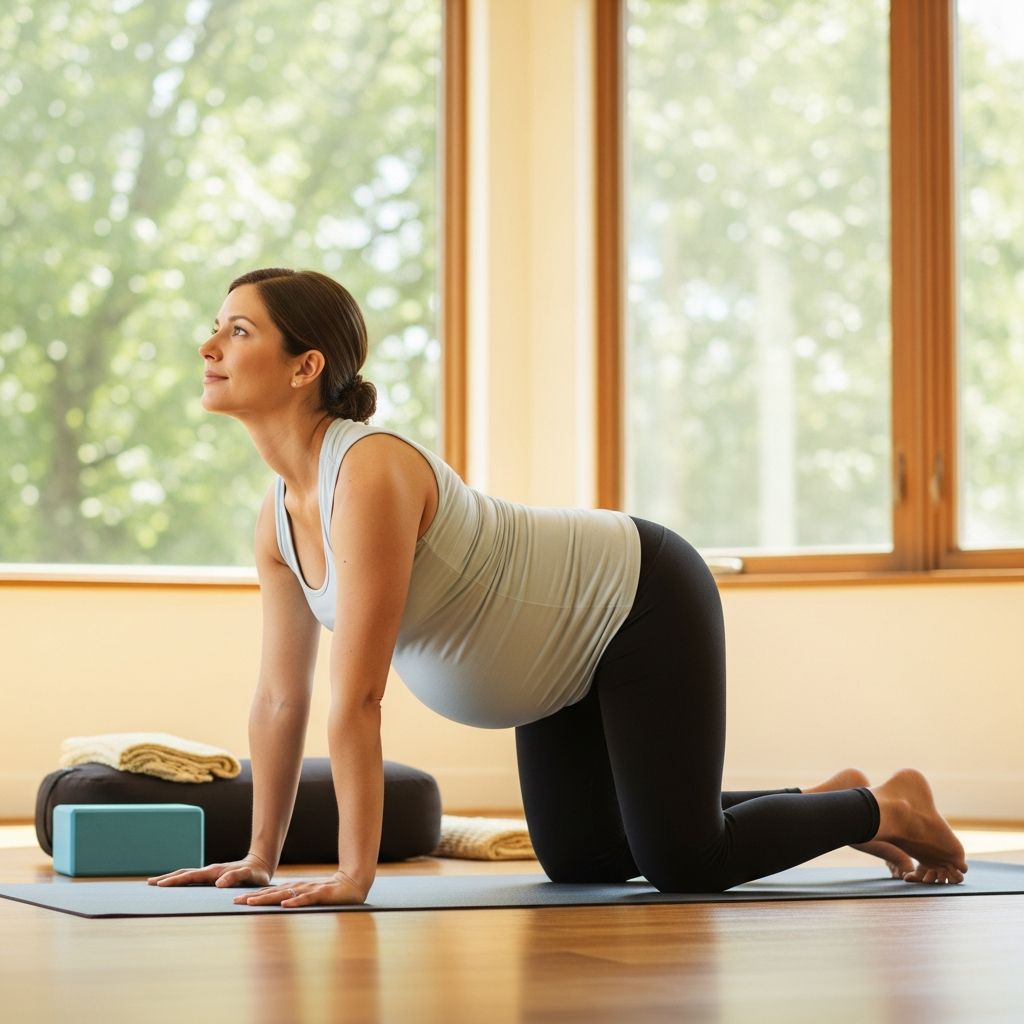
- Aim for regular moderate activity (such as brisk walking or prenatal yoga) most days of the week, if cleared by your provider.
- Focus on low-impact exercises that feel comfortable and avoid activities with a high risk of falls or abdominal injury.
- Pay attention to your body: stop if you feel dizzy, short of breath, or unusually fatigued, and contact your provider if symptoms persist.
Sample Daily Check-In Table
| Time of Day | What to Notice | Helpful Actions |
|---|---|---|
| Morning | Energy level, any nausea, headache, or dizziness | Eat a light, balanced breakfast; drink water; rest briefly if needed. |
| Midday | Hunger cues, back or pelvic discomfort, stress level | Have a nutritious lunch, stretch, adjust posture, and take a short walk if approved. |
| Evening | Swelling in feet or hands, heartburn, trouble winding down | Elevate feet, choose a lighter dinner, avoid lying flat right after eating, build a calming bedtime routine. |
Emotional and Mental Well-Being
Hormones, physical changes, and future planning can all affect your mood at 15 weeks.
- Feeling more relaxed is common if early pregnancy symptoms have eased.
- Some people experience ongoing anxiety or mood shifts about the pregnancy, work, or parenting.
- Sharing questions or worries with your health care provider, partner, or a trusted friend can be very helpful.
If you feel persistently sad, hopeless, or unable to enjoy daily life, tell your provider; mental health support is a vital part of prenatal care.
When to Call Your Health Care Provider
Most pregnancies progress normally, but certain signs warrant prompt medical attention. If you are ever unsure, it is always appropriate to contact your health care team.
- Heavy vaginal bleeding or passing clots.
- Severe abdominal pain or cramping that does not ease.
- Sudden swelling of the face, hands, or around the eyes.
- Severe, persistent headache, vision changes, or difficulty breathing.
- High fever or signs of infection.
- Any sudden change that feels alarming or very different from your usual pregnancy symptoms.
Looking Ahead: The Next Few Weeks
In the coming weeks, your baby will continue to grow quickly, and more movements may become noticeable. Many people start to feel “quickening,” or the first gentle flutters of movement, sometime between the late teens and early twenties of weeks in pregnancy.
- Your baby’s movements will become stronger and more regular as muscles and nerves mature.
- More features—such as limbs, spine, and facial bones—may be visible during ultrasound scans.
- You may be offered screening or anatomy scans in the second trimester to check growth and development.
Frequently Asked Questions (FAQs)
Q: Should I be able to feel my baby move at 15 weeks?
Many people do not feel clear movements until somewhere between about 18 and 20 weeks in a first pregnancy, and sometimes earlier in subsequent pregnancies. Small flutters can occasionally be felt earlier, but it is also normal not to notice anything yet at 15 weeks.
Q: Is it safe to sleep on my back during week 15?
Most guidance suggests that early in the second trimester, sleeping on your back is usually still safe, but as pregnancy advances, side-lying—especially on the left side—is often recommended to support circulation. Ask your provider when you should start avoiding back-sleeping based on your specific health.
Q: How much weight gain is typical at this stage?
Recommended weight gain depends on your pre-pregnancy body mass index and other health factors. Many people begin to gain weight more steadily in the second trimester, but your own target range should come from your health care provider or a registered dietitian who can individualize advice.
Q: Can I exercise normally at 15 weeks?
If your pregnancy is uncomplicated and your provider has not restricted activity, moderate exercise such as walking, swimming, or prenatal fitness classes is often encouraged in the second trimester. Avoid high-risk sports, overheating, and any movement that feels painful or unsafe for you.
Q: What if I feel very anxious about my baby’s health?
Feeling worried is common, especially before major scans or checkups. Bringing written questions to your appointments, asking your provider to explain test results, and seeking mental health support if anxiety interferes with daily life can all be helpful. Your emotional well-being is an important part of prenatal care.
References
- Pregnancy Calendar: Week 15 — Nemours KidsHealth. 2023-05-01. https://kidshealth.org/en/parents/week15.html
- Pregnancy Week by Week — March of Dimes. 2023-03-15. https://www.marchofdimes.org/pregnancy-week-week
- Fetal Development: Week-by-Week Stages of Pregnancy — Cleveland Clinic. 2024-01-10. https://my.clevelandclinic.org/health/articles/7247-fetal-development-stages-of-growth
- Fetal Development: The Second Trimester — Mayo Clinic. 2024-02-12. https://www.mayoclinic.org/healthy-lifestyle/pregnancy-week-by-week/in-depth/fetal-development/art-20046151
- Pregnancy at Week 15 — Pregnancy, Birth and Baby (Australian Government). 2023-11-20. https://www.pregnancybirthbaby.org.au/pregnancy-at-week-15
- 15 Weeks Pregnant: Baby Development, Symptoms and Tips — The Bump. 2023-08-05. https://www.thebump.com/pregnancy-week-by-week/15-weeks-pregnant
- 15 Weeks Pregnant: Baby’s Development — Tommy’s. 2023-09-18. https://www.tommys.org/pregnancy-information/im-pregnant/pregnancy-week-by-week/15-weeks-pregnant