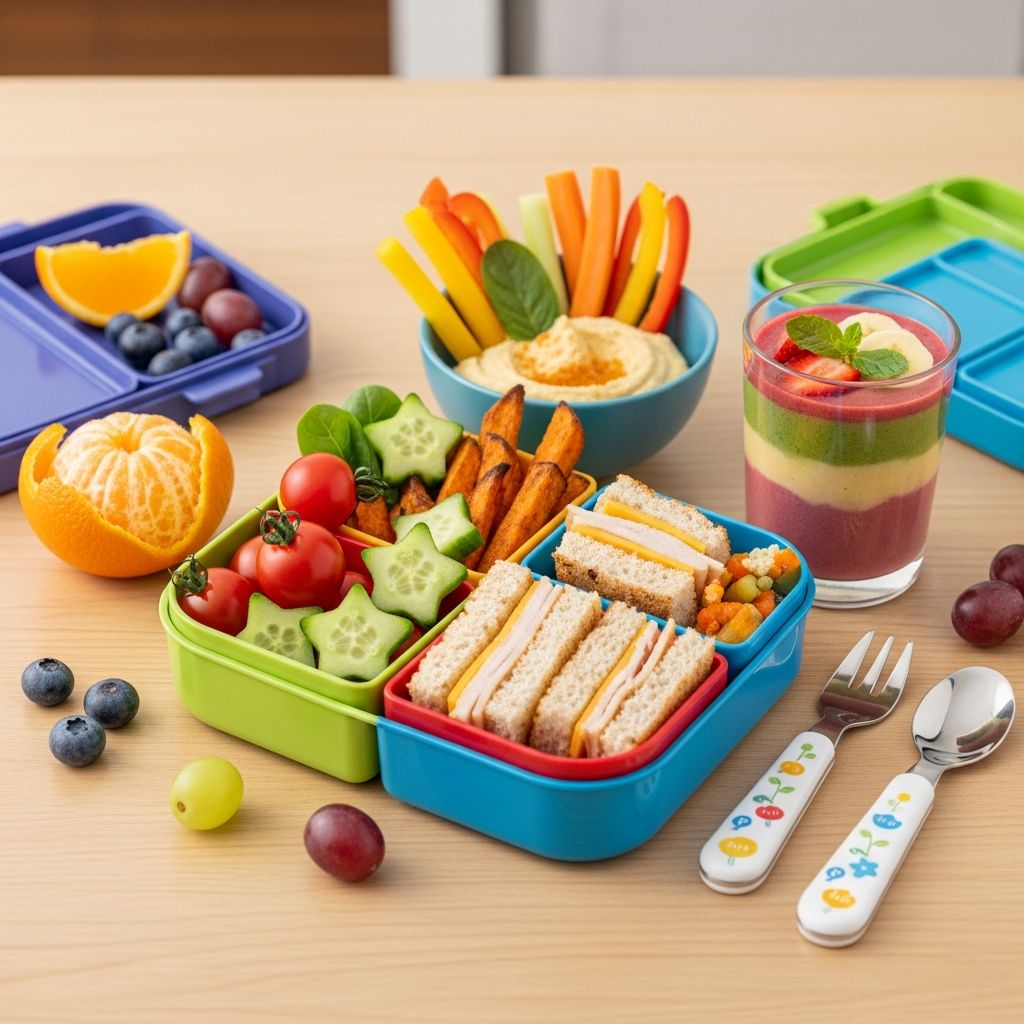
Picky eating is a common phase in childhood development, affecting many families during toddler and preschool years. Rather than viewing it as a battle, parents can adopt proactive approaches to guide children toward balanced nutrition. These methods emphasize patience, creativity, and involvement, helping kids gradually expand their palates.
Understanding the Picky Eating Phase
Children’s food preferences evolve as they grow, often shifting from selective tastes to broader acceptance. This selectivity stems from developing taste buds sensitive to new flavors and textures, as well as a natural caution toward unfamiliar items. Pediatric experts note that repeated, low-pressure exposures are key, with some children needing up to 10-15 tries before accepting a food. Maintaining calm during this period prevents escalating tensions at the table.
Focus on overall daily nutrition rather than single meals. Smaller portion sizes mean kids may skip one meal but compensate later, provided snacks are controlled to build appropriate hunger.
Building Healthy Habits Through Accessibility
Make nutritious options the default by placing them within easy reach. Stock counters or low shelves with pre-portioned, ready-to-eat items that appeal visually and texturally.
- Frozen grapes halved for safety in young children.
- Cooked baby carrots or raw cucumber spears.
- Orange segments or air-popped popcorn.
- Celery with thin peanut butter spread and raisins.
- Homemade trail mix using whole-grain cereal, nuts, and dried fruit (mind allergies and choking risks).
Smoothies frozen in molds or cups offer portable hydration and nutrients. This setup encourages self-selection, fostering independence and positive associations with healthy foods.
Creative Pairing and Gradual Introductions
Link familiar favorites with novel items to bridge acceptance. If a child enjoys peanut butter, pair it with apple slices or bananas. For nut lovers, sprinkle chopped varieties over vegetables like green beans or proteins such as fish.
Transition pasta by mixing half whole-wheat with regular, incrementally increasing the nutritious portion over meals. This subtle shift acclimates taste buds without overwhelming. Similarly, use ‘food bridges’—foods sharing color, flavor, or texture. A pumpkin pie fan might try mashed sweet potatoes, then carrots.
Family Involvement from Shop to Table
Turn food routines into shared adventures. During grocery trips, let children select one new produce item, like vibrant bell peppers or exotic dragon fruit. Home exploration—seeing, smelling, touching—builds curiosity before tasting.
Collaborate on weekly menus by offering choices among healthy options, such as vegetable sides or snacks. Display the plan visibly to set expectations. Involve kids in prep: stirring, counting ingredients, or brushing oil on veggies under supervision.
Infuse joy with music, dancing, or playful challenges during cooking. Modeling enthusiasm shows kitchen time as fun, not chore.
Snack Smart for Mealtime Success
Strategic snacking prevents overfilling before dinners. Limit high-calorie drinks and excessive portions between meals to ensure hunger at main times. Opt for balanced combos:
| Snack Type | Examples | Benefits |
|---|---|---|
| Protein + Produce | Hummus with veggies; fruit and cheese | Sustained energy, nutrient density |
| Portable Pouches | Protein/fat-enriched fruit pouches | Fullness without sugar spikes |
| Variety Containers | Compartmentalized with crackers, cheese, fruit | Encourages choice and exploration |
Rotate brands of yogurt, bread, or pasta to avoid fixation on specifics. Parents should eat alongside, demonstrating normalcy and self-care.
Fun Presentations and Texture Tweaks
Visual appeal captivates young eaters. Arrange foods into shapes, rainbows, or faces; finger foods and dips like hummus boost engagement. Transform pouches into frozen drops: squeeze onto parchment-lined sheets, freeze, and serve as treats.
Experiment with cooking: raw, roasted, steamed, or pureed. If steamed broccoli flops, try roasted with herbs or dipped. Small portions minimize waste and pressure.
Practical Tools and Rules
Snack spinners or divided containers add interactivity—kids push buttons to rotate options, promoting self-service. Implement a ‘no bowl’ for disliked items: off-plate but not discarded, teaching polite refusal without waste.
Communicate limits creatively, like showing empty snack packets near dinner to signal end times.
Addressing Resistance Without Pressure
Avoid bribes or separate meals, as they reinforce selectivity. Serve family-style: one balanced meal with a liked item included, no distractions. Pressure can backfire; neutrality encourages natural curiosity.
Sample Daily Meal Plan
| Time | Meal/Snack | Key Features |
|---|---|---|
| Breakfast | Whole-grain toast with thin peanut butter, banana slices | Familiar base + new fruit |
| Mid-Morning Snack | Frozen yogurt drops, cheese cubes | Fun, cold refreshment |
| Lunch | Snack plate: avocado, crackers, fruit, cheese | No-cook variety |
| Afternoon Snack | Trail mix or veggie sticks with dip | Easy grab-and-go |
| Dinner | Family pasta (half whole-wheat), roasted veggies, protein | Shared, bridged flavors |
Frequently Asked Questions (FAQs)
What if my child refuses a food repeatedly?
Persist gently—offer up to 10-15 times without forcing. Schedule exposures when hungry, using small amounts.
How do I handle snacks without spoiling dinner appetite?
Time snacks 2 hours before meals; choose balanced, portioned options to maintain hunger.
Are food bridges effective for toddlers?
Yes, they leverage similarity to expand preferences gradually, like progressing from purees to chunks.
Should I make separate meals for picky kids?
No—serve family meals to model variety and avoid catering, including one preferred item.
What’s a quick win for busy parents?
Snack plates from fridge staples offer choice and nutrition without cooking.
Implementing these strategies requires consistency but yields long-term gains in eating habits. Families report reduced stress and increased vegetable intake within weeks.
References
- 8 Tips for Moms of Picky Eaters — Go Red for Women (American Heart Association). 2023. https://www.goredforwomen.org/en/mom-life/for-moms-with-elementary-age-kids/8-tips-for-moms-of-picky-eaters
- The Overwhelmed Mom Survival Guide — Kids Eat in Color. 2023. https://kidseatincolor.com/overwhelmed-mom/
- 10 Tips for Parents of Picky Eaters — HealthyChildren.org (American Academy of Pediatrics). 2023-10-01. https://www.healthychildren.org/English/ages-stages/toddler/nutrition/Pages/Picky-Eaters.aspx
- 10 Parent Hacks For Picky Eaters — Healthnut Nutrition. 2023-04-19. https://www.healthnutnutrition.ca/2023/04/19/10-toddler-food-hacks/