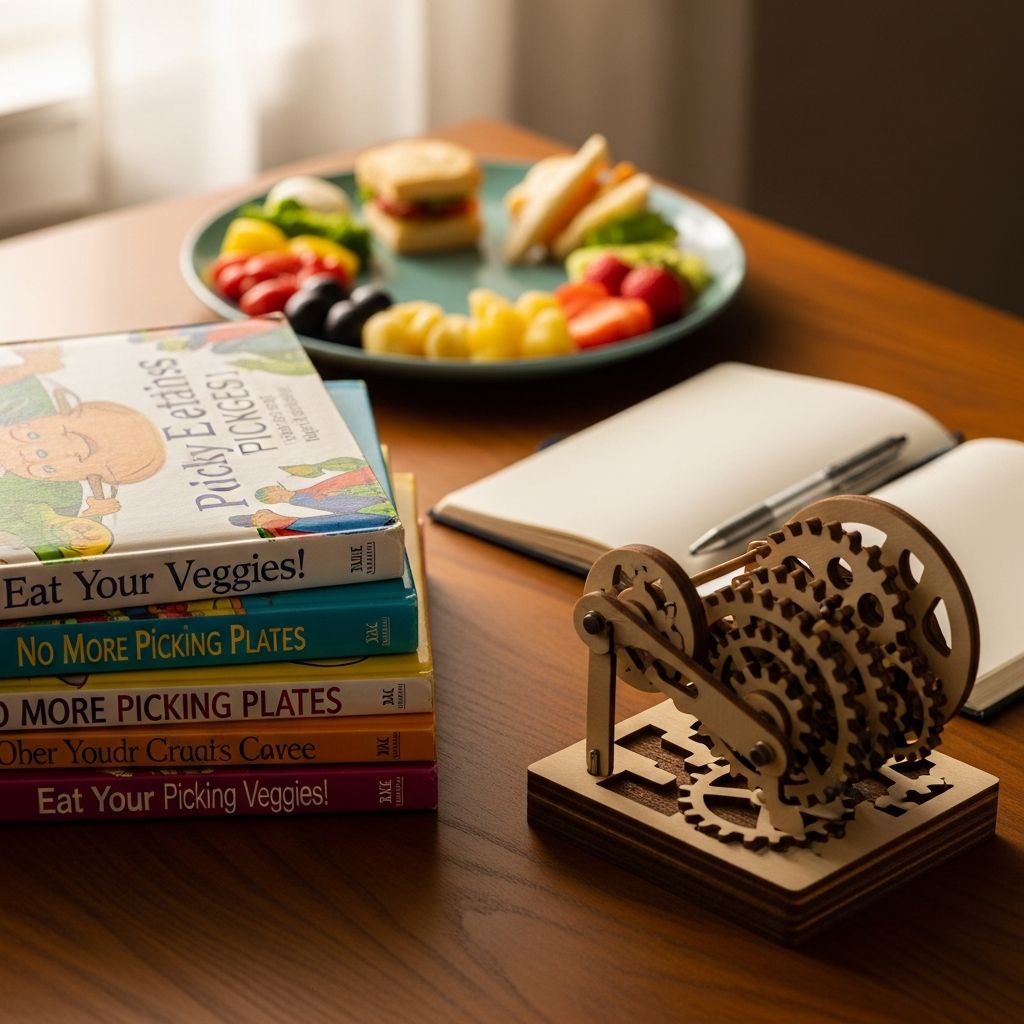
Many parents turn to popular books about picky eaters hoping for a magic formula, only to discover that the promised strategies don’t work in their real, messy, busy lives. Instead of blaming yourself or your child, it helps to understand why these approaches sometimes fail and what you can do differently at home.
This article offers an original, practical framework for navigating picky eating without power struggles, guilt, or unrealistic expectations. You will learn how to spot red flags, reset your mealtime mindset, and apply simple, sustainable tools that respect your child’s temperament and your family’s reality.
Why One-Size-Fits-All Advice Often Fails
Many picky eating resources assume a typical child, ample time, and parents who can follow rigid routines without interruption. Real families rarely look like that. Work schedules, siblings, cultural traditions, limited budgets, and unique medical or sensory needs all influence how a child eats.
When a book suggests a single “correct” method, parents can feel like they are failing if it doesn’t work quickly. In reality, selective eating is shaped by temperament, early feeding experiences, sensory preferences, and even personality traits. Effective support is therefore flexible, gradual, and adapted over time rather than based on a single script.
Understanding Picky Eating: Spectrum, Not Label
It helps to think of picky eating as a spectrum rather than a fixed identity. On one end are children who are mildly hesitant about new foods but still eat from all major food groups; on the other are children who accept only a tiny list of foods and react strongly if anything changes.
- Some kids are cautious but curious, needing repeated, gentle exposure.
- Others have intense reactions to textures, smells, or mixed foods and may need professional support.
- Most fall somewhere in between, with phases of more or less adventurous eating.
Instead of simply asking, “Is my child picky?” it is more useful to ask, “Where on the spectrum is my child today, and what kind of support fits this stage?” This question shifts your focus away from fixing your child and toward building skills and comfort at a manageable pace.
Red Flags: When It’s More Than Picky
While typical picky eating can be frustrating, it usually does not prevent growth or basic functioning. However, some situations are serious and deserve prompt evaluation rather than more home-based experiments or parenting books.
| Area | Possible Concern | More Reassuring |
|---|---|---|
| Growth | Noticeable weight loss or falling off the growth curve | Steady growth even with limited variety |
| Variety | Fewer than 10–15 reliably accepted foods, fear or panic when new food appears | Limited preferences but at least some foods from each major group |
| Behavior | Severe distress, gagging, or vomiting at sight or smell of certain foods | Mild complaining, bargaining, or stalling but able to remain at the table |
| Functioning | Eating issues interfere with school, social events, or daily family life | Challenges mainly occur at home but child can manage in other settings |
| Health | Suspected deficiencies, fatigue, constipation, or medical diagnoses | Generally healthy with normal energy and development |
If you see multiple concerning signs, especially related to growth or extreme distress around food, self-help approaches may not be enough. In that case, talk with a pediatrician, dietitian, or feeding specialist to rule out oral motor, sensory, or medical issues.
The Mindset Shift: From Control to Collaboration
Most books focus on getting children to comply with eating rules. This can lead to power struggles, bribes, threats, and a tense atmosphere at the table. A more sustainable approach is to think in terms of collaboration: the parent and child are on the same team, both learning how to make mealtimes peaceful and nourishing.
In a collaborative mindset, the adult is still in charge of what is served, when meals happen, and where eating takes place. The child, however, retains the right to decide if and how much to eat from what is offered. This division of responsibility reduces pressure and gradually builds trust.
Building a Calm Mealtime Environment
Before working on variety, it helps to stabilize the basic structure of meals. A secure, predictable rhythm sends the message that food will be available regularly and that there is no need to bargain constantly for snacks or alternatives.
- Serve food at roughly consistent times, with clear starts and ends to meals and snacks.
- Turn off screens and limit distractions to help kids notice hunger and fullness signals.
- Eat together when possible, even if only for a short time, to model enjoying food and conversation.
- Use simple rituals (lighting a candle, saying a brief thanks, or a family check-in question) to make the table feel welcoming.
Once mealtimes feel more predictable and less chaotic, children are often more willing to at least tolerate new foods on the table, which is a crucial first step toward tasting.
Rethinking the Goal: Comfort Before Variety
Many resources push parents to expand food variety as fast as possible. While variety matters for nutrition, safety and comfort matter more in the short term. A child terrified of the plate in front of them cannot learn anything positive from that meal.
Instead of focusing immediately on big changes, consider a staged goal structure:
- Stage 1: Help your child feel emotionally safe at the table, even when unfamiliar foods are present.
- Stage 2: Encourage them to tolerate new foods nearby, then on their plate, even without eating.
- Stage 3: Support tiny steps toward interaction: smelling, touching, licking, or taking micro-bites.
- Stage 4: Celebrate gradual increases in portion size and frequency of new foods.
Progress may not be linear. Some weeks your child may explore more; others may feel like a step back. This is normal and does not mean you have failed or need to abandon the overall approach.
Practical Strategies That Work Gradually
Instead of relying on rigid rules, consider a tool kit of strategies you can mix and match based on your child’s responses. Below are approaches that tend to support long-term change rather than short-term compliance.
1. The “Safe-Food Plus” Plate
Each meal can include at least one reliably accepted food alongside other items that range from familiar to totally new. The goal is not to trick your child but to show that the table includes both comfort and gentle challenge.
- Place a modest serving of the preferred food where your child can see it from the beginning.
- Add one or two other items that are similar in shape, color, or flavor to something they already like.
- Keep portions small for new foods so they look manageable.
Over time, many children will at least poke, smell, or lick a new food when they know that a familiar back-up is already on the plate and they will not be pressured.
2. Tiny, Repeated Exposures
Trying a new food once rarely changes a child’s mind forever. Think in terms of multiple, neutral exposures rather than single tests of willpower. The more times a food appears in a low-pressure way, the more likely a child is to accept it eventually.
- Offer a small taste of the same food prepared in different ways (raw, steamed, roasted, with dips).
- Use fun but relaxed language: “This carrot looks different today; you can look at it or touch it if you want.”
- Avoid announcing how many bites are required or commenting on how brave or difficult your child is being.
3. Involving Kids Without Making Them Perform
Participation can increase interest in food, but not all kids enjoy elaborate cooking projects. Simple, practical tasks often work just as well and feel more approachable.
- Invite your child to choose between two vegetables at the store or to wash produce at the sink.
- Assign small jobs like tearing lettuce, stirring batter, or arranging fruit on a plate.
- Let them step away if they feel overwhelmed; the goal is gradual familiarity, not perfection.
4. Neutral Language Around Food
Labels like “good,” “bad,” “healthy,” or “junk” can create anxiety or rebellion. Instead, try language focused on discovery and body awareness.
- Describe sensory qualities: crunchy, smooth, juicy, warm, cool, salty, sweet.
- Ask gentle questions: “How does this feel in your mouth?” or “Does it remind you of something else you eat?”
- Normalize personal preference: adults also dislike some foods, but still experiment over time.
5. Respecting Hunger and Fullness Cues
Pressure to “clean your plate” or threats about dessert can override a child’s internal signals. This can backfire, making them more resistant or more likely to eat past comfort in other situations.
- Set a time frame for meals, then allow your child to decide when they have had enough.
- Offer seconds if they are still hungry, even if they focus mainly on one component of the meal.
- Explain calmly that the kitchen closes between meals, so constant grazing is not an option.
What to Do When You’re Tired of Trying
It is normal to feel burned out, especially if you have followed multiple recommendations with little visible progress. Instead of abandoning all structure or doubling down on pressure, consider simplifying your approach for a period of time.
- Choose one or two strategies to focus on for a few weeks instead of trying everything at once.
- Prepare a short list of meals that everyone tolerates reasonably well and rotate through them.
- Plan simple, predictable snacks so you are not negotiating every time your child asks for food.
- Give yourself permission to use shortcuts such as frozen vegetables, pre-cut fruit, or simple proteins.
Taking the pressure off yourself often results in a more relaxed atmosphere, which can indirectly make your child more open to change over time.
Supporting Yourself as the Parent
Picky eating does not happen in a vacuum; it affects parents’ stress levels, relationships, and confidence. Feeling judged by relatives, other parents, or even health professionals can make it harder to stay calm and consistent.
- Set boundaries with well-meaning critics by briefly explaining your approach without defending every detail.
- Share your frustrations with trusted friends, support groups, or professionals who understand feeding challenges.
- Celebrate small wins, such as your child tolerating a new food on their plate or staying at the table a bit longer.
Remember that your relationship with your child outlasts any one season of picky eating. Preserving connection and trust is more important than achieving a certain menu by a certain age.
Sample Week of Low-Stress Family Dinners
The following table offers an example of how to structure dinners so that each meal includes a safe food, a modest challenge, and flexibility. This is not a prescription but a template you can adapt to your own culture, budget, and preferences.
| Day | Main Idea | Safe Component | Gentle Challenge |
|---|---|---|---|
| Monday | Build-your-own tacos | Plain tortillas, shredded cheese | Lettuce, beans, mild salsa |
| Tuesday | Pasta night | Plain pasta with butter or oil | Small side of sauce, grated vegetables, or meatballs |
| Wednesday | Breakfast-for-dinner | Scrambled eggs or toast | Sliced fruit, yogurt with toppings |
| Thursday | Tray-bake meal | Simple roasted potatoes or rice | Roasted vegetables, pieces of seasoned chicken or tofu |
| Friday | DIY snack-style plate | Crackers, cheese cubes | Raw vegetables, hummus, or another dip |
Using a pattern like this can make planning easier and gives children a sense of what to expect. Gentle repetition with small twists often feels safer than constant novelty.
Frequently Asked Questions About Picky Eaters
How long does picky eating usually last?
For many children, picky eating peaks in the toddler and preschool years and gradually eases as language, social skills, and flexibility develop. However, some kids hold on to narrow preferences longer, especially if they have sensory sensitivities or anxiety. Consistent, low-pressure exposure can help, but the timeline varies significantly from child to child.
Should I ever insist on “one bite” rules?
Some families find that a very gentle “you can try a tiny taste” expectation works if the child generally feels secure and respected. In other families, this rule creates tension and resistance. If you use it, keep the bite extremely small and avoid punishments or bribes. If your child becomes more anxious or distressed, it may be better to remove the rule and focus on voluntary exploration instead.
What about dessert—does it make picky eating worse?
Dessert can become a bargaining chip if it is used as a reward for eating certain foods. One alternative is to serve small, routine sweets on some days regardless of how much your child eats, or to include a small sweet item directly in the meal rather than setting it apart. The goal is to reduce the idea that specific foods must be earned by finishing others.
Is hiding vegetables in food a good idea?
Blending vegetables into sauces or baked goods can help increase nutrient intake in the short term, and there is nothing inherently wrong with this. However, if it is the only strategy you use, your child may not gain direct experience with the flavors and textures of vegetables. A balanced approach is to sometimes incorporate vegetables invisibly while also offering visible, recognizable forms alongside familiar foods.
When should I ask for professional help?
Seek professional guidance if your child’s eating is causing significant stress, limiting growth, or interfering with daily life and social activities. Sudden weight changes, frequent gagging or vomiting, or very rigid eating rituals are all reasons to consult a healthcare provider. Trust your instincts: if something feels off, it is reasonable to ask for an assessment rather than waiting for a book-based strategy to solve it.
Bringing It All Together
If books for picky eaters have not transformed your mealtimes, it does not mean you failed to follow the instructions correctly. It is more likely that your child and your family need a tailored, flexible approach that respects both emotional safety and nutritional needs. Small, consistent shifts in structure, language, and expectations can add up to meaningful change over time.
By focusing on collaboration, gentle exposure, and realistic goals, you create a foundation for your child to gradually expand their eating without damaging trust or turning every meal into a battle. Progress may be slow and uneven, but with patience and support, most children can learn to feel more comfortable around a wider variety of foods.