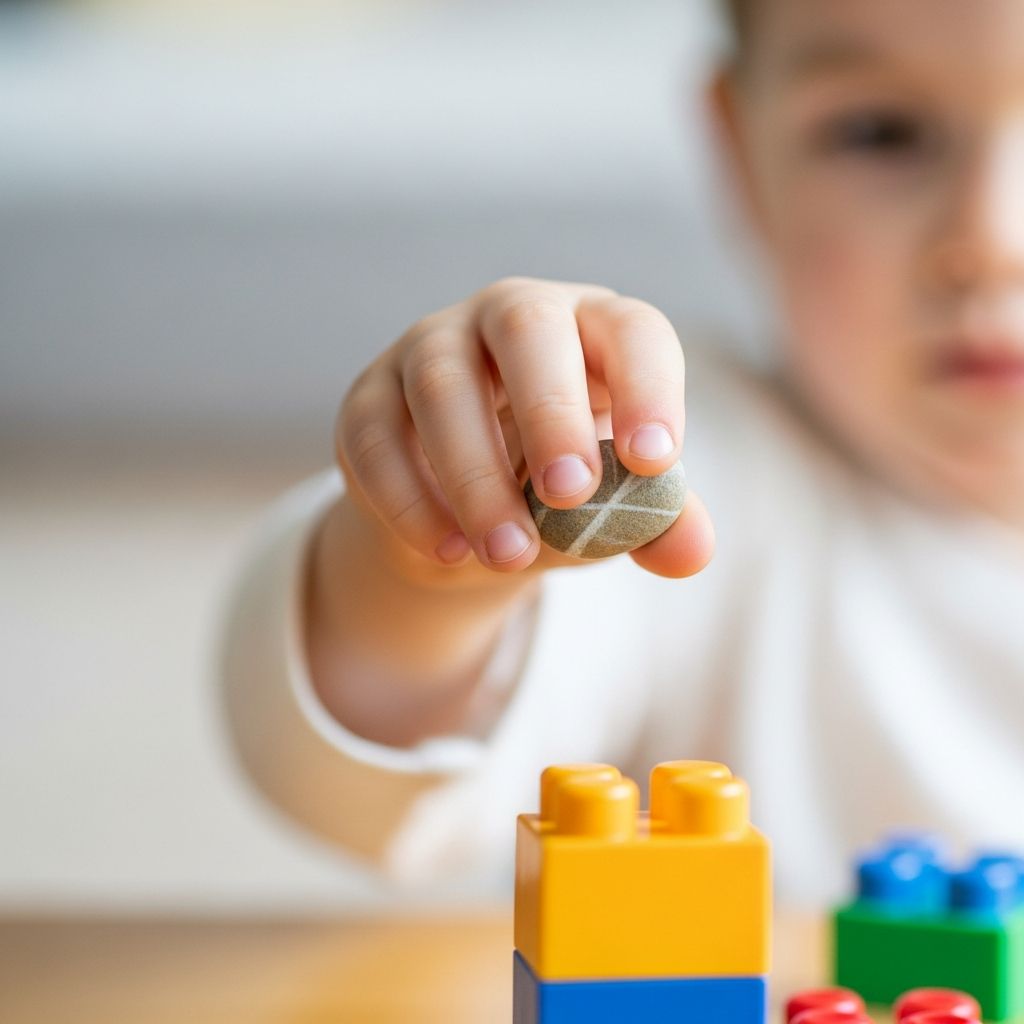
Pica is a condition in which a child regularly eats things that are not food, such as dirt, paper, hair, chalk, or soap. Although this behavior can be alarming, understanding what pica is and how it is treated can help families respond in a calm and effective way.
What Is Pica?
Pica is an eating disorder that involves repeated cravings for and consumption of items that are not meant to be eaten and have little or no nutritional value. For a diagnosis, this behavior must continue for at least a month and be inappropriate for the child’s age and developmental stage.
Many babies and toddlers put objects into their mouths as part of normal development. Pica goes beyond simple mouthing: the child intentionally eats non-food items again and again, even when those items may taste unpleasant or be clearly unsafe.
Common Non-Food Items Children May Eat
The specific items a child craves can vary, but there are some patterns that appear often in children with pica. A child may fixate on one type of item or switch between several.
- Dirt, sand, clay, or soil from the yard or playground.
- Paint chips, plaster, paper, cardboard, or pencils.
- Hair, string, fabric, or fibers pulled from clothing or blankets.
- Chalk, crayons, soap, detergent, or other household substances.
- Ice or freezer frost (sometimes called pagophagia when ice is the main item).
Some children eat these items in secret, while others do it openly. The behavior may occur at home, school, daycare, or outdoors.
Why Pica Is Different from Normal Curiosity
Young children naturally explore the world by touching, smelling, and putting objects in their mouths. This type of exploration usually decreases as they approach age two and begin to understand what is safe to eat. Pica is different because the child deliberately swallows the item and continues to do so persistently.
With pica, the behavior is strong enough to cause concern about health, safety, or functioning in daily life. The child may hide what they eat, seem very driven to find certain items, or keep doing it even after getting sick or being told not to.
Possible Causes and Contributing Factors
The exact cause of pica is not fully understood, and there is rarely just one reason a child develops this behavior. Instead, several physical, emotional, and environmental factors may overlap.
Medical and Nutritional Factors
- Nutrient deficiencies: Low levels of iron, zinc, or other nutrients may be linked to cravings for non-food substances in some children.
- Chronic illness or conditions: Children with some medical conditions, such as sickle cell disease or other chronic health problems, may be at higher risk.
- Hunger or poor access to food: In some situations, children may eat non-food items when they do not have enough regular, nutritious food available.
Developmental and Mental Health Factors
- Developmental differences: Pica is more common in children with autism spectrum disorder or intellectual disabilities.
- Mental health conditions: Some children with obsessive-compulsive features, anxiety, or other psychiatric conditions may use pica as a way to manage uncomfortable feelings or intrusive thoughts.
- Sensory seeking: Children who crave strong textures, tastes, or sensations in their mouths may be more likely to chew and swallow unusual objects.
Social and Environmental Influences
- Stress and trauma: Pica may appear or worsen during times of high stress, conflict, abuse, or neglect.
- Low supervision or unsafe environments: When unsafe objects are easy to access, the chances of pica-related behavior and harm can increase.
- Cultural practices: In some communities, eating specific earth-based or other non-food substances is a long-standing tradition, which may influence a child’s behavior and how it is viewed.
Warning Signs Parents Should Notice
Pica can be subtle at first, especially if the child hides what they are eating. Over time, patterns emerge that indicate a more serious problem than simple experimentation.
- Repeatedly finding small objects or debris missing or partially chewed.
- Noticing your child eating dirt, paper, or other non-food items more than once.
- Unexplained stomachaches, constipation, or diarrhea.
- Signs of tiredness, pale skin, irritability, or weakness that may suggest anemia or other health issues.
- Damage to teeth or gums, including chips, scratches, or soreness.
- Behavioral changes, such as secrecy, anxiety about being watched, or intense interest in certain objects.
If a child has any of these signs, especially together with known ingestion of non-food items, it is important to talk with a health professional.
Health Risks and Possible Complications
The dangers of pica depend on what the child eats, how much, and how long the behavior continues. Some items are relatively harmless in small amounts, while others can cause serious medical problems.
| Type of Risk | How It Can Happen | Examples of Warning Signs |
|---|---|---|
| Poisoning | Some substances, such as old paint, batteries, or contaminated soil, may contain toxins like lead or other heavy metals. | Irritability, behavior changes, learning problems, headaches, or seizures in severe cases. |
| Infections | Soil, feces, and other contaminated items may carry bacteria, worms, or parasites. | Fever, stomach pain, diarrhea, coughing, or overall fatigue. |
| Digestive blockage or injury | Hard or sharp objects can get stuck in the intestines or damage the digestive tract. | Severe abdominal pain, vomiting, bloating, or inability to pass stool or gas. |
| Nutrition problems | Eating non-food items can replace normal meals or interfere with nutrient absorption. | Poor growth, weight loss, fatigue, or signs of vitamin and mineral deficiency. |
| Mouth and dental injury | Chewing hard or abrasive items can damage teeth and gums. | Chipped teeth, gum bleeding, soreness, or infections in the mouth. |
Any suspicion that a child has swallowed something dangerous, such as metal, glass, sharp objects, or large amounts of dirt or chemicals, requires immediate medical attention or emergency care.
How Pica Is Diagnosed
Only a qualified health professional can diagnose pica. The evaluation typically starts with a detailed history of what the child has been eating, how often, and for how long. Parents, caregivers, and sometimes teachers are asked for their observations.
The clinician may order blood tests or other investigations to check for anemia, lead exposure, infections, or nutritional deficiencies. In some cases, imaging studies, such as X-rays, are needed to look for blockages or foreign objects in the digestive tract.
Mental health and developmental assessments are also important. They can reveal whether other conditions, such as autism, intellectual disability, or anxiety, are present and influencing the behavior.
Treatment Options and Professional Support
There is no single treatment that works for every child with pica. Instead, care is tailored to the child’s age, health, and specific needs. Treatment usually combines medical care, behavioral strategies, and family support.
Medical Management
- Correcting nutrient deficiencies, such as iron or zinc, when blood tests show low levels.
- Treating infections, poisoning, dental injuries, or intestinal problems caused by ingesting non-food items.
- Monitoring growth, weight, and overall health over time.
Behavioral and Psychological Interventions
- Working with a psychologist or behavior specialist to understand what triggers the behavior and to teach safer alternatives.
- Using positive reinforcement to reward the child for safe eating and for avoiding non-food items.
- Helping the child learn coping skills to manage stress, boredom, or sensory needs without turning to pica.
Support for Co-Occurring Conditions
- Providing speech, occupational, or physical therapy if developmental delays are present.
- Offering counseling or psychiatric care for anxiety, depression, or other mental health concerns.
- Collaborating with schools to put appropriate accommodations and behavior plans in place.
Practical Steps Parents Can Take at Home
Parents play a central role in both safety and behavior change. While professional care is essential, daily routines and home strategies make a big difference in reducing risk and helping the child improve.
Safety and Environment
- Remove or limit access to known target items, such as dirt piles, peeling paint, or specific toys or objects.
- Store cleaning supplies, detergents, and other hazardous substances in locked cabinets.
- Check the home and yard for chipping paint, exposed wires, or small pieces that could be swallowed.
- Provide safe, chewable objects if the child has strong oral-sensory needs, with guidance from therapists.
Routines and Supervision
- Increase supervision during times and in places where the behavior usually happens, such as outdoor play or quiet time in the bedroom.
- Establish regular meal and snack times so the child is less likely to be hungry and looking for objects to chew.
- Offer engaging activities that keep hands and mind busy, reducing boredom and opportunity.
Communication and Emotional Support
- Speak calmly when you notice the behavior instead of using shame or harsh punishment, which can increase secrecy.
- Teach simple rules, such as “Food is for eating, toys are for playing,” in age-appropriate language.
- Let your child know you are working with doctors and helpers to keep them safe and healthy.
Working with Schools and Caregivers
Children spend much of their time in classrooms, childcare centers, and other settings outside the home. It is important that all caregivers understand the child’s needs and follow the same safety guidelines.
- Inform teachers, school nurses, and childcare providers about the diagnosis and any specific items your child tends to eat.
- Ask staff to watch for and document any incidents, including what happened just before and after, to help identify triggers.
- Work together on a consistent behavior plan that uses positive reinforcement and avoids shaming or harsh discipline.
- Ensure that classrooms and playgrounds are inspected regularly for peeling paint, loose materials, or other hazards.
Outlook and Long-Term Considerations
The course of pica varies widely. In some children, especially when the behavior is linked to a temporary nutrient deficiency or a specific stressor, the problem may fade once those issues are addressed. In others, particularly children with developmental disabilities, pica can persist for years and require ongoing supervision.
Early identification and intervention usually improve outcomes. When families, healthcare providers, schools, and therapists work together, children are more likely to stay safe, receive needed treatment, and build healthier habits over time.
Frequently Asked Questions About Pica
Is pica a sign of bad parenting?
No. Pica is a complex condition with medical, developmental, and psychological components. While environment matters, parents do not cause pica simply by their parenting style. Seeking help is a sign of responsible caregiving, not failure.
Will my child grow out of pica?
Some children do stop eating non-food items as they grow older, especially when underlying issues such as nutritional shortages or temporary stress are treated. However, this is not guaranteed, particularly in children with developmental conditions. Regular follow-up and continued support are important, even if the behavior improves.
When should I go to the emergency room?
Seek urgent medical care if you think your child has swallowed something sharp, metallic, very large, or toxic, or if they show signs of severe pain, vomiting, difficulty breathing, sudden behavior changes, seizures, or extreme drowsiness. When in doubt, err on the side of caution and call emergency services or poison control.
Can pica be completely cured?
Many children show major improvement when pica is recognized early and treated with a mix of medical care, behavioral strategies, and family support. For some, the behavior disappears; for others, it may lessen but require ongoing monitoring, especially during stressful periods or life changes.
How can I explain pica to my child’s siblings or classmates?
Use simple, age-appropriate language. You might say that their sibling’s brain is telling them to eat things that are not food and that grown-ups are helping to keep everyone safe. Emphasize kindness and privacy, and discourage teasing or shaming.
Key Takeaways for Families
- Pica involves regularly eating non-food items and is more than normal childhood curiosity.
- Medical, nutritional, developmental, emotional, and environmental factors can all play a role.
- Health risks range from minor to very serious, depending on what is eaten and how often.
- Evaluation by health professionals is essential to check for complications and underlying causes.
- Combining medical care, behavior strategies, and strong home and school support offers the best chance for a safer and healthier future.