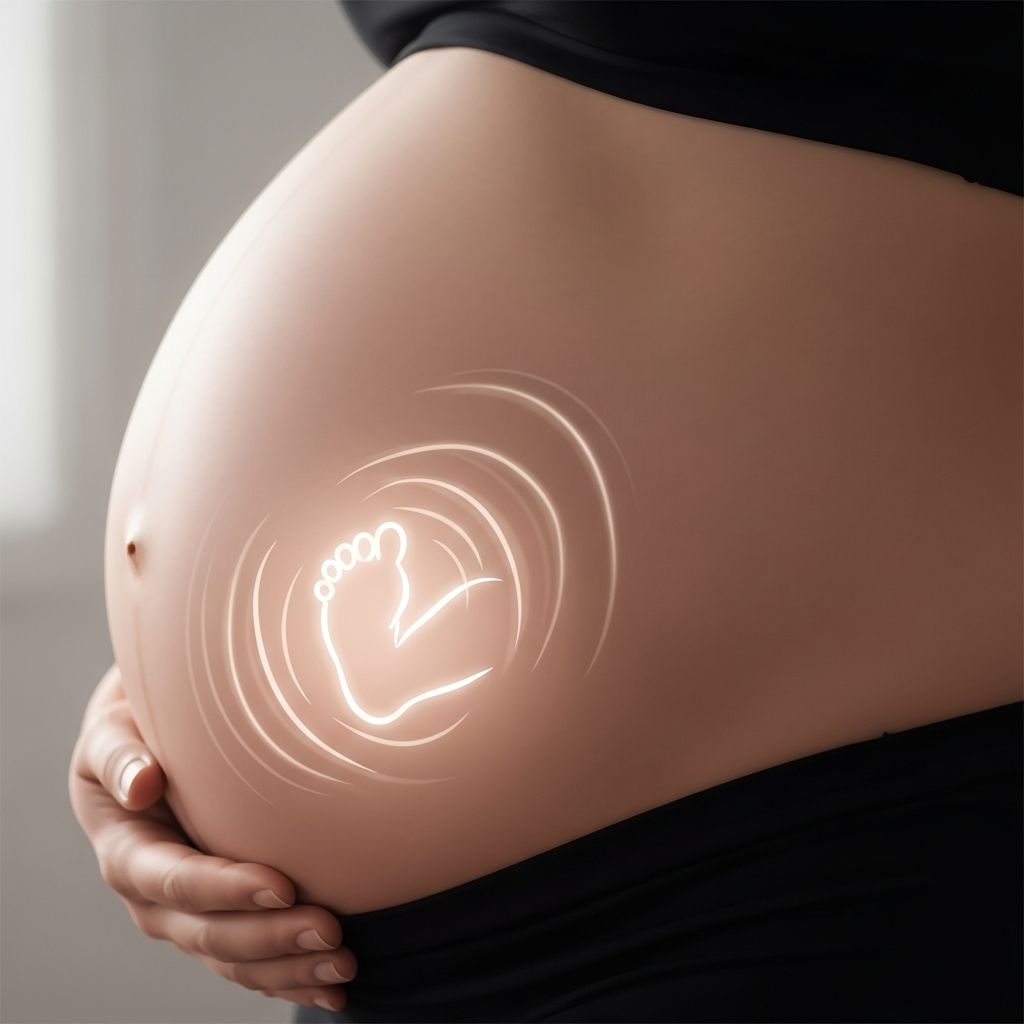
Many new mothers report feeling gentle flutters or kicks in their abdomen long after delivery, a phenomenon known as **phantom baby kicks**. These sensations mimic the familiar movements of a fetus but occur in the postpartum period, sometimes persisting for years. Affecting nearly 40% of women, phantom kicks are a normal part of recovery for most, though they can evoke a range of emotions from comfort to confusion.
Understanding the Sensation of Phantom Kicks
Phantom kicks feel strikingly similar to the quickening or rolling motions experienced during pregnancy. Women describe them as light taps, butterflies, or even strong pushes against the belly wall. Unlike gas or digestive twinges, these feel distinctly like baby movements due to their rhythmic, localized nature.
Research from Monash University reveals that among 197 surveyed women, 40% experienced these after their first pregnancy, with sensations lasting an average of 6.8 years postpartum—one participant reported them up to 28 years later. This prevalence underscores that phantom kicks are not rare hallucinations but a shared postpartum reality.
Neurological and Physiological Causes
The exact mechanism remains understudied, but experts propose several explanations rooted in bodily changes during pregnancy.
- Nerve Receptor Expansion: Pregnancy stretches the uterus and abdominal wall, proliferating nerve endings. Postpartum, these hypersensitive nerves may misfire, tricking the brain into perceiving fetal motion. This parallels phantom limb pain in amputees, where severed nerves continue signaling.
- Proprioception Alterations: Proprioception is the body’s unconscious sense of position and movement. Pregnancy reshapes the somatosensory homunculus—a brain map of body sensations—leading to lingering misinterpretations of abdominal signals.
- Postpartum Tissue Remodeling: The uterus involutes and abdominal muscles tighten, creating twitches mistaken for kicks during this healing phase.
- Heightened Body Awareness: Pregnancy conditions mothers to monitor every abdominal flutter as a sign of fetal health. Post-birth, innocuous gut motility or peristalsis gets attributed to baby movements.
These theories highlight how pregnancy reprograms the nervous system, with effects echoing long after birth.
How Common Are Phantom Kicks and Who Experiences Them?
| Demographic | Prevalence | Average Duration |
|---|---|---|
| First-time mothers | 40% | 6.4-6.8 years |
| All postpartum women | Up to 50% | Months to 28+ years |
| After pregnancy loss | Common but underreported | Varies; often prolonged |
Data from peer-reviewed surveys confirm phantom kicks transcend demographics, though first-time moms report them most frequently. Social media anecdotes, like those on YouTube, suggest 40-50% of postpartum individuals notice them, normalizing the experience.
Emotional and Psychological Dimensions
Reactions to phantom kicks vary widely. A Monash study found 25% of women viewed them positively—as nostalgic reminders of pregnancy—while 27% felt upset, confused, or distressed. For some, these flutters evoke joy; for others, longing or anxiety.
In cases of pregnancy loss or infertility, sensations can intensify grief, mimicking false pregnancy symptoms tied to emotional trauma. Experts like Dr. Kecia Gaither note potential links to postpartum depression or anxiety, urging mental health screening if kicks correlate with mood changes.
Duration and When They Fade
Phantom kicks have no fixed timeline. Most subside within months as nerves recalibrate, but surveys indicate an average persistence of 6-7 years. Factors like multiple pregnancies or heightened sensitivity may prolong them.
Board-certified OB-GYNs recommend tracking patterns: if sensations intensify, localize painfully, or accompany other symptoms (e.g., bloating, irregular bleeding), consult a physician to rule out issues like ovarian cysts or gastrointestinal disorders.
Coping Strategies for Phantom Sensations
Embracing phantom kicks as a benign echo of motherhood helps many. Practical tips include:
- Mindful breathing or gentle belly massages to differentiate sensations.
- Journaling experiences to spot patterns and reduce anxiety.
- Physical activity like yoga to retrain body awareness.
- Connecting with mom communities for validation—online forums buzz with shared stories.
- Professional support if distress persists; therapy aids emotional processing, especially post-loss.
These steps transform confusion into empowerment, reframing kicks as the body’s testament to its maternal journey.
Phantom Kicks After Pregnancy Loss
For those grieving miscarriage or stillbirth, phantom kicks can reopen wounds. The brain’s powerful memory of prior movements amplifies this, sometimes alongside other pseudocyesis-like symptoms. Dr. Christine Greves emphasizes discussing feelings openly with doctors and therapists, as unaddressed grief risks prolonged mental health challenges.
Support groups and counseling are vital, helping integrate these sensations into healing narratives rather than sources of pain.
Expert Insights from Medical Professionals
“Phantom kicks reflect the profound neurological imprint of pregnancy. They’re a sign your body remembers its incredible work.” — Dr. Tiffany Woodus, OB-GYN
Authorities like the American College of Obstetricians and Gynecologists indirectly affirm this through postpartum recovery guidelines, noting sensory changes as normal. Limited research calls for more studies to demystify causes fully.
Frequently Asked Questions About Phantom Baby Kicks
Are phantom kicks a sign of pregnancy?
No, they occur post-delivery and stem from nerve memory, not new pregnancy. Confirm with a test if cycles resume.
Can men or non-birthing parents feel them?
Rarely; it’s tied to abdominal nerve changes in birthing parents. Partners may empathize but don’t experience physically.
Do phantom kicks mean something is wrong?
Typically harmless, but see a doctor for pain, swelling, or persistence beyond 7 years with new symptoms.
How do I stop phantom kicks?
They fade naturally. Exercise, diet, and stress reduction accelerate resolution; consult pros if needed.
Are they more common after C-sections?
No clear data, but surgical scarring might influence sensations in some cases—monitor closely.
Long-Term Implications for Maternal Health
While benign, persistent phantom kicks may signal broader sensory adaptations worth studying. Future research could link them to postpartum recovery timelines, informing tailored care. For now, they remind us of pregnancy’s lasting imprint on mind and body.
Incorporating mindfulness practices proves effective for many, reducing misattribution and fostering body positivity during the fourth trimester and beyond.
References
- Yep, It’s Normal to Feel Phantom Kicks After Baby Has Left the Womb — Healthline (Medically reviewed by Debra Rose Wilson). 2020-08-28. https://www.healthline.com/health/pregnancy/phantom-kicks
- What Are Phantom Kicks? Is it Normal And Why Does it Happen — Care.com. Recent access 2026. https://www.care.com/c/what-are-phantom-kicks/
- “Phantom Kicks”: Women’s Subjective Experience of Fetal… — PubMed/PMC (Sasan D et al.). 2020. https://pubmed.ncbi.nlm.nih.gov/32846107/
- “Phantom Kicks”: Women’s Subjective Experience of Fetal Kicks… — Journal of Women’s Health (Sasan D et al.). 2020. https://journals.sagepub.com/doi/10.1089/jwh.2019.8191
- 15 Things You Didn’t Know About Your Pregnant + Postpartum Body — Tiny Hearts Education. Recent. https://tinyhearts.com/blogs/postpartum/15-things-you-didnt-know-about-your-pregnant-and-postpartum-body