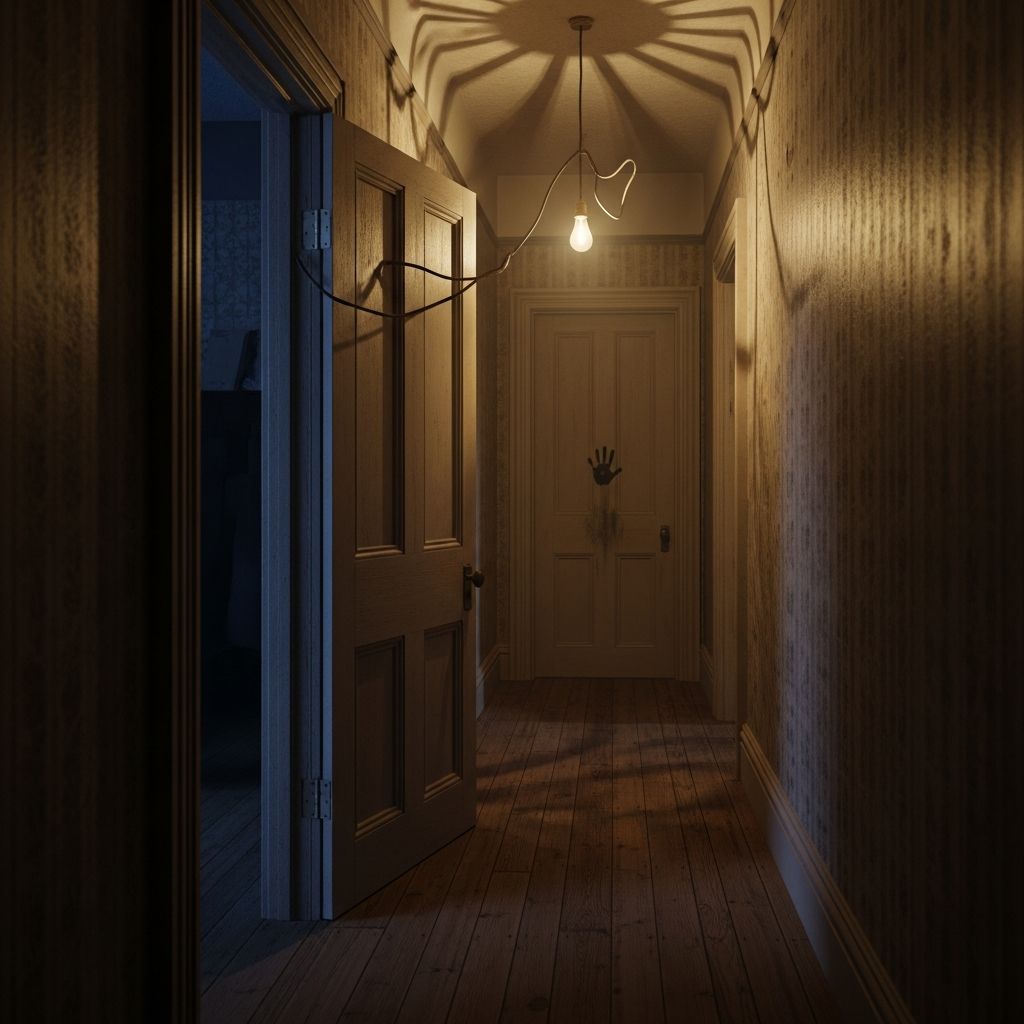
PG and PG-13 horror films look tame on paper, but many of them remain genuinely frightening decades after release. Some were even central to the creation of the PG-13 rating itself, as audiences and regulators tried to find a middle ground between family entertainment and graphic terror.
For parents, caregivers, and even nostalgic horror fans, understanding how these movies work—and where they still push boundaries—is key to making smart viewing choices.
From PG To PG-13: How We Got “In-Between” Horror
In the early 1980s, American movies were essentially sorted as G, PG, R, or X. There was no official middle rating between PG and R. When adventure and fantasy films started including more intense violence and disturbing imagery, parents complained that PG no longer gave them enough information.
Two titles are frequently credited with forcing the issue:
- Indiana Jones and the Temple of Doom – Known for its heart-ripping ritual and gruesome set pieces, but originally rated PG.
- Gremlins – Marketed as a mischievous creature comedy yet filled with chaotic violence and surprisingly cruel gags, also rated PG at release.
In response, the Motion Picture Association created the PG-13 rating in 1984 to signal that some content may be too intense for children under 13, even if it didn’t warrant an R.
What PG and PG-13 Actually Mean
| Rating | Intended Meaning | Typical Horror Content |
|---|---|---|
| PG | Parental guidance suggested; some material may not be suitable for children. | Mild to moderate fear, limited blood, no sustained brutality, few or no explicit gore scenes. |
| PG-13 | Parents strongly cautioned; some material may be inappropriate for children under 13. | Strong scares, intense suspense, disturbing images, but restrictions on graphic gore and explicit language. |
In horror, this usually means filmmakers lean more on atmosphere, suspense, and implication than on graphic violence or nonstop profanity.
Why “Tame” Ratings Can Still Produce Real Nightmares
Many of the scariest PG or PG-13 films are effective because of what you don’t see. Filmmakers use tension, suggestion, and sound to trigger fear circuits in the brain without needing explicit images.
Research on media exposure shows that intense suspense, threatening situations, and disturbing soundscapes can provoke stress reactions similar to real-life danger, especially in younger or more sensitive viewers. In other words, the lack of gore does not guarantee a gentle experience.
Common Shock Elements in PG and PG-13 Horror
- Jump scares built around sudden music stings and loud noises.
- Unseen or barely seen creatures that let the imagination fill in the gaps.
- Threats to children or families, which can feel more personal for young viewers.
- Disturbing, uncanny imagery—like dolls, shadows, or altered human faces—that stays in the mind.
- Moral dread about curses, hauntings, and supernatural punishment.
Classics such as Jaws and Poltergeist are widely ranked among the scariest PG horror films ever made, thanks to exactly these techniques.
Why Parents Still Reach For PG/PG-13 Horror
Despite their intensity, many families gravitate toward softer-rated horror for several reasons:
- Less graphic content – Parents can avoid extreme gore, torture, or sexual violence more common in R-rated titles.
- Shared cultural touchstones – Films like Gremlins or Jaws are part of pop culture history, and adults want to share them with their kids.
- Gateway to the genre – More moderate horror can introduce older kids and teens to spooky storytelling in a controlled way.
- Blend of humor and scares – Many PG/PG-13 movies weave in comedy or adventure, softening some of the impact.
However, each child’s tolerance is different. Studies in developmental psychology indicate that children vary widely in how they interpret and internalize frightening media, depending on age, temperament, and life experience.
Notable Ways PG Horror Pushes Boundaries
Even with rating constraints, filmmakers find creative ways to unsettle audiences. Some recurring patterns include:
1. Weaponizing Everyday Spaces
Suburban homes, shopping streets, and beaches become sites of terror. By corrupting familiar spaces, these movies amplify anxiety: if danger can strike in the most ordinary places, nowhere feels entirely safe.
- Sunny small towns masking lurking threats.
- Family living rooms becoming portals or battlegrounds.
- Vacation settings turning into survival scenarios.
2. Blurring Comedy and Horror
Some PG/PG-13 titles mix slapstick humor with shock moments, which can make the horror feel more unpredictable. Laughter lowers defenses, then the film pivots quickly into menace, sometimes making the scare land harder.
3. Suggestive Violence Without Gore
Instead of lingering on injuries, the camera may cut away at the critical moment, letting sound design and audience imagination imply what happened. The emotional impact can be as strong as more graphic scenes, while still meeting rating guidelines.
4. Psychological and Supernatural Dread
Many PG and PG-13 horror movies emphasize:
- Ghosts, hauntings, and curses that suggest enduring, unseen threats.
- Possession or loss of control over one’s body or mind.
- Parental helplessness when children are targeted by supernatural forces.
These themes tap into deep-rooted anxieties that can haunt viewers long after the credits roll.
How To Judge If a PG/PG-13 Horror Film Is Right For Your Kid
Relying only on the MPAA rating is rarely enough. A more nuanced approach can make movie night safer and less stressful for everyone.
Key Questions For Parents To Ask
- What kind of horror is it? Creature feature, ghost story, psychological thriller, or dark comedy?
- Is the fear mostly jump scares or sustained dread? Some kids handle quick frights better than slow-building tension, and for others it’s the reverse.
- Are children in danger on-screen? Young viewers may be especially disturbed when kids their age are targeted.
- How realistic is the threat? A shark in the ocean or a home invasion may feel scarier than obviously fantastical monsters.
- How sensitive is your child? Consider prior reactions to Halloween attractions, spooky books, or intense scenes in non-horror films.
Practical Screening Strategies
- Pre-watch the film when possible, especially for children under 12.
- Use parental guidance resources that break down scary scenes, violence, and themes in plain language.
- Have a plan to pause if things become overwhelming and be prepared to talk through confusing or frightening moments.
- Set viewing conditions: earlier in the evening, with lights on, and with a calm activity afterward.
Media researchers have found that co-viewing with discussion—watching alongside children and talking about what’s happening—can lessen fear responses and help kids process what they see more constructively.
PG vs. PG-13 Horror: What’s The Real Difference?
While there is overlap, you can often think of PG as “spooky adventure with limits” and PG-13 as “legitimately intense but not fully graphic.”
| Aspect | Typical PG Horror | Typical PG-13 Horror |
|---|---|---|
| Violence | Implied or quickly cut away, little to no blood. | More intense, may show injuries or disturbing imagery but avoids explicit gore. |
| Tone | Lighter, often blended with comedy or adventure. | Darker, more serious scares and sustained tension. |
| Theme Complexity | Simpler good vs. evil, clear moral outcomes. | More ambiguous morality, complex emotional stakes. |
| Ideal Audience | Older children and tweens with some experience of spooky stories. | Teens and mature tweens comfortable with intense suspense. |
Using PG/PG-13 Horror As a Teaching Tool
Handled carefully, milder horror films can open up valuable family conversations.
1. Talking About Fear
After the movie, ask questions such as:
- “What part scared you the most and why?”
- “Did anything in the movie feel like a fear you’ve had in real life?”
- “What did the characters do when they were scared—did it help?”
Psychologists note that naming and discussing fears can reduce their intensity and help children learn coping strategies.
2. Spotting Movie Tricks
Pulling back the curtain on filmmaking can also reduce fear:
- Point out how music cues signal upcoming scares.
- Talk about special effects, prosthetics, or CGI instead of “real” monsters.
- Highlight the difference between story tension and actual danger at home.
3. Moral and Ethical Themes
PG and PG-13 horror often hide life lessons inside their scares, including:
- Respecting boundaries and rules.
- The consequences of cruelty or greed.
- The importance of family, friendship, and teamwork during crises.
When To Wait: Signs A “Mild” Horror Film Isn’t Appropriate Yet
Even if the rating looks safe, it may not be the right time for your child. Consider postponing if you notice:
- Ongoing sleep issues after previously scary content.
- Intrusive images or thoughts they can’t shake, especially about death or harm.
- Strong avoidance of everyday situations (baths, darkness, pets, water, etc.) that resemble elements from a movie.
Professional guidance from child psychologists often emphasizes respecting these reactions as meaningful signals rather than simply “toughening kids up.”
Frequently Asked Questions (FAQs)
Are PG and PG-13 horror movies safe for all kids?
No. The rating only describes content in broad strokes. Individual children differ widely in how they respond to suspense, monsters, and disturbing themes, so parents should consider age, temperament, and past reactions to scary media.
What age is okay for a first PG horror movie?
Many families find that older elementary or tween ages are a better starting point, but there is no universal rule. It is often wise to begin with lighter, comedic spooky films, watch together, and stop if the child becomes overwhelmed.
My teen wants to jump from PG-13 horror to R-rated movies. Should I be concerned?
R-rated horror often includes more graphic violence, disturbing imagery, and adult themes. Some teens handle this well, others do not. Consider previewing films, checking detailed content breakdowns, and having open conversations about what they are curious about and what you are comfortable allowing.
Do PG horror movies ever get their ratings changed?
It is rare but not unheard of for older films to be reclassified for TV or streaming presentations. More commonly, viewers today look back at early-1980s PG horror and feel that, by modern standards, many of those titles would likely receive PG-13 instead.
How can I tell which PG/PG-13 titles are more comical and which are truly intense?
Read a mix of professional reviews and parent-focused breakdowns, watch trailers, and pay attention to descriptions such as “horror-comedy,” “family adventure,” or “supernatural thriller.” These labels often indicate whether the movie leans goofy, spooky, or seriously frightening.
References
- Children and media: A global perspective on research and practice — Valkenburg, P.M. & Piotrowski, J.T. 2017-01-01. https://doi.org/10.4324/9781315759844
- Media and Young Minds — Council on Communications and Media, American Academy of Pediatrics. 2016-11-01. https://publications.aap.org/pediatrics/article/138/5/e20162591/60692/Media-and-Young-Minds
- The 45 Scariest PG Horror Movies Of All Time — Ranker Film. 2023-01-01. https://www.ranker.com/list/best-pg-horror-film-movies/ranker-film
- The Invention of PG-13 — J.A. Hernandez. 2022-10-31. https://www.jahernandez.com/posts/the-invention-of-pg-13
- 100 Favorite PG & PG-13 Horror Films — IMDb. 2020-01-01. https://www.imdb.com/list/ls096996706/