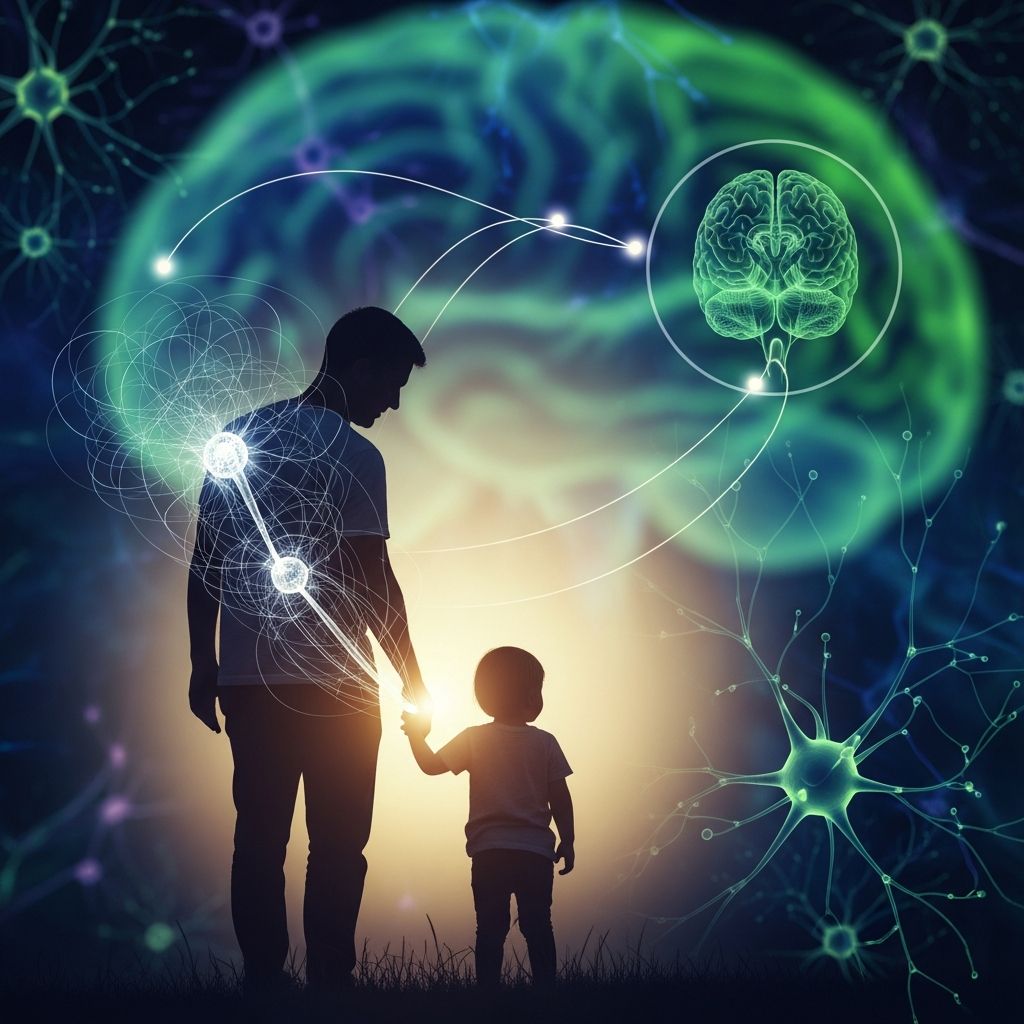
Fathers play a pivotal role in child development, influencing emotional stability, cognitive growth, and behavioral outcomes through their psychological engagement and mental health. Scientific research consistently demonstrates that active paternal involvement fosters resilience and positive life trajectories in children, while paternal mental health challenges can have lasting repercussions.
The Profound Influence of Paternal Engagement on Child Growth
Active fatherly participation significantly enhances children’s social, emotional, and academic progress. Studies reveal that fathers’ emotional involvement, rather than mere time spent, correlates with improved self-control, sociability, and confidence in offspring. For instance, children with highly engaged fathers exhibit fewer behavioral issues and higher prosocial behaviors, even if fathers are non-resident.
Quality interactions, such as playful activities or educational discussions, build secure attachments that buffer against stress. Research spanning decades shows that early positive father-son bonds predict better physiological stress regulation in adulthood, including healthier cortisol patterns. This underscores fathers’ unique contribution to children’s HPA axis development, mitigating risks from adverse early environments.
- Social Skills: Father-involved kids display greater empathy and peer competence.
- Cognitive Gains: Paternal stimulation boosts reading and math proficiency.
- Emotional Regulation: Reduces impulsivity and enhances stress tolerance.
Mental Health Dynamics in New Fathers
Transitioning to fatherhood triggers significant psychological shifts, with many men facing identity formation challenges, role conflicts, and unspoken fears. First-time fathers often grapple with lifestyle changes, leading to stress responses like denial or escapist behaviors such as extended work hours.
Perinatal depression affects about 14% of fathers, mirroring maternal rates, yet it remains underrecognized. Symptoms manifest differently in men, including irritability, substance use, or aggression, which can strain family dynamics. Untreated, these issues impair parenting sensitivity, reducing emotional support for children.
| Aspect | Positive Fatherhood Effects | Negative Mental Health Impacts |
|---|---|---|
| Child Behavior | Higher self-esteem, cooperation | Restlessness, defiance by age 9 |
| Physical Health | Better stress regulation | Increased psychosomatic issues |
| Long-term Outcomes | Academic success, lower risk behaviors | Anxiety, depression in adulthood |
Long-Term Legacy: From Childhood to Adulthood
The ripple effects of fatherly involvement extend into adulthood. Children of engaged fathers report fewer mental health disorders, lower unemployment rates, and reduced reliance on social services. Conversely, father absence links to chronic issues like low self-esteem, substance abuse, and homelessness.
Physiological evidence from longitudinal studies confirms that positive early father interactions normalize diurnal cortisol rhythms, promoting lifelong health. Fathers’ mental health at key developmental stages, like kindergarten entry, predicts school behaviors years later, with depressed fathers’ children showing persistent conduct problems.
Even non-resident fathers can mitigate these risks through consistent, high-quality engagement, emphasizing prosocial modeling and emotional availability. This protective factor holds across genders, reducing high-risk behaviors in both boys and girls.
Navigating Paternal Mental Health Challenges
Fathers’ psychological well-being directly shapes family outcomes. Paternal depression disrupts home harmony, fostering conflict and diminished child support. Men often mask symptoms through hypermasculine behaviors or avoidance, delaying intervention.
Protective strategies include early screening during perinatal periods, where fathers face elevated depression risks. Supportive interventions enhance parenting efficacy, breaking cycles of behavioral transmission. Engaged fathers also benefit personally, experiencing fewer health issues and longer lifespans.
- Warning Signs: Persistent sadness, irritability, withdrawal from family.
- Coping Tools: Therapy, peer support groups, mindfulness practices.
- Family Benefits: Improved child outcomes via modeled resilience.
Practical Ways Dads Can Boost Child Development
Daily involvement yields measurable gains. Simple actions like reading together elevate literacy skills, while rough-and-tumble play builds physical confidence and emotional bonds. School participation sustains long-term engagement, correlating with sustained academic motivation.
Paternal sensitivity—attuning to children’s cues—fosters cognitive and regulatory skills, curbing externalizing problems. Even brief, positive interactions, such as picnics or conversations, recalibrate stress responses. Dads should prioritize democratic parenting over coercive styles for optimal child growth.
Frequently Asked Questions (FAQs)
What is the biggest benefit of father involvement?
The quality of emotional engagement leads to better cognitive, social, and self-regulation skills in children, with lasting adult benefits.
How does a father’s depression affect kids long-term?
Children exposed to paternal depression at age 5 show behavioral issues and poor social skills by age 9, potentially persisting into adolescence.
Can non-resident fathers still make a positive impact?
Yes, quality interactions improve social-emotional well-being, academics, and behavior, regardless of living arrangements.
What mental health risks do new fathers face?
Perinatal depression (14% prevalence), identity struggles, and stress from role changes, often masked by aggression or substance use.
How can fathers support their own mental health?
Seek early intervention, build support networks, and engage in positive parenting to enhance personal and family well-being.
Building Resilient Families Through Fatherhood
Understanding fatherhood psychology empowers dads to harness their influence for generational change. By prioritizing mental health and meaningful engagement, fathers cultivate thriving children equipped for success. Research affirms that involved dads create safer, healthier futures, proving that paternal psychology is foundational to family strength.
References
- A Father’s Impact on Child Development — Children’s Bureau. 2023. https://www.allforkids.org/news/blog/a-fathers-impact-on-child-development/
- Long-Term Effects of Father Involvement in Childhood on Their Offspring’s HPA Axis Functioning in Adulthood — PMC (National Library of Medicine). 2022-03-15. https://pmc.ncbi.nlm.nih.gov/articles/PMC8923429/
- Father’s Mental Health Can Impact Children for Years — Rutgers University. 2023. https://www.rutgers.edu/news/fathers-mental-health-can-impact-children-years
- Mental health and wellbeing during the transition to fatherhood — PMC (National Library of Medicine). 2018-11-14. https://pmc.ncbi.nlm.nih.gov/articles/PMC6259734/
- The Research — The Fatherhood Project. 2024. https://thefatherhoodproject.org/schools/the-research/
- Why protecting fathers’ mental health is so important — American Heart Association. 2024-06-13. https://www.heart.org/en/news/2024/06/13/why-protecting-fathers-mental-health-is-so-important
- Father’s Mental Health Plays Key Role in Child Development, Research Shows — Lurie Children’s Hospital. 2023. https://www.luriechildrens.org/en/news-stories/fathers-mental-health-plays-key-role-in-child-development-research-shows/