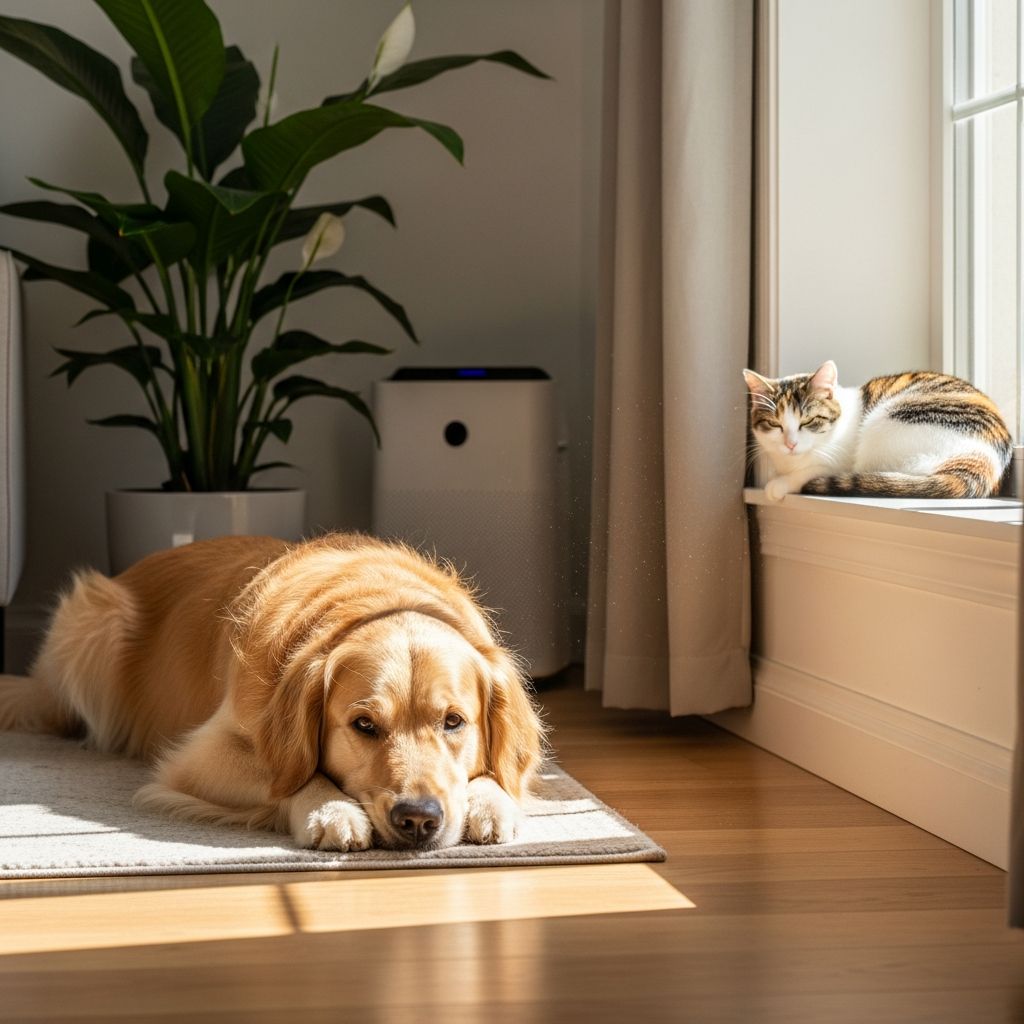
Many teens feel that their pet is part of the family. If you also have asthma, though, you might wonder whether that love comes with a price for your lungs. The answer is different for everyone, but understanding how pets affect asthma can help you make smart, healthy choices.
Understanding Asthma and Allergic Triggers
Asthma is a long-term condition where the airways in your lungs are sensitive and can become inflamed and narrowed. When you breathe in something that irritates your airways, your muscles tighten, the lining of your airways swells, and extra mucus can form. This makes it harder to breathe and can cause symptoms or an asthma attack.
Common asthma symptoms include:
- Wheezing (a whistling sound when you breathe)
- Shortness of breath or feeling like you cannot get enough air
- Chest tightness or pain
- Coughing, especially at night, early morning, or with exercise
When asthma is triggered by substances you are allergic to (such as pet dander or pollen), it is often called allergic asthma. Allergens can cause both allergy symptoms (itchy eyes, sneezing, runny nose) and asthma symptoms like wheezing or chest tightness.
How Pets Can Affect Asthma
Not everyone with asthma reacts to animals. Some people can cuddle a cat or dog with no problem, while others start coughing or wheezing after just a few minutes. The difference often comes down to how your immune system responds to proteins carried by pets.
Pets may affect asthma in two main ways:
- Triggering asthma symptoms in people who are allergic to pet allergens.
- Influencing asthma risk earlier in life, depending on how and when you are exposed to pets.
What Exactly Is Pet Dander?
Many people think the problem is just pet hair, but that is only part of the story. The main triggers are usually:
- Dander: tiny flakes of skin that pets with fur or feathers shed continually.
- Saliva: when pets groom themselves, saliva dries on the fur and becomes airborne.
- Urine: especially from small caged animals or cats using litter boxes.
These particles are light, float easily into the air, and can stick to carpets, furniture, clothing, and even walls. When you breathe them in and are allergic to them, they can set off allergy and asthma symptoms.
Which Pets Are More Likely to Trigger Asthma?
Some animals are more likely than others to stir up symptoms in people with allergic asthma.
| Type of Pet | Asthma Trigger Potential | Why |
|---|---|---|
| Cats & Dogs | High | Produce dander, saliva, and can carry other allergens like dust and pollen on their fur. |
| Rabbits, Hamsters, Guinea Pigs, Rodents | High | Fur and bedding (like sawdust or wood shavings) can release particles that trigger asthma. |
| Birds | Moderate to High | Feathers and droppings can act as allergens; cages may be dusty. |
| Reptiles & Fish (turtles, lizards, snakes, fish) | Low | They do not shed dander like furry or feathered animals, though algae or tank/bedding materials may still bother some people. |
Health organizations emphasize that there is no truly hypoallergenic dog or cat; all furred animals produce some level of dander.
Do Pets Always Make Asthma Worse?
The relationship between pets and asthma is complicated. Research shows that:
- For people with a known pet allergy, exposure to pet allergens can increase asthma symptoms and the risk of severe flare-ups.
- Up to about half of children with asthma may have their symptoms triggered by pets.
- Some large studies have found that early-life exposure to certain pet and pest allergens may be linked to a lower chance of developing asthma in some children—but only if they do not become sensitized (allergic) to those allergens.
In other words, if you are already allergic to pets, contact with them is more likely to make your asthma worse. But if you are not allergic and do not become sensitized, growing up with animals may not raise your asthma risk and might even slightly reduce it in some situations.
Signs Your Pet Might Be Triggering Your Asthma
It is not always obvious when a pet is part of the problem. You might feel fine some days and struggle on others. Pay attention to patterns such as:
- Wheezing, coughing, or chest tightness that appears or worsens when you play with, groom, or hold your pet.
- Symptoms that flare shortly after you spend time in rooms where your pet sleeps or on furniture your pet uses.
- Needing your quick-relief inhaler more often when you are at home versus away at school, camp, or a friend’s pet-free house.
- Itchy, watery eyes, sneezing, or stuffy nose along with breathing problems when your pet is near.
A doctor or allergy specialist can help you figure out whether pets are a trigger by talking through your symptoms, checking your lungs, and possibly doing allergy tests.
Talking With Your Doctor About Pets
If you suspect your pet is affecting your asthma, do not try to handle it alone. Involve your health-care team so you can make decisions that protect both your breathing and your feelings.
When you see your doctor or asthma nurse, be ready to discuss:
- What symptoms you have and how often.
- When you notice symptoms (for example, after brushing your dog or cleaning the litter box).
- Where your pet spends most of its time (bedroom, living room, outdoors).
- How controlled your asthma has been lately (night symptoms, ER visits, missed school, or sports).
Your doctor may:
- Review or adjust your asthma action plan.
- Recommend allergy testing to confirm pet allergies.
- Change your medicines (for example, controller inhalers or allergy treatments).
- Suggest changes at home to lower allergen exposure before discussing big decisions like rehoming a pet.
Practical Ways to Reduce Pet-Related Triggers
If you and your family decide to keep a pet even though it may affect your asthma, your main goal is to reduce how much allergen you breathe in. No single step will fix everything, but combining several strategies can make a big difference.
Changes in Your Home Environment
- Keep pets out of your bedroom. Your sleeping space should be as allergen-free as possible.
- Close doors to other rooms where you spend a lot of time, like a study area, if possible.
- Use washable bedding and wash sheets in hot water regularly.
- Vacuum often with a vacuum that has a HEPA filter to trap small particles.
- Dust surfaces weekly using a damp cloth so allergens are picked up instead of scattered.
- Consider hard flooring such as wood or tile instead of wall-to-wall carpeting, which can hold onto dander.
- Use an air purifier with a HEPA filter to help reduce airborne allergens.
Managing Contact With Your Pet
- Ask someone else to handle grooming and litter or cage cleaning if possible.
- Wash your hands after touching your pet or their toys.
- Change clothes after long play sessions or if your pet slept on you.
- Keep pets off your bed and, ideally, off your pillows and main study chair.
- Bathe or wipe pets regularly, if your vet agrees it is safe for the animal’s skin and coat.
Working With Your Asthma Treatment Plan
- Use your controller inhaler exactly as prescribed, even when you feel well.
- Carry your reliever (rescue) inhaler and follow the steps in your asthma action plan at the first signs of symptoms.
- Talk to your doctor if you are using your rescue inhaler more often, waking at night with asthma, or skipping activities because of breathing problems.
When You Might Need to Reconsider Keeping a Pet
Deciding to rehome a pet is extremely hard and emotional. Still, health professionals sometimes recommend it when:
- Your asthma stays poorly controlled even after using medicines correctly and trying to reduce allergens at home.
- You have severe or frequent asthma attacks linked to pet exposure.
- You have been hospitalized or needed emergency care for asthma more than once.
If your family reaches this point, remember that protecting your breathing is not a sign of weakness. It is a serious medical decision. If rehoming is discussed, try to be involved in choosing a new, safe place for your pet, such as a trusted friend or relative who does not have asthma or allergies.
Choosing a New Pet When You Have Asthma
If you do not currently have a pet or are thinking about a different kind of animal, you can lower your risk of problems by planning ahead.
Questions to consider:
- Have you ever had allergy or asthma symptoms around animals before?
- Does anyone in your family have pet allergies or allergic asthma?
- Are you prepared to follow rules like keeping pets out of certain rooms?
Safer choices for many people with asthma include:
- Fish in a well-maintained tank (watch out for mold or algae buildup).
- Reptiles such as turtles, lizards, or snakes, kept with clean habitats and safe handling.
Remember that even these options need good cleaning habits. Tank water, bedding, and humidity can sometimes cause mold or other issues that bother sensitive lungs.
Looking After Your Emotional Health
Pets often provide comfort, company, and stress relief. Worrying that your pet might hurt your health can be upsetting. It is normal to feel:
- Guilty for thinking about rehoming a pet
- Angry that asthma limits your choices
- Sad or lonely if your contact with your pet needs to change
Sharing these feelings with people you trust can help, such as:
- Parents or caregivers
- Friends who understand your attachment to your pet
- Your doctor, school nurse, or a counselor
If your pet has to move to a new home, it might help to:
- Stay in touch with the new owner if possible.
- Ask for photos or updates as you adjust.
- Spend extra time on hobbies, sports, or creative activities when you are missing your pet.
Frequently Asked Questions (FAQs)
Can I keep my pet if I have asthma?
Many teens with asthma do live with pets, but it depends on whether you are allergic, how severe your asthma is, and how well it is controlled. A doctor can help you decide, and changes at home may make it safer.
Is there a completely hypoallergenic dog or cat?
No. Health organizations report that there is no such thing as a totally allergy-free dog or cat because all furred animals produce dander. Some breeds may shed less hair, but they can still trigger allergies and asthma.
Will getting rid of my pet fix my asthma right away?
Usually not immediately. Pet allergens can stay in carpets, furniture, and dust for months after a pet leaves. Symptoms may improve over time as allergens slowly decrease, especially with thorough cleaning.
Can I visit friends who have pets?
Possibly, but you may need to take extra steps: pre-treat with medicines suggested by your doctor, bring your reliever inhaler, and limit close contact with the pet. If your symptoms are severe around animals, your doctor may advise avoiding such visits.
Do I need allergy tests if I have asthma and a pet?
Allergy testing is not required for everyone, but it can be helpful if your doctor thinks pets may be a trigger. Knowing exactly what you are allergic to can guide your treatment and home changes.
References
- Association Between Pet Keeping and Current Asthma Among 13–14-Year-Old Adolescents — Golshan et al., Iranian Journal of Allergy, Asthma and Immunology. 2023-01-05. https://pmc.ncbi.nlm.nih.gov/articles/PMC10915919/
- Pets and asthma — Asthma + Lung UK. 2023-06-01 (last updated). https://www.asthmaandlung.org.uk/conditions/asthma/asthma-triggers/pets-asthma
- Pets & Asthma — Asthma Canada. 2022-03-01. https://asthma.ca/get-help/asthma-triggers/pets-asthma/
- Shedding new light on the pets and asthma debate — American Academy of Allergy, Asthma & Immunology (AAAAI). 2022-07-01. https://www.aaaai.org/tools-for-the-public/latest-research-summaries/the-journal-of-allergy-and-clinical-immunology/2022/pet
- Does Exposure to Pet and Pest Allergens Reduce Child’s Asthma Risk? — American Lung Association. 2017-09-28. https://www.lung.org/blog/do-pet-allergens-reduce-asthma
- Pet allergy: Symptoms & causes — Mayo Clinic. 2022-11-03. https://www.mayoclinic.org/diseases-conditions/pet-allergy/symptoms-causes/syc-20352192
- Allergic Asthma — Cleveland Clinic. 2023-05-15. https://my.clevelandclinic.org/health/diseases/21461-allergic-asthma