Many teenagers notice more body hair than expected during puberty, which can feel distressing but is often a normal variation or sign of underlying issues. This condition, known as hirsutism when excessive and in male-pattern locations, affects self-image and social interactions, yet effective strategies exist to address it.
Recognizing Patterns of Extra Hair
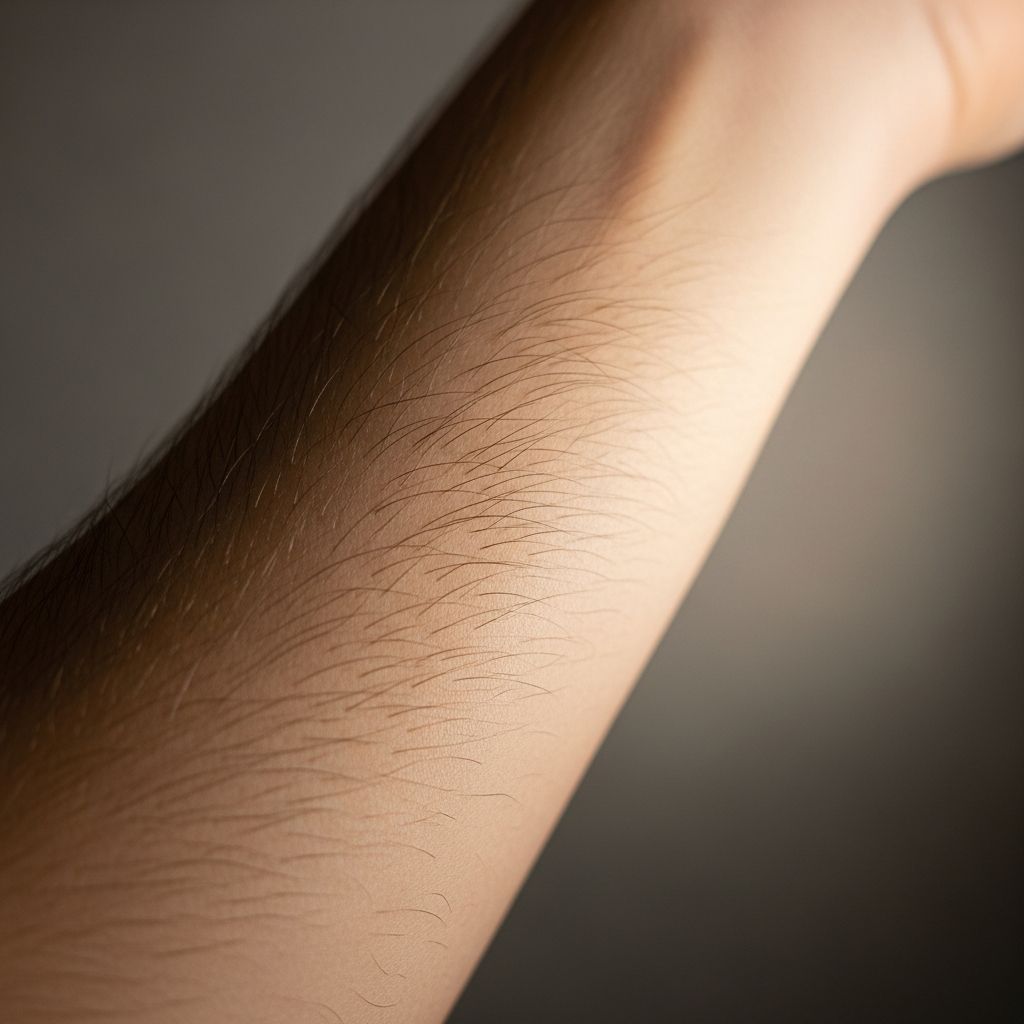
Excess hair typically appears on the face, chest, back, or abdomen in thicker, darker strands unlike the fine hair elsewhere. Girls might see it along the upper lip, chin, or sideburns, while boys can experience it on shoulders or lower back. This differs from typical puberty hair in density and placement, signaling potential hormonal influences.
Hair cycles through growth phases influenced by androgens, male hormones present in all teens but elevated in some cases. When follicles respond strongly, hair becomes coarser and more abundant, creating noticeable patterns that prompt concern.
Hormonal Shifts Driving Hair Changes
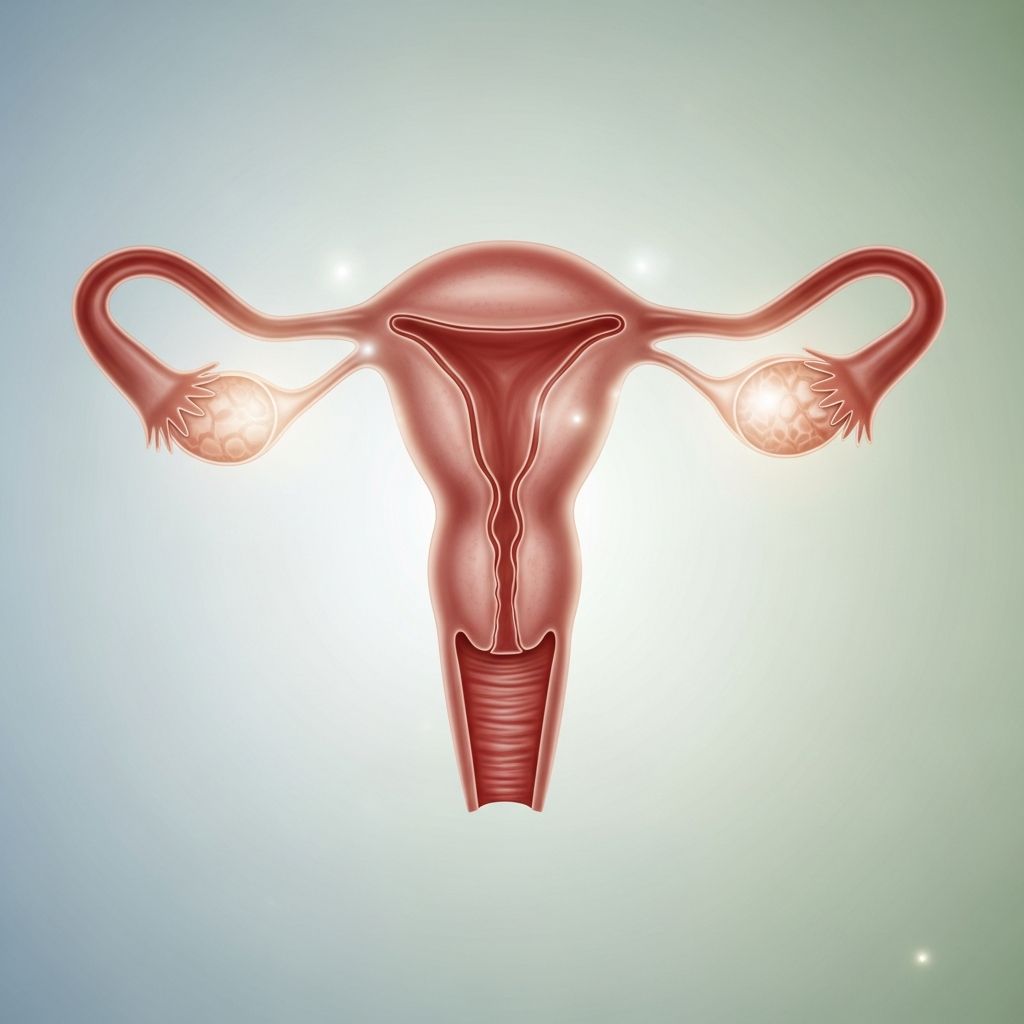
Puberty surges hormones like testosterone, converting to dihydrotestosterone (DHT) that stimulates follicles. In teens with heightened sensitivity, this leads to pronounced growth. Conditions like polycystic ovary syndrome (PCOS) elevate androgens in girls, causing irregular periods, acne, and hirsutism[10].
Adrenal disorders or thyroid imbalances can also spike hormones, while rare tumors in ovaries or adrenals produce excess androgens rapidly. These changes often start subtly in early teens, intensifying over months.
Genetic and Ethnic Influences
Family history plays a key role; if relatives have similar traits, inheritance increases likelihood. Teens from Mediterranean, Middle Eastern, or South Asian backgrounds face higher risks due to genetic predispositions for stronger androgen responses.
This isn’t a disease but a trait amplified by puberty. Understanding ancestry helps normalize experiences and guide discussions with healthcare providers.
Medication and Lifestyle Contributors
Certain drugs like corticosteroids, phenytoin, or anabolic steroids alter hormone levels, promoting growth. Lifestyle factors such as obesity can boost androgen production via fat tissue conversion, worsening symptoms.
- Hormonal medications: Birth control or others affecting androgens.
- Seizure drugs: Like phenytoin, impacting body chemistry.
- Weight gain: Increases estrogen-to-androgen conversion.
Emotional and Social Ramifications
Teens with excess hair often battle low self-esteem, anxiety, or withdrawal from peers. Bullying or self-consciousness about appearance can strain mental health, leading to isolation or depression. Open conversations with trusted adults normalize these feelings and encourage seeking help.
Building resilience through hobbies, supportive friends, and professional counseling aids coping. Many find relief knowing it’s manageable, reclaiming confidence.
When to Consult a Healthcare Professional
Seek advice if hair growth is sudden, rapid, accompanied by irregular periods, deepening voice, or muscle gain. Blood tests measure hormone levels, ruling out PCOS, adrenal issues, or tumors. Early evaluation prevents progression and addresses root causes.
| Symptom | Possible Indicator | Action |
|---|---|---|
| Sudden facial hair | Tumor or PCOS | Immediate doctor visit |
| Irregular cycles + hair | Hormonal imbalance | Hormone panel test |
| Family pattern only | Genetic | Monitor, cosmetic options |
| With acne/weight gain | PCOS likely | Ultrasound, endocrinologist |
Daily Strategies for Hair Management
Start with gentle removal: shaving, waxing, or depilatories suit sensitive skin but require upkeep. Bleaching lightens dark hairs, blending with skin tone for subtlety.
- Shaving: Quick, painless; use conditioner to prevent irritation.
- Waxing: Lasts weeks; avoid on inflamed skin.
- Threading: Precise for face; professional results.
Moisturize post-removal to soothe follicles. Avoid plucking, which may thicken regrowth.
Advanced Cosmetic Solutions
Laser therapy targets follicles with heat, reducing growth over sessions; best for dark hair on light skin. Electrolysis permanently destroys roots via electric current, ideal for small areas but time-intensive.
These demand professional oversight to minimize side effects like redness. Results vary by hair color, skin type, and consistency.
Medical Interventions and Medications
Treat underlying issues first: PCOS management with birth control pills lowers androgens, slowing growth. Anti-androgens like spironolactone block hormone effects, often combined with topicals.
For severe cases, providers prescribe eflornithine cream to slow facial hair. Weight management via diet/exercise reduces androgen production in obesity-linked hirsutism.
Lifestyle Adjustments for Better Outcomes
A nutrient-rich diet with lean proteins, veggies, and healthy fats supports hormone balance. Regular exercise, especially strength training, regulates insulin and androgens, aiding PCOS-related cases.
Stress reduction through yoga or mindfulness prevents cortisol spikes that exacerbate issues. Adequate sleep maintains endocrine function.
Building Confidence Amid Changes
Reframe hair as one trait among many; diverse beauty standards evolve. Surround with positive influences, explore fashion concealing areas if desired. Therapy addresses body image, fostering self-acceptance.
Success stories abound: many teens thrive post-treatment, focusing on strengths beyond appearance.
Frequently Asked Questions
Does excess hair mean a serious illness?
Not always; often genetic or mild hormonal. But paired with other symptoms, it warrants checks for PCOS or adrenal conditions[10].
Can diet alone fix hirsutism?
It helps by balancing hormones, especially in PCOS, but rarely suffices without medical input.
Is laser permanent for teens?
Semi-permanent; maintenance needed as new follicles activate. Safe with doctor approval.
Will birth control stop hair growth?
It reduces androgens, slowing growth in many, but effects take months.
How common is this in teen boys?
Less discussed but occurs with genetic patterns or high DHT; treatments mirror girls’ options.
References
- Polycystic ovary syndrome (PCOS) — Cleveland Clinic. 2023-08-10. https://my.clevelandclinic.org/health/diseases/8316-polycystic-ovary-syndrome-pcos
- Hirsutism in Women (Excess Body Hair Growth) — Cedars-Sinai. 2024-01-15. https://www.cedars-sinai.org/health-library/diseases-and-conditions/h/hirsutism-in-women-excess-body-hair-growth.html
- Adolescent hirsutism — Children’s Health. 2023-11-20. https://www.childrens.com/specialties-services/conditions/hirsutism
- Hirsutism: Causes, Treatments for Excessive Hairiness in Women — WebMD. 2024-05-12. https://www.webmd.com/women/hirsutism-hair-women
- Polycystic ovary syndrome — NHS. 2023-09-28. https://www.nhs.uk/conditions/polycystic-ovary-syndrome-pcos/
- A Practical Approach to the Diagnosis and Management of Hair Loss in Children and Adolescents — PMC (NCBI). 2017-06-15. https://pmc.ncbi.nlm.nih.gov/articles/PMC5522886/