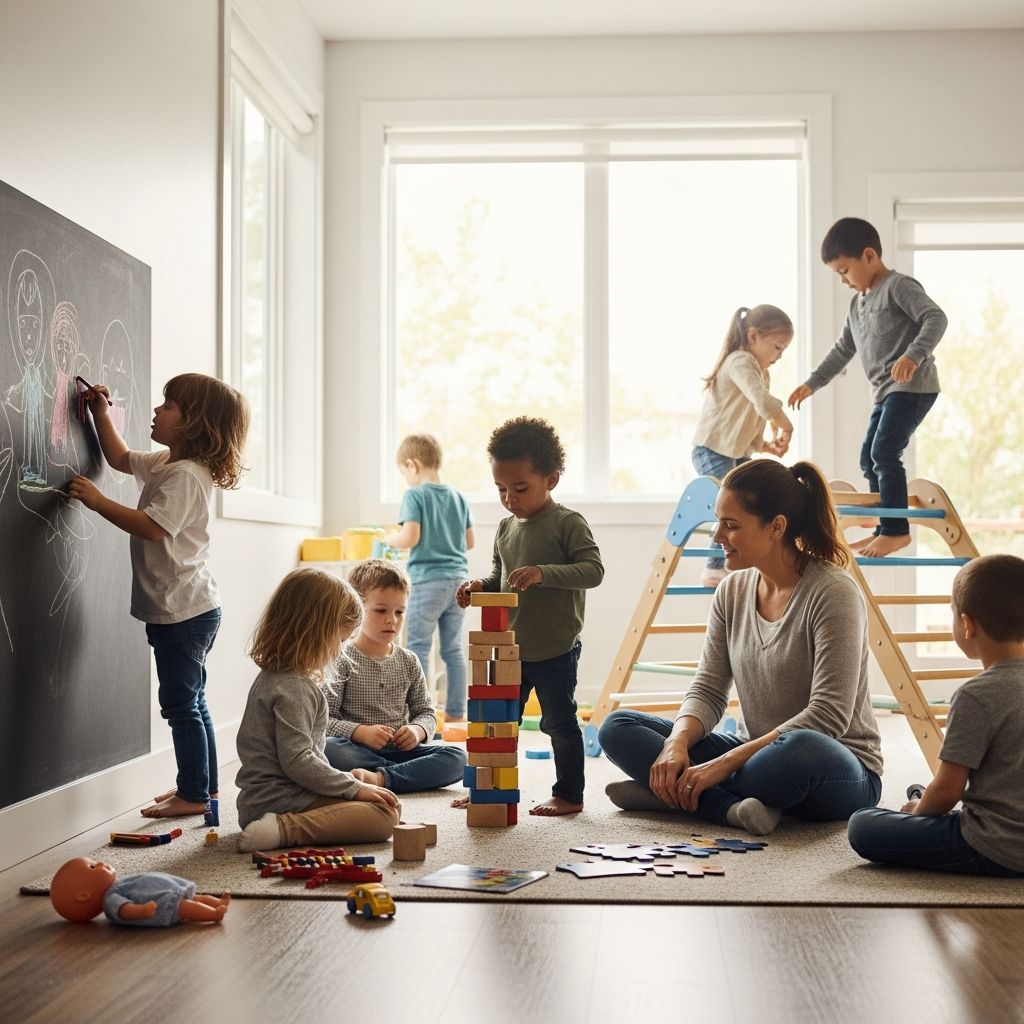
Permissive parenting emphasizes warmth and acceptance while minimizing rules and discipline, creating a home environment where children feel deeply loved but often lack clear guidance. This approach, identified in Diana Baumrind’s foundational research, prioritizes emotional support over structure, influencing child behavior in distinct ways.
Defining the Permissive Approach in Modern Families
At its core, permissive parenting features parents who act as responsive companions rather than strict authority figures. They offer abundant affection, quickly attend to a child’s emotional needs, and rarely impose demands or consequences. Unlike more structured styles, these parents view their role as facilitating freedom, allowing kids to explore decisions independently from an early age.
This style manifests daily through flexible routines—no fixed bedtimes, open snack access, or child-led activity choices. Parents might forgo monitoring whereabouts closely or intervene minimally in conflicts, aiming to nurture self-expression. Psychologists note this stems from a desire to avoid conflict, positioning parents as equals to their children rather than guides.
Core Traits That Shape Permissive Households
Permissive parents exhibit consistent patterns that define their interactions:
- High emotional availability: Always ready with hugs, listening, and validation of feelings.
- Minimal demands: Few chores, homework enforcement, or behavioral expectations.
- Indulgent responses: Granting requests like extra screen time or treats to sidestep tantrums.
- No firm boundaries: Difficulty saying ‘no,’ leading to unstructured days.
- Friend-like dynamic: Treating children as peers in decisions, from meals to outings.
These elements create a relaxed atmosphere but can blur lines between parental responsibility and child autonomy.
Positive Outcomes: Where Permissive Parenting Shines
Despite criticisms, this style yields notable strengths, particularly in emotional realms. Children often develop robust self-confidence from unconditional support, encouraged to pursue interests without fear of failure. Studies link this acceptance to higher self-esteem, as kids internalize parental belief in their capabilities.
Family bonds thrive under this nurturing umbrella. Warmth fosters secure attachments, promoting open communication and trust that persists into adolescence. Kids feel valued, reducing anxiety and enhancing emotional resilience in social settings.
Exploratory freedom is another boon. Without rigid constraints, children experiment boldly—trying new hobbies, voicing opinions freely—which cultivates creativity and adaptability. In creative fields or innovative pursuits, this can translate to out-of-the-box thinking later in life.
| Benefit | Impact on Child | Supporting Evidence |
|---|---|---|
| Boosted Self-Esteem | Higher confidence from acceptance | Permissive warmth supports effort validation |
| Strong Bonds | Deep parent-child affection | Leads to trusting relationships |
| Exploration Freedom | Encourages innovation | Low fear of punishment aids risk-taking |
The Hidden Drawbacks: Challenges of Low Structure
While affectionate, the absence of limits poses risks. Children may struggle with self-regulation, as no consistent consequences teach delayed gratification or accountability. This often results in impulsivity, poor academic performance, and difficulty following rules in school or extracurriculars.
Health concerns emerge too. Unrestricted diets or screen time contribute to obesity or sleep issues, with parents’ indulgence overriding healthy habits. Socially, kids might exhibit entitlement, clashing with peers or authority figures expecting compliance.
Long-term, research indicates higher vulnerability to substance use, risky behaviors, and mental health struggles like anxiety in adulthood, due to underdeveloped coping skills. Permissive upbringings correlate with lower achievement motivation, as external structure is absent.
Child Development Impacts: A Balanced View
Developmentally, permissive parenting affects key milestones unevenly. Toddlers gain emotional security but falter in routines essential for brain growth. School-age children excel in social creativity yet lag in discipline, impacting grades and peer relations.
Teens, granted excessive freedom, face heightened delinquency risks—earlier experimentation with alcohol or unsafe activities—without guidance on consequences. However, their emotional intelligence shines, aiding empathy and relationships.
Comparing outcomes:
| Age Group | Strengths | Weaknesses |
|---|---|---|
| Early Childhood | Secure attachment | Poor routine adherence |
| School Age | Creativity boost | Academic struggles |
| Adolescence | High empathy | Risk-taking behaviors |
Permissive vs. Other Styles: Key Distinctions
Permissive stands apart from authoritative parenting, which blends warmth with firm, reasoned limits, yielding the best developmental outcomes per NCBI reviews. Authoritative kids achieve higher academically and socially due to balanced guidance.
Authoritarian styles enforce strict obedience with low warmth, risking rebellion or low self-esteem—opposite permissive’s high warmth, low control. Uninvolved parenting neglects both, far worse for child welfare.
- Authoritative: Warm + demanding = optimal resilience.
- Permissive: Warm + undemanding = emotional strength, behavioral gaps.
- Gentle Parenting: Empathetic boundaries, not indulgence—avoids permissive pitfalls.
Signs You’re Leaning Permissive—and How to Adjust
Recognize tendencies if you constantly yield to demands, skip routines, or prioritize harmony over correction. To balance, introduce gradual structure: set 2-3 non-negotiable rules, use natural consequences, and model self-control.
Strategies include age-appropriate chores, consistent bedtimes, and praising effort alongside compliance. Therapy or parenting classes can help shift dynamics without losing warmth.
Expert Perspectives on Effective Balance
Child psychologists advocate hybrid approaches: retain permissive affection but layer authoritative structure for holistic growth. Longitudinal studies affirm this yields well-adjusted adults—confident, disciplined, and relational.
Recent data (post-2023) emphasizes mental health benefits of boundaries amid rising youth anxiety. Parents blending styles report improved family harmony and child success.
Frequently Asked Questions
Is permissive parenting harmful long-term?
It risks poor self-discipline and higher behavioral issues, but warmth provides emotional buffers. Balance with structure mitigates downsides.
How does it differ from gentle parenting?
Gentle parenting sets empathetic limits; permissive avoids them entirely, leading to indulgence.
Can permissive parents change styles?
Yes, through consistent boundary-setting and positive reinforcement, fostering better outcomes.
Do permissive-raised kids succeed?
Some thrive in creative fields due to confidence, but many struggle academically without discipline.
What age is permissive most risky?
Adolescence, with elevated delinquency from unchecked freedom.
References
- Permissive Parenting: Definition, Characteristics, & Effectiveness — Choosing Therapy. 2023. https://www.choosingtherapy.com/permissive-parenting/
- Understanding Permissive Parenting: What It Really Means — Kidslox. 2024. https://kidslox.com/guide-to/permissive-parenting/
- Permissive Parenting Style: Characteristics and Effects — REC Parenting. 2023. https://www.recparenting.com/parents-zone/permissive-parenting-style-what-is-it-and-how-does-it-relate-to-childrens-development/
- Permissive Parenting Style — Michigan State University Extension. 2022-01-15. https://www.canr.msu.edu/news/permissive_parenting_style
- Types of Parenting Styles and Effects on Children — NCBI StatPearls. 2023-07-03. https://www.ncbi.nlm.nih.gov/books/NBK568743/