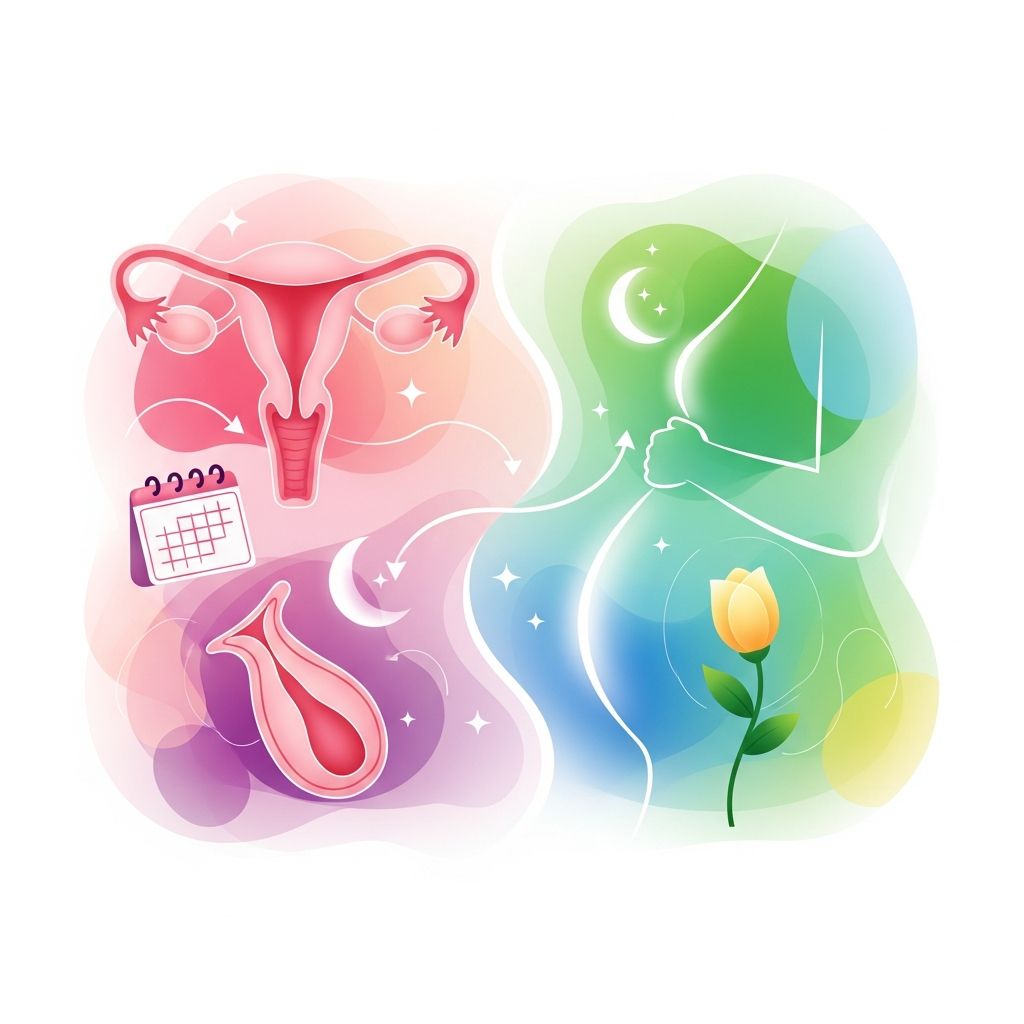
Periods and pregnancy are closely linked, but the details can feel confusing and even scary when you are hearing many different stories from friends, social media, and the internet. This guide explains in clear language how the menstrual cycle works, how pregnancy happens, and what it might mean if a period is late or missed.
Why Knowing Your Cycle Matters
The menstrual cycle is not just about bleeding; it is your bodys monthly rhythm that prepares for a possible pregnancy. When you understand basic cycle patterns, it becomes easier to know when a missed period might be normal and when it could be a sign of pregnancy or another health issue.
- Knowing your usual cycle length helps you notice changes early.
- Understanding ovulation helps you see when pregnancy is most likely.
- Tracking symptoms can guide you in talking to a doctor if something feels off.
Menstrual Cycle Basics for Teens
The menstrual cycle is counted from the first day of one period (when bleeding starts) to the day before the next period begins. Many teens have cycles that are not perfectly regular for the first few years after their first period, and that can be normal.
Bleeding usually lasts a few days and may be heavier at the start and lighter toward the end. Cramps, bloating, and mood swings are common, but if pain is so strong that it stops normal activities, it is important to speak with a health professional.
Typical Cycle Phases
Your cycle can be divided into several phases, each controlled by changing hormone levels. You do not have to memorize every term, but knowing the overall pattern helps you understand when pregnancy can happen.
- Menstrual phase: The uterus sheds its lining and you see menstrual blood.
- Follicular phase: The body prepares an egg in the ovary; hormone levels begin to rise.
- Ovulation: A mature egg is released from the ovary and can be fertilized.
- Luteal phase: The body waits to see whether fertilization and implantation occur.
How Ovulation Connects to Pregnancy
Pregnancy can happen only if sperm meet an egg, and ovulation is the time of the month when an egg is available. In many cycles, ovulation takes place roughly in the middle, but in teens with irregular periods, the exact day can be hard to predict.
Sperm can live inside the body for several days after sex, which means pregnancy can occur even if intercourse does not happen on the exact day of ovulation. This overlap creates a “fertile window” where the chance of pregnancy is higher.
| Topic | Periods | Pregnancy |
|---|---|---|
| Main event | Shedding of the uterine lining | Growth of a fertilized egg in the uterus |
| Hormone pattern | Hormones rise and fall each month | Hormones remain high to support the embryo |
| Bleeding | Regular menstrual bleeding | No regular period; some people may see light spotting |
| Common early signs | Cramps, mood swings, breast tenderness | Missed period, nausea, breast changes, fatigue |
What a Missed Period Can Mean
Many teens worry that any late or missed period automatically means pregnancy, but there are several other reasons your cycle might change. At the same time, pregnancy is one of the most important causes to rule out if you have had sex, even once.
- Pregnancy: If you have had vaginal sex without reliable contraception, a missed period is a common early sign.
- Normal irregularity: In the first few years after your first period, cycles can naturally be uneven.
- Stress and lifestyle: Major stress, intense exercise, poor sleep, or sudden weight changes can affect your cycle.
- Health conditions: Hormone imbalances, eating disorders, and some medications can disrupt periods.
If your period is more than a week late and there is any chance of pregnancy, taking a test and speaking with a trusted adult or health provider is a responsible next step.
Can You Get Pregnant If You Still Get a Period?
The term “period” can be confusing because not all bleeding is a true menstrual period. Some people notice light bleeding or spotting early in pregnancy, which may be mistaken for a very light period, even though the usual menstrual cycle has stopped.
Once a pregnancy begins, the same monthly shedding of the uterine lining no longer happens, because the body is working to support the developing embryo. If there is regular, heavy bleeding similar to a normal period, pregnancy is unlikely, but pregnancy tests and medical advice are important when in doubt.
Pregnancy Symptoms vs. PMS: Telling Them Apart
Premenstrual syndrome (PMS) and early pregnancy share several similar symptoms, such as mood changes and breast tenderness. This overlap makes it hard to know what is going on based on symptoms alone.
Paying attention to timing can help: PMS usually appears in the days leading up to a period and improves once bleeding begins, while pregnancy symptoms continue and may slowly become stronger over time.
| Symptom | More Typical for PMS | More Typical for Early Pregnancy |
|---|---|---|
| Cramping | Mild to moderate, ends when period starts | Mild, can continue after missed period |
| Breast changes | Swelling and tenderness before bleeding | More intense tenderness and darkening of nipples |
| Mood swings | Short-term irritability or sadness | Ongoing emotional changes and fatigue |
| Nausea | Less common and usually mild | Morning or all-day queasiness, sometimes vomiting |
| Appetite changes | More cravings or increased hunger before period | New food aversions or strong dislikes |
When and How to Take a Pregnancy Test
Pregnancy tests measure a hormone that the body produces after an embryo attaches inside the uterus. At-home urine tests are widely available and can be used privately, but timing affects how accurate they are.
- For the clearest result, take a test after your period is at least a few days late.
- Follow the instructions closely, including how long to wait before reading the result.
- If the test is negative but your period still does not come, repeat it after several days or seek medical advice.
- A positive test should always be followed by a visit to a health provider to confirm the pregnancy and talk about options.
Many clinics offer pregnancy tests at low or no cost, and staff are trained to provide confidential care, especially for teens.
Common Myths About Periods and Pregnancy
There are many myths about when pregnancy can and cannot happen, and believing these can lead to unexpected pregnancies. Learning the facts helps you make choices that respect your health and your future goals.
- Myth: “You cannot get pregnant your first time.” — Reality: Pregnancy is possible any time sperm reach an egg, even the first time you have sex.
- Myth: “You are safe from pregnancy if you have sex during your period.” — Reality: While the chance may be lower for some people, cycles vary and sperm can live for days, so pregnancy can still happen.
- Myth: “You cannot get pregnant if you do not have a regular cycle.” — Reality: Irregular cycles can make ovulation harder to predict, but eggs can still be released.
- Myth: “Pulling out always prevents pregnancy.” — Reality: Pre-ejaculate can contain sperm, and timing is hard to control, so this method is unreliable on its own.
Protecting Yourself: Contraception and Safer Sex
If you are sexually active or thinking about becoming sexually active, contraception is essential to reduce the risk of pregnancy. No method is perfect, but consistent and correct use makes a big difference in effectiveness.
- Condoms: Help prevent pregnancy and also reduce the risk of sexually transmitted infections when used every time.
- Birth control pills, patch, ring, or shot: Use hormones to prevent ovulation and must be used as directed.
- Long-acting methods (IUDs, implants): Placed by a health provider and can work for several years.
- Emergency contraception: Can be used soon after unprotected sex to lower pregnancy risk; not meant as a regular method.
Talking with a trusted health professional can help you choose a method that fits your body, your values, and your plans for school, relationships, and the future.
Emotional Health: Coping With Worry About Pregnancy
Fear of an unplanned pregnancy can cause sleepless nights, difficulty concentrating in school, and increased anxiety. These feelings are understandable, especially if you are not sure how to talk with your parents or caregivers.
Finding support is key. Trusted adults, counselors, and health professionals can give accurate information and help you think through your choices in a caring, non-judgmental way.
When to See a Health Professional
Not every change in your period is a crisis, but some situations deserve prompt attention. Paying attention to warning signs helps you protect your reproductive health now and in the future.
- You have gone more than three months without a period and are not on birth control that stops bleeding.
- You think you might be pregnant or have a positive home pregnancy test.
- Your periods are extremely painful, very heavy, or last longer than about a week on a regular basis.
- You feel dizzy, faint, or severely tired during your period.
- You have had unprotected sex and are worried about infections as well as pregnancy.
Early care makes it easier to manage problems, whether they involve pregnancy, infections, or other hormone-related issues.
Simple Tips for Tracking Your Cycle
Tracking your menstrual cycle does not have to be complicated or time-consuming. Even basic notes help you recognize patterns and make sense of symptoms.
- Mark the first day of bleeding on a calendar or in a period-tracking app.
- Note how many days bleeding lasts and whether it is light, medium, or heavy.
- Write down strong symptoms, such as severe cramps, headaches, or unusual mood changes.
- Bring your notes to health visits so you can discuss them with a professional.
FAQs: Common Questions Teens Ask
1. Can I get pregnant if my period has never started?
Pregnancy requires ovulation, which usually happens as the body approaches its first period. In most cases, pregnancy becomes possible shortly before or after the first menstrual cycle. If you have had any kind of vaginal sex and your period has not started when expected for your age, a health provider can help you figure out what is going on.
2. Do I always ovulate on the same day each month?
Some people eventually develop very regular cycles and ovulate around the same time each month, but this is less common in the early teen years. Stress, illness, and lifestyle changes can shift ovulation, which is one reason guessing fertile days without contraception is risky.
3. Can I get pregnant if we used a condom?
Condoms greatly reduce the chance of pregnancy when they are used correctly every time, but they do not eliminate all risk. Condoms can slip or break, or they may not be used from start to finish, so there is always a small chance of pregnancy if there is vaginal intercourse.
4. I missed one birth control pill. Should I worry?
Missing a single pill can slightly reduce protection, especially if it happens near the beginning of a pack. Instructions vary depending on the type of pill, so read the package information and consider using a backup method, such as condoms, for a short period afterward.
5. Can stress alone make my period stop?
Yes, intense physical or emotional stress can affect the hormones that control your cycle, causing periods to come later, become lighter, or even pause for a while. However, if there is any chance you could be pregnant, do not assume stress is the only cause; rule out pregnancy with a test and seek medical advice if your cycle does not return to its usual pattern.
6. Is it safe to talk to a doctor about sex and pregnancy if I am a teen?
Health professionals are trained to care for teens respectfully and to provide confidential support within the laws of your area. They can answer questions honestly, explain options, and help you protect both your physical and emotional health, even if you are not ready to talk to family members yet.
Learning how periods and pregnancy are connected gives you power over your health and your choices. When you understand your body, you can plan better, respond calmly to changes, and seek the support you deserve.