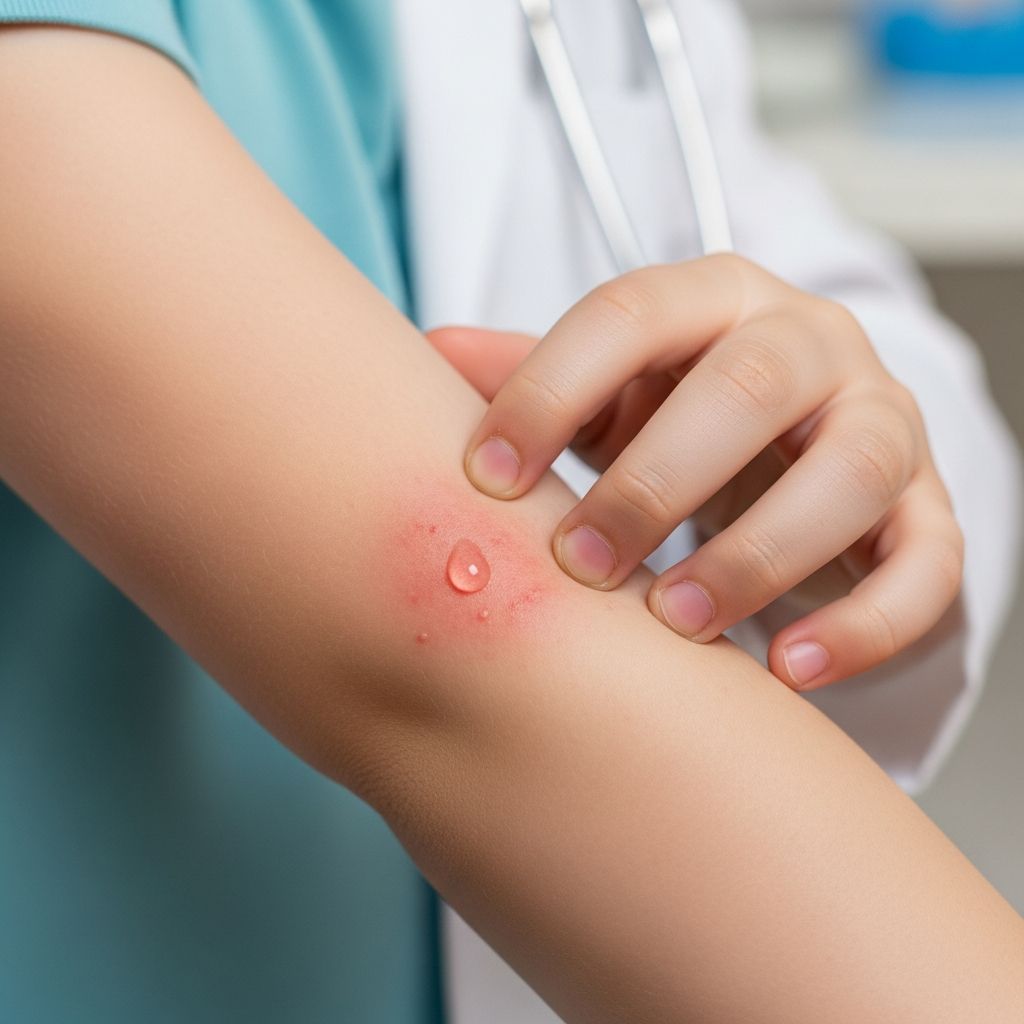
Penicillin allergies affect many children, often labeled after mild reactions but frequently misdiagnosed. This guide helps parents understand symptoms, immune mechanisms, testing, and management to protect kids during infections.
Understanding the Immune Response Behind Penicillin Allergy
The human immune system typically fights bacteria with antibiotics like penicillin. However, in allergic individuals, it mistakenly identifies penicillin or its breakdown products as threats, producing IgE antibodies that trigger reactions upon re-exposure.
This hypersensitivity arises after initial exposure sensitizes the body. Minor determinants—small penicillin fragments—often cause immediate IgE-mediated responses, leading to rapid symptom onset. Not all rashes signal true allergy; viral infections or side effects can mimic them, affecting up to 10% of patients incorrectly labeled allergic.
For children, early exposures during common illnesses like strep throat heighten risks. Distinguishing true allergy from intolerance is crucial, as avoiding penicillin limits effective treatment options.
Recognizing Common and Severe Symptoms in Kids
Symptoms usually appear within an hour of dosing but can delay. Parents should watch for:
- Skin reactions: Hives (raised, itchy welts), widespread rash, or itching.
- Respiratory issues: Coughing, wheezing, runny nose, or shortness of breath.
- Swelling: Angioedema around eyes, lips, or extremities.
- Eye symptoms: Watery, itchy eyes or fever.
Severe cases involve anaphylaxis: throat tightness, rapid swelling, breathing difficulty, drop in blood pressure, or dizziness—medical emergencies. Delayed reactions (hours to weeks) may include serum sickness (fever, joint pain, nausea) or rare conditions like DRESS (rash, swollen lymph nodes) or Stevens-Johnson syndrome (skin blistering).
| Type | Symptoms | Onset | Action Needed |
|---|---|---|---|
| Mild | Hives, itchiness, mild rash | Minutes to hours | Antihistamine, stop drug |
| Severe | Anaphylaxis, wheezing, swelling | Immediate | Epinephrine, ER visit |
| Delayed | Fever, joint pain, organ issues | Days to weeks | Specialist evaluation |
Children may not articulate symptoms clearly, so observe for fussiness, rapid breathing, or lip swelling.
How Penicillin Allergies Develop in Young Patients
First exposure primes the immune system without symptoms. Subsequent doses activate mast cells, releasing histamine and causing inflammation. Genetic factors and frequent antibiotic use in infancy may increase susceptibility, though exact causes vary.
Many childhood ‘allergies’ resolve over time; up to 80% outgrow them by adolescence, emphasizing re-evaluation. Cross-reactivity with cephalosporins affects 2-5% of true cases, requiring careful alternative selection.
Diagnostic Approaches: Skin Tests and Beyond
Diagnosis starts with history: timing, prior tolerances, and symptom details. Allergists use skin prick and intradermal tests with penicillin forms and minor determinants for accuracy over 95%.
Positive tests confirm IgE mediation; negatives often allow safe re-challenge under supervision. Oral challenges verify in low-risk cases. Blood tests for penicillin-specific IgE supplement but are less sensitive in kids.
For parents, delabeling via testing expands treatment options, reducing reliance on broader-spectrum antibiotics that foster resistance.
Emergency Response: What Parents Must Do First
Stop penicillin immediately if reaction suspected. For mild symptoms, give antihistamines like cetirizine or loratadine.
Anaphylaxis demands epinephrine auto-injector (0.15mg for kids under 30kg), followed by ER call for IV fluids, corticosteroids, albuterol if wheezing. Adjuncts: H1/H2 blockers (diphenhydramine, ranitidine).
- Call 911 if: No improvement post-epinephrine, persistent breathing issues, or unconsciousness.
- Monitor vitals; hospital observation ensures stability.
Equip homes with EpiPens for confirmed allergies; train on use.
Long-Term Management and Alternative Therapies
Avoid penicillins and note in medical records. Alternatives: Macrolides (azithromycin), clindamycin, or fluoroquinolones based on infection.
Desensitization—gradual dosing in hospital—enables temporary use for life-threatening infections like syphilis. Not a cure; IgE remains.
Annual allergist follow-ups assess persistence, especially as kids grow.
Preventing Misdiagnosis and Promoting Safe Antibiotic Use
Challenge vague histories: Non-urticarial rashes often aren’t allergic. Educate on side effects (nausea, diarrhea) vs. allergy.
Pediatricians should verify labels; programs delabel 90% of cases via testing. This curbs antibiotic resistance and C. difficile risks from substitutes.
Frequently Asked Questions (FAQs)
Can my child outgrow a penicillin allergy?
Yes, many children lose sensitivity over time; re-testing confirms safety.
What if my child had a rash but no other symptoms?
Likely not allergic; consult an allergist for skin testing before avoiding.
Is amoxicillin the same as penicillin allergy?
Amoxicillin is a penicillin derivative; allergy often cross-reacts.
How soon after penicillin do reactions start?
Immediate: under 1 hour; delayed: days later.
Should I carry an EpiPen if unconfirmed allergy?
Only post-evaluation; unnecessary fear limits care.
References
- Penicillin Allergy: Symptoms, Causes, & Treatment — Baptist Health. 2023. https://www.baptisthealth.com/care-services/conditions-treatments/penicillin-allergy
- Penicillin Allergy – What Do You Need to Know? — American Academy of Allergy, Asthma & Immunology (AAAAI). 2024. https://www.aaaai.org/tools-for-the-public/conditions-library/allergies/penicillin-allergy
- PCN Allergy — KC Allergy Center. 2023. https://www.kcallergycenter.com/pcn-allergy
- Penicillin Allergy – Symptoms & Causes — Mayo Clinic. 2025-01-15. https://www.mayoclinic.org/diseases-conditions/penicillin-allergy/symptoms-causes/syc-20376222
- Penicillin Allergy — University of Michigan Health-Sparrow. 2024. https://www.uofmhealthsparrow.org/departments-conditions/conditions/penicillin-allergy
- Penicillin Allergy — StatPearls, NCBI Bookshelf. 2024-07-01. https://www.ncbi.nlm.nih.gov/books/NBK459320/
- Penicillin Allergy: Symptoms, Tests, Treatment and Desensitization — WebMD. 2024. https://www.webmd.com/allergies/penicillin-allergy