Otros represent a fascinating blend of personality traits in children, combining the reflective nature of introverts with the outgoing spark of extroverts. These adaptable kids thrive by navigating both social buzz and quiet introspection, offering parents a unique window into balanced emotional growth.
Defining the Otro Personality Spectrum
In child development, personality types often fall along a continuum rather than strict categories. Otros, sometimes called ambiverts, embody this middle ground. They gain energy from social playdates one day and solo creative sessions the next, adjusting fluidly to their environment. This flexibility stems from how they process stimulation: not overwhelmed by crowds like pure introverts, nor constantly craving them like extroverts.
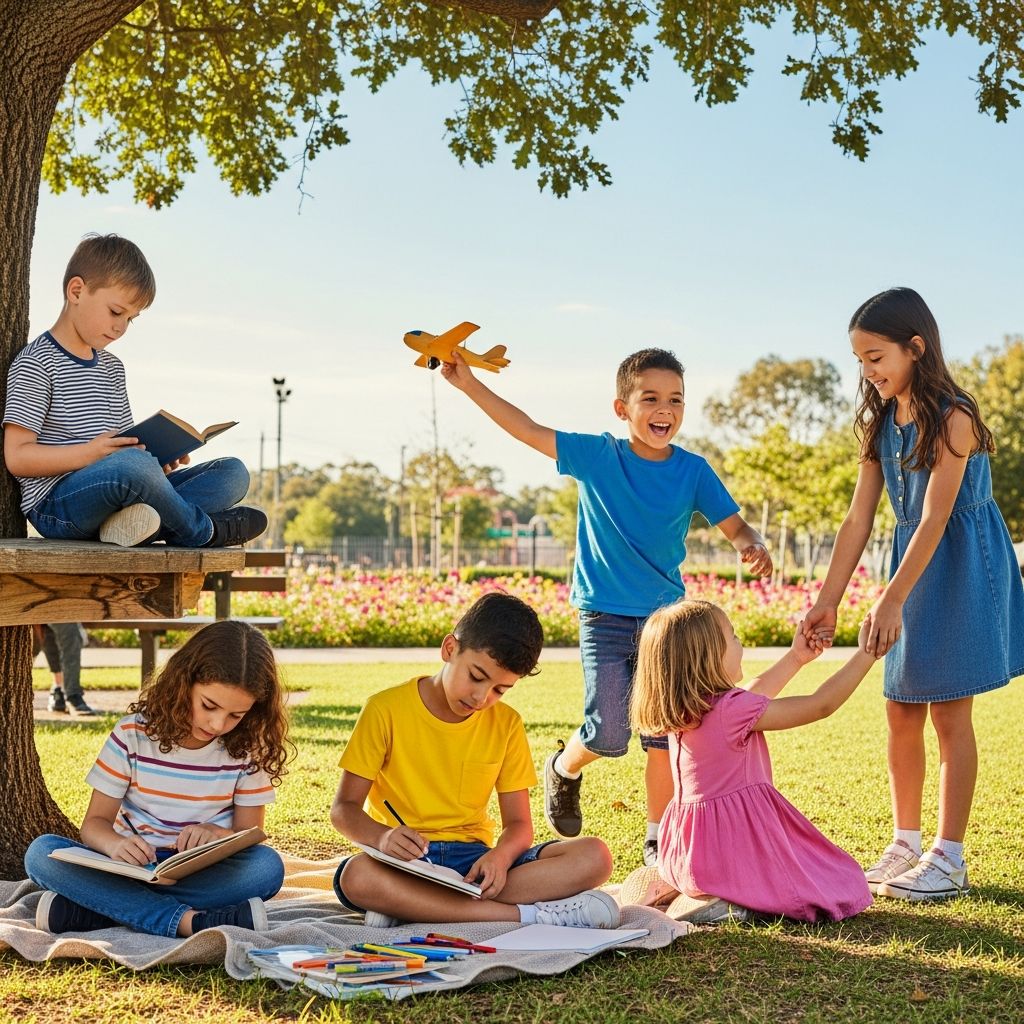
Research highlights that such balanced traits allow children to excel in diverse settings. For instance, they might lead a group game at recess while enjoying puzzle-solving alone at home. Parents often notice this duality early, around ages 4-7, when social demands increase. Understanding this helps tailor environments that honor their varying needs.
Core Characteristics of Outrovert Children
Recognizing an outrovert child involves observing patterns in their daily behaviors. These kids display a mix of inward focus and outward expression, making them versatile social participants.
- Selective Sociability: They enjoy playgroups but retreat for downtime without distress.
- Adaptive Energy: Energized by friends yet refreshed by reading or drawing solo.
- Thoughtful Communicators: They ponder before sharing ideas but shine in conversations when engaged.
- Creative Switchers: Easily toggling between group projects and independent play.
- Empathetic Observers: Attuned to others’ moods, balancing listening with leading.
Unlike rigid introverts who tire quickly in groups or extroverts who seek constant interaction, otros calibrate their involvement intuitively. This adaptability fosters resilience, as they learn to read social cues and self-regulate effectively.
How Otros Differ from Traditional Types
To grasp the otro profile, compare it directly with introvert and extrovert counterparts. The table below outlines key distinctions based on energy sources, social preferences, and processing styles.
| Trait | Introvert Child | Outrovert Child | Extrovert Child |
|---|---|---|---|
| Energy Recharge | Solo play, quiet spaces | Mix of alone time and small groups | Group activities, crowds |
| Social Preference | One-on-one or alone | Flexible, context-dependent | Large playdates, parties |
| Processing Thoughts | Internal reflection first | Blend of internal and verbal | Out loud with others |
| Task Approach | Deep focus on one activity | Switches between solo and team | Multitasking in groups |
| Risk-Taking | Cautious, deliberate | Balanced, situational | Bold, impulsive |
This comparison reveals why otros often appear ‘easygoing’—their middle-ground approach equips them for varied school and family dynamics.
Spotting Signs in Everyday Child Behavior
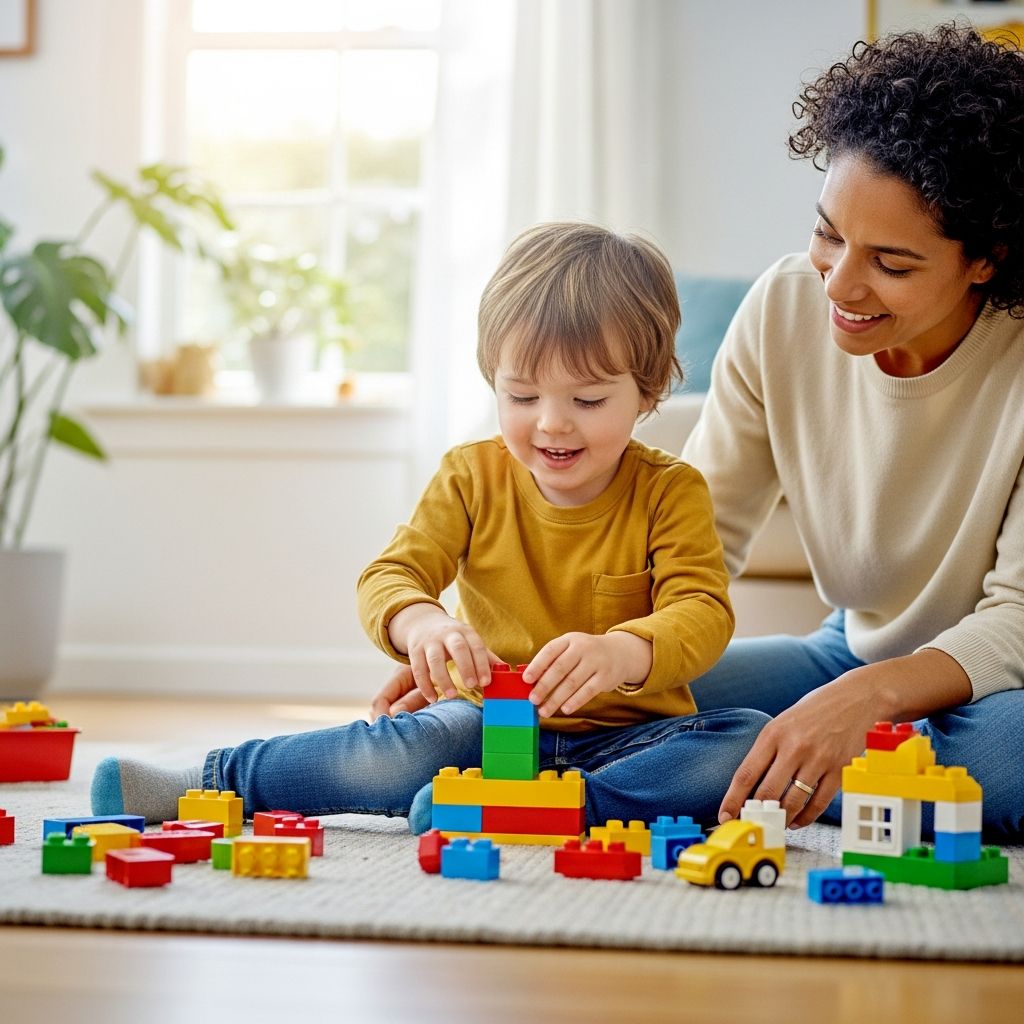
Parents can identify outrovert tendencies through routine observations. Watch for a child who chats animatedly at birthday parties but requests ‘quiet time’ afterward. They might invent games with siblings then retreat to build intricate Lego worlds alone.
In classrooms, otros participate actively without dominating, contributing ideas after brief thought. At home, they balance family dinners with personal hobbies like journaling or crafting. Emotional cues include contentment in varied settings, rarely showing overstimulation or boredom extremes. Age plays a role: toddlers may swing more wildly, while school-age kids stabilize their balance.
Strengths That Set Otros Apart
Outrovert children bring powerful advantages to their growth and relationships. Their duality promotes strong interpersonal skills, as they empathize deeply yet assert needs confidently.
- Versatile Problem-Solving: Drawing from solo reflection and group brainstorming.
- Emotional Intelligence: Reading rooms and self-soothing effectively.
- Academic Flexibility: Thriving in lectures, projects, or discussions.
- Leadership Potential: Stepping up when needed without seeking constant spotlight.
- Resilience Building: Adapting to changes like new schools seamlessly.
Studies link this balance to better long-term outcomes, such as higher adaptability in careers and relationships. Parents leveraging these strengths see confident, well-rounded kids emerge.
Potential Challenges and Support Strategies
While advantageous, the otro profile isn’t without hurdles. Over-scheduling can lead to burnout from mismatched energy needs. They might struggle voicing boundaries, appearing ‘flexible’ to a fault.
To support them:
- Schedule balanced days: Alternate playdates with free-play solos.
- Teach self-awareness: Discuss ‘energy levels’ daily.
- Encourage expression: Provide journals alongside group talks.
- Monitor overstimulation: Watch for subtle fatigue signs like irritability.
- Foster choices: Let them pick social intensity per event.
Consistent nurturing prevents exhaustion, channeling their strengths optimally.
Nurturing Growth in School and Social Settings
Schools often favor extroverted traits, but otros adapt well with guidance. Encourage teachers to note their context-based engagement. Extracurriculars like drama or chess clubs suit their range perfectly.
At home, model balance: Share your reflective moments and social joys. Family rituals blending group fun and quiet evenings reinforce healthy patterns. As they age, discuss personality fluidity, affirming their unique style.
Real-Life Examples of Otros in Action
Consider Mia, 8, who leads playground adventures but unwinds with sketchbooks. Or Liam, 6, debating with friends then pondering alone. These stories illustrate how otros enrich family life with their chameleon-like charm. Parents report easier transitions during moves or new siblings thanks to this adaptability.
Frequently Asked Questions
Can my child be an outrovert if they seem shy sometimes?
Yes, outros fluctuate; shyness in big groups doesn’t negate their outgoing side in comfortable settings.
How do I test for outrovert traits?
Observe over weeks, not one event. Tools like child personality quizzes can supplement, but behavior patterns are key.
Are otros more successful as adults?
Their flexibility often leads to versatile careers and relationships, per personality research.
What if my outrovert child prefers one side more?
Personalities shift; gently encourage balance without forcing.
Does parenting style influence outroversion?
Yes, responsive environments enhance their natural adaptability.
Embracing the Full Personality Spectrum
Otros exemplify personality as a dynamic spectrum, not binaries. By celebrating this, parents empower children to harness inner depth and outer connections. This holistic view promotes lifelong well-being, turning adaptive traits into superpowers.
References
- Introvert vs. Extrovert Personality: What’s The Difference? — Simply Psychology. 2023-10-15. https://www.simplypsychology.org/introvert-extrovert.html
- Introvert Vs. Extrovert: Understanding Your Personality — Choosing Therapy. 2024-05-20. https://www.choosingtherapy.com/introvert-vs-extrovert/
- 9 Differences Between Introverts and Extroverts — GoodRx. 2024-02-12. https://www.goodrx.com/well-being/relationships/introvert-extrovert-key-differences
- Introvert vs Extrovert Traits and Characteristics — Crystal Knows. 2023-11-08. https://www.crystalknows.com/resource/introvert-vs-extrovert
- Introvert vs Extrovert: Which personality type are you? — Medpark Hospital. 2024-01-22. https://www.medparkhospital.com/en-US/lifestyles/introvert-vs-extrovert
- Introvert vs. Extrovert: What’s The Difference? — Cleveland Clinic. 2023-09-05. https://health.clevelandclinic.org/introvert-vs-extrovert
- Energy: Introverted (I) vs. Extraverted (E) — 16Personalities. 2024-03-14. https://www.16personalities.com/articles/energy-introverted-vs-extraverted