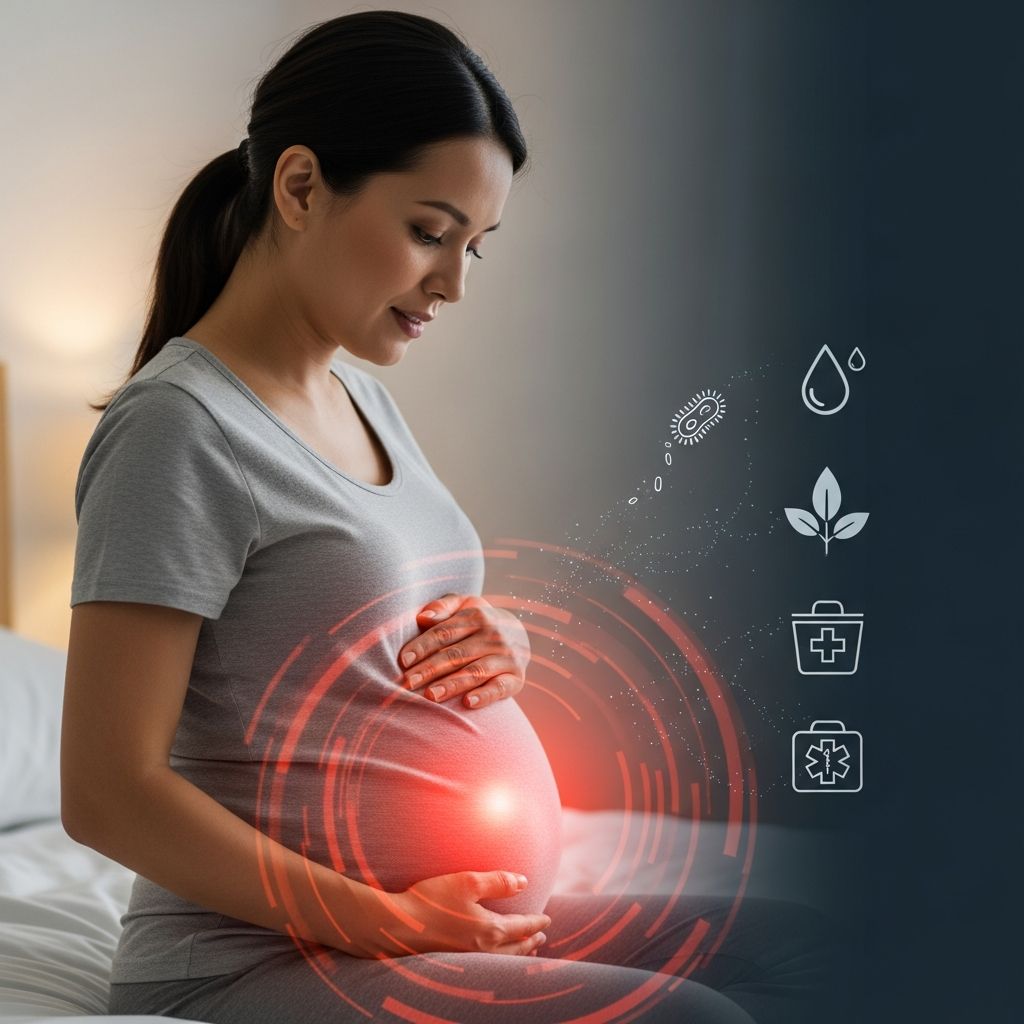
Pelvic discomfort is a frequent challenge during pregnancy, impacting up to 20-30% of women due to the body’s adaptations for fetal growth. This pain often stems from joint instability, ligament stretching, and postural shifts, but most cases are manageable with simple strategies.
Why Pelvic Pain Occurs During Pregnancy
The pelvis supports the growing uterus, leading to increased stress on joints, muscles, and ligaments. Hormonal changes, particularly relaxin, loosen ligaments to prepare for birth, which can cause instability and pain.
Key contributing factors include:
- Hormonal effects: Relaxin softens pelvic ligaments, increasing joint pressure from weight gain.
- Postural changes: The expanding uterus shifts the center of gravity, straining the lower back and pelvis.
- Joint irritation: Sacroiliac and pubic symphysis joints may become inflamed from uneven movement.
- Prior conditions: Pre-existing back issues can worsen with pregnancy demands.
- Muscle imbalances: Weak core or hip muscles fail to stabilize the pelvis adequately.
Recognizing Different Types of Pelvic Pain
Pelvic pain varies in location, intensity, and triggers. Understanding these helps in addressing the root cause effectively.
| Type of Pain | Description | Common Location | Triggers |
|---|---|---|---|
| Round Ligament Pain | Sharp, stabbing sensations from stretching ligaments supporting the uterus. | Lower abdomen sides | Sudden movements, coughing, rolling over. |
| Pelvic Girdle Pain (PGP) | Achy or grinding pain in pelvic joints, affecting mobility. | Pubic bone, lower back, thighs | Walking, stairs, standing on one leg. |
| Pubic Symphysis Dysfunction (SPD) | Localized front pain with clicking or shifting sensations. | Pubic area | Leg separation, weight-bearing. |
| Pelvic Floor Tension | Pressure or heaviness from muscle tightness. | Perineum, groin | Prolonged sitting, constipation. |
| Braxton Hicks-Related | Intermittent tightening or cramping. | Abdomen, pelvis | Dehydration, activity. |
These distinctions guide self-care; for instance, round ligament pain often resolves with rest, while PGP may need supportive exercises.
Symptoms That Signal Common Issues
Pain can manifest as dull aches, sharp jolts, or constant pressure. Women often report:
- Pain worsening with walking, climbing stairs, or turning in bed.
- Clicking, grinding, or instability in the pelvis.
- Radiating discomfort to thighs, buttocks, or lower back.
- Increased sensitivity from fatigue or stress.
In early pregnancy, crampy pain may accompany normal uterine growth, but persistent symptoms warrant attention.
Safe Strategies for Pain Relief
Most pelvic discomfort improves with conservative measures. Focus on stabilizing the pelvis and reducing strain.
Daily Habits and Positioning
- Use a maternity support belt to offload pelvic joints during activity.
- Sleep on your side with a pillow between knees to maintain alignment.
- Avoid standing on one leg; get in/out of cars by scooting to the edge first.
Physical Activity and Exercises
Gentle exercises strengthen supporting muscles without overload.
- Pelvic tilts: On all fours, arch and flatten your back 10 times daily to ease lower back strain.
- Kegels: Contract pelvic floor muscles for 5 seconds, repeat 10-15 times, 3 sets/day to improve stability.
- Swimming or prenatal yoga: Low-impact options that reduce gravity’s pull on joints.
Home Remedies
- Apply warm compresses for 15-20 minutes to relax muscles; alternate with ice for inflammation.
- Stay hydrated and eat fiber-rich foods to prevent constipation-related pressure.
- Practice good posture: Stand tall, sit with back support, and use footstools.
These approaches can significantly alleviate symptoms, often resolving PGP post-delivery.
Preventing Worsening of Pelvic Discomfort
Proactive steps minimize flare-ups:
- Maintain a healthy weight to reduce joint load.
- Incorporate rest breaks during active days.
- Wear supportive shoes to aid balance.
- Engage prenatal physical therapy early if pain starts.
Studies show tailored physiotherapy reduces PGP severity by improving muscle control.
When to Seek Professional Medical Advice
Not all pain is benign. Contact your healthcare provider immediately for:
- Severe, unrelenting pain or difficulty walking.
- Pain with fever, nausea, bleeding, or urinary changes suggesting UTI or other issues.
- Regular contractions, sudden pressure, or fluid leakage indicating preterm labor.
- One-sided pain possibly linked to ectopic pregnancy in early stages.
Doctors may use ultrasound to rule out complications and recommend treatments like physical therapy or medication if needed.
Role of Healthcare Providers in Management
Obstetricians, midwives, or pelvic floor specialists offer personalized plans. Options include:
- Manual therapy for joint alignment.
- Acupuncture or TENS units for pain modulation.
- Custom orthotics for biomechanical support.
Early intervention prevents chronic issues post-pregnancy.
Frequently Asked Questions (FAQs)
Is pelvic pain during pregnancy harmful to the baby?
No, common types like PGP do not affect the baby, though they impact maternal comfort. Monitor for serious signs.
Can I still have a vaginal delivery with PGP?
Yes, most women with PGP deliver vaginally successfully; discuss options with your provider.
How long does pregnancy-related pelvic pain last?
It often peaks in the second/third trimesters and resolves after birth, though some linger weeks postpartum.
Does round ligament pain mean something is wrong?
No, it’s a normal growth response, eased by rest and stretching.
Are exercises safe if I have pelvic pain?
Gentle, provider-approved ones are; avoid high-impact activities.
Long-Term Outlook and Postpartum Recovery
Pelvic changes typically reverse after delivery as hormones normalize. Persistent pain may require postpartum physio focusing on core restoration. Maintaining fitness pre-conception aids resilience.
Pregnancy pelvic discomfort, while challenging, is navigable with knowledge and support. Empower yourself with these insights for a smoother experience.
References
- Pelvic girdle pain (PGP) in pregnancy — HSE.ie. 2023. https://www2.hse.ie/conditions/pelvic-girdle-pain-pregnancy/
- Common Causes of Pelvic Pain During Pregnancy — Chicago OBGYN. 2024. https://chicagoobgyn.com/common-causes-of-pelvic-pain-during-pregnancy-and-when-to-call-your-doctor/
- Pelvic Pain During Pregnancy: Common Causes and Strategies — Lyndhurst GYN. 2023. https://www.lyndhurstgyn.com/pelvic-pain-during-pregnancy-common-causes-and-strategies/
- Understanding Pelvic Pain During Pregnancy — Wellest Health. 2024. https://www.wellesthealth.com/post/pelvic-pain-during-pregnancy
- Pelvic Pain During Early Pregnancy — Merck Manuals. 2025. https://www.merckmanuals.com/home/women-s-health-issues/symptoms-during-pregnancy/pelvic-pain-during-early-pregnancy
- Pelvic pain in pregnancy — NHS.uk. 2024. https://www.nhs.uk/pregnancy/common-symptoms/pelvic-pain/
- Pregnancy-related pelvic girdle pain — The Royal Women’s Hospital. 2023-03-21. https://www.thewomens.org.au/images/uploads/fact-sheets/Pregnancy-related-pelvic-girdle-pain-210319.pdf