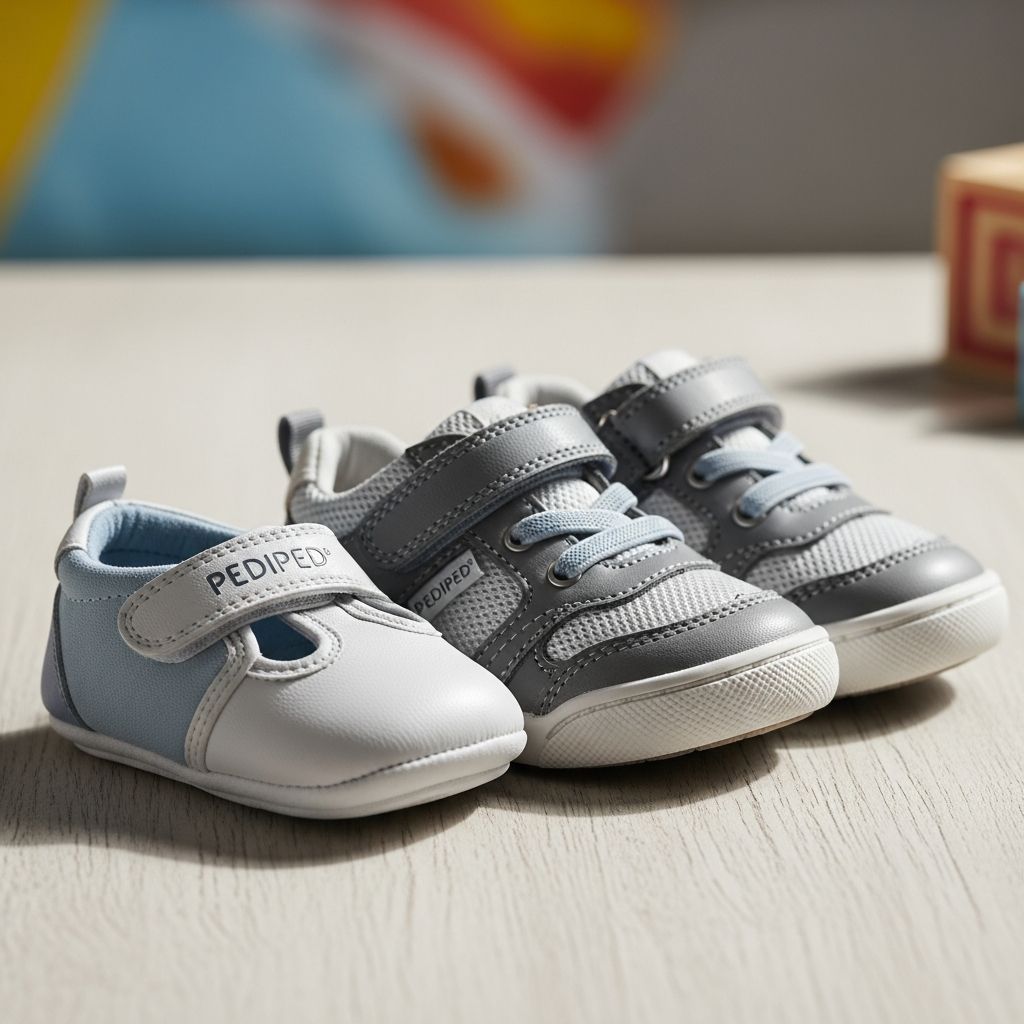
Choosing shoes for a baby or toddler is about much more than picking the cutest pair on the shelf. Parents want footwear that supports natural foot development, offers enough protection for little adventures, and still feels as close to barefoot as possible.
Pediped has become a go-to brand for many families because its shoes are designed around those exact priorities: flexibility, comfort, and healthy growth for small, rapidly changing feet.
Why First Shoes Matter More Than You Think
A baby’s foot contains soft bones, cartilage, and rapidly growing tissues that are still taking shape. Shoes that are too stiff, too tight, or heavy can interfere with the way children balance, grip the floor, and build the muscles they will use for walking, running, and jumping later on.
Ideally, early footwear should act like a thin, flexible layer between your child’s foot and the ground, providing protection from sharp or cold surfaces while still allowing the toes to move and the foot to bend naturally.
- Soft soles let the foot feel the surface and adjust posture in real time.
- Roomy toe boxes give toes space to spread, curl, and grip.
- Lightweight materials help maintain natural gait and balance.
What Makes Pediped Different?
Pediped’s approach is built around the idea that shoes should support, not shape, a child’s foot. Rather than forcing a particular arch or rigid structure, their designs follow the foot’s natural form and movement patterns at each development stage.
Across the range, you will see recurring themes: flexible soles, premium materials, thoughtful details like padded heels, and styles that transition smoothly from wobbly first steps to confident toddler strides.
- Many styles are made from soft leather or breathable fabrics to prevent overheating.
- Soles are engineered to bend easily at the ball of the foot instead of staying stiff.
- Closures like hook-and-loop straps help you get a secure fit without over-tightening.
The Three Core Pediped Systems Explained
Pediped organizes its shoes into three main groups based on walking ability rather than just age. This system helps parents match the right amount of flexibility and support to what their child is actually doing on their feet.
Below is an overview of how these categories typically align with developmental stages and common daily use.
Overview of Pediped Lines
| Line | Best For | Sole Type | Key Benefits |
|---|---|---|---|
| Originals | Crawlers, cruisers, and brand-new walkers | Very soft, flexible sole that closely mimics barefoot | Allows natural toe grip and balance while offering basic protection |
| Grip & Go | Confident early walkers taking more independent steps | Soft rubber sole with added traction and stability features | Bridges the gap between first shoes and everyday toddler sneakers |
| Flex | Toddlers and kids who walk and run with a mature stride | Flexible rubber sole with more cushioning and support | Durable, everyday shoes designed for playgrounds, school, and outings |
Originals: Barefoot-Friendly Beginnings
Originals are designed to be as close to barefoot as practical while still protecting little feet from splinters, cold floors, or rough outdoor surfaces. The sole bends easily, allowing the foot to move as if unshod.
These shoes are especially useful when a baby is alternating between crawling, pulling up, and taking tentative steps, because they don’t interfere with that constant change of position.
Grip & Go: Transitioning to Independent Walking
Once a child is walking more steadily, parents often want a shoe that can handle playgrounds, sidewalks, and more varied terrain. Grip & Go styles add a soft rubber outsole with extra traction and slightly more structure around the heel.
This line is meant to help children practice a more stable stride without suddenly switching them to a firm, adult-like sole before their feet are ready.
Flex: Everyday Shoes for Active Toddlers
By the time children are running, climbing, and jumping, they need a shoe that offers both flexibility and durability. Flex styles include thicker, yet still bendable, soles and more cushioning for long days of active play.
Many Flex styles feature adjustable insoles or fit systems that extend the life of the shoe through growth spurts while keeping the fit secure.
Key Features Parents Appreciate in Pediped Shoes
Parents are often drawn to Pediped because the shoes blend technical details with practical everyday comfort. Instead of focusing only on appearance, the brand pays attention to how kids really move.
While specific details vary by line, several core features show up repeatedly across the range.
- Flexible soles: Soles are designed to bend at the ball of the foot so children can roll through each step smoothly.
- Roomy toe boxes: The front of the shoe leaves space for natural toe splay rather than squeezing feet into a narrow shape.
- Quality materials: Leather, mesh, and other soft uppers help reduce rubbing and hotspots.
- Cushioned heels: Padding around the heel collar adds comfort and can reduce blister risk.
- User-friendly closures: Velcro straps and simple fastenings make it easier for both parents and young children to get shoes on and off.
How Pediped Supports Healthy Foot Development
Healthy foot development in early childhood depends on freedom of movement, sensory feedback from the ground, and shoes that do not restrict the natural widening and lengthening of the foot. Pediped designs deliberately avoid overly stiff or heavy structures that work against those needs.
By combining soft uppers, flexible soles, and age-appropriate support, these shoes are intended to work with the natural learning process rather than trying to correct or control it.
- Soft soles encourage active toe gripping, which helps strengthen arches and intrinsic foot muscles.
- Breathable materials keep feet dry and reduce the risk of skin irritation that might cause kids to walk awkwardly.
- Stage-based design ensures that support levels rise only as the child’s walking skills progress.
Choosing the Right Pediped Line for Your Child
The best way to pick a line is to think about how your child uses their feet today, not just their age in months. Two toddlers of the same age can have very different levels of balance and coordination.
Use the questions below as a quick checklist when narrowing down your options.
- Is your child mostly crawling or pulling up? Consider the softest, most flexible options, typically the Originals line.
- Is your child taking several independent steps but still wobbly? A transition shoe like Grip & Go can provide mild extra traction and heel stability.
- Is your child running, climbing, and spending a lot of time outdoors? Flex styles can handle higher impact play and more abrasive surfaces.
How to Measure for Pediped Shoes at Home
Correct sizing is just as important as picking the right category of shoe. Shoes that are too small restrict growth, while pairs that are too big can cause tripping and poor walking mechanics.
You can measure at home with simple tools and a few minutes of patience.
Step-by-Step Measuring Instructions
- Place a sheet of paper on a hard, flat floor against a wall.
- Stand your child on the paper with heels gently touching the wall and weight evenly distributed.
- Mark the longest toe on each foot with a pencil.
- Measure the distance from the wall to each mark using a ruler or tape measure.
- Use the longer measurement and compare it to the brand’s size chart, allowing a little extra space for growth.
Always measure both feet, since it is common for one foot to be slightly larger, and size according to the bigger foot.
Signs Your Child Needs a Bigger Size
Children’s feet can grow very quickly, sometimes in sudden spurts that catch parents by surprise. Regular checks can help you avoid shoes that become too tight long before they look worn out.
Watch for these common clues that it might be time to size up.
- Your child starts resisting putting on shoes they usually liked.
- You notice red marks or indentations around the toes, sides, or heel after the shoes come off.
- The shoe feels difficult to fasten, or straps no longer reach their usual position.
- Your child seems to trip more often or walks differently in shoes than barefoot.
Pediped Materials and Care Tips
Because kids are experts at finding puddles, sand, and snack spills, easy-care materials are a significant advantage. Many Pediped styles are designed to stand up to regular use without losing their shape or softness too quickly.
Care instructions vary slightly by material, but the general strategies below help extend the life of most pairs.
- For leather uppers, wipe away dirt with a soft damp cloth and let them air dry away from direct heat.
- Let shoes dry fully between wears if they become damp, to help maintain their structure and freshness.
- Check the brand’s specific guidance before using washing machines or harsh cleaners.
- Store shoes in a cool, dry place and avoid crushing them under heavy items.
Style Options: From Casual Play to Special Occasions
Pediatric-friendly shoes do not have to be plain or boring. Pediped offers a variety of colors and designs that can suit everyday outfits as well as more dressy occasions without sacrificing the flexible, child-focused construction.
Parents can usually find options ranging from sporty sneakers and casual sandals to school-ready shoes and dressier pairs for family events or photos.
- Neutral tones pair well with most outfits and are ideal as a primary pair for daycare or preschool.
- Brighter colors or character-inspired designs can be a fun secondary pair that encourages kids to enjoy putting on their shoes.
- Closed-toe sandals and lightweight sneakers work well for warm weather playground trips.
Practical Buying Tips for Parents
When investing in a good pair of baby or toddler shoes, a little planning can save both money and frustration. Pediped shoes are often durable enough to pass down to younger siblings, making it worthwhile to choose carefully.
Use the checklist below to simplify your decision-making process.
- Decide on the primary environment first: indoor daycare, outdoor parks, mixed use, or special events.
- Measure your child’s feet before ordering and compare to the specific size chart for the style you want.
- Look for adjustable features (like straps or removable insoles) to get more use as your child grows.
- Consider buying one versatile, neutral pair and one fun pair if budget allows.
Frequently Asked Questions About Pediped Baby and Toddler Shoes
1. Are Pediped shoes good for new walkers?
Yes. The soft, flexible construction of the early-stage lines is specifically geared toward children who are just learning to walk. These shoes protect the foot while still letting toes grip the floor and the ankle adjust to changes in balance.
2. Should my baby wear Pediped shoes indoors?
Many parents choose to let babies go barefoot at home when the floor is clean and safe, but Pediped shoes can be helpful on harder or cooler surfaces, or in public indoor spaces where protection is needed. The key is that the shoes remain flexible enough not to interfere with natural movement.
3. How often should I check if my child’s Pediped shoes still fit?
For babies under 18 months, it is wise to check fit at least every 4–6 weeks, since growth can be very rapid. For older toddlers, checking every 2–3 months is usually sufficient unless you notice discomfort or walking changes sooner.
4. Do Pediped shoes have enough support for flat feet?
Most healthy toddlers appear to have flat feet because the arch is still developing and a natural layer of fat cushions the area. Pediped shoes are designed to allow that natural development rather than artificially forcing a high arch. If you have specific concerns about your child’s feet, consult a pediatric healthcare provider.
5. Can Pediped shoes be passed down to younger siblings?
As long as the shoes remain in good condition, with intact soles and no significant distortion of the shape, they can often be reused by another child. Inspect the inside for worn padding and check that the sole still bends comfortably and does not have deep cracks.
Helping Your Child Love Their First Shoes
Even the best-designed shoes are only helpful if your child is willing to wear them. A gentle, playful introduction can make the transition from barefoot to shod feet much smoother.
Use simple routines to normalize wearing shoes without making them feel like an uncomfortable obligation.
- Start with short wear times at home, like a few minutes before going outside.
- Allow your child to explore and handle the shoes so they feel familiar.
- Offer praise when your child keeps the shoes on or helps with putting them on.
- Choose a style or color your child likes to increase their enthusiasm.
Pediped shoes give parents a way to protect small feet without compromising on flexibility, comfort, or healthy development. By focusing on stage-appropriate features and soft, high-quality materials, these shoes can support children through the exciting journey from first wobbly steps to confident toddler adventures.