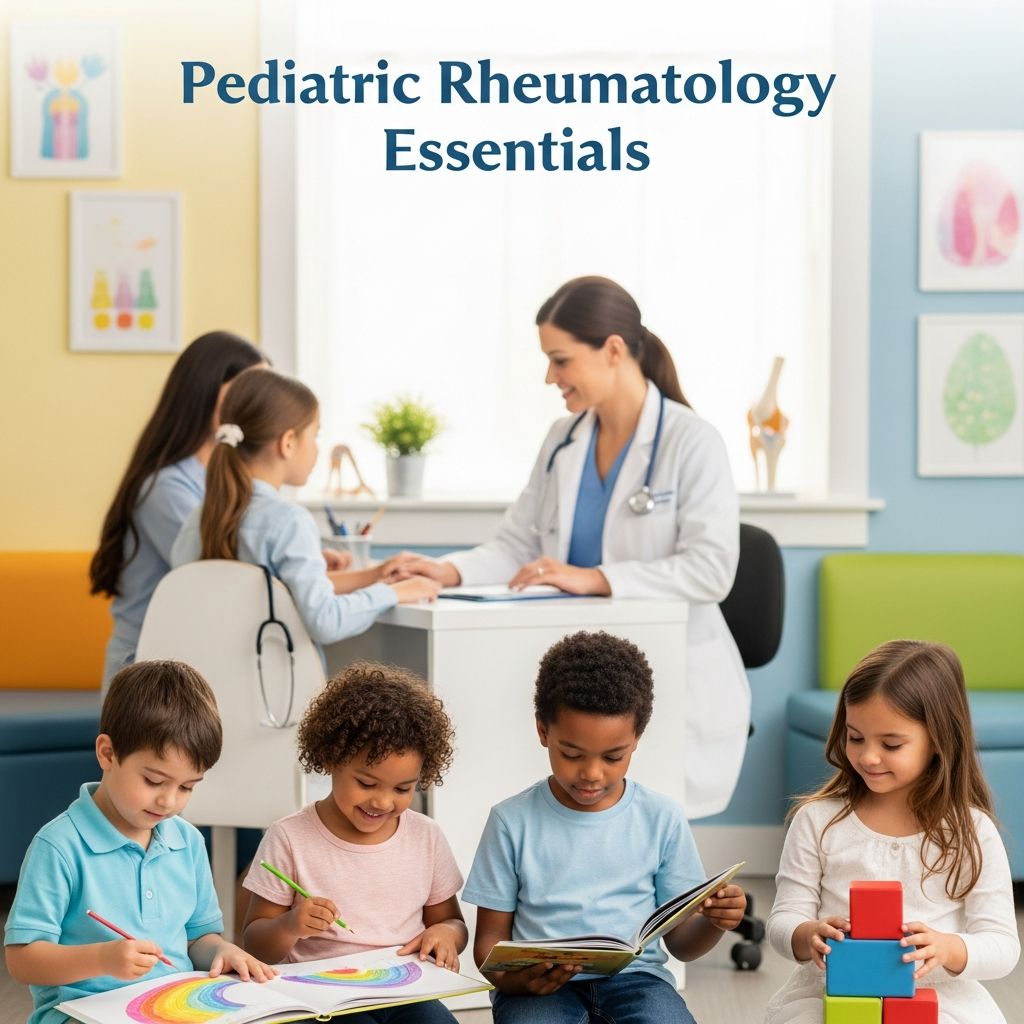
Pediatric rheumatology focuses on diagnosing and managing a range of autoimmune, autoinflammatory, and musculoskeletal disorders that affect children and adolescents. These conditions, which differ significantly from adult forms, can impact joints, muscles, skin, organs, and more, often requiring long-term care coordinated by specialists.
Understanding Rheumatic Diseases in Children
Rheumatic diseases in kids arise when the immune system mistakenly attacks healthy tissues, leading to inflammation. Unlike in adults, pediatric versions often present unique challenges, such as growth impacts and the need for family-centered care. Specialists in this field act as master diagnosticians, collaborating across disciplines to address complex cases.
Why These Conditions Matter for Growing Kids
Early intervention is crucial because uncontrolled inflammation can lead to joint damage, organ involvement, and developmental delays. Conditions like juvenile idiopathic arthritis (JIA) affect up to 1 in 1,000 children, making awareness vital for parents.
Common Rheumatic Conditions Affecting Children
Pediatric rheumatologists treat a variety of disorders. Here’s an overview of key ones:
- Juvenile Idiopathic Arthritis (JIA): The most common, involving chronic joint inflammation. Subtypes include oligoarticular, polyarticular, and systemic JIA, each with distinct features.
- Systemic Lupus Erythematosus (SLE): A multisystem autoimmune disease causing fatigue, rashes, kidney issues, and joint pain.
- Juvenile Dermatomyositis (JDM): Features muscle weakness, skin rashes, and sometimes lung or gut involvement.
- Scleroderma and Localized Forms (Morphea): Causes skin thickening and potential organ fibrosis.
- Vasculitis Syndromes: Inflammation of blood vessels, including Kawasaki disease, Henoch-Schönlein purpura, and ANCA-associated types.
- Autoinflammatory Disorders: Such as periodic fever syndromes and familial Mediterranean fever, marked by recurrent fevers and inflammation.
- Other Issues: Uveitis, Raynaud’s phenomenon, chronic recurrent multifocal osteomyelitis, and pain syndromes like complex regional pain.
Recognizing Symptoms: When to Worry
Symptoms can be subtle or mimic common childhood ailments. Parents should watch for persistent signs lasting over six weeks.
| System | Common Signs |
|---|---|
| Joints/Muscles | Swelling, stiffness (especially mornings), pain, limping, weakness |
| Skin | Rashes, photosensitivity, ulcers, color changes (Raynaud’s) |
| General | Fever, fatigue, weight loss, prolonged pain |
| Eyes | Redness, pain (uveitis), vision changes |
| Other | Abdominal pain, headaches, recurrent fevers |
A thorough exam, like the Pediatric Gait, Arms, Legs, Spine (pGALS) screening, helps identify issues early.
The Diagnostic Journey in Pediatric Rheumatology
Diagnosis starts with a detailed history and physical exam, followed by targeted tests. No single test confirms most conditions; it’s a puzzle pieced together.
- Blood Tests: Check for inflammation (ESR, CRP), autoantibodies (ANA, RF), and infection markers.
- Imaging: X-rays for bone changes, ultrasound/MRI for soft tissues, echocardiograms for heart involvement.
- Other: Joint aspirations, biopsies, eye exams for uveitis.
Rheumatologists often rule out infections, cancers, or metabolic issues first.
Treatment Strategies: Tailored for Kids
Treatments aim to control inflammation, relieve pain, preserve function, and support growth. Plans are individualized, often multidisciplinary.
- Medications:
- NSAIDs for pain and mild inflammation.
- DMARDs like methotrexate for JIA.
- Biologics (e.g., TNF inhibitors, IL-6 blockers) for moderate-severe cases.
- Corticosteroids sparingly due to growth effects.
- Immunosuppressants for lupus or vasculitis.
- Therapies: Physical/occupational therapy, splints, exercise programs.
- Infusions and Procedures: IV therapies at specialized centers, joint injections with ultrasound guidance.
- Lifestyle: Balanced diet, sun protection, vaccinations (adjusted for immunosuppression).
Regular monitoring prevents complications like osteoporosis or infections.
The Role of Pediatric Rheumatologists
These specialists complete pediatrics residency plus 3-year fellowship training. They manage outpatient clinics, hospital consults, and coordinate with orthopedists, dermatologists, nephrologists, and more. Long-term relationships foster trust and optimal outcomes.
“Pediatric rheumatologists serve as the coordinating physician in complex, chronic cases.”
Multidisciplinary Care Teams
Effective management involves:
- Nurses for education and infusions.
- Psychologists for coping with chronic illness.
- Nutritionists and social workers.
- Ophthalmologists for uveitis screening.
Living with Rheumatic Disease: Daily Management Tips
Families play a key role. Strategies include:
- Adhering to meds and appointments.
- Encouraging safe activity to build strength.
- Monitoring for flares (increased pain, fever).
- School accommodations via 504 plans.
- Emotional support groups.
With modern therapies, most kids achieve remission and normal lives.
FAQs: Common Parent Questions
What is the difference between pediatric and adult rheumatology?
Pediatric conditions have unique phenotypes, treatments, and outcomes; adult meds may harm growing kids.
Can my child outgrow JIA?
Many achieve remission, but some need lifelong management. Early treatment improves prognosis.
How do I find a pediatric rheumatologist?
Seek referrals via pediatricians; major centers like Mayo Clinic offer expertise.
Are vaccines safe for kids on immunosuppressants?
Yes, with modifications—live vaccines often avoided. Consult your specialist.
What causes these diseases?
Genetics, environment, and immunity interplay; no single cause known.
Emerging Advances in Pediatric Rheumatology
Research brings gene therapies, targeted biologics, and AI diagnostics. Precision medicine tailors treatments by biomarkers, promising better control with fewer side effects.
Word count: 1678 (excluding metadata and citations)
References
- Pediatric Rheumatology (PD) Specialty Details — American Medical Association (FREIDA). 2023. https://freida.ama-assn.org/specialty/pediatric-rheumatology-pd
- Pediatric Rheumatology – Careers in Medicine — Association of American Medical Colleges (AAMC). 2024. https://careersinmedicine.aamc.org/explore-options/specialty-profiles/pediatric-rheumatology
- Pediatric Rheumatology – College of Medicine Chicago — University of Illinois Chicago (.edu). 2024. https://chicago.medicine.uic.edu/pediatrics/divisions/pediatric-rheumatology/
- Pediatric Rheumatology Overview — Mayo Clinic (.org, official medical center). 2024. https://www.mayoclinic.org/departments-centers/pediatric-rheumatology/overview/ovc-20479135
- A Resident’s Guide to Pediatric Rheumatology — UNC School of Medicine (.edu). 2023-10-01. https://www.med.unc.edu/pediatrics/wp-content/uploads/sites/1115/2023/10/2023-Revised-RHEUM-Residents-Guide-FINAL.pdf
- Pediatric Rheumatology (Autoimmune Diseases) — University of Michigan Health (.edu). 2024. https://www.uofmhealth.org/our-care/specialties-services/pediatric-rheumatology-autoimmune-diseases
- Pediatric Rheumatology — National Center for Biotechnology Information (NCBI/NIH, .gov). 2023. https://www.ncbi.nlm.nih.gov/books/NBK585757/