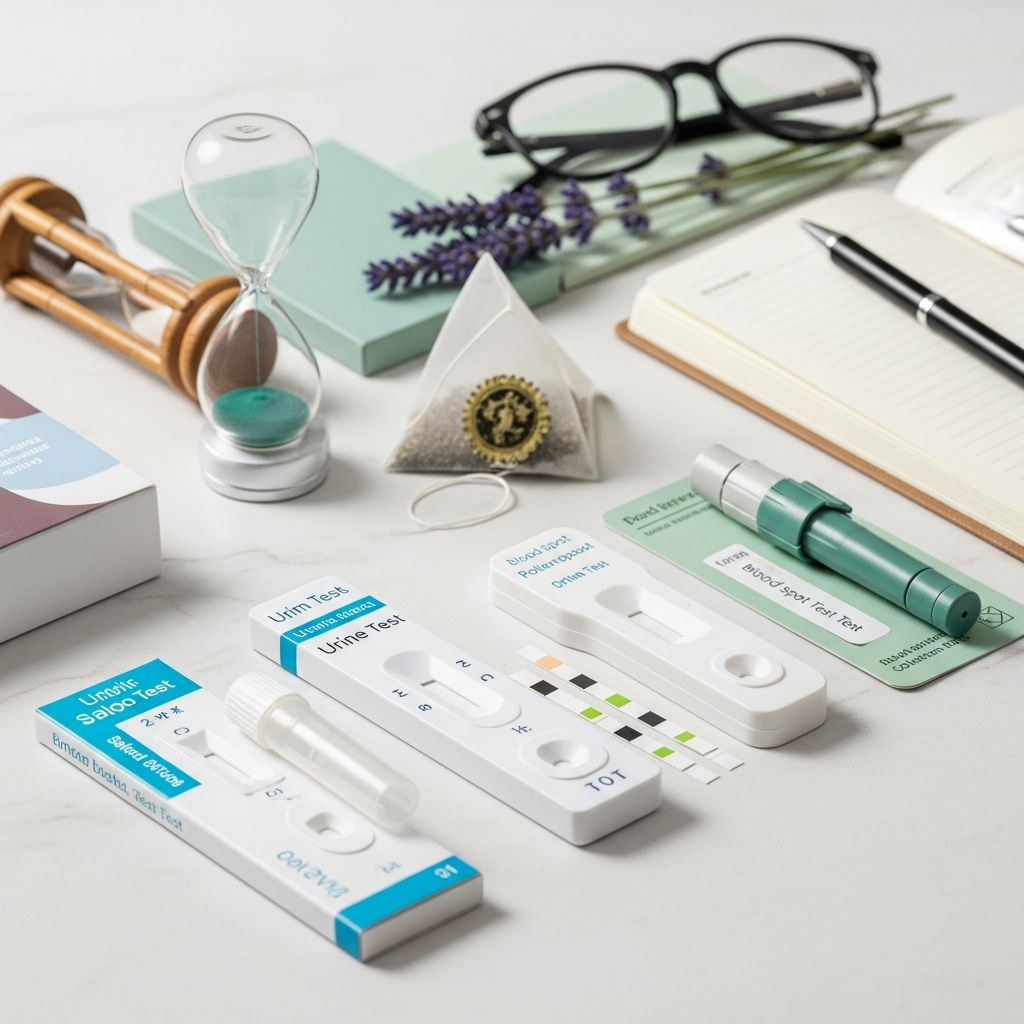
Navigating the transition into perimenopause can bring uncertainty with fluctuating hormones causing hot flashes, irregular periods, and mood swings. At-home tests offer a private way to check key hormone levels like FSH, estradiol, and LH, providing initial clues about your reproductive stage. These kits empower women to monitor changes conveniently, though they serve as screening tools rather than definitive diagnoses.
Understanding Perimenopause and Hormone Shifts
Perimenopause marks the years leading to menopause, typically starting in the 40s but sometimes earlier, when ovaries produce less estrogen and progesterone. This leads to symptoms like night sweats, sleep disturbances, and vaginal dryness. Follicle-stimulating hormone (FSH) rises as the body tries to stimulate dwindling egg production, while **estradiol** (a form of estrogen) and **luteinizing hormone (LH)** fluctuate. Urine, saliva, or blood samples in home tests detect these shifts.
Tracking these hormones helps identify if symptoms stem from perimenopause or other issues like thyroid problems. However, levels vary daily and by cycle phase, so single tests may mislead. Consistent monitoring over time yields better patterns.
How At-Home Perimenopause Tests Function
These tests analyze hormones via simple collection methods:
- Blood-based: Finger-prick kits like Everlywell require a lancet to draw drops of blood, dried on a card, then mailed to labs.
- Urine-based: Strips like Clearblue detect FSH by dipping in urine, similar to pregnancy tests, often paired with apps for tracking.
- Saliva-based: Non-invasive options like myLAB Box use swabs to measure progesterone alongside blood.
- Lab-draw hybrids: Labcorp involves visiting a site for professional venipuncture, avoiding self-collection errors.
Results arrive online in 2-10 days, often with clinician-reviewed reports explaining ranges (e.g., FSH >30 IU/L suggests perimenopause). Apps enhance usability by logging multiple tests for trend analysis.
Top At-Home Perimenopause Test Kits Compared
Selecting the right kit depends on ease, hormones tested, and cost. Here’s a comparison table of leading 2026 options based on reliability, user feedback, and lab certification:
| Test Kit | Collection Method | Hormones Measured | Results Time | Price Range | Key Features |
|---|---|---|---|---|---|
| Everlywell Perimenopause Test | Finger prick | FSH, Estradiol, LH | 5-7 days | $$ | Comprehensive; HSA/FSA eligible; high user ratings (4.7/5) |
| Labcorp OnDemand Menopause Test | In-lab blood draw | FSH, Estradiol, LH, Progesterone | 6-10 days | $$$ | Professional collection; portal results; doctor notification if abnormal |
| myLAB Box Perimenopause Test | Finger prick + Saliva | FSH, Estradiol, Progesterone | 2-5 days | $$ | CLIA-certified labs; CDC-listed; fast turnaround |
| Clearblue Menopause Stage Indicator | Urine strips | FSH | Immediate + app (10 days full) | $ | Age/cycle app integration; 5 tests for trends |
| LetsGetChecked Female Hormone Test | Finger prick | FSH, Estradiol, LH, Prolactin | 2-5 days | $$$ | Long-term monitoring; 18k+ reviews (4.6/5) |
| Proov Empower | Urine | FSH, LH, E1G, PdG | App-based | $$ | Cycle tracking over 4 points; hormone therapy compatible |
Everlywell stands out for balance of cost and coverage, ideal for first-timers. Urine tests like Clearblue suit needle-averse users but measure fewer hormones.
Pros and Cons of Using Home Tests
Advantages:
- Privacy and convenience—no appointments needed.
- Affordable entry to hormone insights (starting at $30).
- Encourages proactive health discussions with doctors.
- Some include telehealth follow-ups.
Limitations:
- Not diagnostic: High FSH alone doesn’t confirm menopause; levels fluctuate.
- Collection errors (e.g., improper finger prick) can skew results.
- Miss comorbidities like PCOS or medications affecting hormones.
- University experts warn against over-reliance, urging provider visits for bloodwork and ultrasounds.
Step-by-Step Guide to Testing at Home
- Purchase and Prep: Order online; avoid testing during pregnancy, HRT, or fertile window for accuracy.
- Collect Sample: Follow instructions—morning urine for FSH, fast if specified (rare).
- Ship Promptly: Use prepaid labels; refrigerate saliva if required.
- Review Results: Compare to reference ranges (e.g., postmenopausal FSH: 25.8-134.8 IU/L).
- Follow Up: Elevated levels? Schedule doctor for full panel.
When to Consult a Healthcare Professional
Home tests guide but don’t replace medical evaluation. Seek a doctor if:
- Symptoms severely impact life (e.g., heavy bleeding, depression).
- Results abnormal or inconsistent.
- Family history of early menopause or osteoporosis.
- Under 45 with signs—may indicate premature ovarian insufficiency.
Physicians use serial blood tests, AMH levels, and antral follicle counts for precision. Treatments like HRT or SSRIs address symptoms effectively.
Lifestyle Strategies During Perimenopause Transition
While awaiting test results, adopt habits to ease symptoms:
- Diet: Phytoestrogen-rich foods (soy, flaxseeds); calcium for bone health.
- Exercise: 150 minutes weekly to combat weight gain and boost mood.
- Sleep Hygiene: Cool bedroom, limit caffeine for hot flash relief.
- Supplements: Black cohosh or vitamin D, but consult first to avoid interactions.
Monitoring via apps alongside tests tracks lifestyle impacts on hormones.
Frequently Asked Questions (FAQs)
Can home tests definitively diagnose perimenopause?
No, they indicate trends but require doctor confirmation via multiple tests.
What’s the most accurate home test?
Everlywell for multi-hormone blood analysis, though lab draws like Labcorp are precise.
How often should I test?
Every 3-6 months or with symptom changes for patterns.
Do birth control or HRT affect results?
Yes, they suppress natural levels—disclose to providers.
Are these tests safe for all women over 30?
Generally yes, but pregnant or breastfeeding individuals should avoid.
Future of Home Hormone Testing
Advancements promise AI-driven apps analyzing daily urine for real-time perimenopause staging, integrating wearables for symptom correlation. CLIA-certified labs ensure rising accuracy, making 2026 a pivotal year for accessible women’s health tech.
References
- 5 Best Menopause Home Tests for 2026 — Healthline. 2026. https://www.healthline.com/health/menopause/menopause-home-test
- Perimenopause Test – Easy at-home health testing — myLAB Box. 2025. https://www.mylabbox.com/product/at-home-perimenopause-test/
- Proov Empower Perimenopause Hormone Tracker — Proov Test. 2025. https://proovtest.com/products/empower-perimenopause-test-kit
- Menopause Stage Indicator — Clearblue. 2025. https://www.clearblue.com/menopause/stage-indicator
- Home Menopause Test Kits: Are They Worth It? — WebMD. 2024-02-15. https://www.webmd.com/menopause/home-menopause-testing-kits
- Skip the Misleading At-Home Menopause Tests — University of Utah Health. 2024-02. https://healthcare.utah.edu/healthfeed/2024/02/skip-misleading-home-menopause-tests
- Understand Your Menopause Journey: Hormone Test — Labcorp OnDemand. 2025. https://www.ondemand.labcorp.com/lab-tests/menopause-test