Managing Food Allergies in Close Physical Relationships
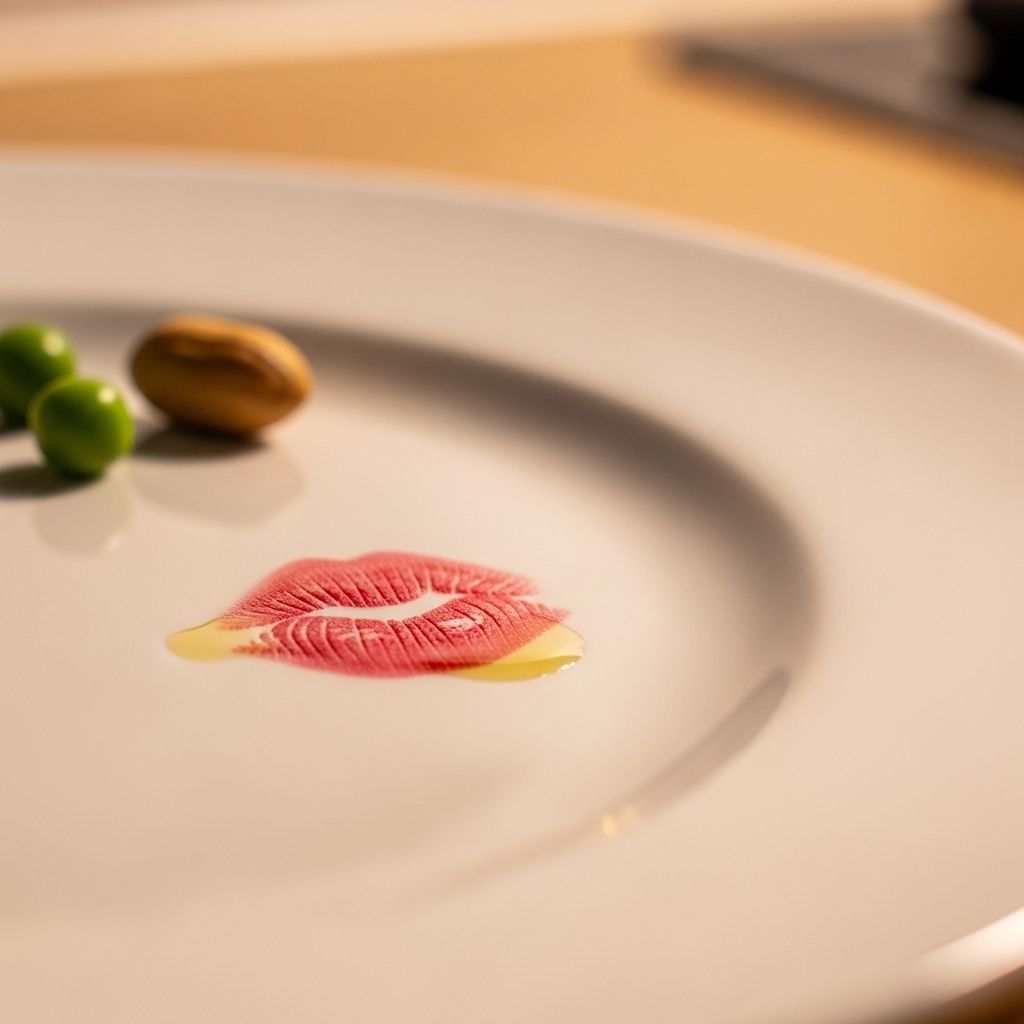
Food allergies affect millions of adolescents and young adults, and navigating romantic relationships while managing these allergies presents unique challenges. One significant concern that often goes undiscussed is the potential risk associated with kissing and close physical contact when food allergies are present. Understanding how food allergens can transfer through saliva and what precautions to take is essential for teens who want to maintain healthy relationships while protecting their health.
How Allergen Transfer Occurs During Kissing
When someone consumes food containing an allergen, traces of that substance remain in their mouth and saliva for a period of time. If a person with a food allergy kisses someone who has recently eaten an allergen-containing food, direct contact with that residual allergen can trigger an allergic reaction. The severity of the reaction depends on several factors, including the sensitivity level of the allergic individual, the amount of allergen present, and the specific food involved.
The immune system recognizes the allergen as a threat and releases histamine and other chemical mediators into the bloodstream, initiating symptoms that can range from mild oral tingling to severe anaphylaxis. Because the mouth and throat are highly vascularized areas with mucous membranes that readily absorb substances, kissing poses a direct pathway for allergen exposure.
Common Symptoms Following Allergen Exposure
Recognizing the early signs of an allergic reaction is crucial for taking prompt action. Symptoms vary in onset and severity depending on individual sensitivity levels.
Mild to Moderate Symptoms
- Tingling, itching, or burning sensation in the mouth or lips
- Swelling of the lips, tongue, or mouth tissues
- Localized hives or skin rash around the mouth area
- Mild itching in the throat
- Slight difficulty swallowing
Severe Symptoms Requiring Immediate Attention
- Significant swelling of the lips, tongue, or throat that impairs breathing or swallowing
- Difficulty breathing, wheezing, or chest tightness
- Dizziness, lightheadedness, or fainting
- Rapid or weak pulse
- Vomiting or severe abdominal pain
- Loss of consciousness
Symptoms can develop within minutes or may appear more gradually over the course of an hour. The unpredictability of reaction timing makes preparedness essential for anyone managing food allergies.
The Eight Most Common Food Allergens in Adolescents
While food allergies can develop to virtually any food, eight allergens account for the majority of allergic reactions in children and teens. Understanding these common culprits helps both the allergic individual and their romantic partners identify high-risk foods.
| Allergen | Common Sources | Typical Cross-Contamination Risks |
|---|---|---|
| Peanuts | Peanut butter, candy, baked goods, Asian cuisine | Tree nuts, seeds, granola, protein bars |
| Tree Nuts | Almonds, walnuts, pecans, cashews, Brazil nuts | Other tree nuts, peanuts, chocolate, trail mix |
| Cow’s Milk | Cheese, yogurt, ice cream, butter, cream sauces | Lactose, whey, casein in processed foods |
| Eggs | Baked goods, mayonnaise, pasta, some vaccines | Egg wash on baked items, some candies |
| Wheat | Bread, pasta, cereals, sauces, some seasonings | Other grains, processed foods, soy sauce |
| Soy | Tofu, soy sauce, edamame, many processed foods | Peanuts, other legumes, Asian foods |
| Shellfish | Shrimp, crab, lobster, oysters, clams | Fish, other shellfish, seafood broths |
| Fish | Salmon, tuna, cod, fish sauce, Caesar dressing | Other fish species, shellfish, shared cooking surfaces |
Notably, peanut allergies have tripled in prevalence among children over the past 15 years, making this one of the most important allergens to be aware of in social and romantic contexts.
Open Communication: The Foundation of Safe Relationships
The most effective way to prevent allergic reactions during close physical contact is transparent communication between partners. Teens with food allergies should feel empowered to discuss their condition openly without embarrassment or fear of judgment. This conversation should include:
- Specific allergens that pose a risk
- The severity of the allergic response and potential warning signs
- Foods or food combinations to avoid before physical contact
- The location of emergency medications like epinephrine auto-injectors
- Steps the partner should take if a reaction occurs
- The allergic individual’s comfort level with various forms of physical contact
Partners who care about each other will appreciate the opportunity to protect their loved one’s health. This conversation demonstrates maturity and responsibility, qualities that strengthen relationships.
Practical Precautions for Safe Kissing
Pre-Contact Food Timing
Establishing a waiting period between eating and kissing can significantly reduce allergen transfer risk. While allergens may remain in saliva for varying lengths of time depending on the food, most residual allergen content decreases substantially within 30 to 60 minutes after consumption. Partners can rinse their mouth with water or mouthwash, brush their teeth, or consume other foods to help clear allergen traces from their mouth.
Dietary Awareness
Partners should become familiar with the allergic individual’s specific triggers and make conscious choices to avoid consuming these foods before intimate contact. Checking food labels, asking about ingredients at restaurants, and being mindful of hidden allergens in processed foods demonstrates genuine care and commitment to safety.
Medication Accessibility
Individuals with food allergies should always carry their prescribed epinephrine auto-injector and any additional emergency medications. Both the allergic person and their partner should know where these medications are located and how to administer them if needed. Many schools and public venues maintain emergency medications, but personal responsibility is paramount in private settings.
Recognizing Reaction Severity
Not all allergic reactions require emergency intervention. Mild symptoms limited to oral tingling or slight swelling may resolve without treatment within minutes to hours. However, any symptom affecting breathing, significant throat swelling, or systemic symptoms warrants immediate use of an epinephrine auto-injector and emergency medical care.
Emotional and Social Considerations
Teens managing food allergies may experience anxiety about how their condition affects their social and romantic lives. It is important to remember that allergies are a medical reality that responsible partners will respect and accommodate. A person who dismisses or minimizes the seriousness of a food allergy is not demonstrating appropriate care or respect.
Some allergic individuals worry about being perceived as high-maintenance or unattractive because of their dietary restrictions. In reality, discussing allergies demonstrates self-awareness and prioritization of health. Confident communication about medical needs builds trust and creates a foundation for healthier relationships.
Peer support can also be valuable. Connecting with other teens who manage food allergies provides reassurance that many people successfully navigate romantic relationships while managing this condition. Online communities, school-based allergy support groups, and discussions with healthcare providers can all offer helpful perspective.
When to Seek Emergency Care
Certain symptoms indicate the need for immediate emergency intervention. Call 911 or proceed directly to an emergency room if any of the following occur:
- Difficulty breathing or shortness of breath
- Throat tightness or trouble swallowing that worsens rapidly
- Loss of consciousness or severe confusion
- Weak or rapid pulse
- Severe or rapidly spreading swelling of the face, lips, or tongue
- Vomiting or severe abdominal pain that persists
Epinephrine should be administered immediately for any suspected anaphylaxis, even if the person seems to be improving. Medical professionals should evaluate the person afterward, as biphasic reactions (a second wave of symptoms) can occur.
Frequently Asked Questions About Food Allergies and Physical Contact
If my partner ate a peanut earlier but didn’t eat anything else, is kissing safe?A: It depends on the severity of the allergy and the time elapsed since consumption. If at least 30 to 60 minutes have passed and the person has rinsed their mouth or eaten other foods, the risk is lower but not eliminated for highly sensitive individuals. Those with severe peanut allergies should wait longer or ask their partner to brush their teeth and use mouthwash before contact.
Q: Can I catch a food allergy from kissing someone?
No, food allergies cannot be transmitted through kissing or any other form of physical contact. Allergies result from an individual’s immune system and are not contagious. However, kissing someone who has recently consumed an allergen can expose you to traces of that allergen, potentially triggering a reaction if you have an allergy to that food.
What should I do if my partner starts having an allergic reaction during a kiss?
Stop contact immediately and help them locate their epinephrine auto-injector if they have one. If they show signs of a severe reaction (difficulty breathing, significant swelling, or loss of consciousness), administer the epinephrine and call 911. Stay with them and provide reassurance while waiting for medical assistance.
Is it okay to ask my partner to avoid entire food groups because of my allergies?
While your safety is paramount, extremely restrictive demands can strain relationships. Instead, focus on specific allergens and establish practical guidelines for timing and hygiene before physical contact. Most partners will willingly avoid or minimize allergen consumption before intimate moments as a gesture of care.
Can someone develop a food allergy from a partner who has one?
Food allergies are not contagious and cannot develop from exposure through kissing or other contact. However, if someone has a genetic predisposition to allergies, environmental factors and their own immune system responses determine whether an allergy develops.
Building Confidence and Moving Forward
Managing a food allergy during adolescence and young adulthood requires self-advocacy, education, and open communication. Rather than viewing allergies as barriers to romantic relationships, they can be opportunities to demonstrate maturity, responsibility, and mutual respect with partners. With proper planning, awareness, and communication, teens with food allergies can enjoy fulfilling social and romantic lives while maintaining their health and safety.
Healthcare providers, school counselors, and allergy specialists are valuable resources for teens navigating these questions. Don’t hesitate to ask questions or seek guidance when managing allergies in social contexts.
References
- Food allergy – Symptoms and causes — Mayo Clinic. Accessed January 2026. https://www.mayoclinic.org/diseases-conditions/food-allergy/symptoms-causes/syc-20355095
- Food allergy — NHS. Accessed January 2026. https://www.nhs.uk/conditions/food-allergy/
- Food Allergy in Children Signs & Symptoms — Rush University Medical Center. Accessed January 2026. https://www.rush.edu/kids/conditions/food-allergy-children
- Top 8 Food Allergies in Kids and What Parents Need to Know — Children’s Hospital of Philadelphia. Accessed January 2026. https://www.chop.edu/news/health-tip/top-8-food-allergies-kids-and-what-parents-need-know
- Food Allergies in Children: Causes, Symptoms, Diagnosis & Treatment — American Academy of Pediatrics. Accessed January 2026. https://www.healthychildren.org/English/healthy-living/nutrition/Pages/Food-Allergies-in-Children.aspx
- Recognizing and Treating Reaction Symptoms — FoodAllergy.org. Accessed January 2026. https://www.foodallergy.org/resources/recognizing-and-treating-reaction-symptoms