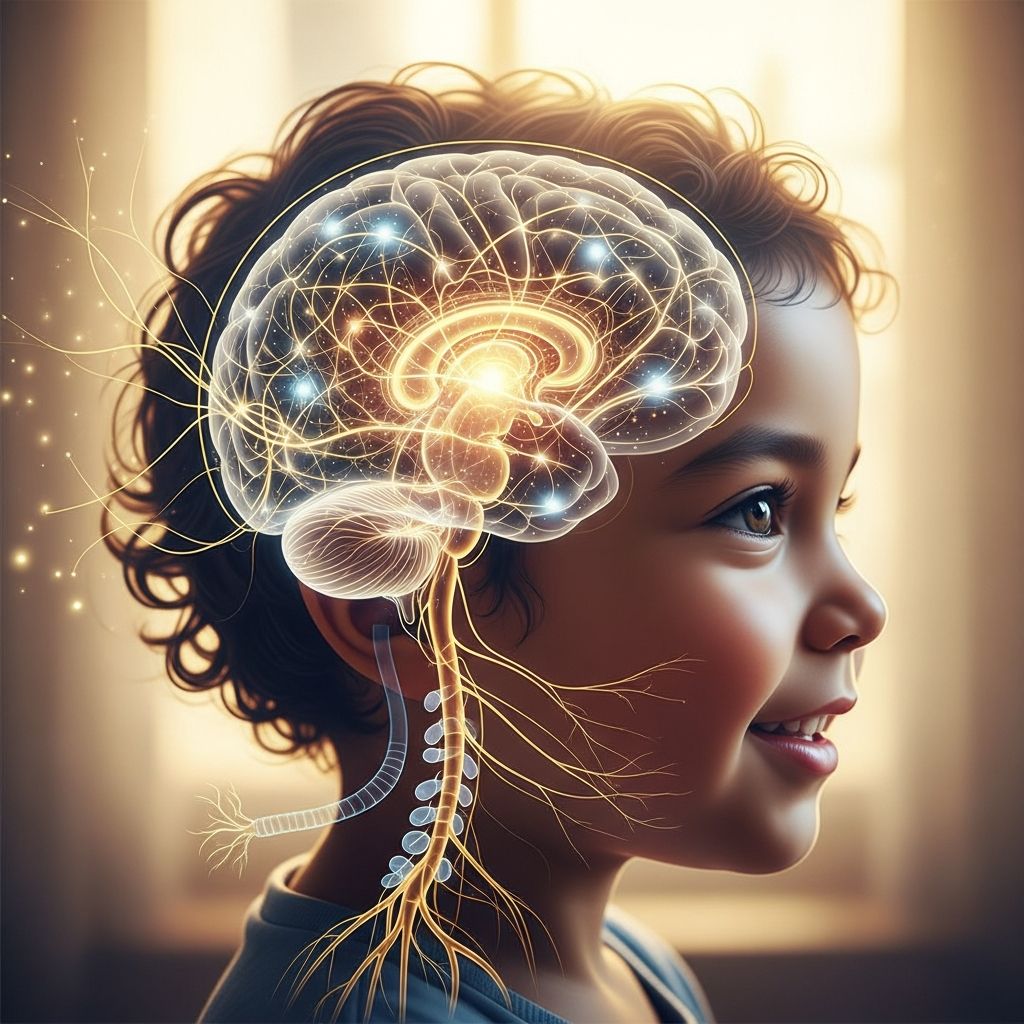
What Is Pediatric Neurology?
Pediatric neurology, also known as child neurology, is a specialized medical field dedicated to diagnosing, treating, and managing disorders affecting the nervous system in infants, children, and adolescents. The nervous system is an intricate network comprising the brain, spinal cord, peripheral nerves, and muscles—systems that control virtually every bodily function, from movement and coordination to learning, memory, mood regulation, speech, and sensory perception. When these systems malfunction, the consequences can significantly impact a child’s development, quality of life, and long-term outcomes.
Unlike general pediatricians or family medicine doctors, pediatric neurologists possess specialized training and expertise in recognizing the subtle signs of neurological dysfunction and implementing targeted interventions. This specialized knowledge allows them to identify problems early, establish appropriate treatment goals, and evaluate the effectiveness of interventions such as physical therapy, medication management, educational support, and counseling.
The Scope of Pediatric Neurological Practice
Pediatric neurologists address a remarkably diverse range of conditions, spanning from relatively common disorders that many families encounter to extraordinarily rare metabolic or genetic conditions requiring specialized expertise. This breadth of practice creates opportunities for neurologists to develop highly specialized clinical careers focused on specific areas of interest.
The conditions treated by pediatric neurologists include:
- Seizure disorders and epilepsy
- Cerebral palsy and movement disorders
- Headaches and migraine syndromes
- Traumatic brain and spinal cord injuries
- Developmental and learning disabilities
- Neuromuscular disorders and muscular dystrophy
- Autism spectrum disorder and behavioral conditions
- Attention-deficit/hyperactivity disorder (ADHD)
- Tourette syndrome and tic disorders
- Birth defects affecting the nervous system
- Stroke and cerebrovascular disorders
- Sleep disturbances and disorders
- Hydrocephalus and fluid accumulation in the brain
- Intellectual and cognitive disabilities
- Speech and language disorders
Many pediatric neurologists further specialize in subspecialties such as neonatal neurology, epilepsy management, headache disorders, neurogenetics, neurodevelopmental disabilities, pediatric stroke, or rare metabolic conditions. This allows them to develop deep expertise in specific areas and offer cutting-edge treatment approaches to their young patients.
Why Early Detection and Intervention Matter
Neurological illness and injury represent principal causes of chronic disability when they occur during childhood, as they can result in abnormal motor and mental development or loss of previously acquired abilities. Many children experience musculoskeletal dysfunction as a consequence of their neurological condition, requiring comprehensive, multidisciplinary approaches to care.
Early recognition of neurological problems is critical because intervention during crucial developmental windows can prevent or minimize long-term complications. The rising survival rates following severe neurological events have increased the demand for long-term rehabilitation services, highlighting the importance of prompt diagnosis and ongoing management. Advanced imaging techniques, such as CT scanning and magnetic resonance imaging (MRI), have dramatically improved the ability to detect neurological diseases, particularly in high-risk populations like premature infants, leading to better outcomes overall.
The Evaluation Process: How Pediatric Neurologists Assess Children
A thorough neurological evaluation begins with gathering comprehensive medical history information. The pediatric neurologist explores whether the condition is congenital (present from birth) or acquired (developed after birth), whether it is chronic or episodic in nature, and whether it remains stable or progressively worsens. Special attention is given to genetic factors, family medical history, and perinatal events such as maternal health, nutrition, medication use, and any exposure to tobacco, alcohol, or drugs during pregnancy.
Observational Assessment
Beyond historical information, pediatric neurologists gather considerable insights through careful observation of the child’s behavior and neuromuscular function. This includes assessing alertness and curiosity, trust or anxiety levels, facial expressions, eye movements, limb coordination, posture, and balance during simple motor activities. The neurologist may also inquire about specific symptoms the child has experienced, such as episodes of weakness, numbness, headaches, tremors, irritability, drowsiness, memory problems, confusion, hallucinations, or loss of consciousness.
Comprehensive Neurological Examination
A complete neurological examination encompasses multiple components that evaluate different aspects of nervous system function:
- Mental Status Evaluation: Assessment of orientation, memory, intellectual function, judgment, and emotional responses (affect)
- Craniospinal Inspection: Physical examination of the skull and spine through palpation, percussion, and listening (auscultation)
- Cranial Nerve Testing: Evaluation of the motor and sensory functions of the head and neck region
- Sensory Testing: Measurement of peripheral sensations, including responses to pinprick, light touch, vibration, and fine joint movements
- Muscular Evaluation: Assessment of muscle strength, tone, and reflex responses; altered tendon reflexes may indicate lower motor neuron lesions, while exaggerated reflexes with abnormal toe responses suggest upper motor neuron involvement
- Coordination Assessment: Testing of balance, fine motor control, and movement coordination
- Autonomic Function Testing: Evaluation of automatic nervous system functions including heart rate, blood pressure, and sweating responses
Recognizing Signs of Neurological Dysfunction
Pediatric neurologists look for specific indicators of nervous system problems, which are categorized as either positive or negative signs. Understanding these signs can help parents recognize when professional evaluation is warranted.
Positive signs represent the presence of abnormal activity and include:
- Sensory deficits or altered sensation
- Pain or discomfort
- Involuntary movements such as tremors, jerky movements, or convulsions
- Unusual behavior or mental confusion
- Muscle weakness and difficulty controlling movement
Negative signs represent loss of normal function and include:
- Paralysis or inability to move
- Lack of response to external stimuli
- Loss of speaking ability
- Loss of consciousness or awareness
Advanced Diagnostic Technologies
Modern pediatric neurology benefits from sophisticated imaging and diagnostic tools that provide detailed information about brain structure and function. Brain-imaging techniques such as CT scanning and magnetic resonance imaging (MRI) have revolutionized the recognition of neurological disease in infants and children. Event-mediated evoked potentials represent another important diagnostic tool, assessing how information travels through specific sensory pathways.
These technological advances enable accurate evaluation of the integrity of visual, auditory, and somatosensory pathways and can uncover single or multiple lesions within the brain stem and cerebrum. Particularly significant is the ability of CT scanning and ultrasound to detect clinically silent intracranial bleeding in premature infants, allowing for early intervention before symptoms develop.
The Role of Pediatric Neurologists in Multidisciplinary Care
Pediatric neurologists work collaboratively with other healthcare professionals to provide comprehensive, individualized care for each patient. This multidisciplinary approach may include physical therapists, occupational therapists, speech-language pathologists, psychologists, educators, and other specialists. By coordinating care across multiple disciplines, neurologists ensure that children receive integrated treatment addressing all aspects of their condition.
In many academic medical centers, pediatric neurologists engage in laboratory-based or clinical research, advancing understanding of childhood neurological conditions and developing new treatment approaches. Some neurologists hold both MD and PhD degrees or possess other advanced research training, allowing them to contribute to scientific advancement while maintaining clinical practice.
When to Seek Pediatric Neurological Care
Parents and primary care physicians should consider a referral to a pediatric neurologist when a child shows signs of a possible neurological disorder. While some conditions manifest with obvious symptoms, others may present with subtle developmental delays or behavioral changes. Conditions warranting neurological evaluation include:
- Recurrent or unexplained seizures
- Developmental delays in motor or cognitive milestones
- Persistent headaches or migraines
- Significant behavior or learning difficulties
- Balance or coordination problems
- Unexplained muscle weakness or tone abnormalities
- Sleep disturbances affecting daily functioning
- Head or spinal cord injuries
- Speech or language difficulties beyond typical developmental variation
In some instances, parents may seek pediatric neurological care directly without a referral from their child’s primary care physician if they recognize concerning signs. Pediatric neurologists have specialized training and equipment necessary for diagnosing and treating unusual neurological disorders safely and effectively.
Subspecialties Within Pediatric Neurology
As the field has evolved, pediatric neurologists have developed expertise in increasingly specific areas:
- Neonatal Neurology: Specialized care for newborns and very young infants with neurological conditions
- Epilepsy and Seizure Disorders: Diagnosis and management of intractable or complex seizure conditions
- Headache and Migraine: Treatment of pediatric headache syndromes and migraine disorders
- Neurogenetics: Evaluation and management of genetic neurological disorders
- Neurodevelopmental Disabilities: Assessment and treatment of developmental delay and autism spectrum disorders
- Neuromuscular Diseases: Care for muscular dystrophies and peripheral nerve disorders
- Pediatric Stroke: Specialized management of cerebrovascular events in children
- Behavioral and Psychiatric Neurology: Treatment of Tourette syndrome, ADHD, and other neurobehavioral conditions
Frequently Asked Questions
What is the difference between a pediatrician and a pediatric neurologist?
While pediatricians provide general medical care for children, pediatric neurologists have specialized training in diagnosing and treating nervous system disorders. Pediatricians often refer children to neurologists when specific neurological concerns arise.
How long does a pediatric neurological evaluation typically take?
Initial evaluations are comprehensive and may take 45 minutes to over an hour, depending on the complexity of the child’s condition and the extent of diagnostic testing required.
Will my child need imaging tests like MRI or CT scans?
Not all children require imaging; it depends on the specific condition and clinical findings. The pediatric neurologist will determine whether imaging is necessary based on the evaluation.
Can pediatric neurologists treat conditions other than seizures?
Yes, pediatric neurologists treat a wide range of conditions affecting the nervous system, from developmental disabilities and learning disorders to behavioral conditions and neuromuscular diseases.
What should I expect at my child’s first neurology appointment?
Your child’s first appointment will include a detailed medical history, behavioral observation, and a comprehensive neurological examination. The neurologist may recommend diagnostic tests and discuss treatment options and goals.
Do pediatric neurologists work with other specialists?
Yes, pediatric neurologists collaborate with various healthcare professionals, including physical therapists, psychologists, educators, and other specialists to provide comprehensive care.
References
- Pediatric Neurology — EBSCO Research Starters. 2024. https://www.ebsco.com/research-starters/health-and-medicine/pediatric-neurology
- The Field of Child Neurology — Child Neurology Foundation. 2024. https://www.childneurologyfoundation.org/providers-or-researchers/the-field-of-child-neurology/
- Pediatric Neurology — UC Davis Health. 2024. https://health.ucdavis.edu/conditions/pediatric-neurology
- What Is Pediatric Neurology? — NeuroCenter NJ. 2024. https://www.neurocenternj.com/blog/what-is-pediatric-neurology/
- Child and Adolescent Neurology — Mayo Clinic Department of Neurology. 2024. https://www.mayo.edu/research/departments-divisions/department-neurology/research/child-and-adolescent-neurology
- What Is a Pediatric Neurologist? — UCSF Benioff Children’s Hospitals. 2024. https://www.ucsfbenioffchildrens.org/education/what-is-a-pediatric-neurologist