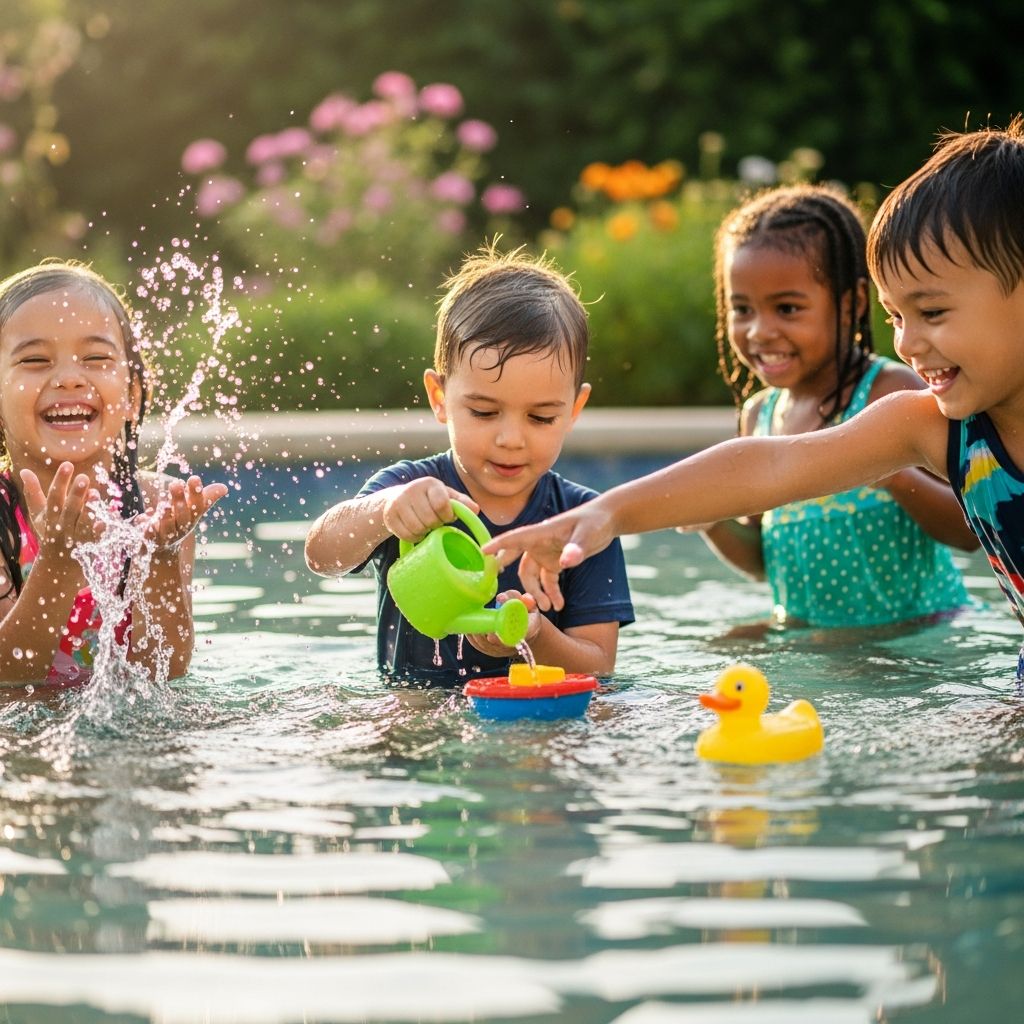
Water has a remarkable way of inviting children to explore, experiment, and push their own boundaries. A simple bin of water in the kitchen or a puddle in the yard can turn into a powerful learning lab for courage, curiosity, and connection. This guide shows how to transform everyday water play into confidence-building moments you and your child will both enjoy.
Why Water Play Matters More Than It Looks
To an adult, water play can look like splashing and spills. To a child, it is a full-body experience that engages the senses, tests new skills, and offers a safe place to take small risks. Those little risks—stepping into a bigger puddle, pouring from a heavier container, or trying a new texture—are where confidence grows.
When children see that they can manage mess, adjust to new sensations, and cope with tiny frustrations during play, they start to believe, “I can handle more than I thought.” That belief carries into other parts of life, from starting school to meeting new people.
Core Benefits of Water-Based Play
- Sensory development: Different temperatures, textures, and water pressures stimulate touch, sight, and sound in a safe way.
- Fine motor skills: Scooping, pouring, squeezing, and stirring build hand strength and coordination.
- Problem-solving: Children experiment with cause and effect—what sinks or floats, how fast water drains, or what happens if they block the flow.
- Emotional regulation: Repetitive motions like pouring and splashing can be calming, helping kids discharge energy and relax.
- Social skills: When more than one child is involved, they practice sharing tools, taking turns, and negotiating space.
Setting Up a Confidence-Boosting Water Play Zone
You don’t need a fancy backyard or specialized equipment. Thoughtful setup is more important than having the “perfect” space. Begin with a small, contained area and build up as your child gets more comfortable.
Basic Setup Ingredients
- Container: Large plastic bin, dishpan, baking tray, baby bathtub, or a low storage box.
- Ground protection: Old towels, a plastic tablecloth, shower curtain liner, or outdoor grass/patio.
- Water source: Pitcher, measuring cup, or gentle hose setting. Lukewarm water is usually most comfortable.
- Tools: Plastic cups, ladles, funnels, spoons, colanders, recycled containers with holes punched in the lids.
- Clean-up plan: A small bucket, mop, extra towels, and a change of clothes nearby for your child.
Comfort and Safety First
- Use a non-slip mat or textured surface indoors to reduce slipping.
- Stay within arm’s reach of young children; even shallow water requires active supervision.
- Dress your child in clothes that can get wet, plus a cozy layer ready for afterward.
- Keep water depth shallow—just enough to scoop and splash.
Age-by-Age Water Play Ideas
Each age group brings different interests and abilities. Adjust the tools and complexity so your child can feel successful while still facing small, manageable challenges.
For Babies (6–18 Months): Gentle Sensory Discoveries
Babies don’t need elaborate setups to enjoy water. Focus on simple sensory experiences that let them explore with hands and feet, always closely supervised.
- Toe dips and hand splashes: Sit your baby on your lap with feet in a shallow bin. Let them kick and pat the surface while you describe what is happening.
- Floating friends: Add a few lightweight toys that bob on the surface, encouraging grasping and tracking with their eyes.
- Drip and drizzle: Slowly pour water from your fingers or a small spoon onto their hands or legs, watching their reactions.
For Toddlers (18–36 Months): Big Feelings, Big Splashes
Toddlers are often drawn to bold actions—pouring, stomping, and testing limits. Channel that energy into structured activities that still feel wild and fun.
- Pouring practice station: Offer a few containers of different sizes and challenge your toddler to transfer water from one to another.
- Color mixing fun: Add a drop of food coloring to separate cups of water and let your child pour them together to discover new colors.
- Colander rain: Fill a container, then scoop water with a colander to show how “rain” falls through the holes.
For Preschoolers (3–5 Years): Experiments and Imagination
Preschoolers love adding stories and logic to their play. Offer opportunities to test ideas, build pretend worlds, and manage more responsibility for setup and clean-up.
- Sink-or-float lab: Collect small objects (plastic animals, spoons, corks) and let your child guess what will sink or float before testing.
- Mini car wash or toy spa: Provide sponges and small brushes so your child can “wash” dolls, cars, or action figures.
- River building: Outside, create a simple “river” using a shallow gutter or lined trench, and let your child redirect the flow with stones and sticks.
Ideas for Different Spaces: Indoors, Bath, and Outdoors
No matter where you live, there is a way to make water play work. Choose the space that feels easiest to manage, especially when you’re just getting comfortable with mess.
Indoor-Friendly Water Play
- Place a bin of water on a low table or the floor with towels underneath.
- Use just a few inches of water and smaller tools to limit splashing distance.
- Turn clean-up into a game, asking your child to help wring out cloths or carry items to the sink.
Reimagining Bath Time
- Rotate a small collection of bath-only toys to keep things fresh without overwhelming the tub.
- Introduce simple routines: first wash, then experiment and play, then a calming rinse.
- Let older toddlers “help” by rinsing themselves with a small cup to build independence.
Outdoor Splash Opportunities
- Use a shallow bin or kiddie pool with strict rules about staying seated if slipping is a concern.
- Offer large brushes and a bucket of water so kids can “paint” fences, walls, or the patio.
- On cooler days, limit water time but keep the fun with boots, raincoats, and quick puddle stomps.
Balancing Mess and Sanity
One of the biggest reasons parents avoid water play is fear of chaos. A bit of planning and a few simple rules can keep things enjoyable instead of stressful.
- Define boundaries: Point out clearly where water is allowed and what needs to stay dry.
- Start small: Begin with short sessions and a modest amount of water; you can always add more if it’s going well.
- Use visual cues: Tape on the floor, a towel “island,” or a mat can help kids understand their play zone.
- End on a calm note: Give a five-minute warning before ending, then move to a quieter activity like reading or snuggling.
Safety and Hygiene Essentials
Water play should feel adventurous, but never risky. Keep your child’s age and temperament in mind as you choose activities and water levels.
- Stay with your child at all times, even with very shallow water.
- Avoid slippery soaps or oils in play water unless you are ready to manage the extra risk.
- Use clean containers and empty them after each session to prevent standing water.
- In hot weather, limit time in direct sun and offer frequent shade and drinks.
Helping Hesitant Kids Learn to Enjoy Water
Not every child is eager to splash. Some dislike the sensation of water on their face or feel nervous around even shallow containers. Pushing too hard can backfire, but gentle, consistent experiences can reduce anxiety over time.
- Let your child control the pace, starting with just watching or touching with one finger.
- Offer dry tools like cups or spoons first, and invite them to manipulate the water indirectly.
- Use language that validates their feelings: “It’s okay to feel unsure. We’ll go slowly.”
- Celebrate tiny steps, like touching water briefly or standing near a puddle without retreating.
Sample Water Play Matrix for Busy Parents
The table below offers quick ideas based on how much time and energy you have on a given day.
| Time Available | Energy Level | Simple Activity | Cleanup Effort |
|---|---|---|---|
| 5–10 minutes | Low | Hand rinsing at the sink with a cup and spoon. | Minimal: Wipe counter and dry hands. |
| 15–20 minutes | Medium | Tabletop bin with two containers for pouring practice. | Moderate: Dry floor towel and put tools in a colander to drip dry. |
| 30 minutes | High | Outdoor mini car wash or toy spa with sponges and brushes. | Higher: Rinse toys, dump bin, hang towels to dry. |
Building Confidence Through Your Reactions
The way you respond during water play shapes how your child experiences it. Calm, curious responses teach kids that mistakes and small messes are manageable, not disasters. When spills happen—and they will—treat them as part of the process, not as failures.
- Describe what you see instead of judging: “The water splashed onto the floor. Let’s grab a towel.”
- Offer choices: “Do you want to keep playing for three more minutes or help me dry things now?”
- Use encouraging feedback focused on effort: “You kept trying until you poured without spilling much.”
Making Water Play Inclusive and Accessible
Every child’s body and abilities are different. Water play can be adapted so that children with mobility, sensory, or developmental differences can participate and benefit.
- Adjust bin height using a sturdy table or stand so a seated child can comfortably reach.
- Offer a mix of tools that require different strengths and motions, from light sponges to larger scoops.
- Allow noise-sensitive children to wear earmuffs or choose quieter activities like gentle pouring instead of vigorous splashing.
- Check in regularly about comfort, and adjust temperature and intensity as needed.
Quick Water Play Prompts You Can Use This Week
When your brain feels too tired to invent new games, rely on simple prompts. Keep a short list on your fridge or phone so you can pick one without overthinking.
- “What can we wash today?” (Toys, rocks, shells, toy dishes)
- “Can we make it rain?” (Use colanders, bottles with holes, or fingers.)
- “What floats on our lake?” (Test different items from around the house.)
- “Can you fill this cup without spilling?” (Challenge older toddlers and preschoolers.)
Frequently Asked Questions About Water Play and Confidence
How often should I offer water play?
There is no strict rule, but many families find that even one or two short sessions a week make a noticeable difference in their child’s comfort and skills. The goal is consistency, not perfection; think in terms of small, repeatable rituals rather than elaborate setups every day.
What if my child refuses to participate?
Respect their no while leaving the door open. Allow them to watch from nearby, handle dry tools, or decide when to stop. Over time, gentle exposure without pressure often works better than trying to “convince” them to jump in before they’re ready.
How do I prevent water play from taking over my whole house?
Choose one or two designated zones where water play is allowed and stick to them. Use visual markers like mats, towels, or taped borders to define the play area, and give a clear routine for how play begins and ends, including clean-up steps that your child can help with.
Is it okay if my child gets upset during water play?
Yes. Frustration is a natural part of learning. When your child struggles to pour without spilling or feels uncomfortable with new sensations, stay close, acknowledge their feelings, and offer small adjustments. Supporting them through those moments is one of the ways water play actually builds resilience.
Do I need special toys for these activities?
Specialized toys are optional. Household items like plastic cups, spoons, sponges, measuring jugs, and empty containers work beautifully. Rotating a small selection of familiar tools often keeps play engaging without the need for constant new purchases.
Bringing It All Together
Water play is more than a way to pass a rainy afternoon. It’s a practical, low-cost tool for helping your child feel capable, brave, and connected to you. By starting small, setting clear boundaries, and treating mess as part of the adventure, you create an environment where splashes turn into skills—and everyday moments become memories your child will carry long after the towels have dried.