Proper nail maintenance is a fundamental aspect of pediatric hygiene that safeguards children from infections and injuries while promoting overall well-being. Nails, composed primarily of keratin, serve as protective barriers for fingertips and toes, growing steadily throughout childhood.
Understanding Nail Anatomy and Growth in Young Ones
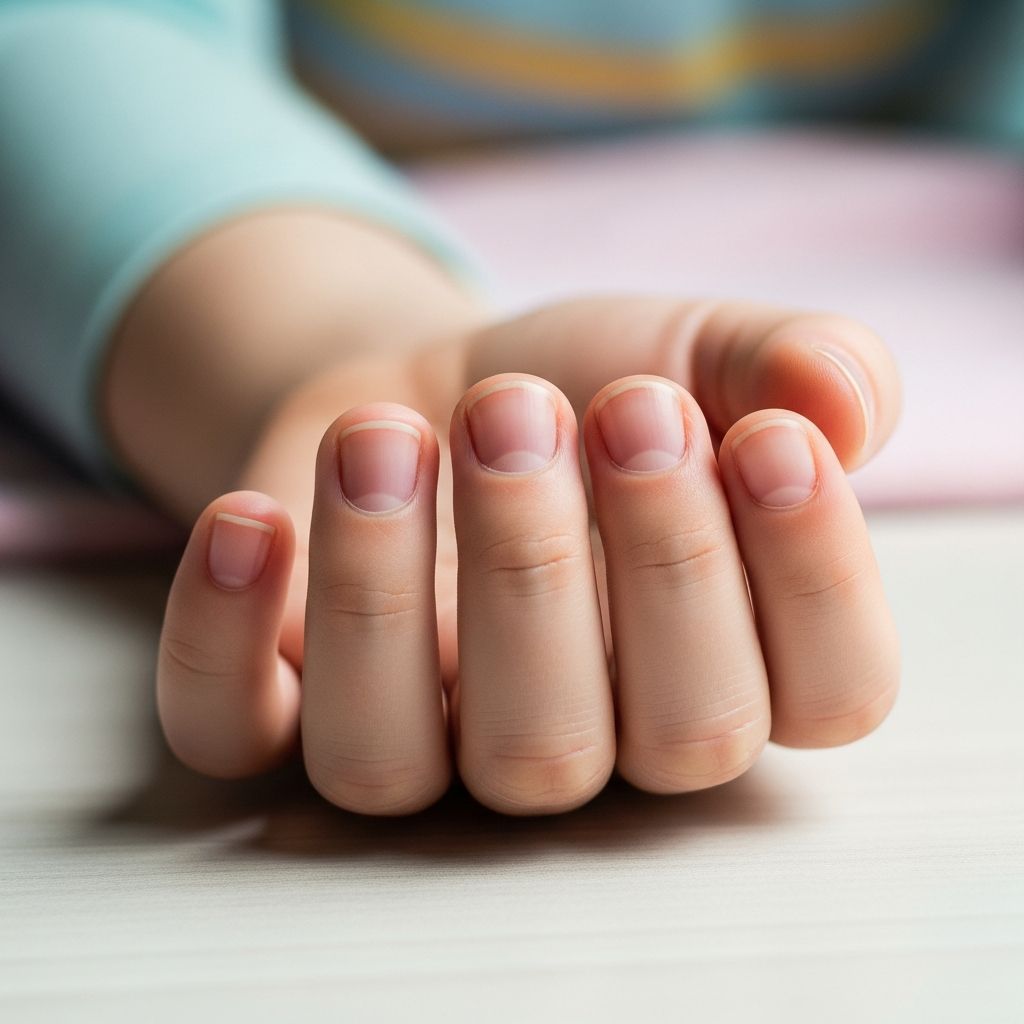
Fingernails and toenails originate from the nail matrix, a hidden area beneath the skin where new cells form and push outward. This process results in nails that are smooth, translucent, and pinkish due to underlying blood vessels. The whitish crescent-shaped area at the base, known as the lunula, is most visible on thumbs and indicates active growth.
In children, fingernails advance approximately 2.5 to 3 millimeters per month, taking 3 to 6 months for full replacement, while toenails grow slower at about one-third that rate. Infants exhibit rapid nail growth, necessitating frequent attention to prevent self-scratching, whereas older kids’ nails harden and require consistent care to avoid brittleness from environmental factors.
- Nail root: Generates new cells for growth.
- Nail bed: Provides nourishment and color.
- Cuticle: Seals the nail edge against bacteria.
- Free edge: The visible tip that extends beyond the fingertip.
Age-Appropriate Trimming Techniques
Trimming stands as the cornerstone of nail care, reducing opportunities for dirt accumulation and scratches. For newborns and babies, perform trims during sleep using baby-specific clippers or an emery board to file softly, as their nails are pliable and grow quickly.
Toddlers benefit from straight-across cuts on fingernails to deter ingrown edges, done post-bath when nails are softer. Parents should supervise until age 9 or 10, then teach children proper use of clippers and files.
| Age Group | Recommended Tools | Frequency | Tips |
|---|---|---|---|
| Infants (0-12 months) | Baby clippers, emery board | Every 1-2 weeks | Trim while sleeping; file edges smooth. |
| Toddlers (1-5 years) | Child-sized scissors, clippers | Weekly | Straight cuts; post-bath for softness. |
| School-age (6-12 years) | Standard clippers, file | Every 1-2 weeks | Teach self-trimming; round toe corners. |
| Teens (13+) | Adult tools | As needed | Encourage hygiene habits independently. |
Avoid curved cuts on toes to prevent ingrowth, and always disinfect tools between uses.
Daily Hygiene Practices for Lasting Strength
Beyond trimming, instill habits like thorough handwashing under nails with mild soap, followed by moisturizing cuticles with fragrance-free lotions to combat dryness. Discourage nail biting or picking, which compromises the nail bed and invites germs; suggest fidget toys as alternatives.
For active children, protect nails during play: gloves for wet chores, fitted shoes to avoid pressure, and daily sock changes to minimize fungal risks. In public areas like pools, flip-flops prevent infections from contaminated surfaces.
Nutritional Foundations for Robust Nails
A diet rich in proteins, biotin, vitamins A, B6, C, D, and minerals underpins nail integrity. Incorporate eggs, nuts, bananas, leafy greens, fruits, and sunlight exposure for vitamin D synthesis.
- Protein: Keratin building block from meats, dairy, legumes.
- Biotin: Strengthens brittle nails; found in eggs, avocados.
- Vitamin C: Aids collagen for nail bed health; citrus, berries.
- Zinc & Iron: Prevent white spots or ridges; meats, spinach.
Limit exposure to harsh removers or polishes, opting for non-acetone formulas if used.
Recognizing and Managing Nail Injuries
Childhood vigor often leads to trauma like slammed doors causing subungual hematomas—purple bruises under the nail. Monitor for severe pain, swelling, or mobility issues; seek professional drainage if needed, never at home.
Loose nails from injury will regrow over weeks to months. Apply ice initially and keep clean.
Frequent Nail Disorders in Pediatrics
Pediatric nails face unique challenges:
- Ingrown toenails: From tight shoes or improper cuts; soak in warm water, wear loose footwear.
- Onychomycosis (fungal infection): Thick, yellow nails; requires antifungal meds.
- Brittleness: Due to frequent washing or deficiencies; moisturize and balance diet.
- Paronychia: Red, pus-filled cuticles from bacteria; warm soaks and antibiotics if persistent.
- Nutritional markers: Ridges or discoloration signaling deficiencies.
Habits like thumb-sucking alter nail shape; behavioral strategies help cessation.
Red Flags: When Professional Care is Essential
Consult a pediatrician or dermatologist for:
- Persistent pain, redness, or pus.
- Lifting nails or non-healing trauma.
- Thickening, pitting, dark streaks, or crumbling—potential systemic signs.
- Recurrent infections or growth abnormalities.
Early intervention prevents complications.
Frequently Asked Questions (FAQs)
Q: How often should I trim my infant’s nails?
A: Every 1-2 weeks or as needed to prevent scratching; use safe tools during sleep.
Q: Can nail polish harm children’s nails?
A: Frequent use dries nails; choose gentle, infrequent applications and moisturize after.
Q: What causes white spots on kids’ nails?
A: Usually minor trauma; persistent spots warrant nutritional checks.
Q: How to stop a child from biting nails?
A: Identify triggers, use bitter polishes, positive reinforcement, and stress management.
Q: Are ingrown toenails common in active kids?
A: Yes, from sports shoes; proper trimming and fit prevent most cases.
Building Lifelong Healthy Nail Routines
Empower children by modeling care: regular checks, balanced meals, and protective measures foster resilience. Routine inspections catch issues early, linking nail health to broader wellness.
By integrating these practices, parents ensure nails remain strong sentinels, reflecting vibrant health through every growth stage.
References
- Finger and Toenail Care for Kids — Nationwide Children’s Hospital. 2025-05-01. https://www.nationwidechildrens.org/family-resources-education/700childrens/2025/05/finger-and-toenail-care-for-kids
- Your Nails (for Kids) — Nemours KidsHealth. Accessed 2026. https://kidshealth.org/en/kids/your-nails.html
- Teaching your child healthy nail care — American Academy of Dermatology (AAD). 2023-11-14. https://www.aad.org/public/everyday-care/nail-care-secrets/basics/nail-care
- Nail Care: Fingers and Toes — American Academy of Pediatrics (HealthyChildren.org). Accessed 2026. https://www.healthychildren.org/English/ages-stages/baby/bathing-skin-care/Pages/Nail-Care-Fingers-and-Toes.aspx
- 7 fingernail problems not to ignore — Mayo Clinic. Accessed 2026. https://www.mayoclinic.org/healthy-lifestyle/adult-health/in-depth/7-fingernail-problems-not-to-ignore/art-20546860