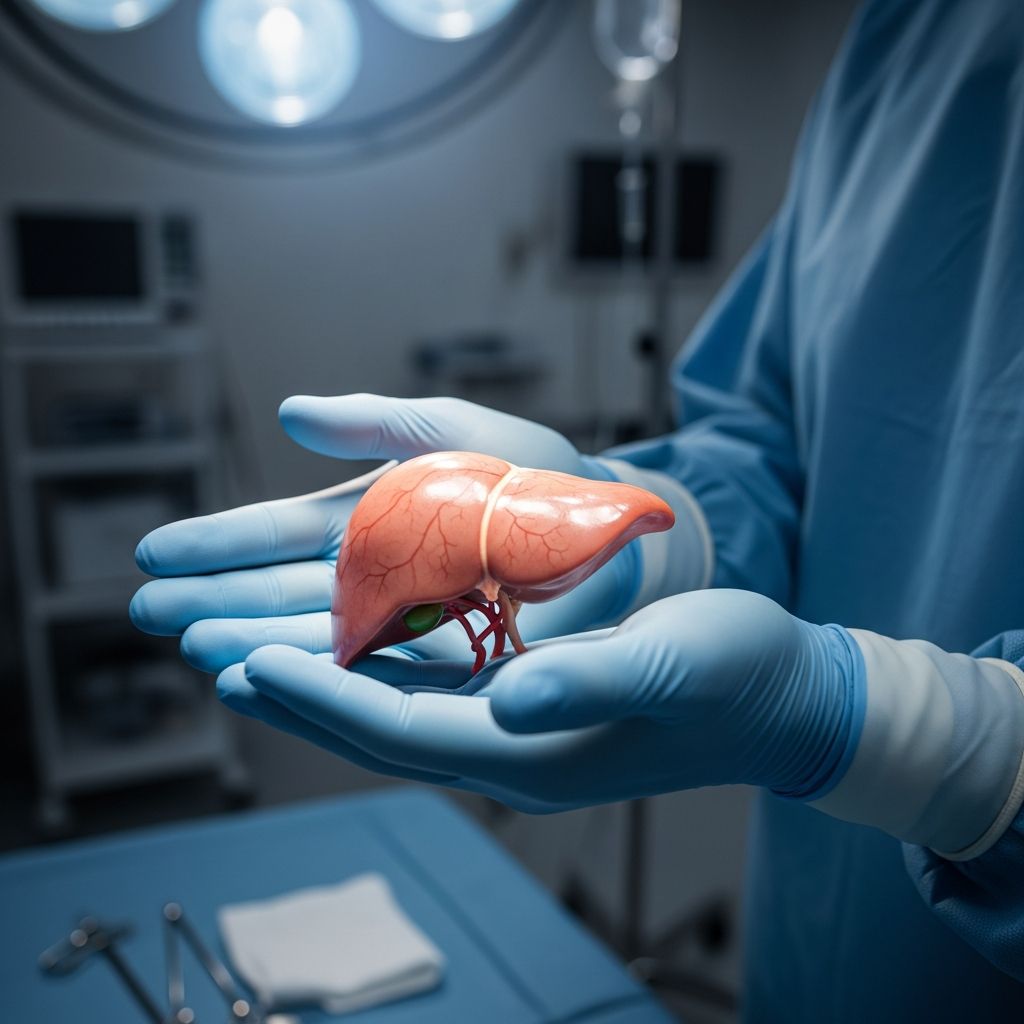
Introduction to Pediatric Liver Transplantation
When a child develops serious liver disease that cannot be managed through medication or other treatments, a liver transplant may become a necessary life-saving intervention. Pediatric liver transplantation is a surgical procedure in which a child’s damaged or diseased liver is replaced with a healthy liver from a donor. This major surgical procedure offers children and their families hope for improved health and a longer, more fulfilling life. Understanding the process, from initial evaluation through recovery, helps families prepare for this significant medical journey.
When Is a Liver Transplant Necessary for Children?
A liver transplant becomes a viable option when a child’s liver can no longer perform its essential functions due to disease or damage. Children with progressive liver failure, cirrhosis, or conditions that cause permanent liver damage may benefit from transplantation. Common conditions requiring transplant in pediatric patients include biliary atresia, hepatic cirrhosis, acute liver failure, and inherited metabolic disorders affecting the liver. The decision to proceed with transplantation is made carefully by the medical team in consultation with the child’s family, weighing the risks and benefits of the procedure against the child’s current health status.
Sources of Donor Livers for Pediatric Patients
Donor livers for pediatric transplant recipients can come from several sources, each with distinct advantages:
- Deceased Donor Organs: A whole liver from a person who has recently died can be transplanted into a child. Families are placed on a waiting list and receive a call when an appropriate organ becomes available.
- Living Donor Transplantation: Family members or others close to the child can be evaluated as potential donors. A living donor typically provides a portion of their liver, usually between 20 and 25 percent, which is surgically removed and transplanted into the child. Both the transplanted portion and the donor’s remaining liver will regrow to normal size due to the liver’s remarkable regenerative capacity.
- Split Liver Transplants: In some cases, a deceased donor liver can be divided into segments for use by two recipients, often a child and another patient. This approach maximizes the benefit from each donated organ and allows two children to receive life-saving transplants from one donor.
- Reduced Size Transplants: Since children are smaller than adults, they typically require only a portion of an adult donor liver. This means that adult-to-child living donations can be both successful and safe for the adult donor.
The Transplant Evaluation Process
Before a child can be listed for transplantation, a comprehensive evaluation must be completed by the transplant team. This evaluation process is essential for determining the risks and benefits of transplantation and identifying any potential problems that could affect surgical outcomes.
The evaluation typically includes multiple medical tests and assessments:
- Blood tests to assess liver function, immune status, and overall health markers
- Imaging studies including chest X-rays and abdominal ultrasound or CT scans to evaluate liver condition and anatomy
- Cardiac evaluation through electrocardiogram to ensure the heart can tolerate surgery
- Pulmonary function tests to assess breathing capacity
- Infectious disease screening, including tests for viral exposures
- Tuberculosis testing if not recently completed
During this evaluation phase, the child meets with multiple healthcare professionals from the transplant center, including transplant surgeons, hepatologists, anesthesiologists, nurses, social workers, and psychologists. Each specialist contributes to determining whether transplantation is appropriate and identifying any additional support the family may need throughout the process.
Waiting for a Donor Organ
For families pursuing deceased donor transplantation, the waiting period can be both emotionally challenging and medically critical. During this time, children receive ongoing medical management to support liver function and overall health. The transplant team provides nutritional support, medications to manage symptoms, and regular monitoring of the child’s condition. Families must remain prepared to come to the hospital on short notice when an appropriate organ becomes available. Living donor transplantation can significantly shorten this waiting period since the surgery date can be scheduled in advance once a suitable donor is identified and evaluated.
Pre-Surgical Preparation and Hospital Arrival
When a donor liver becomes available or a surgery date is scheduled for living donor transplantation, the child and family arrive at the hospital for final preparations. The medical team performs last-minute assessments to ensure the child is in optimal condition for surgery. When the family arrives on the patient unit, healthcare staff establish an intravenous line through which the child receives fluids and medications. Blood samples are drawn for final testing, and the anesthesiologist and transplant surgeon meet with the family to review the surgical procedure and answer any questions. Standard surgical and anesthesia consent forms are signed, formally authorizing the medical team to proceed.
The Surgical Procedure Explained
Liver transplant surgery is a complex and lengthy procedure that requires coordination among multiple surgical specialists. The operation typically lasts between six and twelve hours, depending on the child’s individual circumstances and the complexity of the case.
Anesthesia and Initial Setup
Before surgery begins, the operating room team prepares the child thoroughly. One hour before the scheduled procedure, staff members call for the child and begin preparation in the operating room. The anesthesiologist administers medication through the intravenous line to help the child fall into a deep sleep. Once sedated, the anesthesiologist inserts a breathing tube into the child’s lungs, which connects to a ventilator to assist breathing throughout the procedure. Additional IV lines are placed for fluid and medication administration, and a central line may be inserted into a large neck vein for blood draws and medication delivery. An arterial line is placed to continuously monitor blood pressure, and a catheter is inserted into the bladder to drain urine during surgery. Throughout the operation, the anesthesia team continuously monitors the child’s heart rate, blood pressure, breathing, and blood oxygen levels.
Removing the Diseased Liver
Once the child is properly anesthetized and prepared, the pediatric surgeon begins the operation. The surgical site is cleaned with antiseptic solution, and sterile drapes are placed to maintain a clean operating field. The surgeon makes an incision across the upper portion of the child’s abdomen, providing access to the liver. The diseased liver is carefully disconnected from the blood vessels and the gastrointestinal tract, then removed from the body. The removed organ is sent to the laboratory for examination. The surgeon takes care to preserve the major blood vessels in place, which will be used to connect the new liver.
Implanting the New Liver
The healthy donor liver is positioned in the child’s abdomen and carefully connected to the existing blood vessels. Once all the major blood vessels are properly connected and blood begins flowing into the new liver, it typically turns pink and becomes warm and soft, indicating that perfusion is successful. The surgeon then connects the bile ducts. For children who have undergone a Kasai procedure (a surgical technique for biliary atresia), the surgeon connects a small intestinal segment fashioned as a bile duct during that earlier procedure to the donor liver’s bile ducts. For other children, the surgeon connects the donor liver’s bile ducts directly to the child’s bile ducts. The surgeon verifies all connections to ensure there are no leaks. If necessary, the child may receive blood products during the operation to replace any blood loss. Once the procedure is complete, the abdominal incision is closed using surgical staples or absorbable sutures.
Hospital Recovery and Post-Surgical Care
Immediately after surgery, the child is transferred to the Pediatric Intensive Care Unit for close monitoring and specialized care. Most children remain hospitalized for approximately ten to fifteen days following transplant surgery. The first several days in the PICU are critical, as the medical team closely monitors liver function, vital signs, and overall recovery.
During the PICU stay, nurses and doctors assess:
- Liver function through regular blood tests
- Vital signs including heart rate, blood pressure, and oxygen saturation
- Fluid balance and kidney function
- Wound healing and incision site
- Pain management and comfort
- Signs of infection or rejection
As the child’s condition stabilizes, typically within three to five days, they are transferred to the general pediatric ward for the remainder of their hospital stay. During this transition period, the child continues to receive IV fluids, medications, and nutritional support. Physical therapy may begin to help restore strength and mobility. Before discharge, the family receives detailed instructions about medications, dietary restrictions, activity limitations, and follow-up appointments.
Long-Term Immunosuppression and Medication Management
After leaving the hospital, the child must take immunosuppressive medications for life to prevent the immune system from rejecting the transplanted liver. These medications require careful management and regular monitoring through blood tests. The transplant team educates families about medication schedules, potential side effects, and the importance of adherence. Regular follow-up appointments are scheduled to monitor the new liver’s function and adjust medications as needed. Families learn to recognize signs of rejection or infection and understand when to seek immediate medical attention.
Benefits and Expected Outcomes
A successful liver transplant offers significant benefits for children with end-stage liver disease. Children typically experience improved overall health, increased energy levels, and the ability to participate in normal childhood activities. Many children return to school and enjoy an improved quality of life. A transplanted liver can function for many years, extending the child’s lifespan significantly compared to untreated liver failure. With modern immunosuppressive medications and improved surgical techniques, pediatric liver transplant outcomes continue to improve.
Emotional and Psychological Support
The transplant journey affects not only the child but the entire family. Transplant centers recognize the emotional demands of this experience and provide comprehensive support services. Social workers, psychologists, and support groups help families cope with anxiety, stress, and uncertainty. Children may benefit from age-appropriate counseling to process their experience and adjust to life with a transplanted organ. Many centers offer family support programs, educational resources, and opportunities to connect with other transplant families who understand the unique challenges of this medical journey.
Living Donor Considerations
Families considering living donor transplantation must understand both the benefits and risks for the donor. Adult living donors typically provide 20 to 25 percent of their liver, which is the minimum amount needed for a pediatric recipient. The donor’s liver regenerates to normal size within several weeks, and the transplanted portion also grows to appropriate size for the child. Living donor transplants eliminate waiting time and can be scheduled in advance, which reduces the child’s illness during the waiting period. However, the donor undergoes major abdominal surgery with associated risks, including infection, bleeding, and bile duct complications. Extensive evaluation and informed consent are essential before proceeding with living donor transplantation.
Frequently Asked Questions
How long does the liver transplant surgery take?
Liver transplant surgery typically lasts between six and twelve hours, depending on the complexity of the child’s case and individual anatomical factors. The transplant team will provide updates to the family throughout the procedure.
Will my child’s new liver function immediately after transplant?
Most transplanted livers begin functioning within hours of surgery, though some may take days to achieve full function. The transplant team monitors liver enzymes and function through regular blood tests during recovery.
How long will my child need to take immunosuppressive medications?
Immunosuppressive medications must be taken for life after transplant. These medications prevent the immune system from rejecting the donated liver. Regular blood tests monitor medication levels and adjust doses as needed.
Can my child return to normal activities after recovery?
Most children gradually return to normal activities, including school and play, as they recover. Activity restrictions exist initially but are lifted as healing progresses. The transplant team provides specific guidelines for each child.
What is the success rate of pediatric liver transplants?
Modern pediatric liver transplant outcomes are excellent, with most transplanted organs functioning successfully for many years. Survival rates continue to improve with advances in surgical techniques and immunosuppressive medications.
Is living donor liver transplant safe for the donor?
Living donor liver transplant is considered relatively safe when performed at experienced centers. The donor’s liver regenerates to normal size, and the risk of serious complications is low. However, all surgery carries some risk, and thorough evaluation is essential.
How often will my child need follow-up appointments after transplant?
Follow-up appointments are frequent initially and gradually space out over time. Children typically have weekly or monthly appointments during the first year, then annual visits once stable. Regular blood work monitors liver function and medication levels.
References
- Pediatric Liver Transplants — Yale Medicine. 2024. https://www.yalemedicine.org/conditions/pediatric-liver-transplants
- Liver Transplant in Children — Children’s Hospital of Philadelphia. 2024. https://www.chop.edu/treatments/liver-transplant
- Liver Transplant for Children — Stanford Medicine Children’s Health. 2024. https://www.stanfordchildrens.org/en/topic/default?id=liver-transplant-for-children-90-P02007
- Liver Transplant in Children — Cincinnati Children’s Hospital. 2024. https://www.cincinnatichildrens.org/health/l/liver-transplant-pediatric
- Pediatric Liver Transplant — Miami Transplant Institute. 2024. https://transplant.jacksonhealth.org/programs/pediatric-liver-transplant/
- Pediatric Liver Transplant — University Health, San Antonio. 2024. https://www.universityhealth.com/pediatrics/services/transplant/liver