Pediatric interventional radiology represents a vital advancement in child healthcare, employing advanced imaging technologies to perform precise, minimally invasive procedures. These techniques allow specialists to diagnose and treat a wide array of conditions in infants, children, and adolescents without the need for large surgical incisions, reducing pain, recovery time, and overall risk.
Understanding Minimally Invasive Techniques in Child Medicine
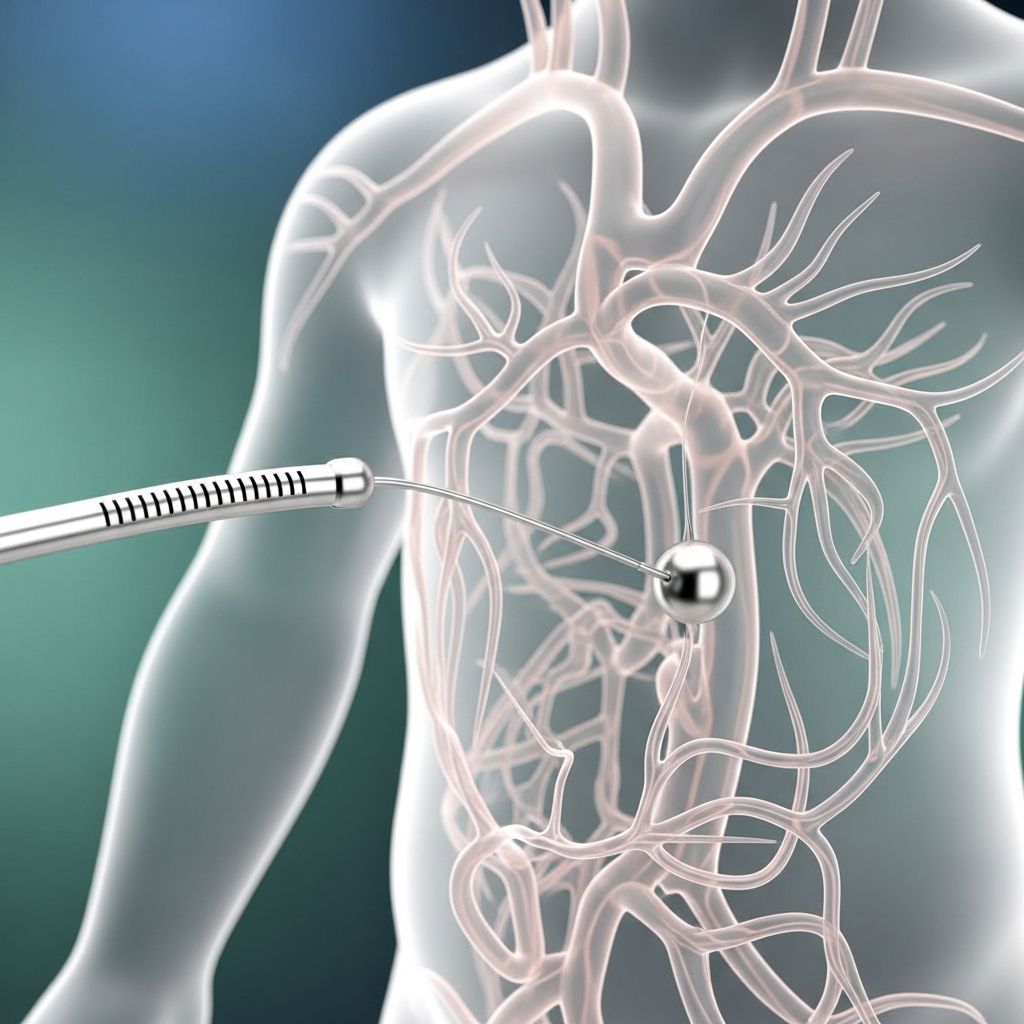
At its core, pediatric interventional radiology involves guiding small instruments like catheters and needles through tiny skin punctures, using real-time imaging such as ultrasound, fluoroscopy, or CT scans for accuracy. This approach is particularly suited for young patients whose small size and unique physiology demand specialized care. Unlike traditional surgery, these methods often enable same-day discharge and quicker return to normal activities.
Specialists in this field, known as pediatric interventional radiologists, undergo extensive training to handle the nuances of treating children, from premature infants to teenagers. Their expertise ensures procedures are tailored to pediatric anatomy, minimizing radiation exposure through low-dose protocols and child-friendly positioning.
Common Diagnostic Procedures for Young Patients
Many procedures start with diagnostic imaging to pinpoint issues accurately. For gastrointestinal concerns, upper gastrointestinal series (UGI) or barium enemas visualize the esophagus, stomach, intestines, and colon using contrast agents that highlight structures on X-rays. These help identify blockages, malrotations, or reflux issues common in newborns and infants.
Ultrasound plays a starring role in painless, radiation-free diagnostics. It excels at evaluating abdominal pain for appendicitis, pyloric stenosis, intussusception, or kidney abnormalities. Genitourinary ultrasounds assess the bladder, kidneys, scrotum, or umbilicus, while voiding cystourethrograms (VCUG) check for reflux by filling the bladder with contrast and imaging during voiding.
| Procedure | Purpose | Imaging Used |
|---|---|---|
| Upper GI Series | Detect malrotation, obstructions, reflux | Fluoroscopy/X-ray |
| Barium Enema | Intussusception reduction, Hirschsprung evaluation | Fluoroscopy/X-ray |
| Ultrasound Abdomen | Appendicitis, pyloric stenosis | Ultrasound |
| VCUG | Urinary reflux, bladder issues | Fluoroscopy |
Therapeutic Interventions Using Imaging Guidance
Beyond diagnosis, interventional radiology treats conditions directly. Biopsies sample tissues from organs like the liver or kidney using needle guidance via ultrasound or CT, aiding in tumor assessment without open surgery.
Vascular access procedures place central lines like PICCs or gastrostomy tubes for nutrition or medication delivery. Drainage interventions, such as paracentesis or thoracentesis, remove fluid from the abdomen or chest under ultrasound guidance, relieving pressure in cases of effusion or ascites.
For biliary issues, specialists access liver ducts to clear blockages with balloons or stents, restoring bile flow. These procedures use contrast to map pathways precisely.
- Biopsy: Needle extraction of tissue samples for pathology.
- Drainage: Fluid removal from body cavities.
- Tube Placements: Feeding or vascular access devices.
- Angiography: Vessel mapping and interventions.
Preparation Steps for Your Child’s Procedure
Preparation varies by procedure but generally includes fasting for those involving sedation or contrast. Parents receive detailed instructions, often 1-2 days prior, covering arrival times, medications to pause, and what to bring like comfort items.
For VCUGs, no sedation is typically needed; staff explain steps to ease anxiety, using child life specialists. Sedation options range from mild oral agents for toddlers to general anesthesia for complex cases in infants.
Allergy checks for contrast or latex are standard, alongside pre-procedure bloodwork if required. Portable procedures for NICU infants minimize transport risks.
Step-by-Step: What Happens During a Procedure
Children arrive early for registration and changing into gowns. Monitoring equipment tracks vitals throughout. The team, including radiologists, technologists, and nurses, positions the child comfortably, often with parental presence.
Local anesthetics numb entry sites; sedation ensures relaxation. Imaging guides instruments in real-time—ultrasound for soft tissues, fluoroscopy for dynamic views. Contrast enhances visibility when needed. Procedures last 15 minutes to 2 hours.
For a typical VCUG: Cleansing, catheter insertion, bladder filling, imaging during voiding into a pool, then removal.
Safety Measures and Radiation Protection
Radiation doses are optimized using ALARA principles (As Low As Reasonably Achievable), with pulsed fluoroscopy and shielding. Ultrasound and MRI alternatives are prioritized when possible.
Sedation teams monitor breathing and heart rate. Sterile techniques prevent infections. Post-procedure observation ensures stability before discharge.
Recovery and Follow-Up Care at Home
Most children recover quickly, with pressure applied to sites to stop bleeding. Pain is managed with acetaminophen; ice packs soothe areas. Watch for signs like fever, swelling, or bleeding—contact providers immediately.
Follow-up imaging or clinic visits track progress. Dietary resumes gradually; activity restrictions last 24-48 hours. Full recovery often within days.
Benefits Over Traditional Surgical Options
Key advantages include smaller incisions (needle-sized), reduced anesthesia needs, shorter hospital stays, and lower complication rates. For conditions like intussusception or abscesses, these can be definitive treatments.
Parents report less trauma for children, preserving emotional well-being during illness.
Potential Risks and Complication Management
Though rare, risks encompass bleeding, infection, allergic reactions to contrast, or sedation effects. Specialists mitigate via protocols; serious events occur in under 1-2% of cases per studies.
Allergic risks are screened; alternatives like non-ionic contrast used. Emergency readiness is standard.
Frequently Asked Questions (FAQs)
Is sedation always required for these procedures?
No, many like ultrasounds or simple VCUGs use no sedation; others employ mild to general based on age and complexity.
How long does recovery take?
Most go home same day, resuming normal activities in 1-2 days, with full healing in a week.
Are these procedures painful?
Anesthesia minimizes discomfort; post-procedure soreness is mild and short-lived.
Can parents stay with their child?
Yes, during prep and often recovery; lead aprons allow presence in fluoro rooms.
What if my child has special needs?
Teams adapt with positioning aids, extra sedation, and behavioral support.
Choosing the Right Specialist and Facility
Seek board-certified pediatric interventional radiologists at children’s hospitals with dedicated suites. Accreditation ensures safety standards. Discuss alternatives thoroughly.
Advances like robotic guidance and AI-enhanced imaging promise even greater precision soon.
References
- Pediatric Radiology Procedures — Pediatric Imaging. Accessed 2026. https://pediatricimaging.org/procedures/
- Radiology Patient Procedures — Children’s Hospital Pittsburgh. Accessed 2026. https://www.chp.edu/our-services/radiology/patient-procedures
- Pediatric Interventional Radiology — Society of Interventional Radiology. Accessed 2026. https://www.sirweb.org/for-patients/conditions-and-treatments/pediatric-interventional-radiology/
- Pediatric Radiology — Radiology Group of Abington. Accessed 2026. https://abingtonradiology.com/services/diagnostic-imaging/pediatric-radiology/
- What is Interventional Radiology — Image Gently. Accessed 2026. http://www.imagegently.org/Procedures/Interventional-Radiology/What-is-Interventional-Radiology