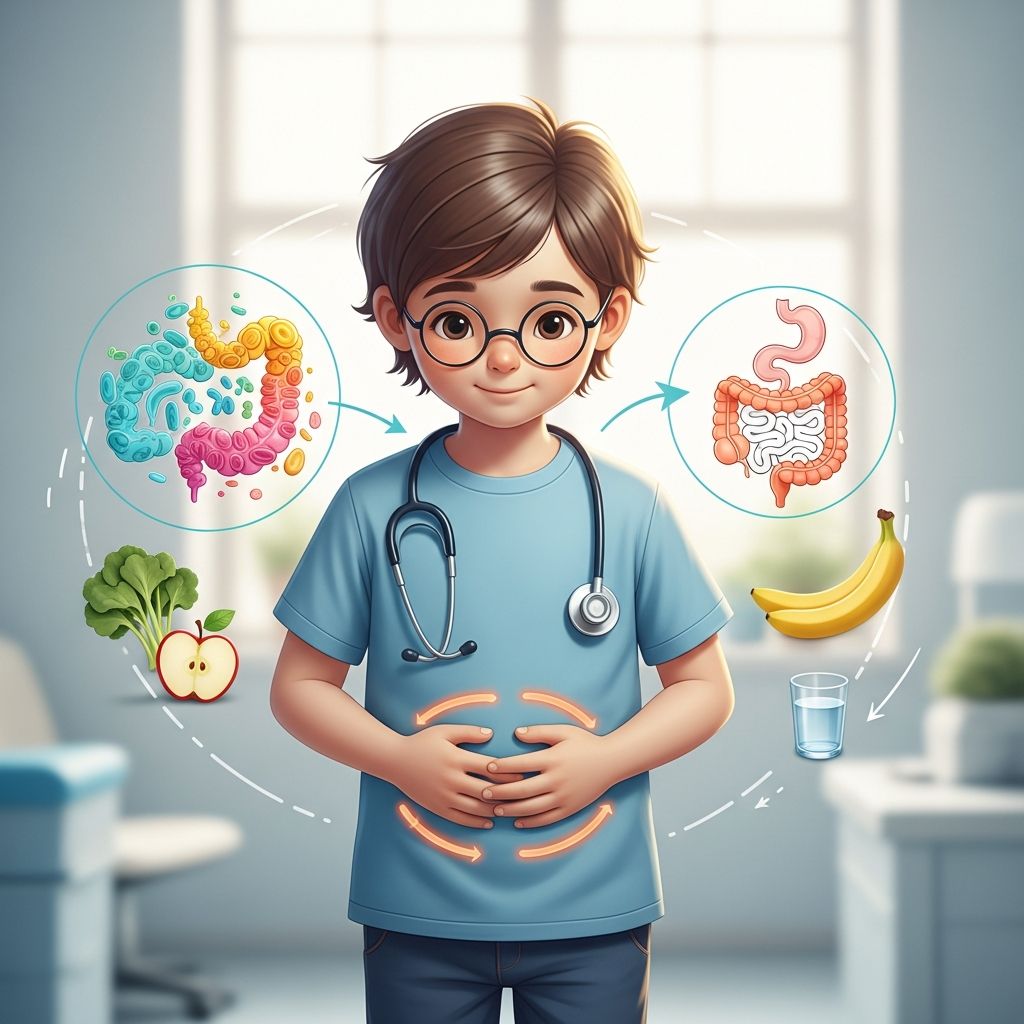
Inflammatory bowel disease (IBD) in children encompasses chronic conditions like Crohn’s disease and ulcerative colitis that inflame the digestive system, impacting daily life and growth. This guide equips parents with knowledge on recognizing signs, navigating diagnosis, and pursuing effective management to foster a healthier future for their child.
Defining IBD in Young Patients
Pediatric IBD refers to ongoing inflammation of the gastrointestinal tract, primarily Crohn’s disease and ulcerative colitis. These autoimmune disorders arise when the immune system erroneously targets the gut lining, leading to persistent irritation. Unlike irritable bowel syndrome, which is functional, IBD causes structural damage and requires medical intervention.
Crohn’s disease can affect any gastrointestinal segment from mouth to anus, often the terminal ileum and colon, penetrating deeper layers and causing complications like strictures or fistulas. Ulcerative colitis is confined to the colon’s mucosal layer, producing ulcers and continuous inflammation from rectum upward.
Prevalence and Risk Factors Among Children
Approximately 25% of IBD cases emerge before age 20, with rising incidence in pediatric populations. Peak onset occurs in adolescence, though 4% appear before age 5 and 18% before 10. Genetic predisposition plays a role, as 20% of affected children have family history.
Environmental triggers, gut microbiome imbalances, and immune dysregulation interact in susceptible individuals. Urban lifestyles, Western diets high in processed foods, and reduced microbial exposure may contribute to the uptick.
Recognizing Symptoms: From Subtle to Severe
Children with IBD may exhibit classic or atypical symptoms. Gastrointestinal signs dominate but extraintestinal issues like growth delays or joint pain can precede them. About 22% present solely with non-classic features such as anemia or poor growth.
- Common gut-related symptoms: Abdominal pain (67-86% in Crohn’s, 43-62% in UC), diarrhea (30-78% Crohn’s, 74-98% UC), rectal bleeding (22-49% Crohn’s, 83-84% UC), nausea/vomiting.
- Systemic effects: Unexplained weight loss, fatigue, fevers, urgent bowel movements, mucus or blood in stool.
- Extraintestinal manifestations: Joint pain, skin rashes, mouth sores, eye irritation, perianal issues like abscesses or fistulas (20% in Crohn’s).
Parents should monitor for red flags: persistent cramps, bloody stools, fevers over 101°F, or sudden bowel habit changes. Early vigilance prevents complications.
Diagnostic Journey: Tests and Evaluations
Diagnosis involves clinical assessment, lab tests, imaging, and endoscopy. Pediatricians start with history and physical exams, noting growth charts and family history.
Key diagnostic tools:
| Test Type | Purpose | Findings in IBD |
|---|---|---|
| Blood tests | Check inflammation, anemia, nutrition | Elevated CRP/ESR, low albumin, anemia |
| Stool tests | Rule out infections, calprotectin levels | High fecal calprotectin indicates inflammation |
| Imaging (MRI/CT) | Assess bowel wall, complications | Thickening, strictures in Crohn’s |
| Endoscopy/Colonoscopy | Direct visualization, biopsies | Ulcers, discontinuous lesions in Crohn’s; continuous in UC |
Histology reveals neutrophils, crypt distortion, and in Crohn’s, noncaseating granulomas (up to 60% of cases). Indeterminate colitis occurs in young children where distinction is unclear.
Treatment Strategies: Achieving Remission and Growth
Therapy aims to control inflammation, restore growth, alleviate symptoms, and avert surgery while minimizing side effects. Multidisciplinary teams including gastroenterologists, nutritionists, and psychologists are ideal.
- Medications: Aminosalicylates for mild UC, corticosteroids for flares, immunomodulators (azathioprine), biologics (anti-TNF like infliximab) for moderate-severe cases.
- Nutrition therapy: Exclusive enteral nutrition induces remission in Crohn’s, supporting growth without steroids.
- Surgery: Reserved for complications; 14% of Crohn’s kids need it within 5 years.
Unique pediatric focuses: Monitor linear growth, bone density (IBD increases osteoporosis risk), puberty delays, and mental health. Vaccinations and infection screening precede immunosuppressants.
Daily Management: Nutrition and Lifestyle Tips
Diet lacks a one-size-fits-all cure but supports therapy. High-calorie, nutrient-dense foods combat malnutrition. Avoid triggers like dairy if intolerant; consider low-residue during flares.
- Emphasize fruits, vegetables, lean proteins, whole grains.
- Hydrate well, especially with diarrhea.
- Small, frequent meals ease digestion.
- Supplements for vitamins D, B12, iron as needed.
Exercise promotes well-being but avoid during acute flares. Stress management via mindfulness aids symptom control.
Potential Complications and Long-Term Outlook
Untreated IBD risks growth stunting, malnutrition, fistulas, abscesses, and colon cancer (rare in kids). With modern biologics, many achieve remission and normal lives.
Regular monitoring via calprotectin, endoscopies ensures mucosal healing. Transition to adult care in late teens requires planning.
Supporting Your Child Emotionally
IBD affects school, social life, self-image. Open communication, peer support groups, counseling help. Parents model resilience, celebrate milestones.
Frequently Asked Questions (FAQs)
What triggers IBD flares in children?
Common triggers include infections, stress, certain foods, or medication non-adherence. Track patterns with a symptom diary.
Can diet alone cure pediatric IBD?
No, but enteral nutrition can induce remission in Crohn’s. It complements medications.
How does IBD impact school performance?
Fatigue, pain, frequent absences challenge focus. 504 plans offer accommodations like extra time.
Is IBD hereditary?
Genetic risk exists (20% family history), but environment plays a key role—not directly inherited.
When is surgery necessary for kids with IBD?
For refractory disease, strictures, or abscesses unresponsive to meds. Outcomes are generally good.
References
- Inflammatory Bowel Disease in Children and Adolescents — PMC – NIH. 2016-01-12. https://pmc.ncbi.nlm.nih.gov/articles/PMC4702263/
- Pediatric Inflammatory Bowel Disease (IBD) — UCLA Health. Accessed 2026. https://www.uclahealth.org/medical-services/gastro/ibd/peds-ibd
- What is Pedi IBD? — Pediatric IBD Foundation. Accessed 2026. https://pedsibd.org/parents/what-is-pedi-ibd/
- Inflammatory Bowel Disease in Children — American College of Gastroenterology. Accessed 2026. https://gi.org/topics/inflammatory-bowel-disease-in-children/
- Inflammatory Bowel Disease — Children’s Hospital of Philadelphia. Accessed 2026. https://www.chop.edu/conditions-diseases/inflammatory-bowel-disease