Understanding the Foundation of Childhood Relationships
Social connections form the cornerstone of healthy child development, influencing every aspect of how children learn, grow, and navigate the world around them. From the moment infants interact with their primary caregivers to the moment children initiate their first friendships, these relational experiences shape neural pathways, emotional capacity, and behavioral patterns that persist throughout life. The quality and consistency of early social interactions create templates for how children will manage relationships, process emotions, and respond to challenges in adulthood.
Research demonstrates that children who experience warm, responsive relationships with caregivers and peers develop stronger emotional regulation skills, higher self-esteem, and greater resilience when facing adversity. Conversely, children who lack adequate social connection in their formative years may struggle with emotional expression, relationship formation, and adaptive coping mechanisms. Understanding this connection between early relationships and long-term outcomes empowers parents and educators to prioritize social development with the same intentionality applied to academic learning.
The Neurobiological Impact of Connection
Brain development in early childhood is profoundly shaped by the quality and frequency of human interaction. When a child experiences consistent, loving attention from caregivers, their brain develops robust neural connections related to trust, emotional regulation, and social understanding. These connections form through thousands of everyday interactions—a parent’s responsive smile to a baby’s coo, a caregiver’s comforting voice during distress, or a peer’s invitation to join in play.
The absence of positive social connection, however, creates different developmental outcomes. Children who experience severe neglect or minimal human contact in early years show measurable differences in brain structure and function. Specifically, reduced development in the left hemisphere has been associated with increased vulnerability to depression, while heightened limbic system sensitivity can lead to anxiety disorders. Additionally, limited social engagement during critical developmental windows may compromise hippocampus growth, affecting learning capacity and memory formation.
This neurobiological reality underscores that social connection is not simply a pleasant addition to childhood—it is a biological necessity for optimal brain development. Every hug, conversation, and moment of shared play contributes to the architectural foundation upon which cognitive and emotional capacities are built.
How Peer Relationships Accelerate Social and Emotional Growth
While bonds with primary caregivers provide essential security, peer relationships offer distinct developmental benefits that cannot be replicated in adult-child dynamics. When children interact with same-aged or mixed-age peers, they encounter novel social situations that require negotiation, compromise, and perspective-taking. A child negotiating whose turn it is to use the swing, deciding how to include another child in imaginative play, or resolving a conflict over a toy practices skills that no adult instruction could fully convey.
Key developmental benefits of peer relationships include:
- Learning empathy through recognizing and responding to others’ feelings and needs
- Developing conflict resolution skills through managing disagreements and finding compromises
- Building confidence through social risk-taking, such as initiating friendships
- Understanding reciprocity and the give-and-take required for successful relationships
- Practicing communication skills in dynamic, unpredictable social contexts
- Developing self-advocacy and the ability to express needs respectfully
Children who develop strong peer friendships during early years report higher self-esteem, demonstrate greater social competence, and show improved capacity to manage life transitions and stressors. Remarkably, research indicates that more than half of children referred for emotional and behavioral difficulties have few or no friends, suggesting that friendship deficits may both reflect and contribute to broader developmental concerns.
The Gateway Role of Play in Building Connections
Play represents one of childhood’s most powerful vehicles for social development. Far from being frivolous, play serves as the primary language through which children process experiences, solve problems, and forge connections with peers. When educators and parents understand play as developmental work, they recognize its necessity alongside academics and formal learning.
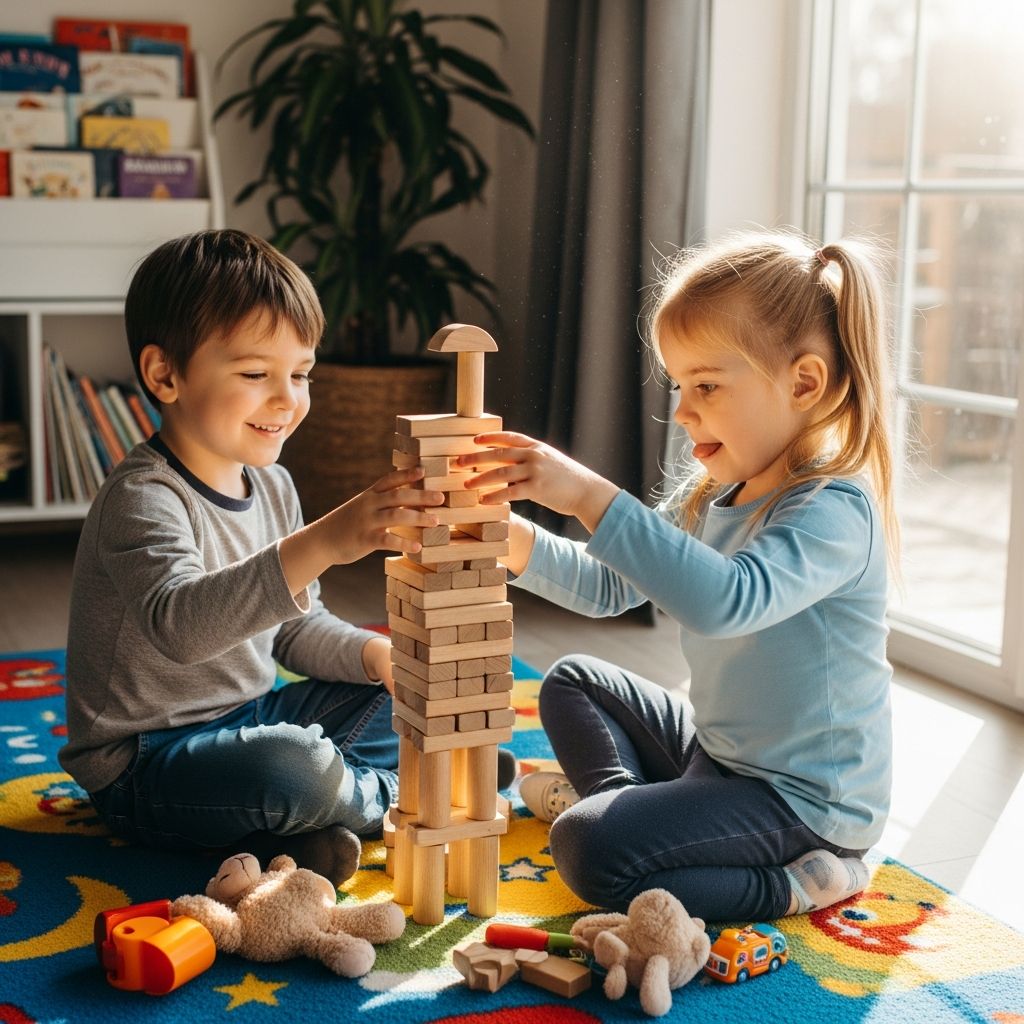
Through different types of play, children develop distinct capacities. Cooperative play—where children work toward shared goals—teaches teamwork, planning, and the satisfaction of collective achievement. Parallel play, where children engage in similar activities alongside one another, helps younger children feel comfortable in peer settings while developing observation skills. Imaginative play, whether building block structures or enacting elaborate scenarios, requires communication, negotiation, and creative problem-solving that strengthens social flexibility.
Activities incorporating creative expression—drawing, music, drama, and construction—provide particularly rich opportunities for peer connection. These modalities allow children to communicate and connect beyond verbal language, making them especially valuable for children still developing language skills or those with communication differences.
The Early Years: Establishing Patterns for Lifelong Relationships
The trajectory of social development begins remarkably early. Infants as young as a few months old respond to facial expressions and vocal tones, demonstrating an innate orientation toward social engagement. During the infancy and toddler years, children’s primary social relationships remain centered on consistent caregivers, yet even very young children benefit from exposure to other children and adults.
As children transition into preschool years, their social world expands significantly. Participation in daycare, preschool, playgroups, or community events provides structured opportunities to interact with peers outside the family system. These settings allow children to practice nascent social skills in lower-stakes environments where caregivers can provide scaffolding and support. A child learning to navigate sharing, take turns, manage disappointment, and celebrate others’ successes in a preschool setting builds confidence and competence that transfers to later social contexts.
The relationship quality children experience during these pivotal years creates templates they unconsciously apply later. A child who experiences responsive, nurturing interactions learns to approach relationships with trust and openness. A child whose social attempts are met with criticism or rejection may develop protective patterns that complicate later friendships. This does not mean perfection is required—parents and educators need not orchestrate flawless interactions—but rather that consistent warmth, attunement, and support create conditions for healthy social development.
Supporting Social Development: Practical Strategies for Parents and Educators
Create opportunities for unstructured peer interaction: While organized activities have value, children benefit tremendously from free play with peers where they lead activities and resolve conflicts with minimal adult direction. These moments of autonomy allow children to discover what works in relationships and to develop genuine friendships rather than adult-mediated connections.
Model healthy relationships: Children absorb not just explicit lessons about friendship but implicit messages about how to treat others by observing adult relationships. When children witness their parents or caregivers navigating disagreements respectfully, expressing appreciation, and maintaining connections, they internalize these patterns as normal relationship functioning.
Teach emotional vocabulary: Children cannot manage emotions they cannot name. Helping children identify and articulate feelings—”You seem frustrated right now” or “That made you feel happy”—provides language that supports emotional regulation and empathy. When children can name their own emotional states, they can begin to recognize these states in others, facilitating empathic connection.
Facilitate skill-building during peer conflicts: Rather than immediately resolving conflicts between children, adults can use these moments as teachable opportunities. Guiding children through questions like “How do you think your friend felt when…?” or “What could you try differently next time?” builds problem-solving capacity and perspective-taking abilities.
Prioritize consistent, responsive caregiving: The foundation for all other relationships rests on the security provided by consistent, attuned caregiving. Children whose primary caregivers reliably respond to their needs, comfort them during distress, and celebrate their successes develop secure attachment patterns that facilitate exploration and social engagement.
Create inclusive environments: Inclusive settings where children of varying abilities, backgrounds, and temperaments interact teach acceptance and broaden social capacity. Children who experience diversity in peer groups develop greater flexibility and comfort with difference, skills essential for functioning in multicultural societies.
Addressing Social Challenges and Building Resilience
Not all children find friendship formation equally easy. Some children struggle with social initiation, others with reading social cues or managing peer conflicts. Parents whose children face social difficulties should recognize that intervention often proves highly effective. Beginning efforts to build friendship skills early, though sometimes uncomfortable, yields significant long-term benefits. A child who learns to take social risks—inviting a peer to play despite fear of rejection—develops confidence and resilience that serves throughout life.
For children facing significant social barriers—whether due to developmental differences, behavioral challenges, or other factors—specialized programs and therapeutic support can provide scaffolding that facilitates connection. The key principle remains consistent: belonging matters profoundly, and dedicated effort to support social inclusion yields measurable improvements in mental health, academic engagement, and life satisfaction.
The Protective Power of Multiple Relationships
While primary caregivers provide essential foundational security, research demonstrates that children benefit from relationships with multiple caring adults and peers. Extended family members, teachers, coaches, neighbors, and family friends each contribute unique perspectives and support. This network of relationships provides backup during periods when primary relationships may be strained, offers diverse models of human connection, and expands the resources available to the child.
For children navigating particular challenges—such as those with disabilities seeking meaningful community inclusion—these broader social networks prove essential. Young adults with disabilities who maintain three or more meaningful relationships outside their immediate family report significantly higher quality-of-life scores than those with fewer connections. This suggests that social connection acts as a protective factor, buffering against isolation and enhancing overall well-being.
Measuring Growth and Recognizing Progress
Social development does not follow a linear trajectory. Children progress at different rates, and what looks like regression often reflects normal developmental variation or temporary stress response. Parents observing their children might notice milestones such as:
- Initiating interactions with peers independently
- Expressing interest in specific friendships rather than just general peer play
- Successfully managing minor conflicts with peer support rather than adult intervention
- Showing empathy toward peers’ distress or challenges
- Collaborating on projects requiring sustained cooperation
- Demonstrating flexibility in play and willingness to adapt to peers’ ideas
Frequently Asked Questions
When should children begin developing friendships outside the family?
Children benefit from exposure to peers as early as infancy, though structured friendship-building typically becomes meaningful around ages two to three when children develop greater peer interest and social capacity. Even toddlers playing in close proximity to peers benefit from these early exposures to social contexts.
How can parents help shy children build social confidence?
Patience combined with gentle encouragement proves most effective. Parents might arrange one-on-one playdates before group settings, provide advance notice about social situations, validate nervous feelings while maintaining expectations for participation, and celebrate even small social efforts. Forcing engagement typically backfires, while gradual exposure combined with support builds genuine confidence.
What should parents do if their child has difficulty maintaining friendships?
First, assess whether difficulty stems from limited opportunity, social skill deficits, or other factors. Increasing structured peer time, directly teaching social skills (turn-taking, listening, asking questions), and examining whether the child’s interests align with available peers may all help. Professional guidance from a child psychologist or therapist can address underlying issues affecting social engagement.
How does screen time impact children’s social development?
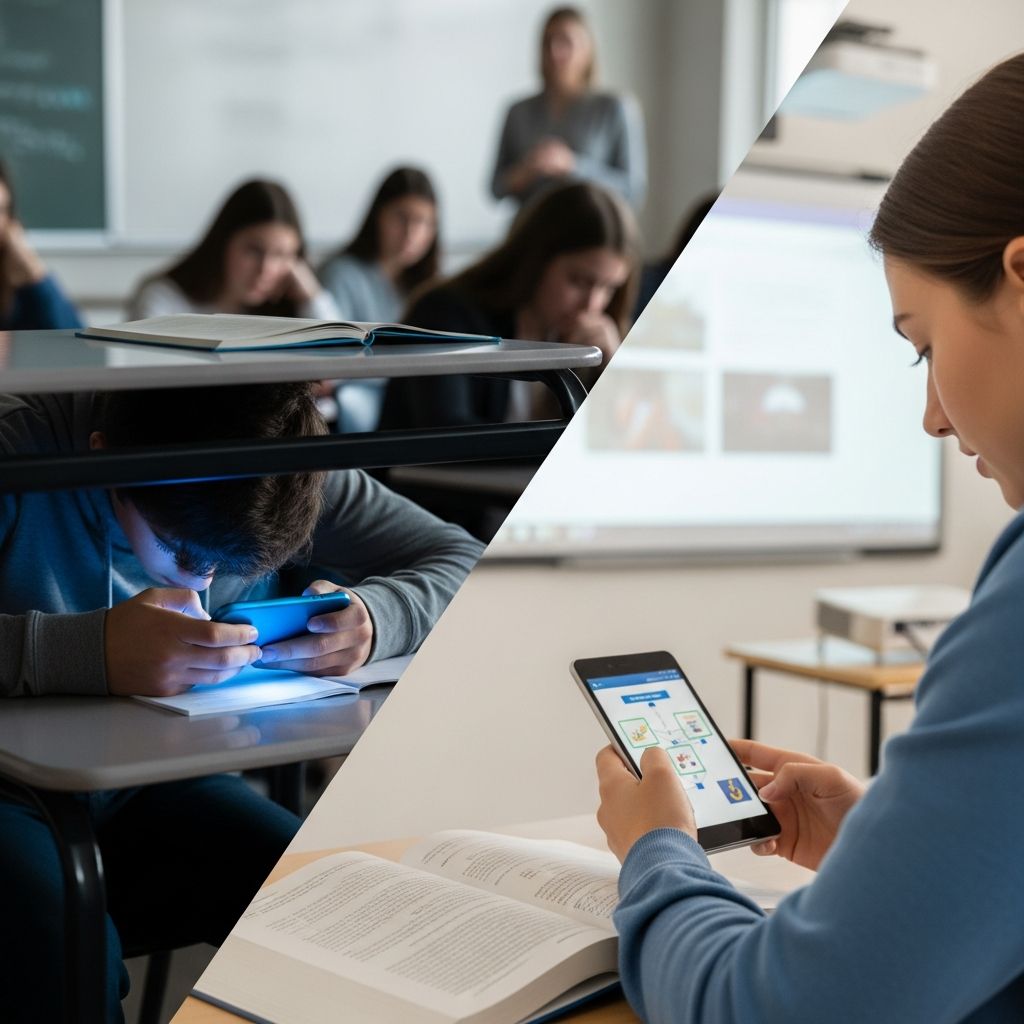
Excessive screen time reduces opportunities for real-world peer interaction that develops genuine social skills. While some educational or communication-based screen use has merit, face-to-face interaction remains irreplaceable for developing the nuanced social capacities children require. Parents should prioritize live peer interaction and limit recreational screen time.
Can children with developmental disabilities develop strong friendships?
Absolutely. With appropriate support and inclusive settings, children with disabilities develop meaningful friendships that provide the same developmental and emotional benefits as their typically developing peers. The key lies in creating opportunities for interaction, providing necessary accommodations or support, and fostering inclusive attitudes in peer groups.
References
- The Role of Social Connection — London School of Childcare Studies. 2024. https://childcarestudies.co.uk/blog/the-importance-of-play-and-social-connections-in-early-child-development/
- Social Development in Early Childhood: Why It Matters More Than You Think — Kids USA Montessori. 2024. https://kidsusamontessori.org/social-development-in-early-childhood-why-it-matters-more-than-you-think/
- Social Connection On Child Development — Children’s Bureau. 2024. https://www.allforkids.org/news/blog/social-connection-on-child-development/
- Why Social Connection Matters More Than Ever (Especially for Kids With Disabilities) — Friendship Circle. 2024. https://www.friendshipcircle.com/why-social-connection-matters-more-than-ever-especially-for-kids-with-disabilities/
- Serve and Return: Back-and-forth exchanges — Center on the Developing Child, Harvard University. 2024. https://developingchild.harvard.edu/key-concept/serve-and-return/
- Social Connections Protective Factor Conversation Guide — U.S. Department of Health & Human Services. 2024. https://www.childwelfare.gov/resources/social-connections-protective-factor-conversation-guide
- Social relationships and children’s perceptions of adversity — National Center for Biotechnology Information, U.S. National Library of Medicine. 2022. https://pmc.ncbi.nlm.nih.gov/articles/PMC9291150/